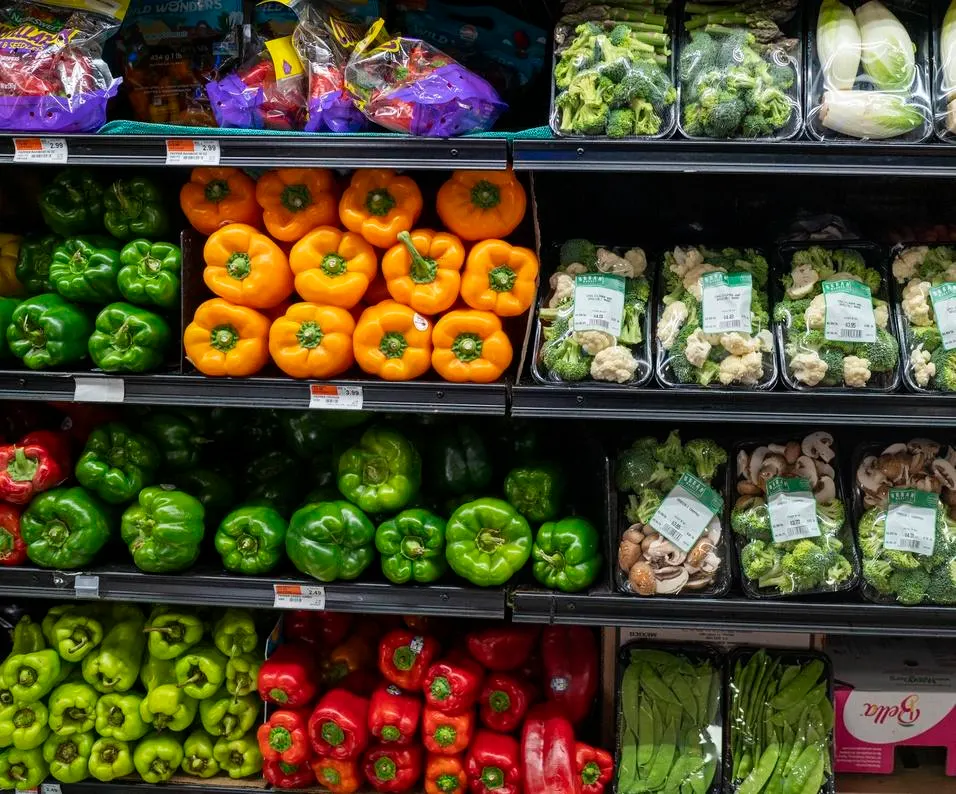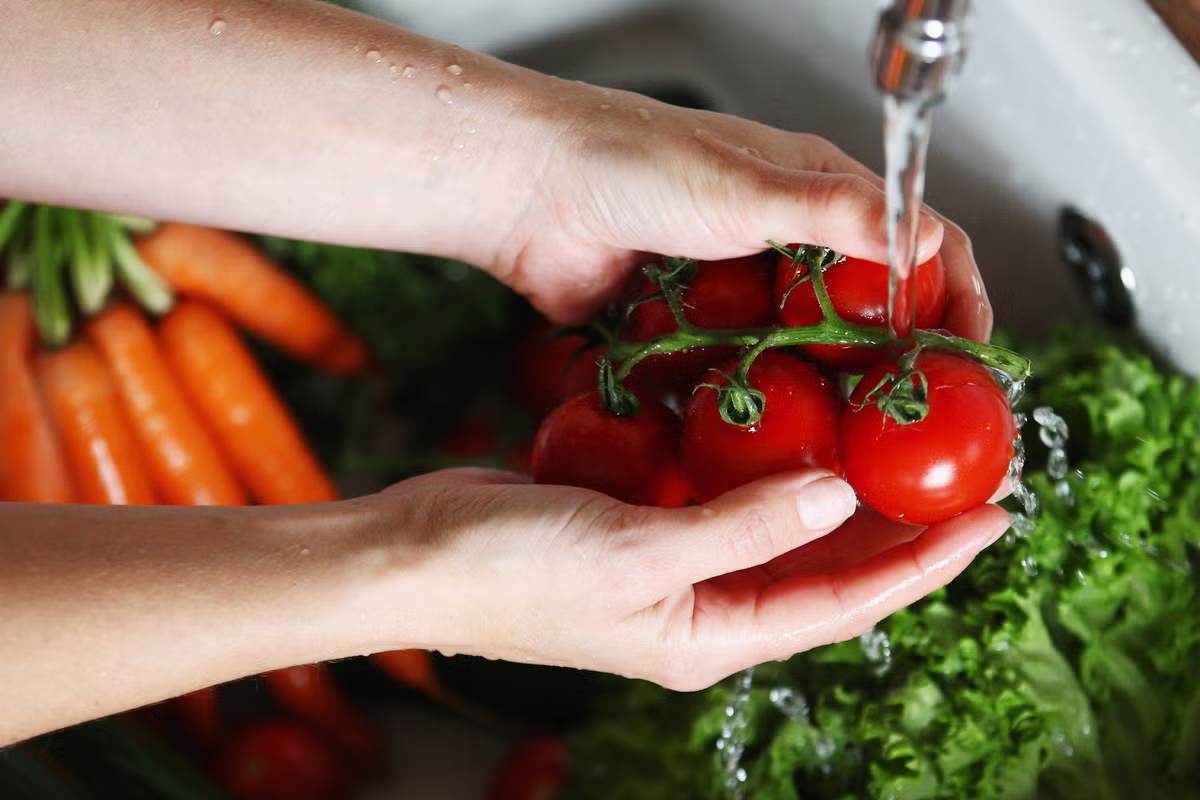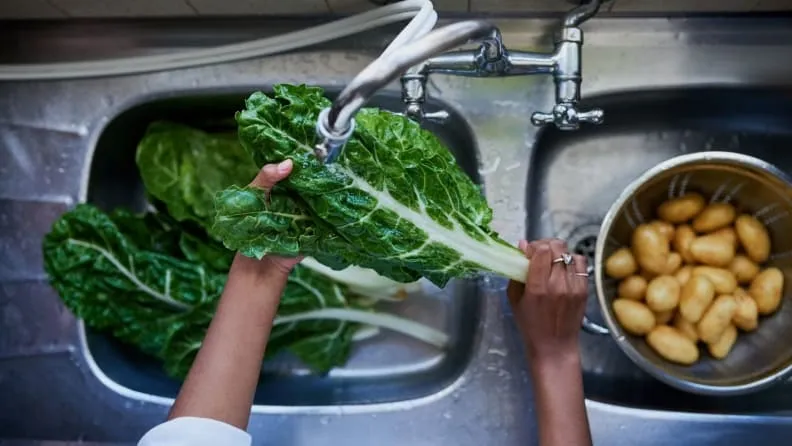
Health officials are investigating hundreds of cyclosporiasis cases across the country. Experts share how to clean produce properly—and what washing can’t prevent.Show Caption
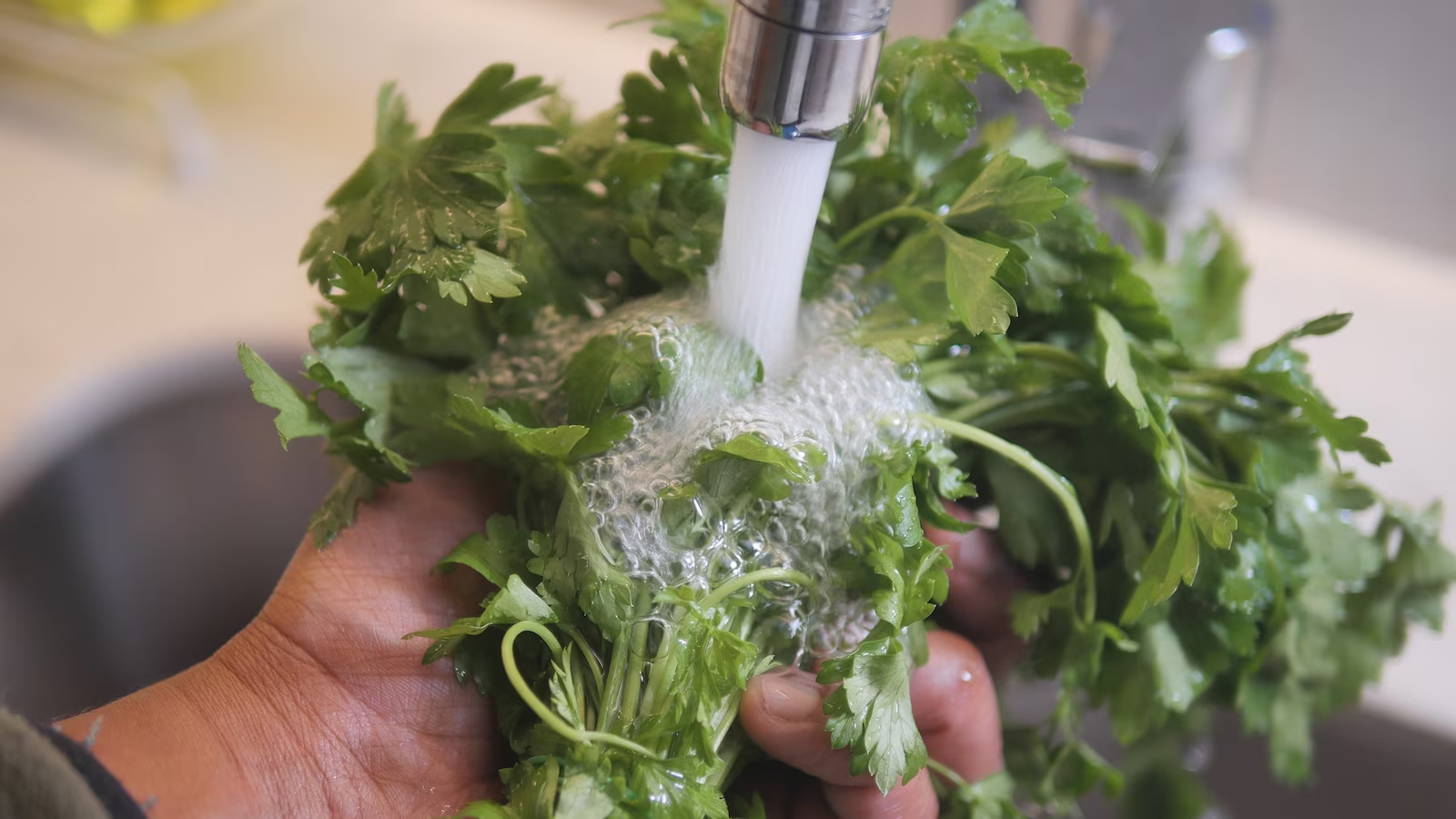
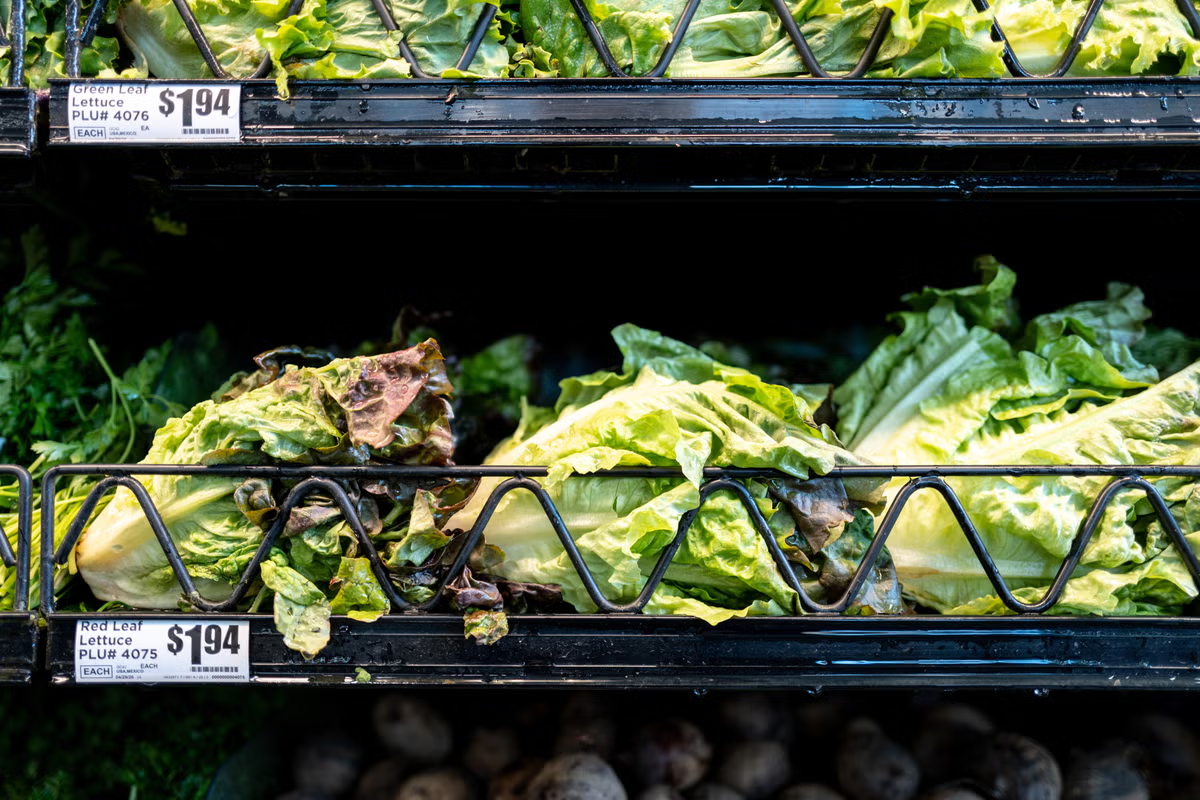
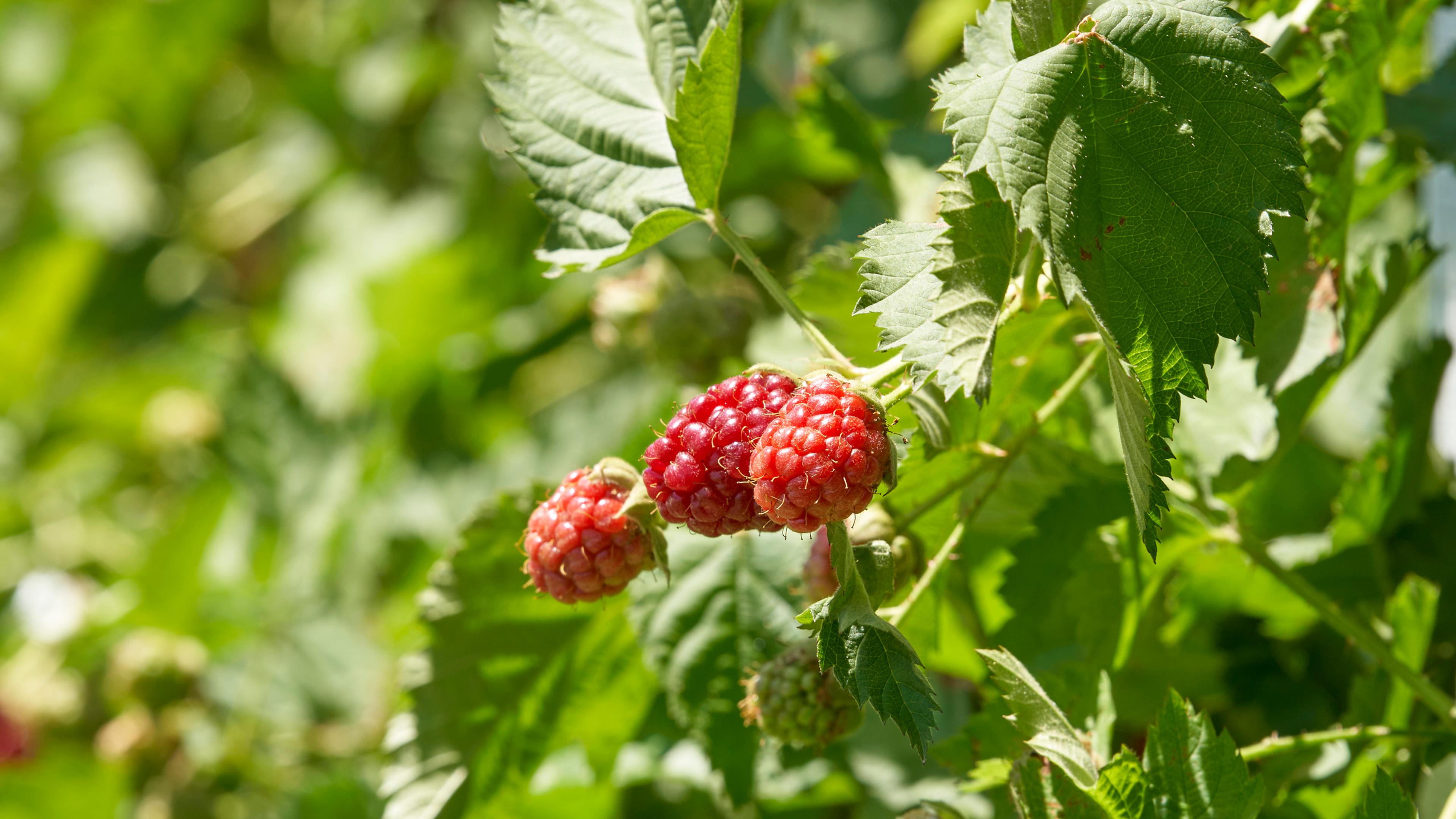
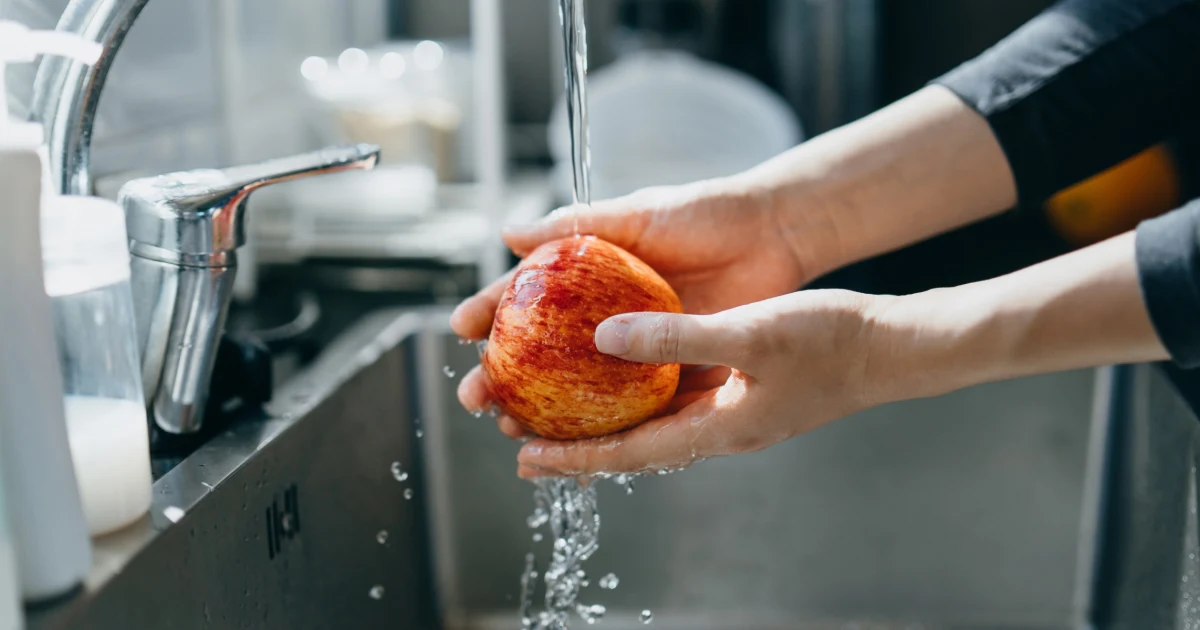
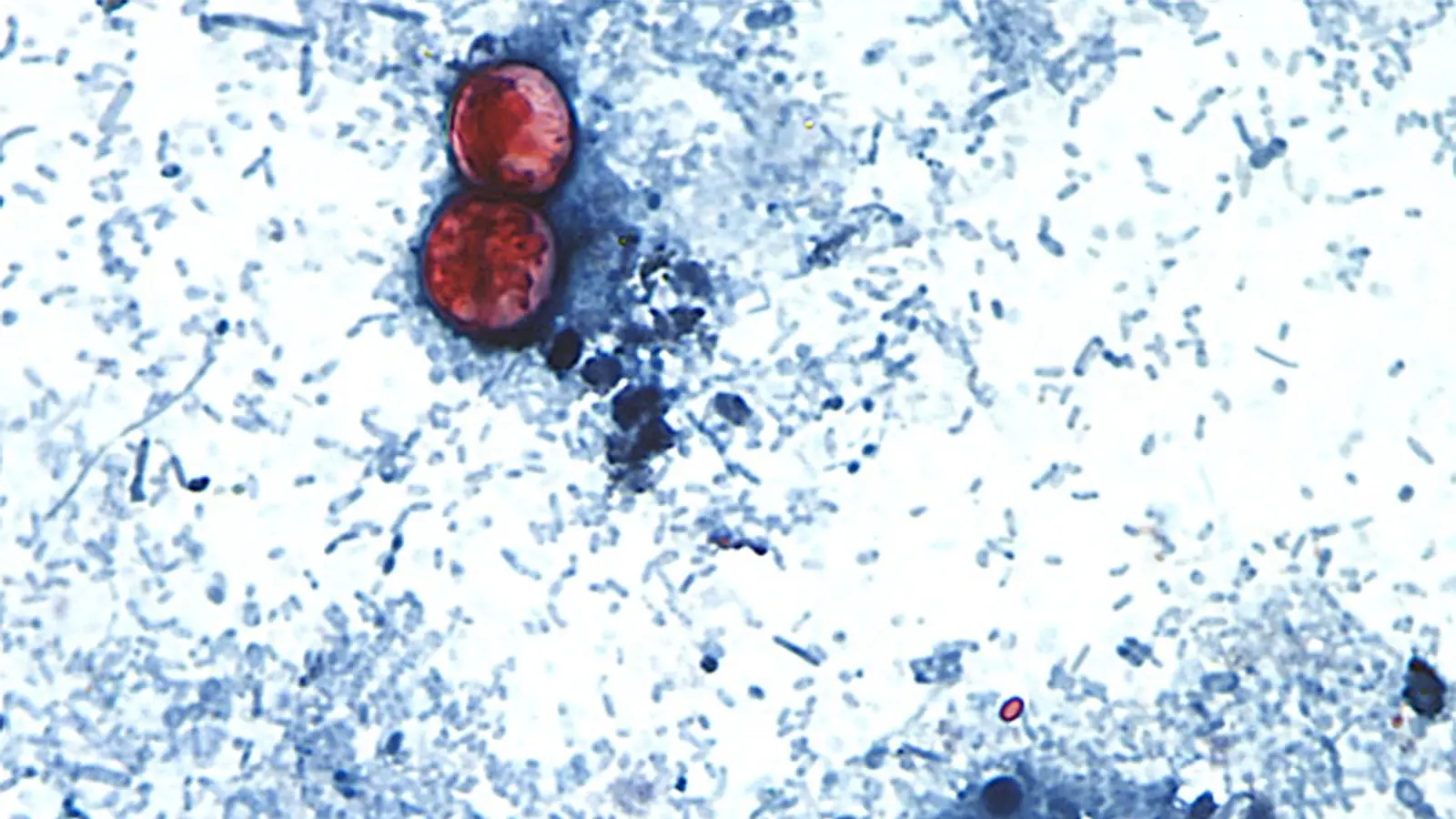
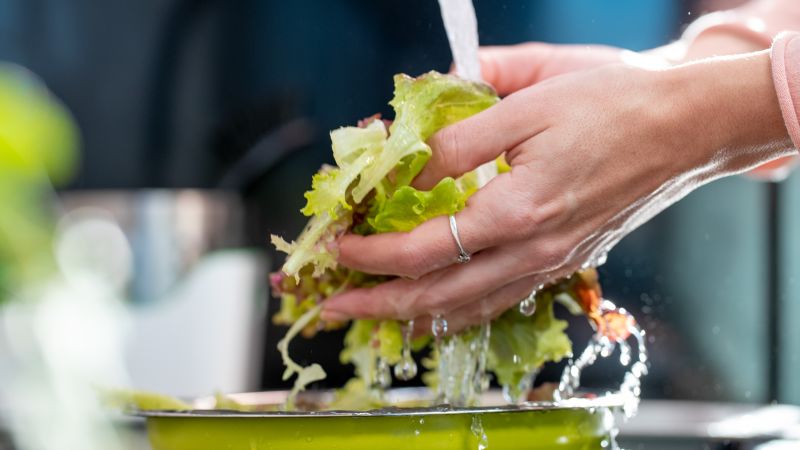
Thousands of Americans have reported cases of cyclosporiasis, an intestinal infection caused by a parasite.Experts recommend washing hands with soap and water and thoroughly rinsing fresh produce to reduce risk.Previous outbreaks have been linked to items like bagged salads, fresh cilantro, basil and raspberries.Health officials are investigating a growing outbreak of cyclosporiasis, a parasitic illness that can cause explosive diarrhea and other gastrointestinal symptoms. USA TODAY reported that as of July 9, 843 confirmed cases had been reported to the CDC across 31 states since May 1.The parasitic infection is said to be caused by the parasite Cyclospora cayetanensis, also known simply as cyclospora, and is usually contracted through contaminated food.While officials continue to look for the source, experts say there are a few actions you can take at home to help reduce your risk—including properly washing fresh produce before you eat it. The USA TODAY Shopping team spoke with Dr. Vanessa Coffman, Alliance Director at Stop Foodborne Illness to learn more about how to handle produce and help protect your family from cyclosporiasis.An expert shares how to wash your produce to better protect your familyEditor's note: The products featured here are not endorsed by any health official. They were selected by the USA TODAY Shopping team using expert guidance, research and editorial expertise.Wash your hands, especially after bathroom use and before preparing foodThe Centers for Disease Control and Prevention (CDC) recommend washing your hands with soap and water for at least 20 seconds. Typically, the CDC recommends hand sanitizer when you cannot wash your hands, but in the case of cyclosporiasis, that does not work.Right now, alcohol-based hand sanitizers are not known to be effective against cyclosporiasis. Experts recommend washing hands thoroughly with soap and water, especially after using the bathroom and before preparing food.The type of soap matters less than how you wash your hands. Along with the CDC recommendations above, experts recommend that you scrub between your fingers, under your nails and the backs of your hands before rinsing thoroughly."Soap works mainly by physical removal," said Dr. Coffman, Alliance Director at Stop Foodborne Illness. "Whether the soap is antibacterial or not, the most important part is washing your hands thoroughly for at least 20 seconds under running water. Soap helps loosen dirt, oils, and microbes so they can be rinsed away.Produce safety practices: How to wash your fruits and vegetablesHow you wash your fruits and vegetables depends on what you're washing. Dr. Coffman said, "In general, washing fresh produce under cool, running water is a simple and effective way to remove dirt and reduce bacteria and other contaminants on the surface."It's important to note that while washing fruits and vegetables helps remove dirt and may reduce some contaminants, no home washing method has been proven to completely eliminate cyclospora from contaminated produce at this time.How to wash berries and other delicate produce:"For delicate items like fresh berries, gently rinse them under cool running water and remove any visible dirt or damaged fruit," Dr. Coffman said. Water is enough, you don't need any produce-specific soaps. In fact, both the FDA and the USDA strongly advise against using any sort of soap on your food. Food, especially fruits and vegetables, can be porous and chemicals can get into those pores and make you sick when you ingest them.Raspberries are on the list of items that have previously been linked to cyclosporiasis outbreaks and have made several lists of produce to scrub, but they're incredibly fragile."Scrubbing a raspberry would definitely be a challenge!" Coffman said. "Delicate produce like raspberries is too fragile for that approach and should instead be rinsed gently under cool running water."How to wash firmer produce, like potatoes and carrots"For firmer produce, such as potatoes, carrots or cucumbers," Dr. Coffman said, "Use a clean produce brush to gently scrub the surface under running water."If your produce has a peel or rind, like a banana, that you'll remove before eating, you may still want to rinse it first—especially if you plan to cut through it with a knife."It's a good idea to rinse the outside of fruits you'll cut through, such as oranges, melons or avocados, to help prevent bacteria or dirt on the surface from being transferred to the edible portion by the knife during slicing," Dr. Coffman said.How to wash lettuce and leafy vegetablesLeafy vegetables, like lettuce and fresh spinach, also require a slightly different approach. Instead of scrubbing them, separate the leaves and rinse them thoroughly under cool, running water. It may also be helpful to remove the outer leaves specifically and throw them away. Once your leafy greens are clean, a salad spinner can help remove excess water before storing or serving them."When it comes to cyclosporiasis, washing alone is not enough to reliably remove the parasite," Dr. Coffman said. "The microscopic oocysts, the infectious stage of cyclospora cayetanensis, can adhere tightly to the surface of fruits and vegetables and become trapped in natural cracks, crevices and folds."Reduce the risk by avoiding common contaminantsHealth officials have not named any one product that is linked in all of these cyclosporiasis cases. You can wash your hands, you can wash your produce, but Dr. Coffman says, "The most reliable way to reduce your risk of cyclosporiasis is to avoid consuming foods known to be contaminated."But, she also weighs the importance of eating a balanced diet, which includes fruits and vegetables. "We don't want to discourage people from eating them. The goal is to balance the nutritional benefits of fresh produce with sensible food safety practices based on your individual level of risk."What foods have been linked to recent cyclosporiasis outbreaks?Previous outbreaks have been associated with produce like raspberries, basil, cilantro, snow peas, green onions and salad mixes, although investigators have not yet identified a single source for the current increase in cases.Health officials have also issued guidance aimed at anyone involved in preparing, processing or serving fresh produce.Other ways to help reduce your risk of food-borne illnesses:Cut away bruised or damaged areas before eatingClean and sanitize utensils and food-prep surfaces before and after useSanitize display cases and refrigerators used to store fresh produceClean and sanitize cutting boards and tools used with fresh produceRefrigerate cut, peeled or cooked fruits and vegetables promptlyWhat is cyclosporiasis?Cyclosporiasis is an intestinal infection caused by a microscopic parasite. Over the last several weeks, more reports of what the CDC describes as “explosive diarrhea” have emerged.The U.S. Food & Drug Administration reports that people become infected when they consume food or water contaminated with the cyclospora parasite. The contamination often originates from human fecal matter that enters agricultural water supplies or food production systems. Direct person-to-person transmission is considered unlikely because the parasite must mature in the environment before it becomes infectious.Cyclosporiasis is commonly treated with a prescription antibiotic but according to Anil Sharma, M.D., an associate professor in the Division of Gastroenterology, Hepatology & Nutrition at the University of Florida College of Medicine:“You have to treat this infection with an antibiotic and there is a special antibiotic called Bactrim DS. Unless you get a stool test, specifically a GI pathogen panel and it comes back positive, a doctor will not know how to treat it. Without the test, it could be viewed as bacterial or viral diarrhea.”What are the symptoms of cyclosporiasis?Dr. Coffman emphasized the importance of recognizing the symptoms of cyclosporiasis. "Symptoms of infection most often include frequent watery diarrhea that persists for more than a few days. If you are feeling unwell, contact your healthcare provider. If needed, they may prescribe antibiotics, which can reduce the length of illness and prevent it from reoccurring."The most common symptom is watery, frequent and sometimes "explosive" diarrhea, according to the CDC and Cleveland Clinic, though other stomach troubles can include:Loss of appetiteBloating, including burping, gas or stomach crampsExtreme tiredness (fatigue)FeverNauseaVomitingWeight lossContributing: Mary Walrath-Holdridge, USA TODAY; Kristen Jordan Shamus, Detroit Free Press; Sara Moniuszko, USA TODAYUSA TODAY Shopping will be covering all the best deals and drops so be sure to sign up for text alerts, check us out on Flipboard, follow us on TikTok, sign up for our newsletter and follow us on Instagram to stay updated!