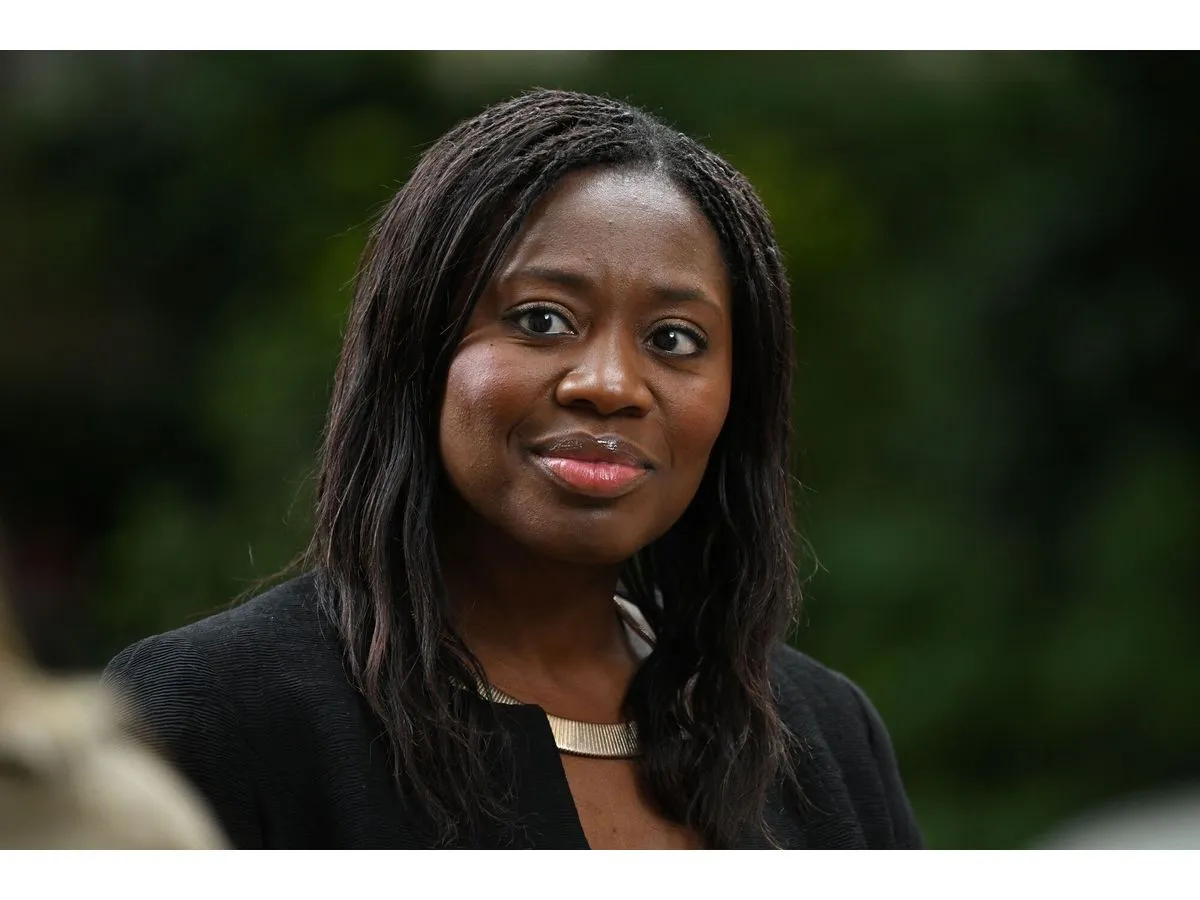
Skip to Content News Archives Economy Energy Oil & Gas Renewables Electric Vehicles Mining Commodities Agriculture Real Estate Mortgages Mortgage Rates Finance Banking Insurance Fintech Cryptocurrency Work Wealth Smart Money Wealth Management Investor Personal Finance Family Finance Retirement Taxes High Net Worth FP Comment Executive Women Puzzmo Newsletters Financial Times Business Essentials More Innovation Information Technology FP500 Podcasts Small Business Lives Told Tails Told Shopping Financial Post Store Obituaries Place a Notice Advertising Advertising With Us Advertising Solutions Postmedia Ad Manager Sponsorship Requests Classifieds Place a Classifieds ad Working Profile Settings My Subscriptions Saved Articles My Offers Newsletters Customer Service FAQ News Economy Energy Mining Real Estate Finance Work Wealth Investor FP Comment Executive Women Puzzmo Newsletters Financial Times Business Essentials HomePMN BusinessBurnham Weighs Bigger Budget as Experts Lobby on Economic PolicyAndy Burnham, the UK’s presumptive next prime minister, is considering unveiling a bolstered budget later this year as allies and experts seek to persuade him to pursue a land tax, public control of utilities and a more ambitious devolution strategy.Author of the article: You can save this article by registering for free here. Or sign-in if you have an account.Miatta Fahnbulleh Photographer: Leon Neal/Getty Images Europe Photo by Leon Neal /Photographer: Leon Neal/Getty Im(Bloomberg) — Andy Burnham, the UK’s presumptive next prime minister, is considering unveiling a bolstered budget later this year as allies and experts seek to persuade him to pursue a land tax, public control of utilities and a more ambitious devolution strategy.Subscribe now to read the latest news in your city and across Canada.Exclusive articles from Barbara Shecter, Joe O'Connor, Gabriel Friedman, and others.Daily content from Financial Times, the world's leading global business publication.Unlimited online access to read articles from Financial Post, National Post and 15 news sites across Canada with one account.National Post ePaper, an electronic replica of the print edition to view on any device, share and comment on.Daily puzzles, including the New York Times Crossword.Subscribe now to read the latest news in your city and across Canada.Exclusive articles from Barbara Shecter, Joe O'Connor, Gabriel Friedman and others.Daily content from Financial Times, the world's leading global business publication.Unlimited online access to read articles from Financial Post, National Post and 15 news sites across Canada with one account.National Post ePaper, an electronic replica of the print edition to view on any device, share and comment on.Daily puzzles, including the New York Times Crossword.Create an account or sign in to continue with your reading experience.Access articles from across Canada with one account.Share your thoughts and join the conversation in the comments.Enjoy additional articles per month.Get email updates from your favourite authors.Create an account or sign in to continue with your reading experience.Access articles from across Canada with one accountShare your thoughts and join the conversation in the commentsEnjoy additional articles per monthGet email updates from your favourite authorsSign In or Create an AccountorBurnham is on course to take over from Keir Starmer on July 20, with little known of the policies he plans to enact. That has led would-be advisers and ministers to jockey for jobs in his government and policy ideas as he itches to deliver rapid change while planning for his first months leading Britain. One idea Treasury officials are exploring, after preliminary talks with Burnham’s team, is to merge the annual budget — usually held in October or November — and the spending review set for departments, the Financial Times reported Sunday. They are typically held separately, though in her first budget in 2024 Chancellor Rachel Reeves also chose to set departmental budgets the year ahead in a bid to particularly boost education and health funding. Get the latest headlines, breaking news and columns.By signing up you consent to receive the above newsletter from Postmedia Network Inc.A welcome email is on its way. If you don't see it, please check your junk folder.The next issue of Top Stories will soon be in your inbox.We encountered an issue signing you up. Please try againFast-tracking departmental spending decisions could allow Burnham to set his priorities going into a general election due in 2029 and set out a clearer path to channeling 3.5% of economic output to defense spending — something he’s promised to increase. But it would also pile pressure on his would-be Chancellor to produce an expanded document in mere months, when spending pressures in the years ahead remain uncertain,The Treasury and Burnham’s spokesperson didn’t respond to requests for comment. Reeves, who is expected to depart the role when Burnham enters Number 10, defended her two-year tenure in a BBC interview over the weekend by arguing the former Greater Manchester mayor will inherit a stronger economy than she did. Still, she urged him to ensure he has a “worked-through plan” and is clear about what he wants to achieve when he takes over.“Governing is hard in Britain, and lots of challenges and shocks will come his way,” Reeves said. “He needs to stay laser-focused on things that have always motivated him.”Burnham’s close ally Louise Haigh, who’s expected to be given a senior role in his cabinet, assured voters this week that Burnham has a detailed plan that he’s been working on for a long time. So far, Burnham has said he wants to hand considerably more power to local authorities and launch a Number 10 in the north of England, with his most thought-out policies so far surrounding devolution. But he’s wavered and then committed to maintaining the Reeves fiscal rules and rowed back on plans being considered to split the Treasury. He’s also suggested he wants to extend public ownership of utilities and has said there is “some room” for movement on tax while vowing to stick to his Labour Party’s manifesto promises not to raise income, national insurance or value-added tax. He suggested to LBC last week that increased business rates on warehouses could be used to fund tax cuts for small hospitality businesses.His close ally Miatta Fahnbulleh, who has been helping him draw up policy ideas alongside Haigh and Josh Simons, also told the BBC on Sunday that the government needs to “do more” to help small and medium-sized businesses, give local authorities more “power, resources, tools” and invest more in order to help raise living standards. “That means dealing with the cost of living in the short-term to give people some respite,” she said. “But also fundamental reform to the essentials that people need to live well: housing, energy, water, transport are all far too expensive and we’ve got to reform them to make them more affordable through public control.”In a paper on regional growth for Harvard and King’s College London, former Labour shadow Chancellor Ed Balls, who worked for the Treasury under Gordon Brown, and his team argue that Burnham should establish a prime minister-chaired Regional Growth Delivery Unit to drive a faster, more ambitious devolution policy after it stagnated under Starmer. A UK Growth and Productivity Strategy between ministers and mayors should also be agreed by the end of the year “to iron out inconsistencies in existing plans and to sign-off a shared plan for action,” the report recommended. That includes a region-by-region investment plan in the spending review and for mayoral elections to be held throughout the country by 2029. “The test for the rest of this parliament is whether the new center now gives it the powers, money and direction to match and can credibly make the argument that this strategy will boost regional growth and living standards over time – or whether national inertia once again outlasts local ambition,” according to the report. Meanwhile, tax expert Dan Neidle endorsed an idea Burnham has previously advocated to introduce a land value tax. The next government should consider scrapping council tax, business rates and stamp duty and to replace them with a new tax of around 2.3% on the value of land, raising the same £100 billion, he said. He cautioned that Treasury would have to work out the complicated method of valuing tax and be careful to avoid shocking property owners with sudden bills. “I would love Andy Burnham to be the implausible politician who does this,” said Neidle, while expressing doubt that he would pursue such a complicated tax policy with just two to three years left before a election must be held. Join the Conversation This website uses cookies to personalize your content (including ads), and allows us to analyze our traffic. Read more about cookies here. By continuing to use our site, you agree to our Terms of Use and Privacy Policy.
Burnham Weighs Bigger Budget as Experts Lobby on Economic Policy
Andy Burnham, the UK’s presumptive next prime minister, is considering unveiling a bolstered budget later this year as allies and experts seek to persuade him to pu…
1,419 words~6 min read