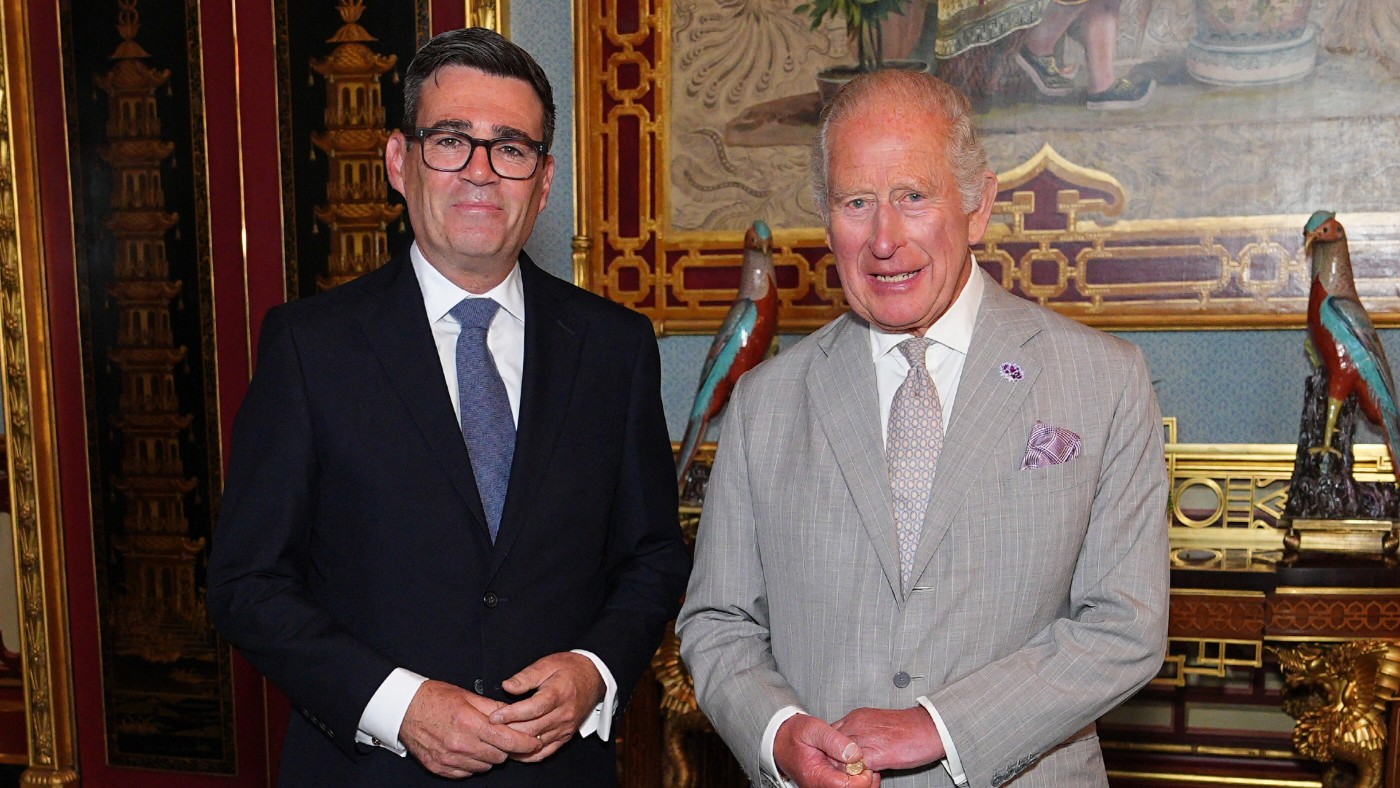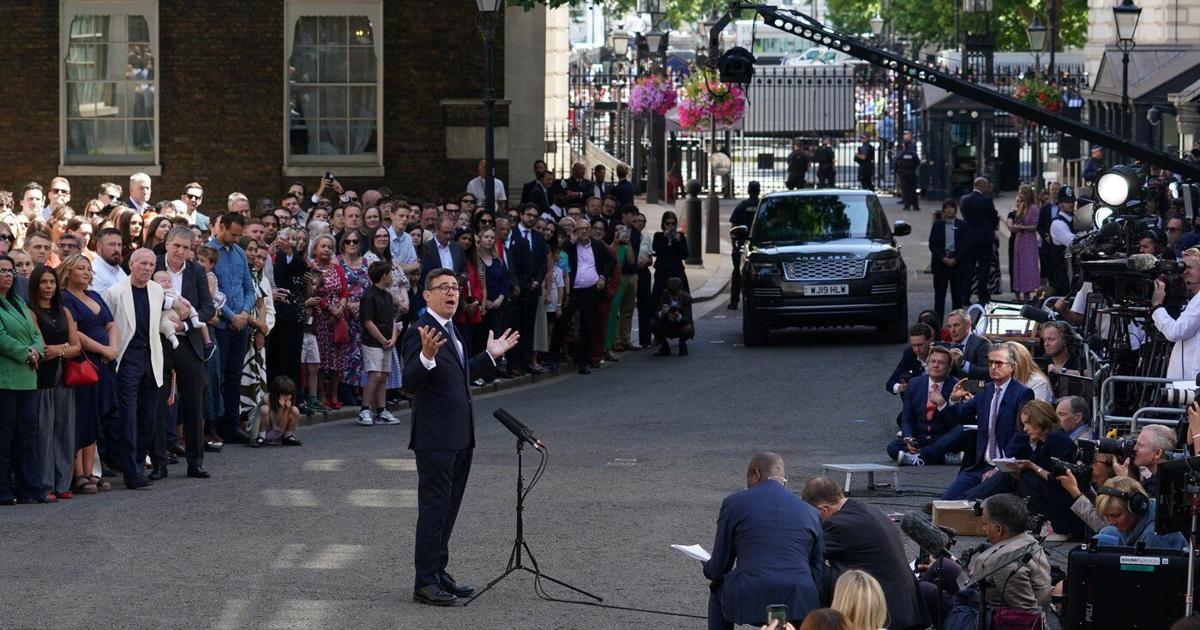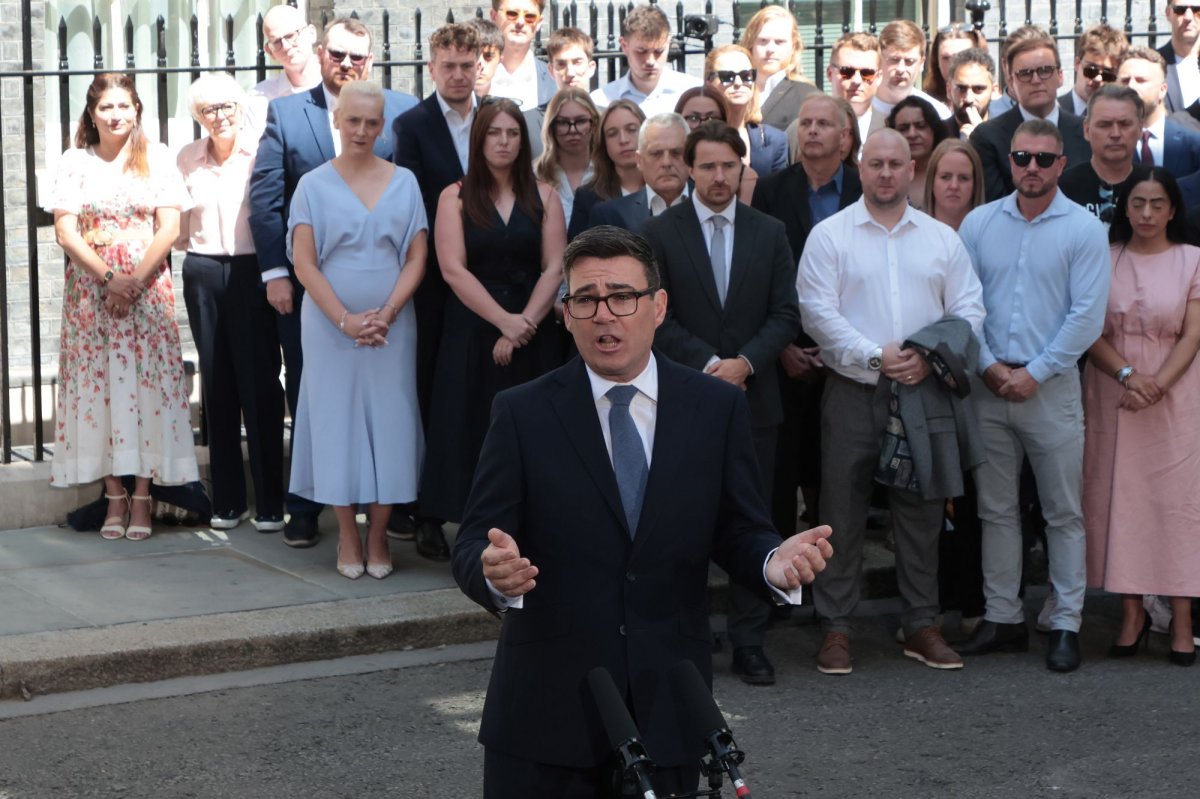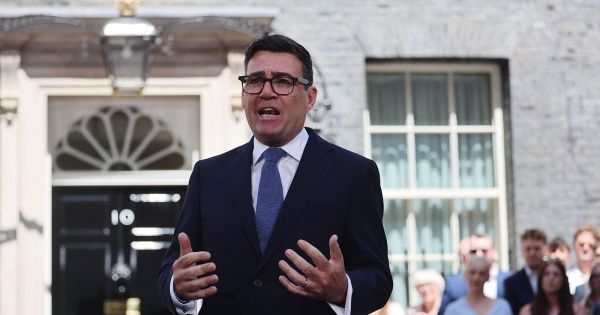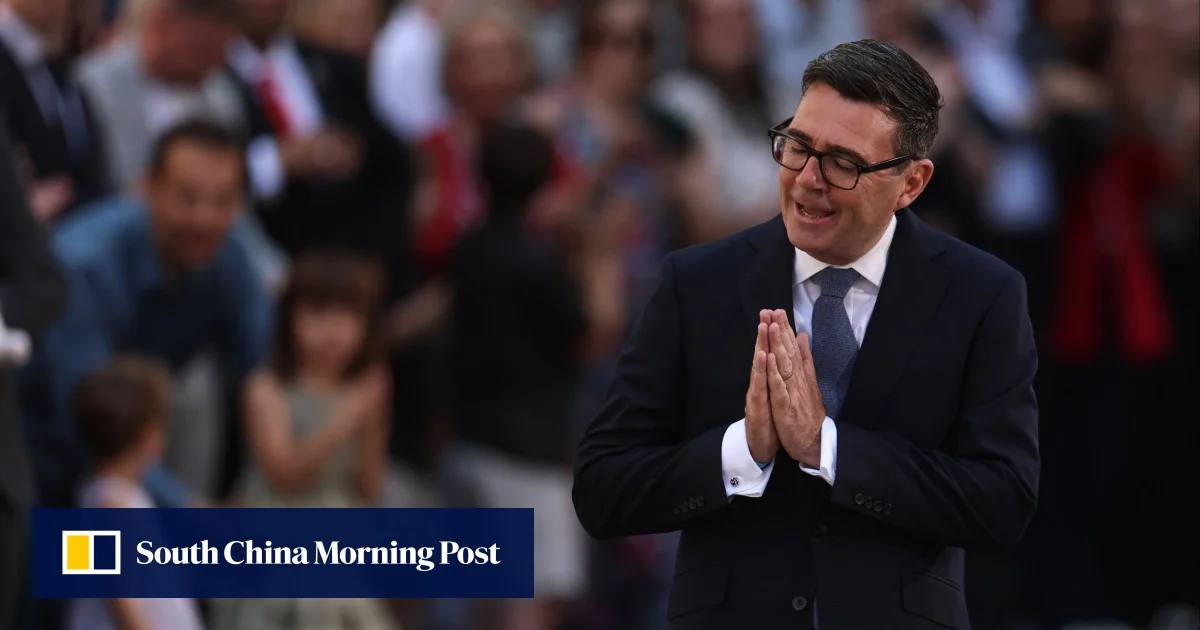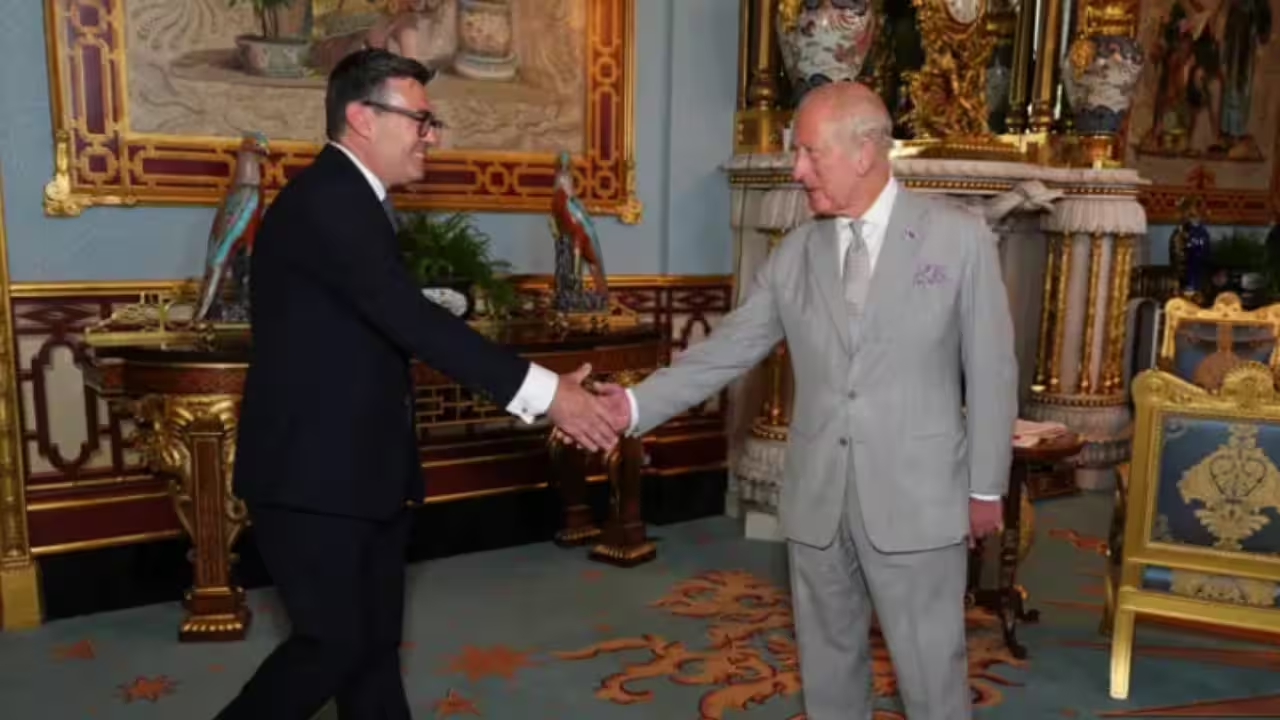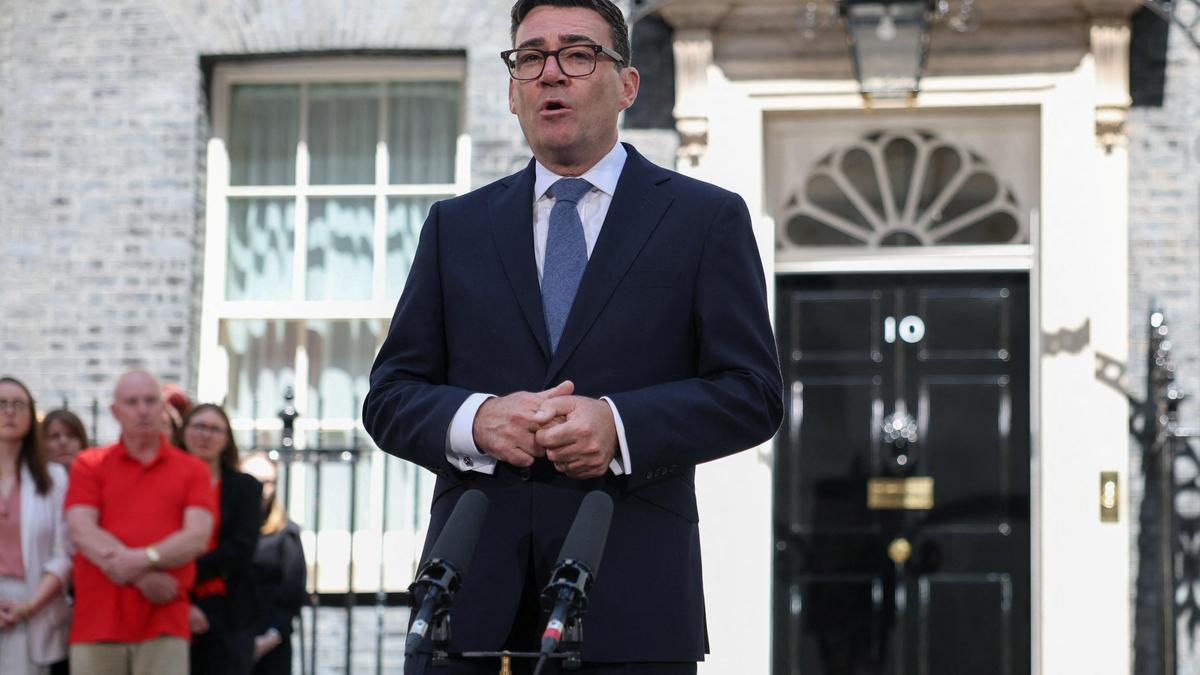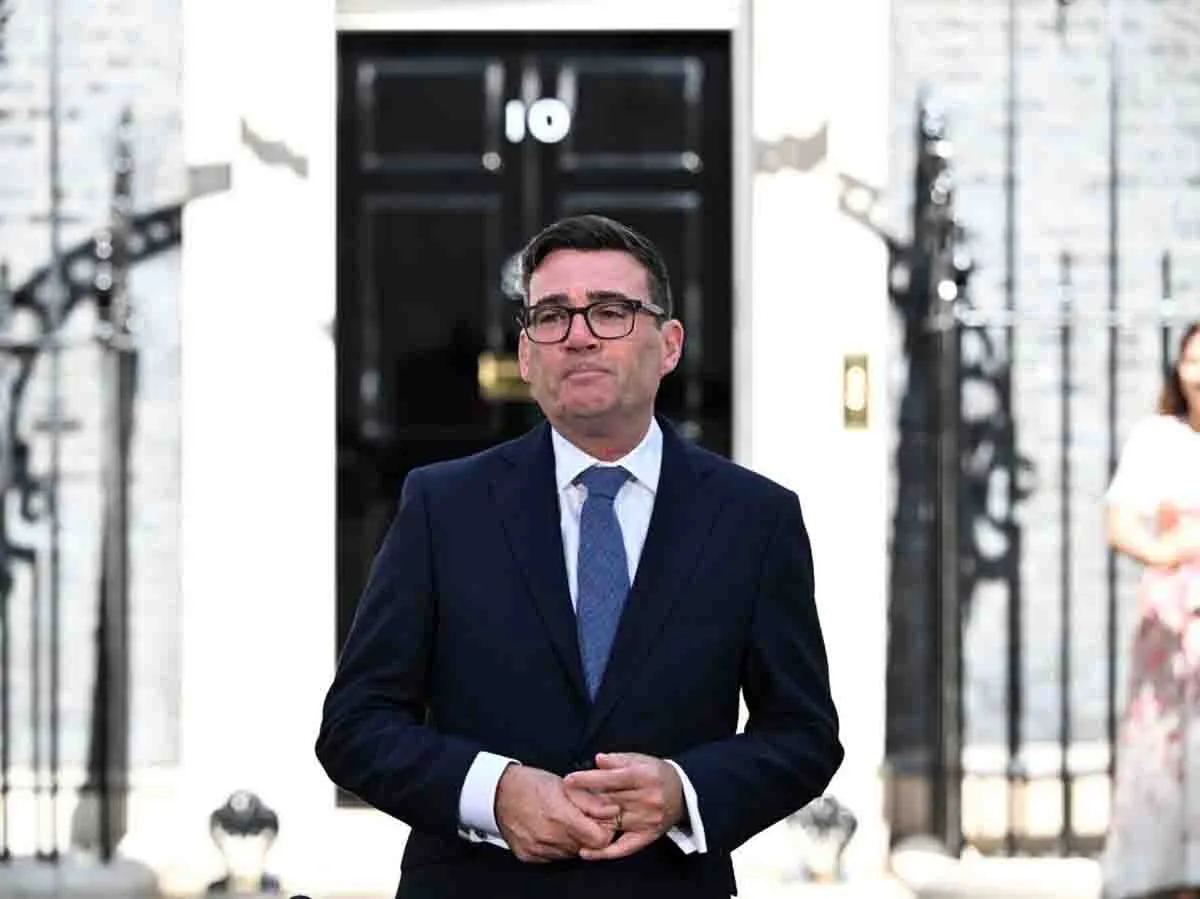
Skip to Content News Archives Economy Energy Oil & Gas Renewables Electric Vehicles Mining Commodities Agriculture Real Estate Mortgages Mortgage Rates Finance Banking Insurance Fintech Cryptocurrency Work Wealth Smart Money Wealth Management Investor Personal Finance Family Finance Retirement Taxes High Net Worth FP Comment Executive Women Puzzmo Newsletters Financial Times Business Essentials More Innovation Information Technology FP500 Podcasts Small Business Lives Told Tails Told Shopping Financial Post Store Obituaries Place a Notice Advertising Advertising With Us Advertising Solutions Postmedia Ad Manager Sponsorship Requests Classifieds Place a Classifieds ad Working Profile Settings My Subscriptions Saved Articles My Offers Newsletters Customer Service FAQ News Economy Energy Mining Real Estate Finance Work Wealth Investor FP Comment Executive Women Puzzmo Newsletters Financial Times Business Essentials HomeNewsAndy Burnham, the U.K.'s new prime minister, plegdes fresh economic model and an end to political instabilityHe is the seventh PM in just over a decade after he replacing Keir Starmer on MondayAuthor of the article:Last updated 9 minutes ago You can save this article by registering for free here. Or sign-in if you have an account.Andy Burnham promised in his first remarks as U.K. prime minister on Monday to deliver immediate and fully-costed action to reduce the cost of living in comments made outside No. 10 Downing St. in London. Photo by Chris J. Ratcliffe /BloombergAndy Burnham pledged a “new economic model” for the United Kingdom as he sought to reassure Britons his ascension as their seventh prime minister in a little over a decade would bring an end to the country’s political instability.Subscribe now to read the latest news in your city and across Canada.Exclusive articles from Barbara Shecter, Joe O'Connor, Gabriel Friedman, and others.Daily content from Financial Times, the world's leading global business publication.Unlimited online access to read articles from Financial Post, National Post and 15 news sites across Canada with one account.National Post ePaper, an electronic replica of the print edition to view on any device, share and comment on.Daily puzzles, including the New York Times Crossword.Subscribe now to read the latest news in your city and across Canada.Exclusive articles from Barbara Shecter, Joe O'Connor, Gabriel Friedman and others.Daily content from Financial Times, the world's leading global business publication.Unlimited online access to read articles from Financial Post, National Post and 15 news sites across Canada with one account.National Post ePaper, an electronic replica of the print edition to view on any device, share and comment on.Daily puzzles, including the New York Times Crossword.Create an account or sign in to continue with your reading experience.Access articles from across Canada with one account.Share your thoughts and join the conversation in the comments.Enjoy additional articles per month.Get email updates from your favourite authors.Create an account or sign in to continue with your reading experience.Access articles from across Canada with one accountShare your thoughts and join the conversation in the commentsEnjoy additional articles per monthGet email updates from your favourite authorsSign In or Create an AccountorBurnham promised in his first remarks as prime minister on Monday to deliver immediate and fully-costed action to reduce the cost of living. He described the move as the first step toward a “10-year plan” to restructure government, hand more power to local authorities and bring essential services “under stronger public control.”“I know people at home are fed up with politics — I hear you, and I want to be honest with you: We have not been good enough,” Burnham said, flanked by supporters in front of No. 10 Downing St. “We will make this moment a circuit breaker for Britain, bringing forward the biggest changes in the last 40 years: a new political model and a new economic model.”Breaking business news, incisive views, must-reads and market signals. Weekdays by 9 a.m.By signing up you consent to receive the above newsletter from Postmedia Network Inc.A welcome email is on its way. If you don't see it, please check your junk folder.The next issue of Posthaste will soon be in your inbox.We encountered an issue signing you up. Please try againAs if to underscore his efforts to appear more accessible, Burnham spoke without the usual lectern and used no notes in remarks lasting about five minutes. His updated biography page referred to him as “Andy,” rather than using his surname.Burnham’s speech included lines meant to reassure investors and Britain’s allies abroad, vowing to “meet our fiscal rules” and honour the country’s commitments on defence. The former mayor of Greater Manchester, who had little foreign policy experience before seeking the prime minister’s job, told broadcasters separately that he would speak with Ukrainian President Volodymyr Zelenskyy later on Monday.Gilts fell Monday, driven by oil prices rather than political headlines given Burnham’s ascent to power was already fully priced. Investors are focused on his pick for chancellor, with Shabana Mahmood widely expected. The 10-year yield was five basis points higher at five per cent at 2:25 p.m. London time.“There is not much to read into at this stage, and markets have shown little reaction, with the renewed commitment to the fiscal rules likely helping to prevent any spike in gilt yields,” Evelyne Gomez-Liechti, multi asset strategist at Mizuho International, said after Burnham’s speech.Burnham successfully pulled off his power-grab with very little known about his plans for office and is under pressure to offer clarity as to his policy priorities and, in particular, his approach to taxation and public spending.In his only major policy speech of his leadership campaign, Burnham majored on plans to ramp up devolution, including establishing an outpost of No. 10 in Manchester, overseeing the biggest house-building program since the postwar period and giving more control over taxation as well as services such as water, energy and transport to the regions. Andy Burnham enters No. 10 Downing St. as the 59th prime minister of the U.K. on Monday. Photo by BloombergBurnham also previously said tackling the challenge of youth unemployment and the one million young people not in work, education or training, would be a central priority and on Monday he underlined the need to look at the rising welfare bill. Rather than any specifics on benefit cuts, however, he argued reforms to education and the introduction of more employment support and better mental health support for young people, were part of a “sustainable way to bring the welfare bill down.”The new PM also said his “first instruction” after taking office would be to “end rough sleeping in our country.” This was a pledge he also made when he became mayor of Greater Manchester but, despite an initial fall in numbers after he took office, the figures then rose. Pressed on this apparent failure during a visit to a homeless shelter, which took place earlier in the day, Burnham argued it wasn’t sustainable for only one city to prioritize rough sleeping and had to be a nationwide focus to work.No. 10 confirmed the promise came with a £340 million (US$460 million) funding package to go toward providing 1,200 homes and intensive support for at least 3,000 long-term rough sleepers over a five-year period.Burnham has also hinted at plans for tax cuts for lower earners. In an interview with The Times he said efforts to characterize him as a “tax-raiser” were “simplistic.” He acknowledged people’s frustration over the decision to freeze the cap on tax-free income at £12,570 (US$17,000), suggesting he might allow the so-called personnel allowance to rise.He has promised to stick to Labour’s 2024 election not to raise income tax, national insurance and value added tax. It also commits him to the so-called triple lock guaranteeing annual rises in the state pension until after the next election. Burnham has also said he’ll stick to now-former chancellor Rachel Reeves’ budgetary rules.Helen Miller, director of the Institute for Fiscal Studies, said the scale of the promises made by Burnham would “require much more than ambition” and called for urgent clarity around the details of the plans.“Ministers and civil servants cannot hope to implement coherent policy without first knowing what they are trying to achieve,” she said, adding that Burnham will “need to be ready to put money where his priorities are” if he is to do this without diverging from the fiscal rules. “How much money to give the NHS will be a defining choice. If it continues to receive the relatively generous settlements to which it has become accustomed, many other departments will face cuts,” she said.Burnham will now turn to the crucial task of naming a government. It is a moment of political jeopardy for any leader but perhaps even more acutely so for this PM who must now try to build a coalition in a fractured party filled with MPs fearful of being dumped from office by an electorate tempted by newly prominent fringe parties on the left and right.Naming Mahmood as chancellor would be seen as a snub to Miliband, who was the early favourite for the role and instrumental in Burnham’s ascent to power. Close Burnham allies Louise Haigh, Anneliese Midgley and Deputy Labour leader Lucy Powell are all likely to be given significant roles.Earlier on Monday, outgoing Prime Minister Keir Starmer gave his final remarks from outside the black door of No. 10 before formally stepping down. Starmer had announced he was resigning in the face of consistently bad polling which intensified after poor local election results in May. Starmer, who had to contend with Donald Trump’s return in the United States and the rise of populist Nigel Farage’s Reform UK at home, gave his successor his full backing.Burnham was then driven by motorcade to Buckingham Palace, where he was formally invited by King Charles III to form a government in a ritual known as “kissing hands,” although no kissing is done these days.His ceremonial arrival at Downing Street represents a breathtaking rise for a man who had twice before sought and failed to win leadership of the Labour Party. After coming second to Jeremy Corbyn in 2015 he retreated from national politics altogether and went be mayor of Manchester — an outsider status that helped propel him back to Westminster.—With assistance from Lucy White. Join the Conversation This website uses cookies to personalize your content (including ads), and allows us to analyze our traffic. Read more about cookies here. By continuing to use our site, you agree to our Terms of Use and Privacy Policy.
Andy Burnham, the U.K.'s new prime minister, plegdes fresh economic model and an end to political instability
Andy Burnham took over the U.K.'s seventh prime minister in just over a decade after Keir Starmer stepped down on Monday. Keep reading here.
1,715 words~8 min read