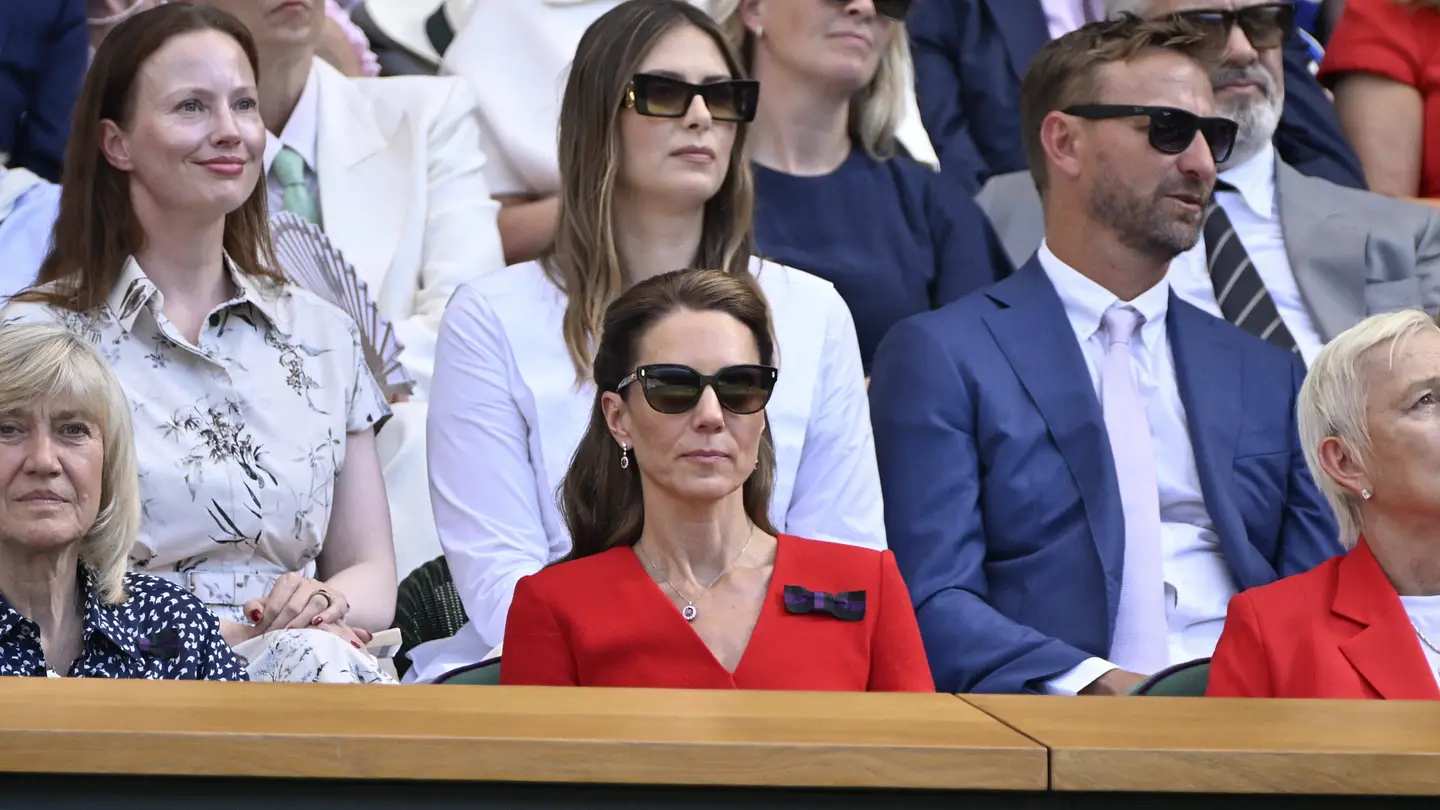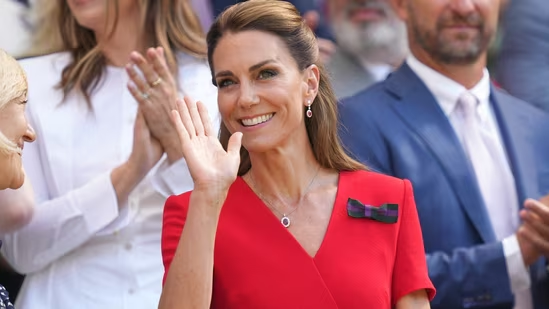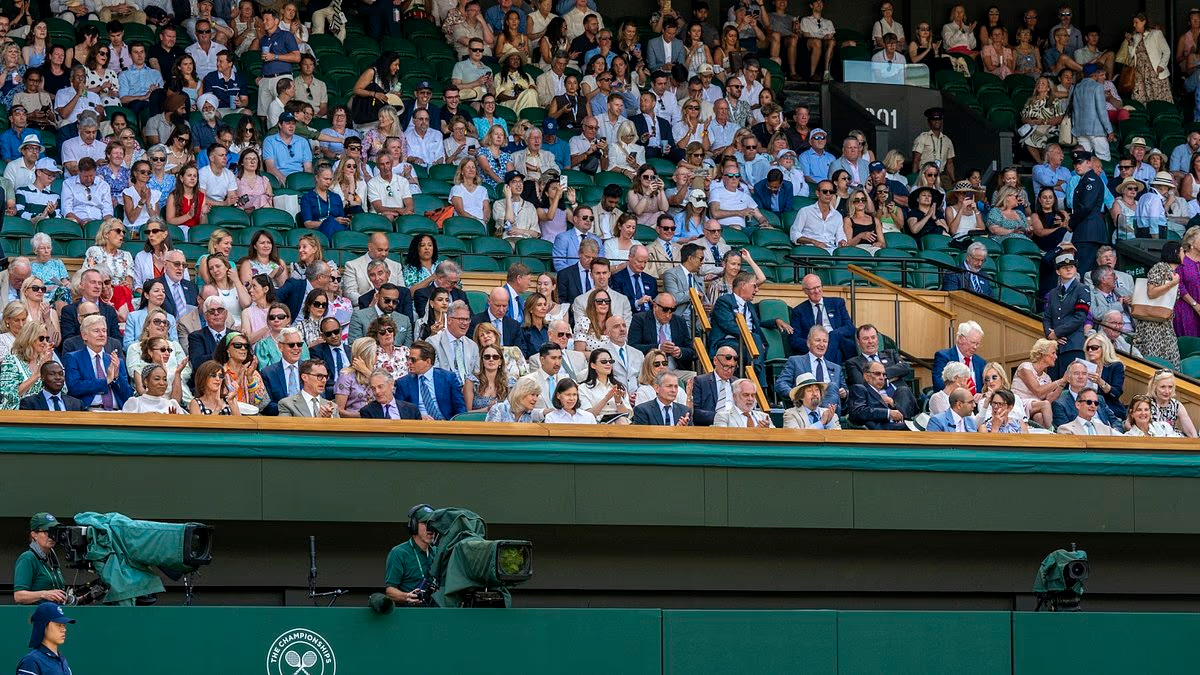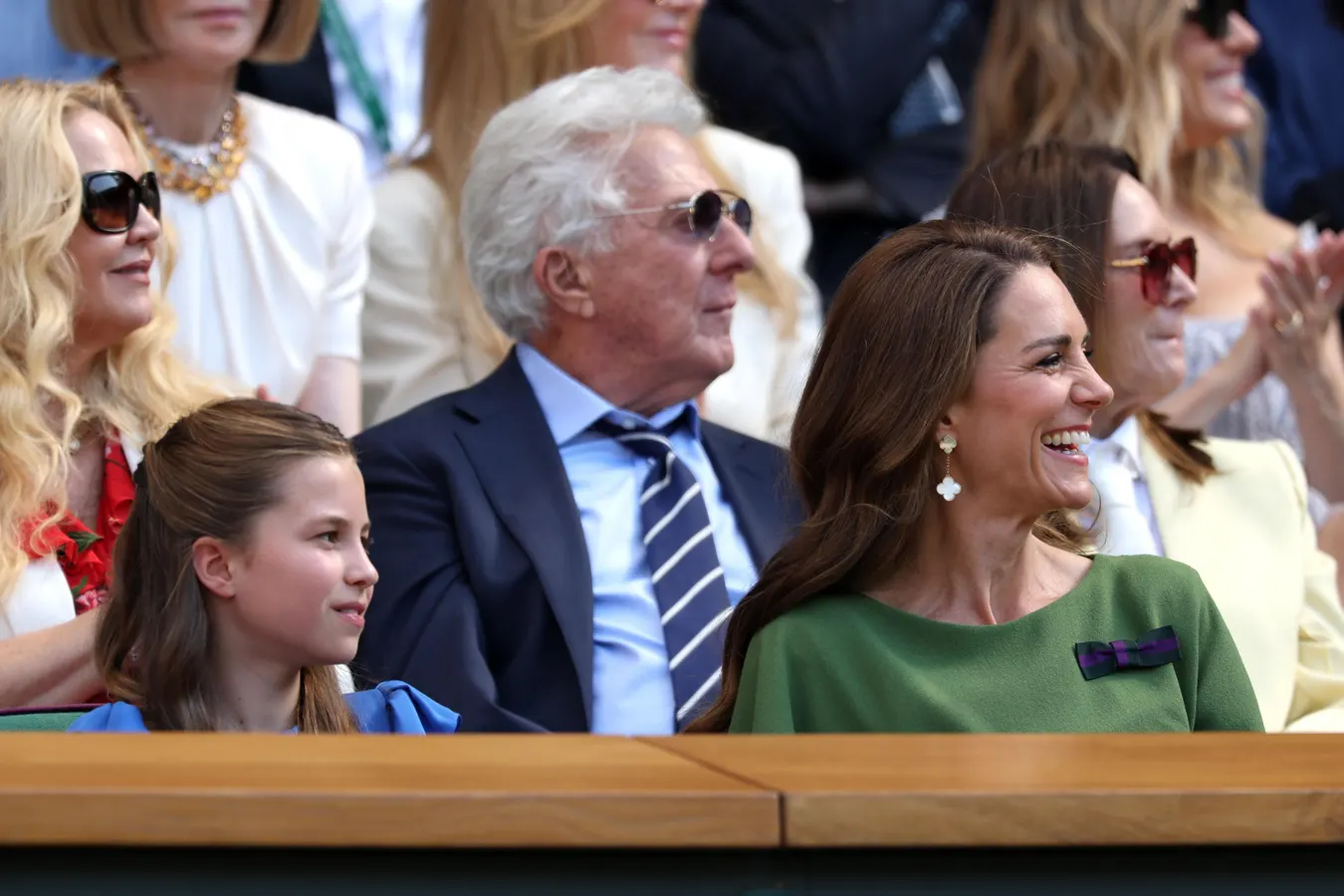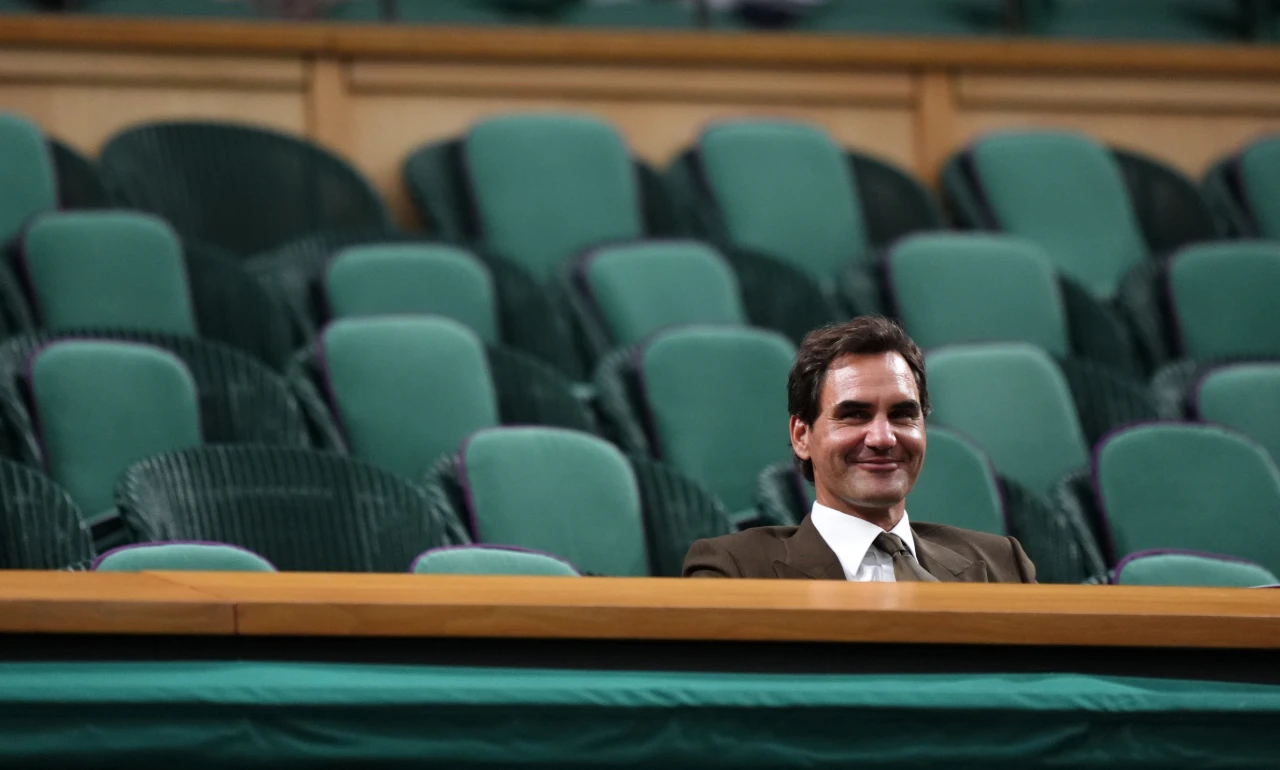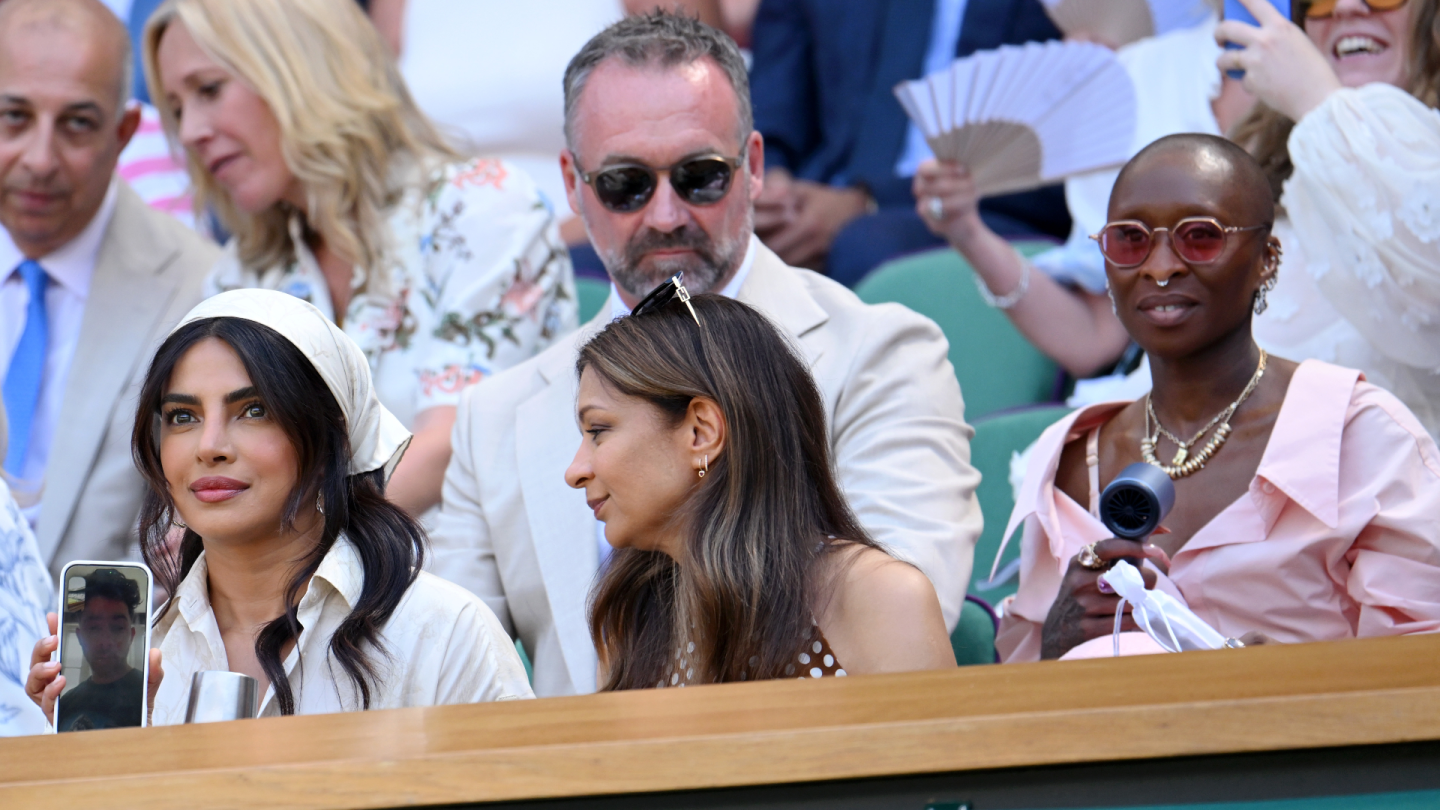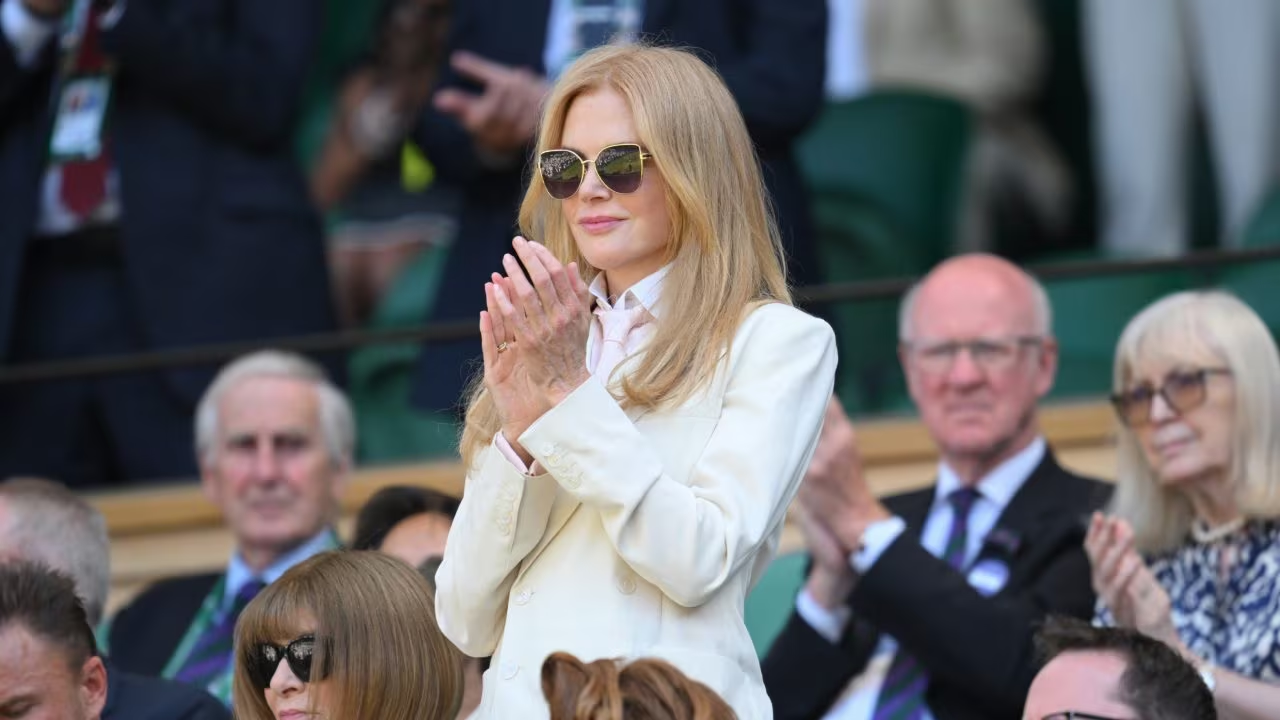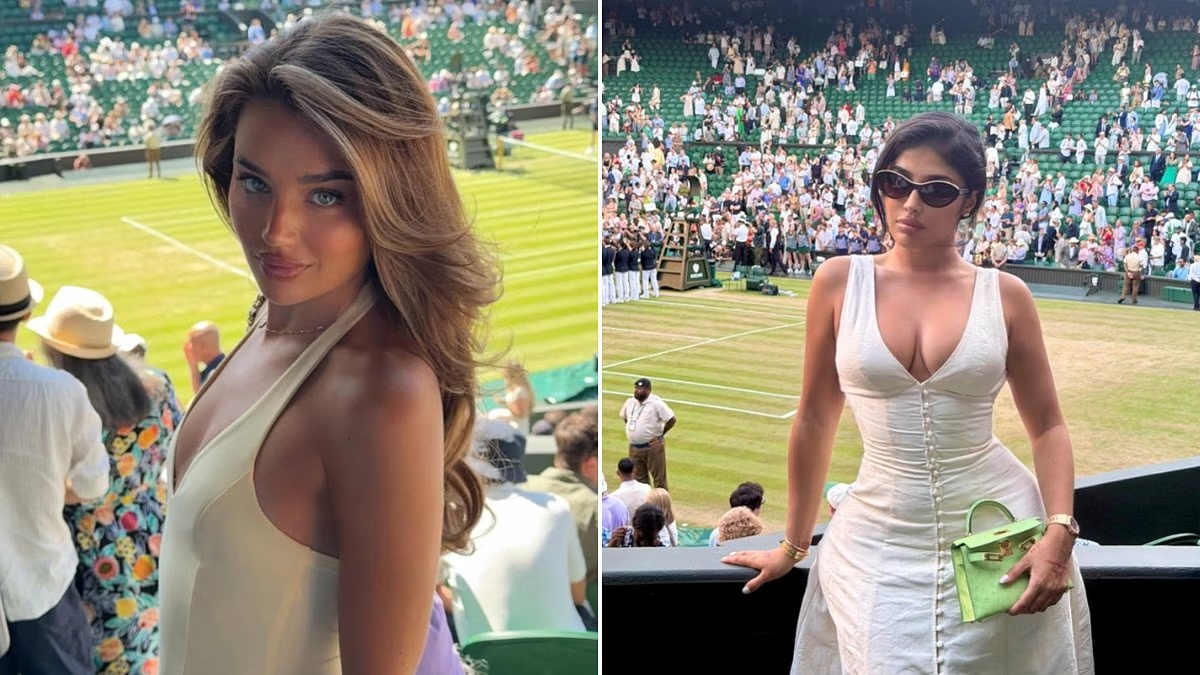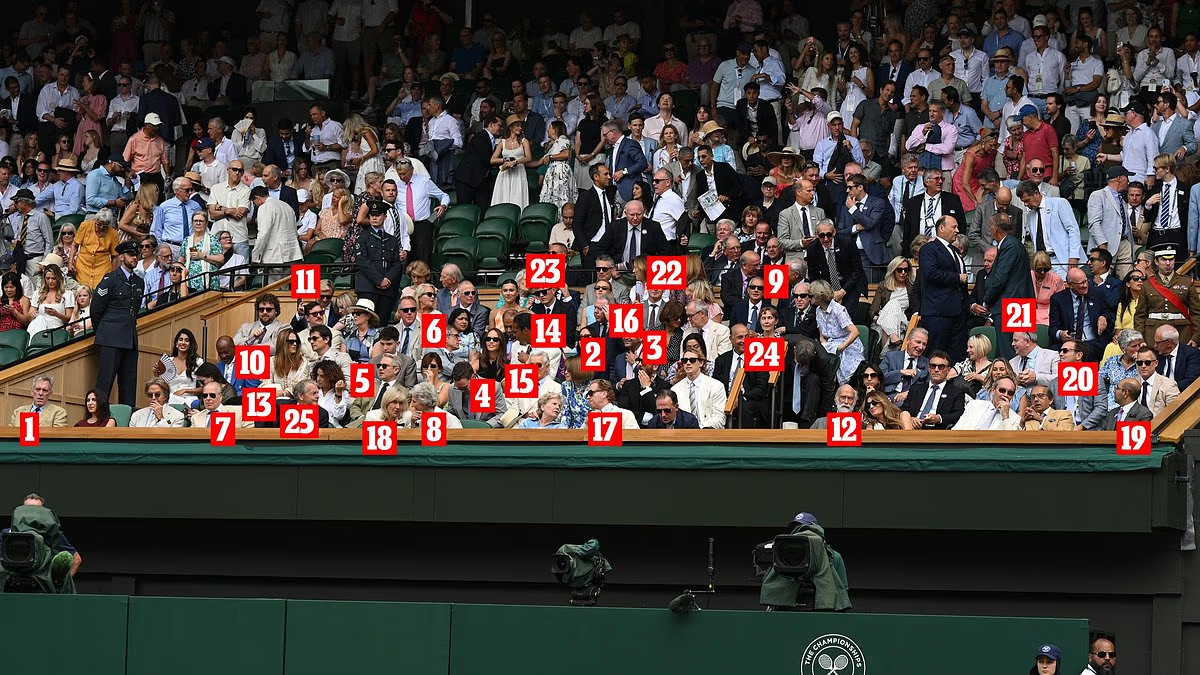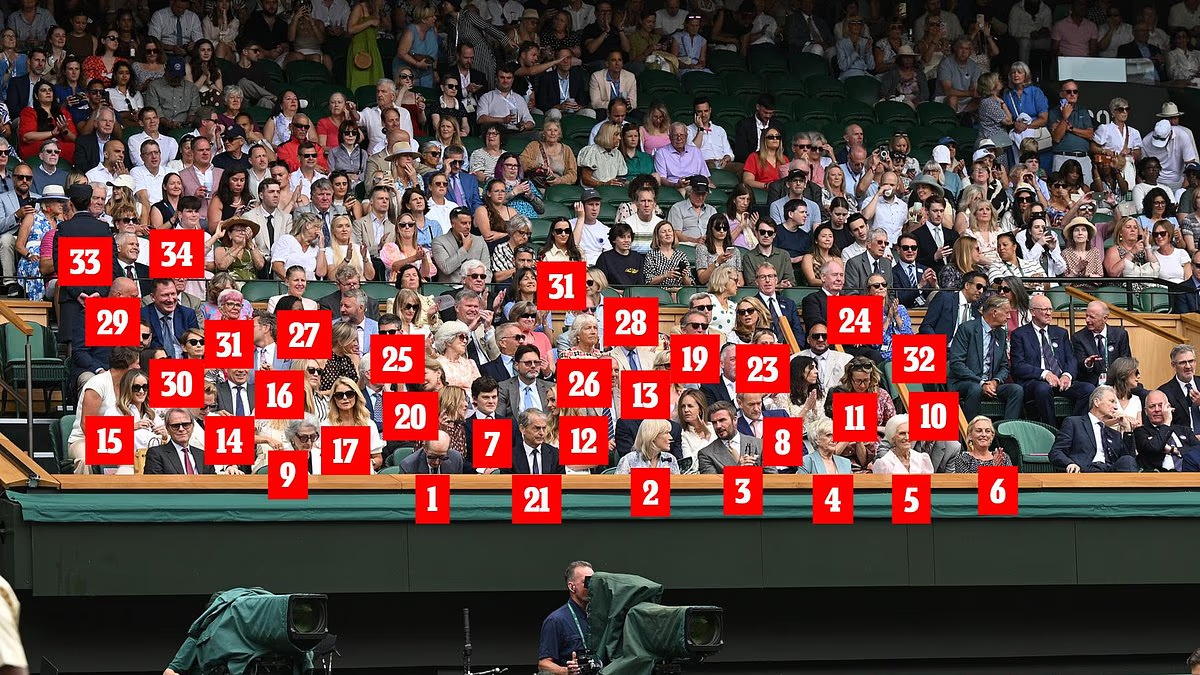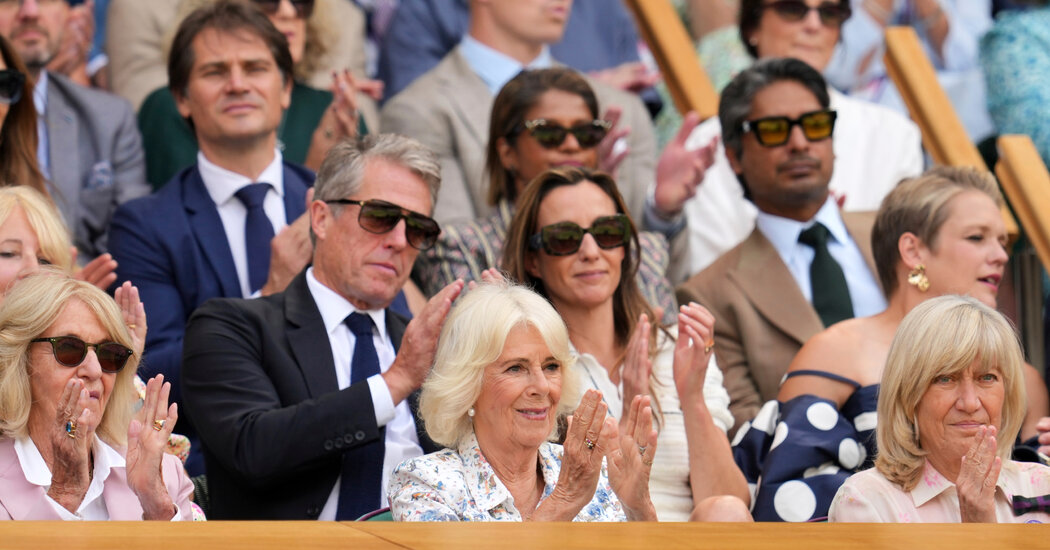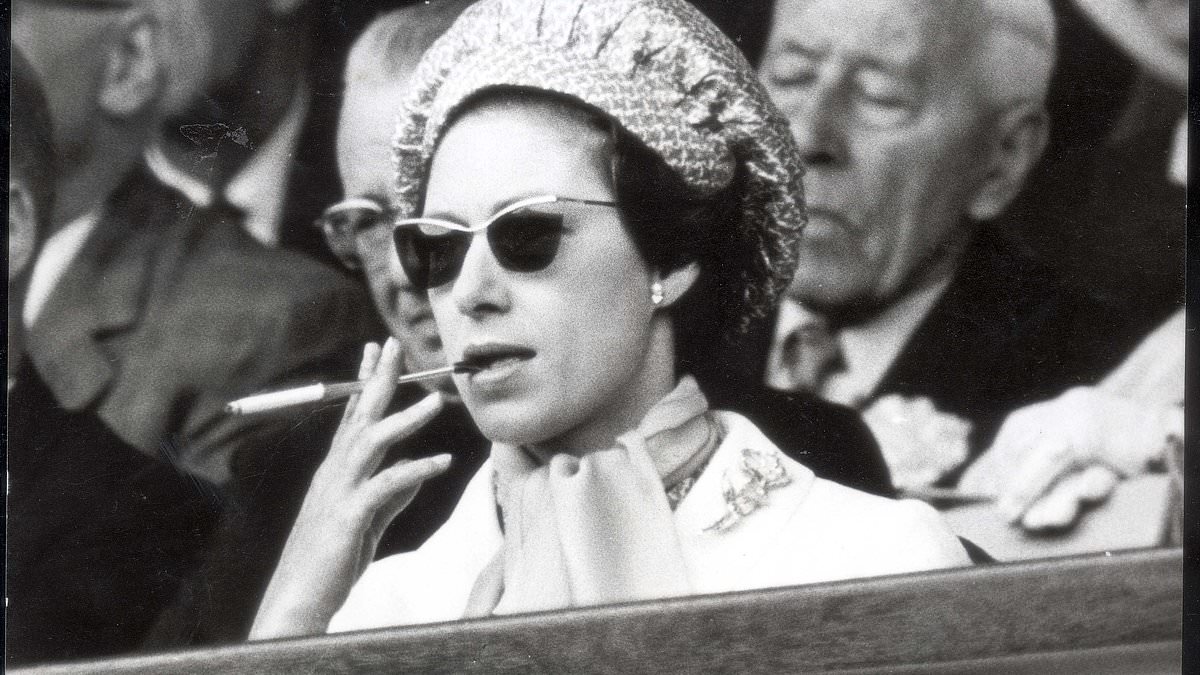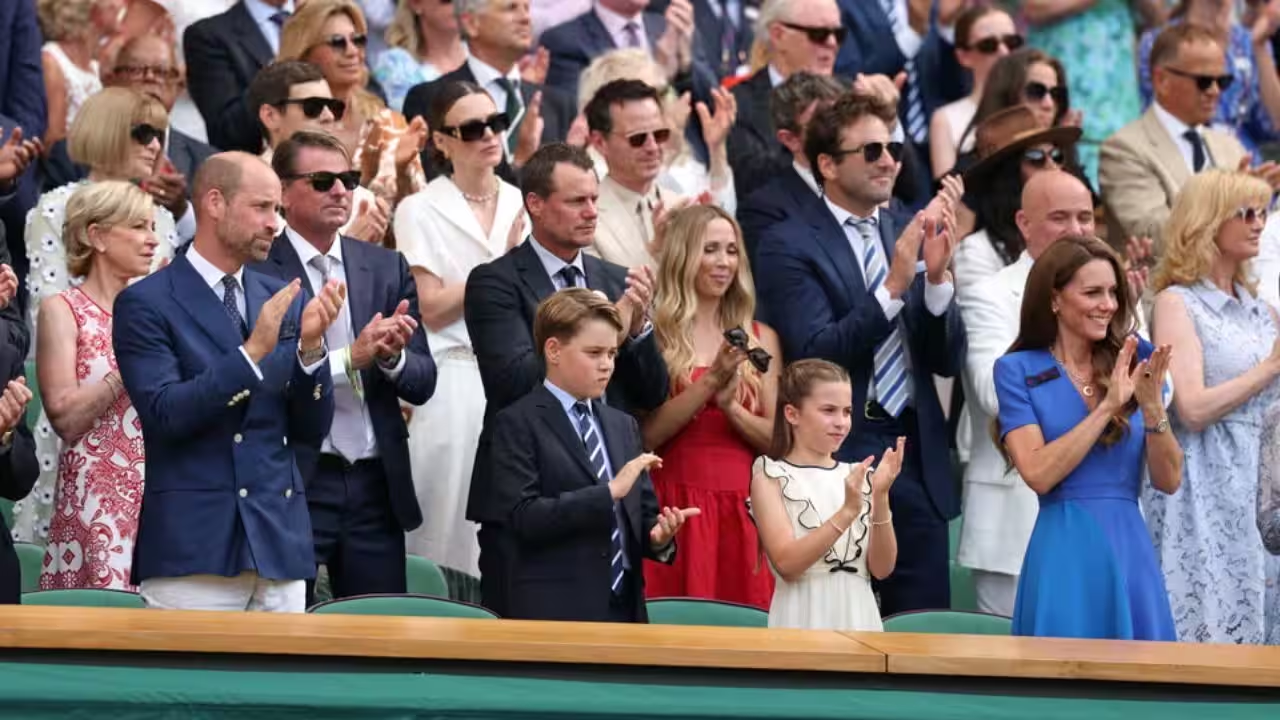
Wimbledon Royal Box (Julian Finney/Getty Images)Every Wimbledon broadcast eventually finds its way to the Royal Box. Between rallies, television cameras often focus on a row of familiar faces that can include royalty, Grand Slam champions, world leaders, actors and sporting icons. That brief glimpse raises the same question every year: who gets to sit there? Unlike luxury hospitality at most major sporting events, the Royal Box is not available to the highest bidder. It remains an invitation-only space where history, tradition and prestige carry far more weight than money, making it one of the most exclusive seats in world sport.What is the Wimbledon Royal Box and why is it so exclusive?The Royal Box occupies one of the best positions on Centre Court at the All England Lawn Tennis Club. Built in 1922 alongside the current Centre Court, it features just 74 dark green wicker chairs placed directly behind one of the baselines.Although its name suggests it is reserved only for members of Britain's royal family, that has never been the full story. Over the decades, the Royal Box has welcomed Olympic champions, former Wimbledon winners, heads of state, scientists, military leaders, business executives, prominent journalists and internationally recognized entertainers.The experience extends well beyond watching tennis. Guests invited to the Royal Box are also welcomed into the Clubhouse, where they receive lunch before play begins, followed by afternoon tea and drinks after the day's matches.Its exclusivity comes from something far rarer than expensive hospitality. There is simply no way to buy access. No premium package, resale market or corporate connection guarantees a place. Every seat is allocated through invitation alone, making it one of the few sporting experiences where wealth offers no shortcut.Who gets invited to the Royal Box?This is where things get interesting, and slightly vague. According to the All England Lawn Tennis Club, invitations go to members of British and overseas royal families, heads of government, current and former tennis players, commercial partners, representatives from the British armed forces, prominent media organizations and supporters of British tennis.What that list doesn't capture is just how wide the net actually is. David Beckham, Roger Federer, Sir David Attenborough, King Felipe VI of Spain and a rotation of entertainers, scientists and business executives have all sat in those 74 seats.The invitation process has no public criteria. As The Athletic has reported, it is essentially decided by whoever chairs the AELTC at any given time. Debbie Jevans has held that position since 2023. Before her, every chair made their own call.The informal nature of the process has occasionally caused tension. In 1999, the Duchess of Kent tried to bring the 12-year-old son of a recently deceased friend into the Royal Box. The then-chairman John Curry refused because the boy was not a royal. There was talk of the Duchess boycotting the event entirely. The rift eventually healed, but it illustrated just how guarded access was before the rules were quietly liberalised.Can you buy a Royal Box seat?No, and there is no workaround. Unlike almost every other premium experience in global sport, a Royal Box seat at Wimbledon is not available through hospitality packages, premium ticket tiers or any public channel. The seats are allocated entirely through invitation. Fame does not guarantee one. Money does not either.Lewis Hamilton found out the hard way that the Box's exclusivity cuts both ways. In 2015, he arrived at Wimbledon without a jacket and tie and was turned away from the Royal Box, missing the men's final between Roger Federer and Novak Djokovic. His spokesperson confirmed he was "very disappointed" by the misunderstanding. The dress code had simply not bent for a world champion.Why did Wimbledon stop players from bowing to the Royal Box?For decades, Centre Court followed another famous Wimbledon tradition.Players entering the court would bow or curtsy toward the Royal Box before beginning their matches. The custom reflected the tournament's close relationship with the British monarchy and remained part of Wimbledon until 2003.Former nine-time Wimbledon champion Martina Navratilova later admitted she grew fond of the ritual."When I got the hang of it, I came to quite enjoy it," she said. "I liked that part. The players walking on the court, curtsying in unison. That was a part of the great tradition here."The practice ended after Prince Edward, Duke of Kent, who served as the tournament's royal patron, felt the tradition no longer reflected modern Britain.At the time, All England Club chairman Tim Phillips explained the reasoning."The Duke of Kent feels that during his lifetime the tradition of bowing and curtseying is pretty much on the way out," Phillips said. "To do it very publicly on the centre court at Wimbledon doesn't seem right therefore."There have been rare exceptions. When Queen Elizabeth II attended Wimbledon in 2010, Andy Murray chose to bow before his match, later describing it as a once-in-a-lifetime opportunity while admitting the gesture felt "a bit awkward."What is the Royal Box dress code?Wimbledon maintains one of the strictest dress codes in sport, and the Royal Box is no exception.Men are expected to wear a suit or blazer with a tie, while women are required to dress in smart formal attire suitable for the occasion. Wimbledon also advises women not to wear large hats because they can obstruct the view of spectators seated behind them, although hats have still appeared during particularly hot afternoons, including those worn by the Princess of Wales.The rules apply equally to everyone, regardless of status or celebrity.One of the most talked-about examples came in 2015 when Formula One champion Lewis Hamilton was refused entry after arriving without a jacket and tie. As a result, he missed the men's final between Roger Federer and Novak Djokovic.A spokesperson later explained, "Due to an unfortunate misunderstanding regarding dress code, Lewis is very disappointed to have missed the men's final."Recent guidance has also reportedly clarified expectations for women's formal attire, reinforcing the tournament's preference for clothing that reflects the traditional atmosphere of the Royal Box.Why is a Royal Box invitation considered one of sport's highest honours?The Royal Box has become almost as recognisable as Centre Court itself.Its guests are regularly shown during television broadcasts, often becoming part of the day's conversation alongside the tennis itself. Yet the attention is not simply about celebrity spotting. An invitation signals recognition from one of the world's oldest sporting institutions.For athletes, it often reflects respect earned over an entire career rather than a single victory. For public figures, it represents acknowledgement of wider contributions to society. Even globally recognised celebrities cannot assume they will receive an invitation.That careful balance between sporting excellence, public service and longstanding tradition is what continues to separate Wimbledon from many other major events. While the tournament has modernised in many ways, the Royal Box still represents a link to more than a century of history. Its limited 74 seats remain among the hardest invitations to secure in international sport, ensuring that every appearance inside the famous green chairs carries significance beyond simply watching a tennis match.
Wimbledon Royal Box: All you need to know about the 74-seat VIP suite that money simply cannot buy
Every Wimbledon broadcast eventually finds its way to the Royal Box. Between rallies, television cameras often focus on a row of familiar faces that can include royalty, Grand Slam champions, world leaders, actors and sporting icons.
1,163 words~5 min read