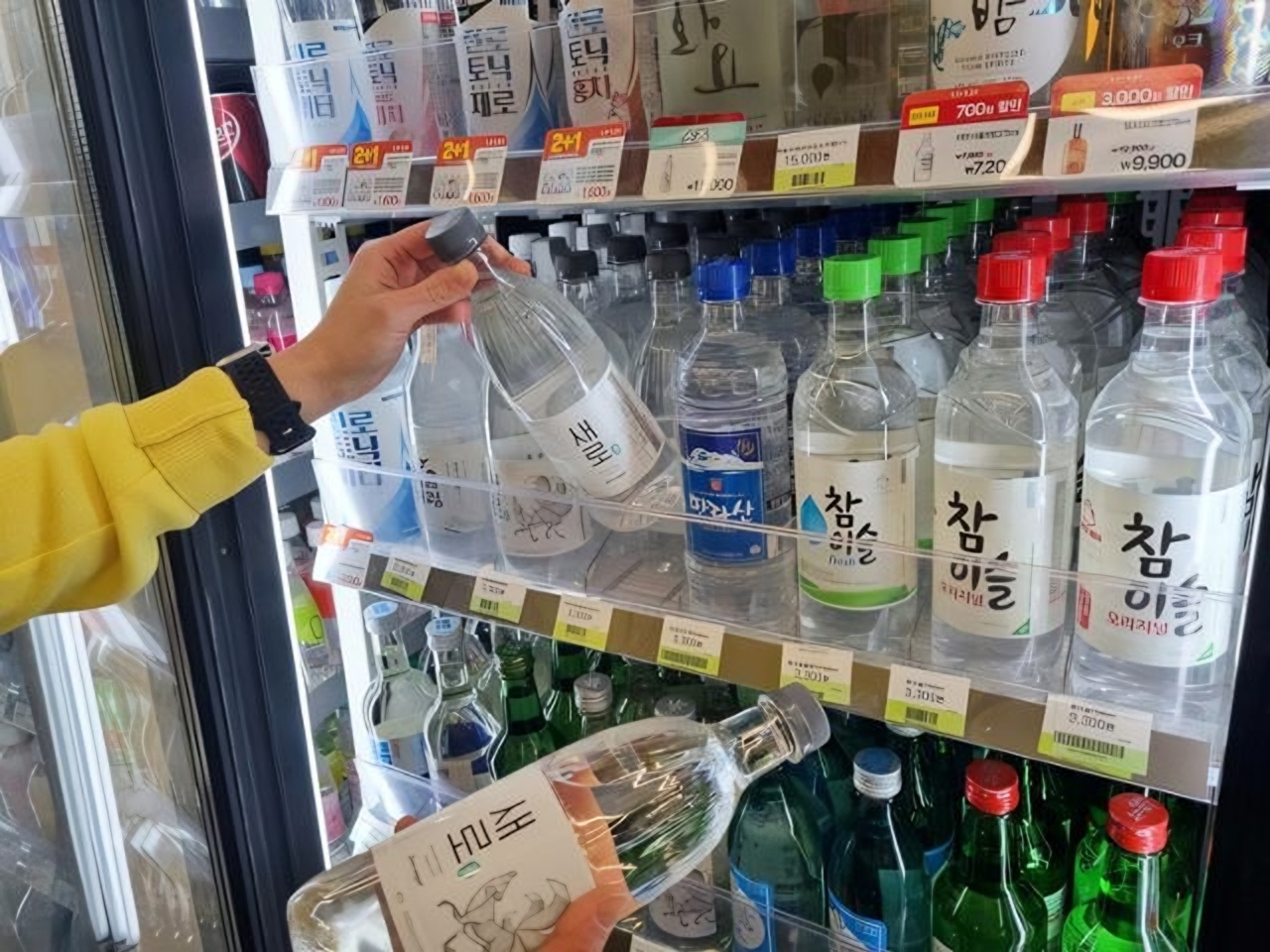
A shopper passes by shelves filled with liquor at a big-box grocery store in Seoul on Jan. 7. (Yonhap)
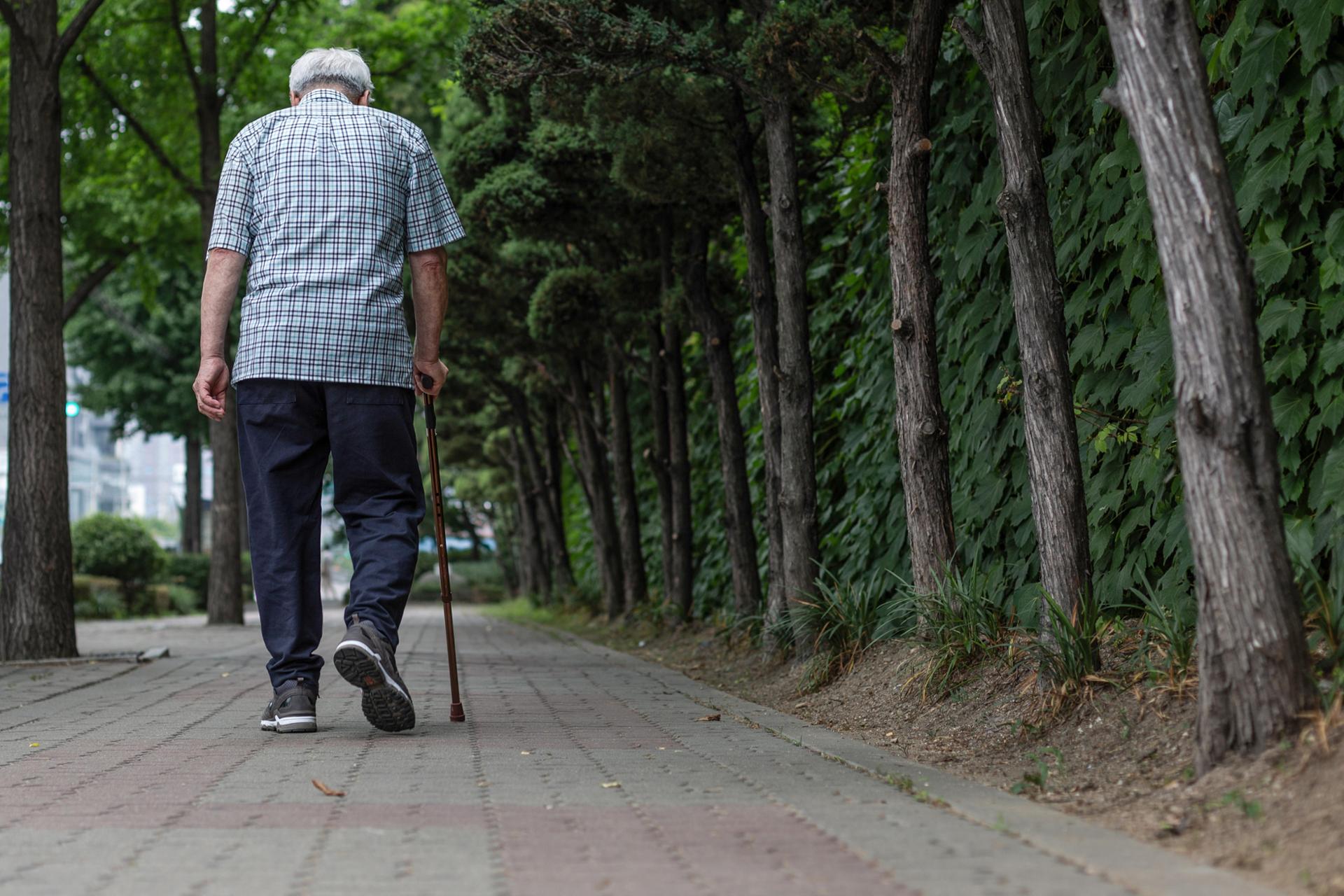
The majority are probably shabby-looking elderly people. With no job or source of regular income, they drink day and night. Occasionally, one will stumble around and lash out violently at anybody nearby — or engage in other harmful behavior. They are lonely, isolated people. With little willpower, they are incapable of fixing the habit of constantly reeking of alcohol. This is the typical media portrayal of an alcoholic, especially in Korea. This is actually far from the truth. The above description applies only to a small fraction of alcoholics. “South Korea is a country full of working, or functional, alcoholics,” said Lee Hae-kook, the director of the Korean Academy of Addiction Psychiatry and a doctor at the Uijeongbu St. Mary's Hospital. These alcoholics work full-time jobs and even achieve professional success. They have stable families. Superficially, there’s no problem at all. Highly functional or highly adaptive alcoholics can go for several years without realizing that they have a problem. On Jan. 5, the Hankyoreh met with Lee at the Catholic University of Korea Hospital’s research center for addiction. Lee is one of South Korea’s foremost authorities on addiction and the psychiatry of addiction. “South Korea has a culture that generally tolerates alcoholism, so the problem stays under the rug for longer, compared to other countries. But it’s still a problem,” Lee said. Nothing wrong on the surface, drinking frequency and habits a serious problemHankyoreh: How do you differentiate between a social drinker and an alcoholic?Lee: What people struggle with is the question of “How much and how often do I have to drink to be considered an alcoholic?” With alcoholism, it’s certain drinking patterns that are the problem — rather than the alcohol itself. It’s the inability to regulate combined with prioritizing drinking above anything else. For instance, if excessive drinking makes you late for work the next day, results in you injuring yourself, or if you have anger management issues when you drink — but continue to drink anyway, you’re probably an alcoholic. As animals with survival mechanisms, people usually have an innate ability to avoid self-harming behavior. It’s the loss of this innate ability that forms the crux of any addiction. Yet South Korea isn’t the most sensitive of countries when it comes to diagnosing addiction and addictive behaviors. Getting drunk and injuring yourself. Getting drunk and spending money you shouldn’t spend. Being late for work because you’re too hungover. People just pass these off as funny stories.Hankyoreh: Some people get drunk and do something they regret. They’ll avoid drinking for several months afterward, but then start drinking again. Do these people also lack the ability to regulate?Lee: If you get drunk and hurt yourself, or make a serious mistake. Or if your health suffers, then you probably won’t drink for a month or two afterward. But habitual drinkers will return to old patterns once they start drinking again. When it comes to alcohol, certain perceptive factors have been hardwired into their brains. When they start drinking, old patterns and learned behaviors are automatically turned on again. If the brain reactivates the circuit associated with a positive reaction from drinking to relieve stress or social drinking, then that circuit will override the initial desire to refrain from drinking.That is why anybody who has had a drinking problem will say that they need to quit, rather than cut back. Because regulating their intake is nearly impossible. The brain’s addiction circuit is like an automatic reflex. Just one circuit that leads to your past drinking habits will throw you back into old patterns, regardless of your will.