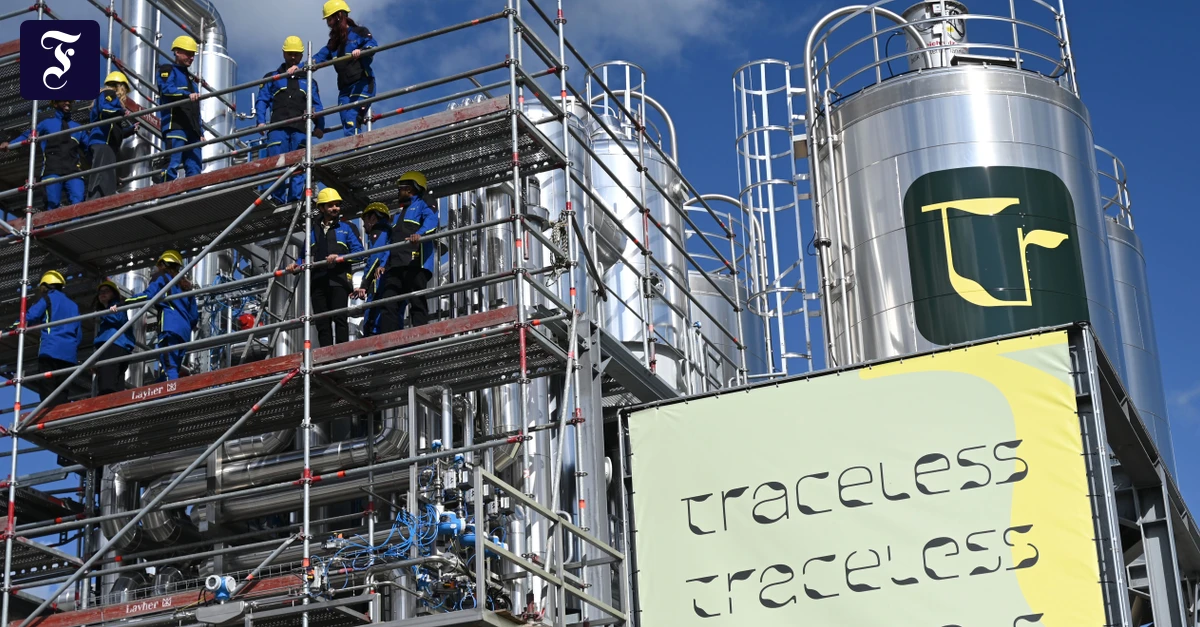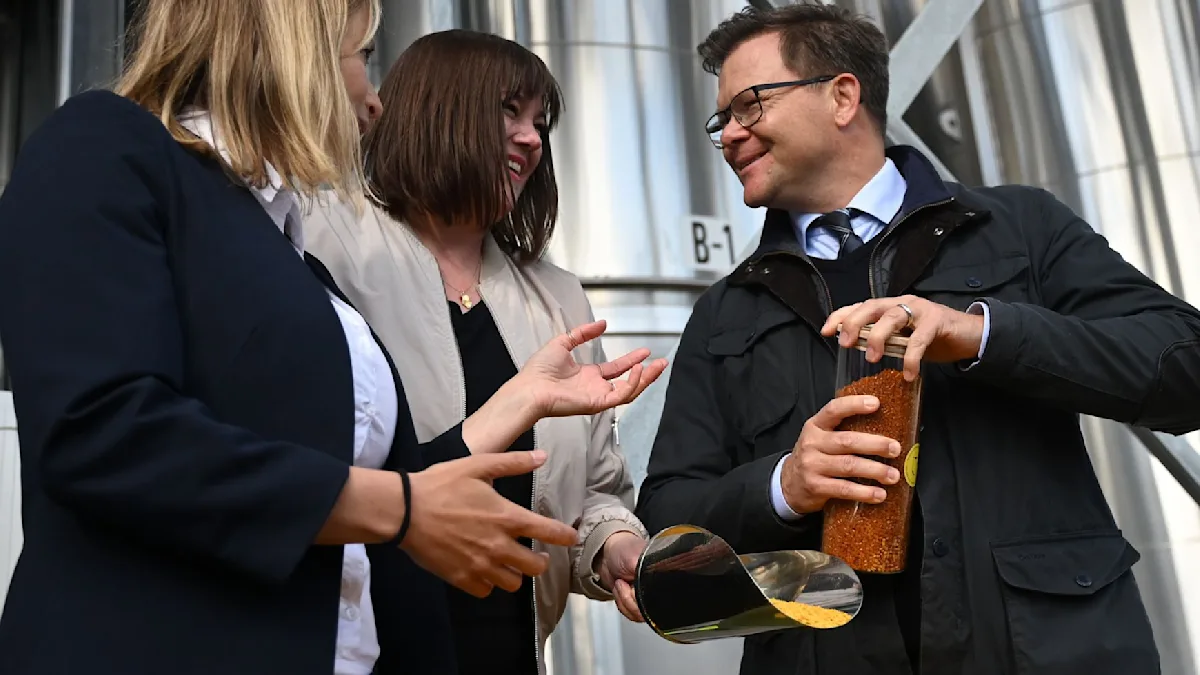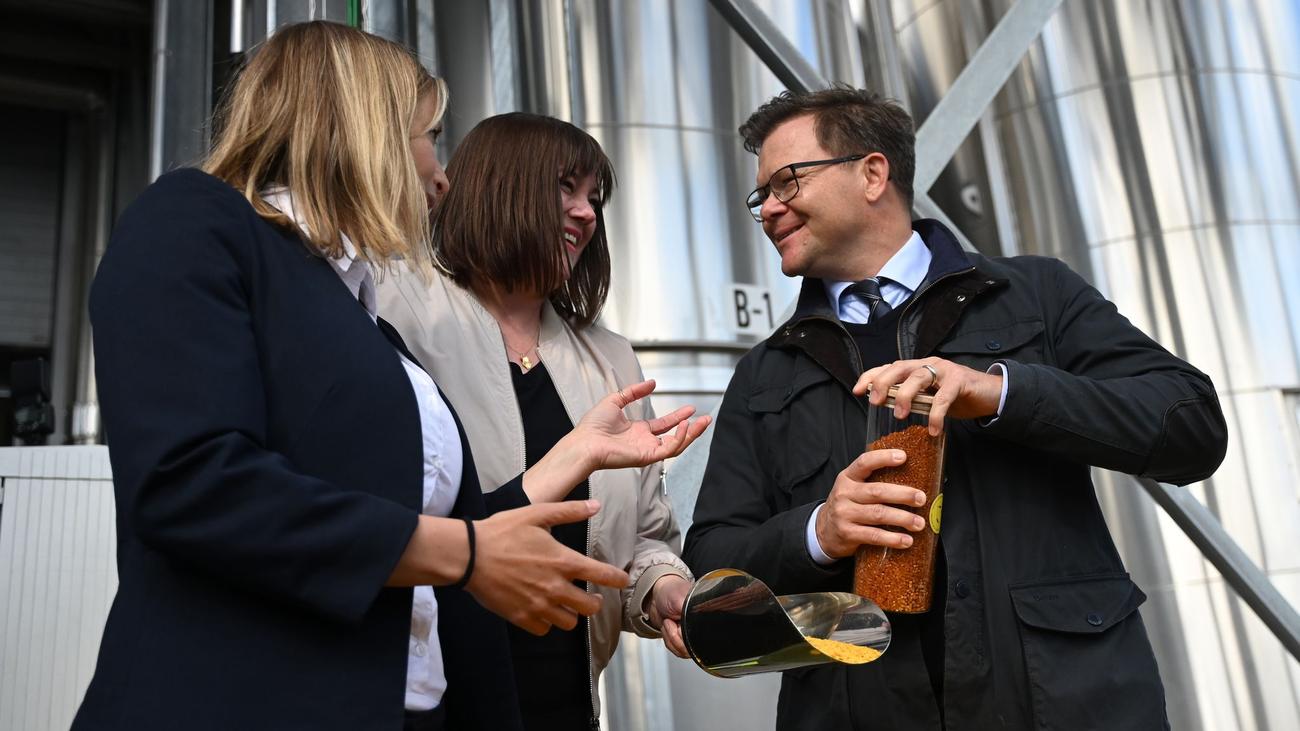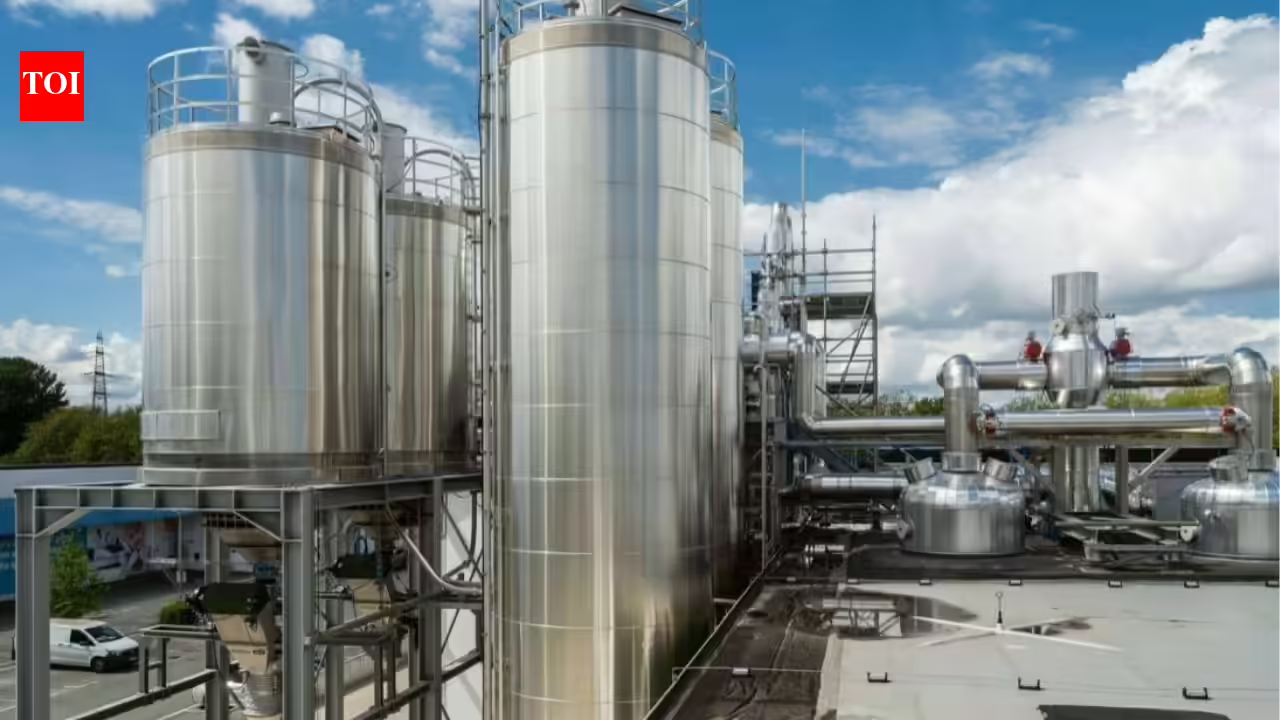
Hamburg-based materials pioneer traceless created world’s first industrial production facilitiesHAMBURG: When the world is plagued by plastic pollution, Traceless Materials GmbH, a Hamburg-based circular bioeconomy scale-up, is out to find solutions by converting agricultural industry by-products into a patented, bio-based, and home-compostable alternative to conventional plastic. Its products can be processed on existing machinery and are certified plastic-free, with an 87% - 95% lower carbon footprint than standard plastic. Traceless opened its first production facility in Hamburg in Germany on May 13, 2026. At the facility, plant-based residues from the agricultural industry are processed into an innovative material that can be used as a natural plastic substitute. It is being claimed as the world’s first industrial production facilities for a next-generation natural polymer technology with the goal to combat global plastic pollution, end dependence on fossil raw materials, and build a circular bioeconomy in Europe.Dr -Ing Anne Lamp, CEO and founder of traceless says “With this plant, our mission is entering a new phase. We are literally breaking new ground. We are creating the world’s first industrial production capacities for thermoplastic natural polymers that can be used directly as plastic substitutes.”Carsten Schneider, Federal Minister for the Environment, Climate Action, Nature Conservation and Nuclear Safety, attended the official opening on May 13 stating “This is the sort of idea we need for effective climate and environmental protection, an innovative biomaterial that requires no fossil fuels, is made from plant-based residues and is completely biodegradable solves several problems at once. It can replace conventional plastic and reduce CO2 emissions and water consumption. This technologyhelps combat plastic pollution, protects wildlife and makes us less dependent on fossil fuel imports from abroad.”Natural polymers—such as cellulose, lignin, starch, or proteins—are long-chain molecules of natural origin and form the basis for familiar products like paper and cotton. A new generation of materials is currently emerging that significantly expands the range of applications for natural polymers. Traceless’ patented technology relies on a special extraction process that utilizes natural polymers from plant based industry residues without modification of their natural chemical structure. The resultinggranulates are bio-based, home-compostable, and by definition not plastic. The material’s thermoplastic properties allow for further processing using standard industrial technologies. This enables the material to replace plastics in applications where technical recycling is difficult or where products easily end up in the environment—such as in single-use items, packaging, paper coatings or adhesives.The production process is based on renewable raw materials, is resource-efficient, and enables local supply chains. Compared to conventional plastics, it reduces CO2 emissions by 91% during both production and disposal.The Hamburg facility brings together production, sales, product and technology development, as well as logistics and administration. With a capacity of approximately 3,000 tons of traceless material per year, the facility will serve renowned pioneering customers in the future—such as the paper and packaging manufacturer Mondi, the e-commerce company OTTO, and the distribution partner Biesterfeld.
Hamburg-based materials pioneer traceless created world’s first industrial production facilities for next-gen natural polymer technology
HAMBURG: When the world is plagued by plastic pollution, Traceless Materials GmbH, a Hamburg-based circular bioeconomy scale-up, is out to find solutions by converting agricultural industry by-products into a patented, bio-based, and home-compostable alternative to conventional plastic. Its products can be processed on existing machinery and are certified plastic-free, with an 87% - 95% lower carbon footprint than standard plastic.
482 words~2 min read