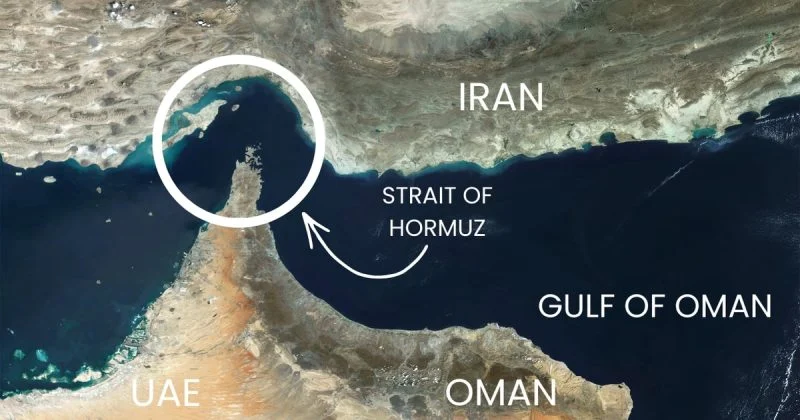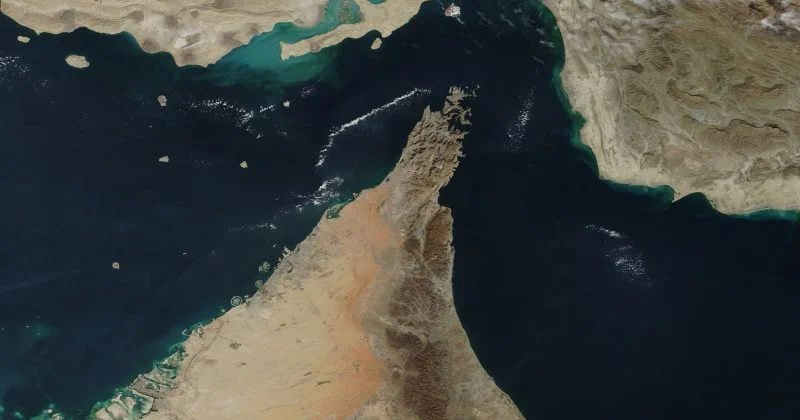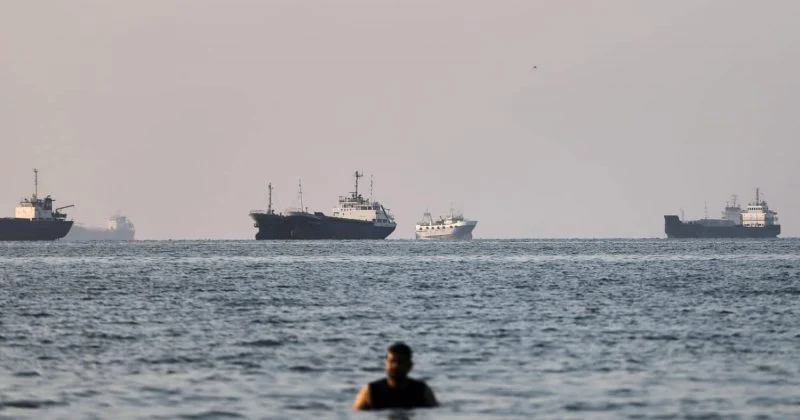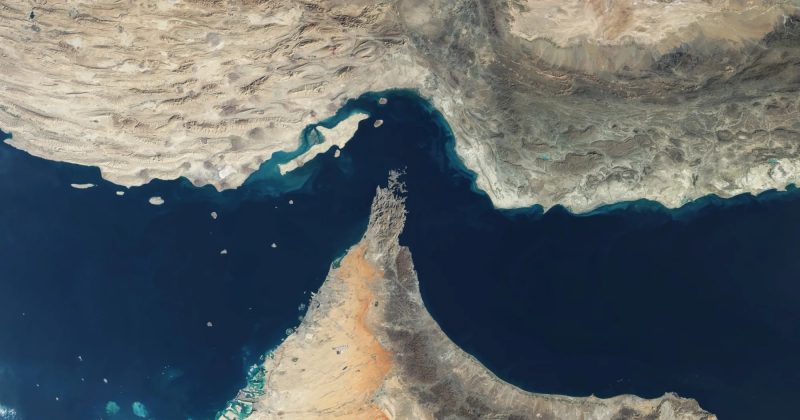
Washington’s Ambassador to NATO, Matthew Whitaker, clarified that the Iran-US interim deal is “performance-based,” with a key condition being that Tehran must refrain from threatening vessels in the Strait of Hormuz. This announcement comes as part of the ongoing efforts to maintain the ceasefire established by the June 17, 2026 Memorandum of Understanding (MoU), brokered by Pakistan to end hostilities between Iran and the United States. The MoU, which mandates the reopening of the strategic strait for toll-free commercial passage, requires Iran to ensure the safe passage of vessels, a condition underscored by Whitaker’s statement. This condition is critical for Iran to receive sanctions waivers and permissions for oil exports.
The market for the Strait of Hormuz traffic normalization by August 31 currently shows a 17.5% likelihood of resolution in favor of YES, reflecting a decrease from 36% a week ago. This decline suggests skepticism among market participants regarding the complete implementation of the MoU conditions by Iran, despite the recent diplomatic clarifications. The activity indicates that Whitaker’s statement has not yet significantly shifted perceptions regarding the likelihood of increased traffic through the strait.