Pakistan’s virtual assets regulator is trying to thread one of the more delicate needles in global crypto policy: how to build a digital asset framework in a country where Islamic law carries enormous weight and a prominent scholar just declared crypto payments off-limits.
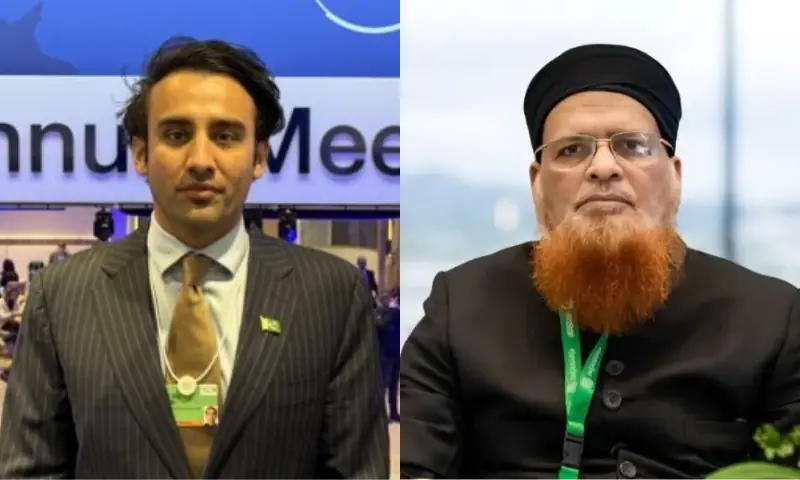
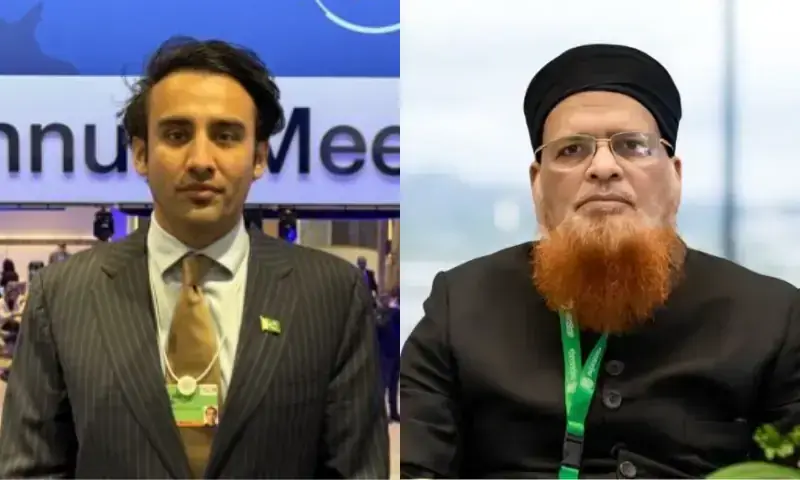
Bilal Bin Saqib, chairman of the Virtual Assets Regulatory Authority (PVARA), met with renowned Islamic scholar Mufti Muhammad Taqi Usmani around July 11 to discuss the treatment of digital assets under Shariah law. The meeting followed a fatwa issued on June 10 that declared purchases of goods using digital assets, including stablecoins like USDT, impermissible under Islamic principles.
The core issue: the fatwa classified digital assets as failing to qualify as legitimate wealth, or “maal,” under Shariah. That distinction matters enormously in a Muslim-majority country of over 230 million people.
What the fatwa actually means
The June 10 fatwa specifically targeted the use of digital assets for purchasing goods and services. It singled out stablecoins like USDT, arguing they don’t meet the threshold of recognized wealth under Islamic jurisprudence.