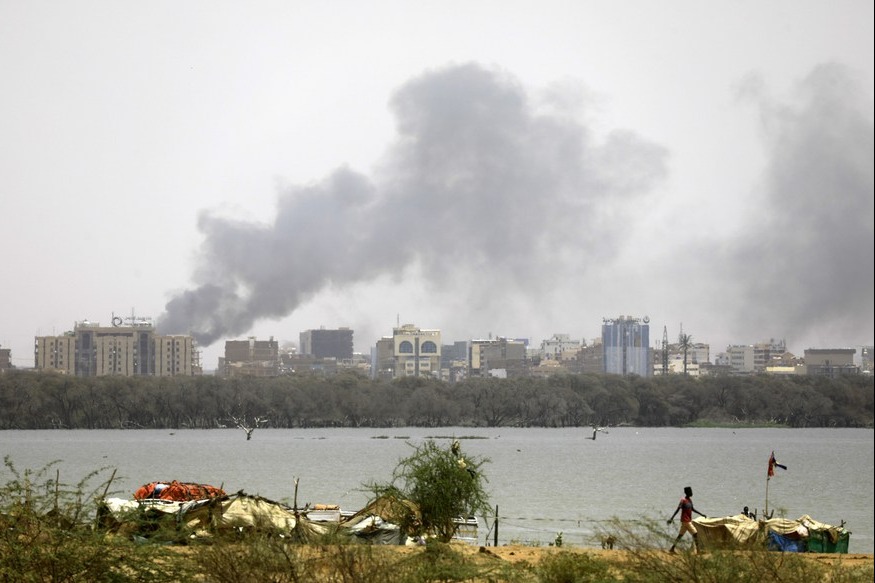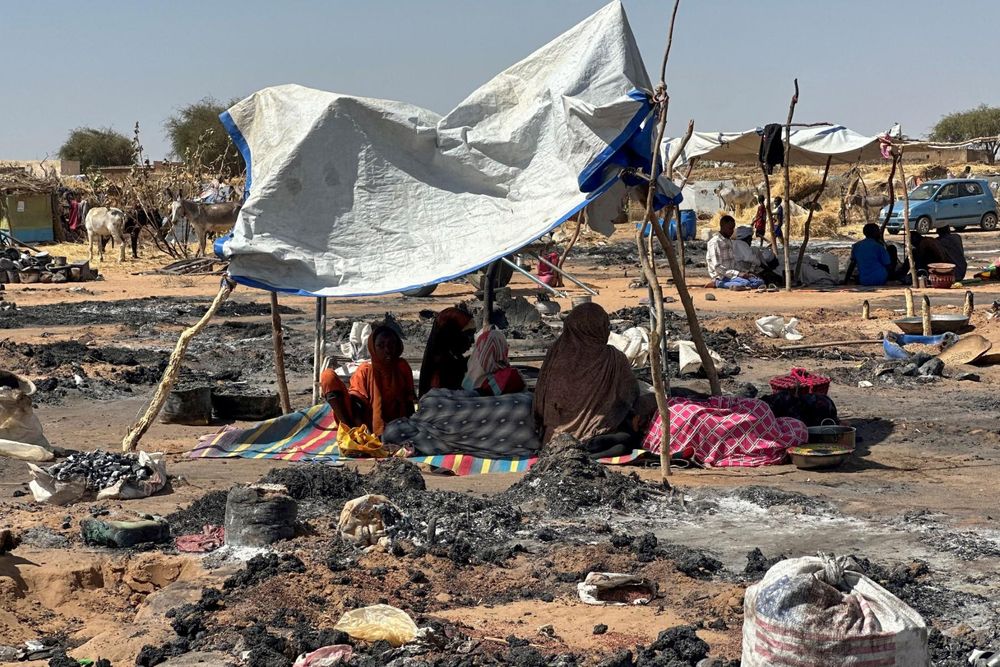
Displaced Sudanese people who left El-Fasher after its fall, sit in the shade in Tawila amid the remains of a fire that broke out in the camp on February 11, 2026.
Lesley Connolly
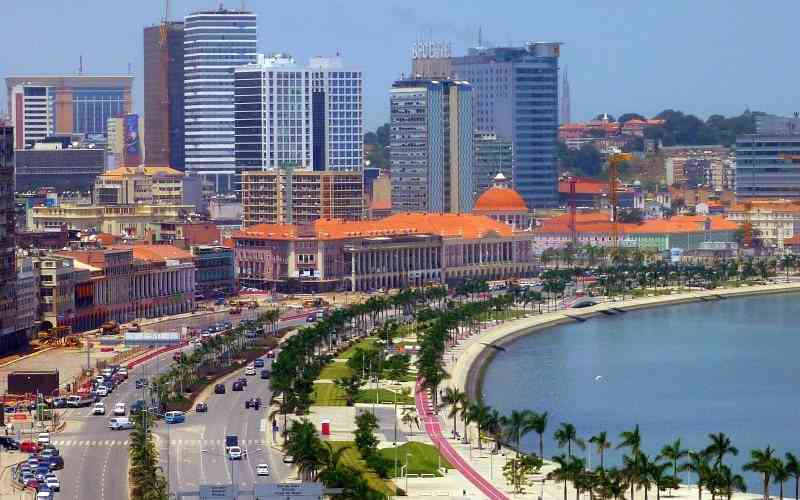
On 1–2 August 2026, Heads of State will gather in Luanda, Angola, for an Extraordinary Summit of the African Union (AU) on Strengthening Mechanisms for Conflict Prevention and Resolution in Africa.
The convening is itself a signal – a formal acknowledgement by African leaders that the continent’s peace and security architecture has not delivered the level of prevention that Africa urgently needs.
Peace support operations are deployed after displacement has begun. Ceasefires are brokered after civilians have been killed. Transitional justice frameworks are designed after institutions have collapsed. The AU’s Peace and Security Architecture (APSA) is sophisticated and increasingly capable, but it remains disproportionately oriented toward managing crises rather than preventing them.