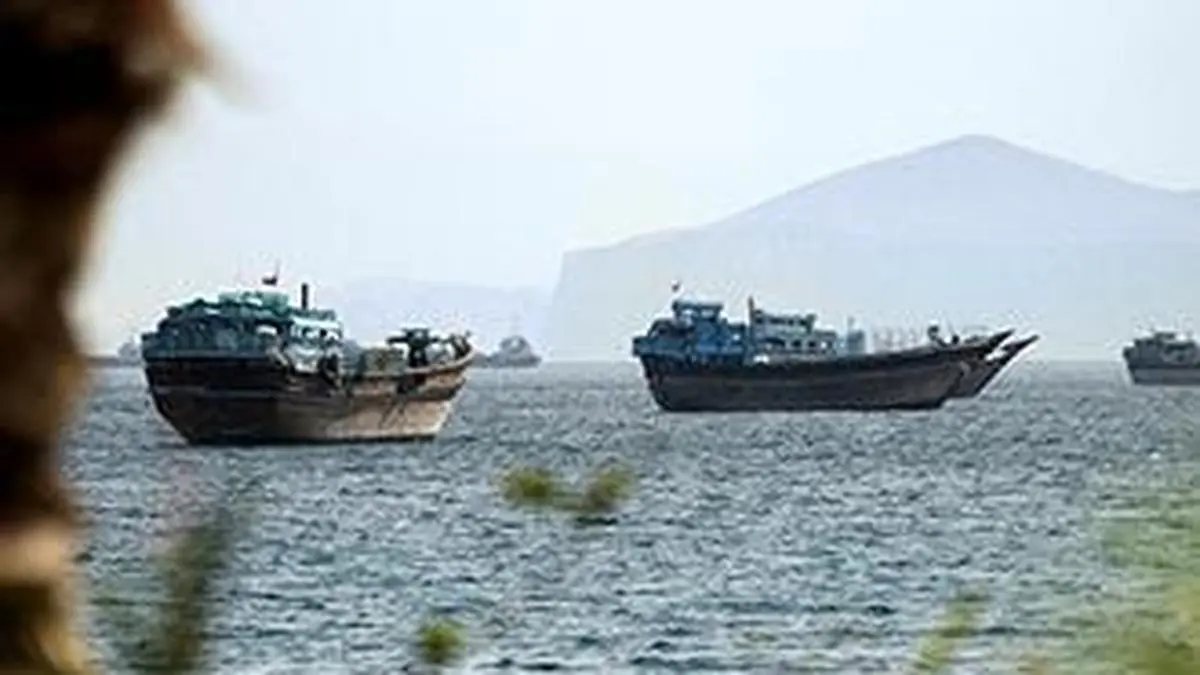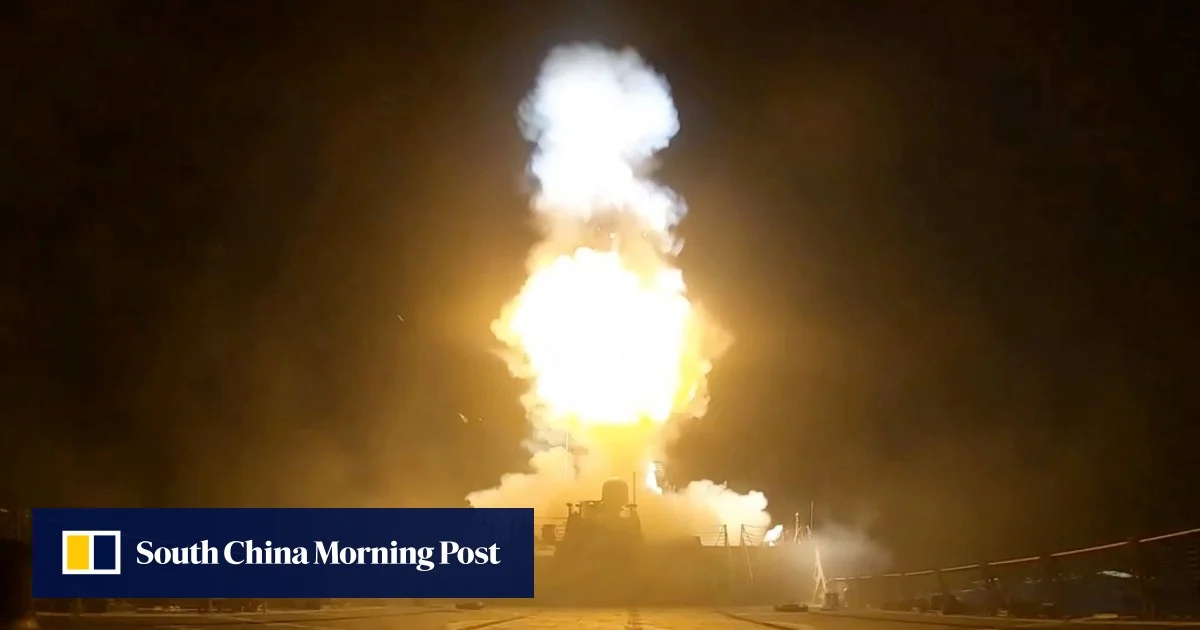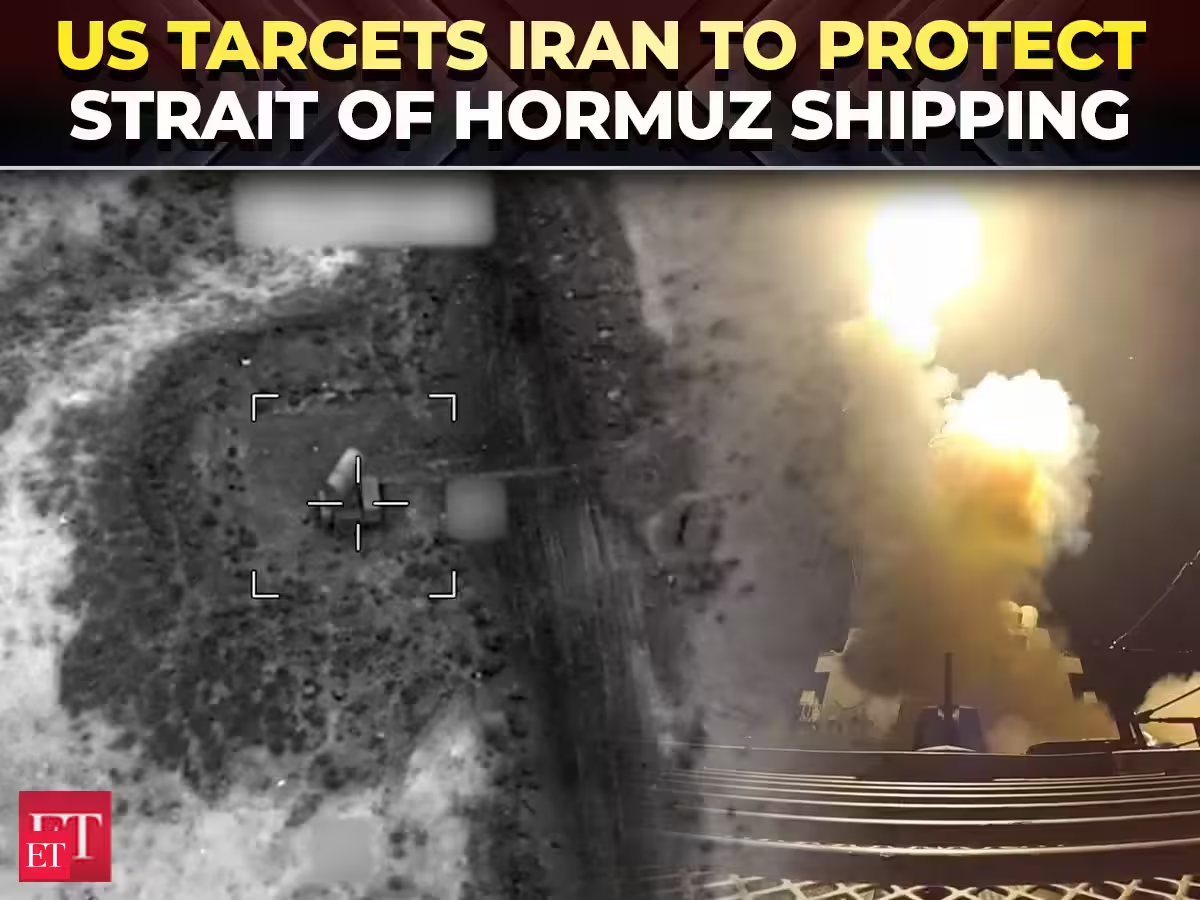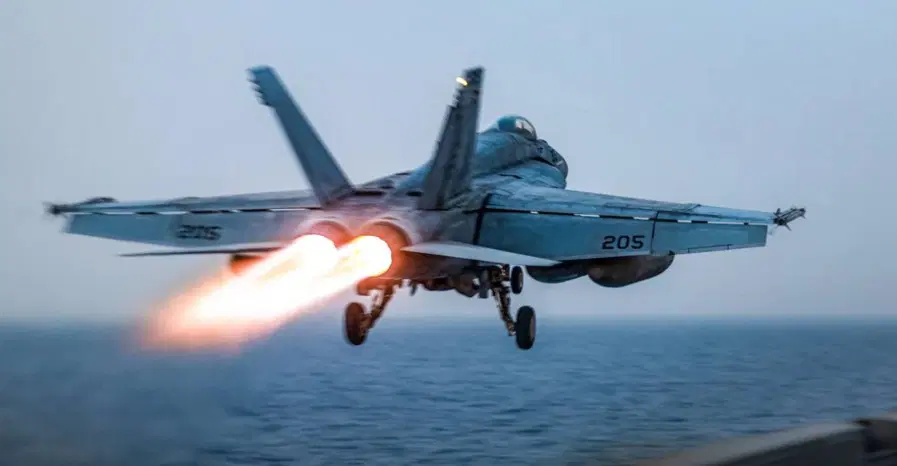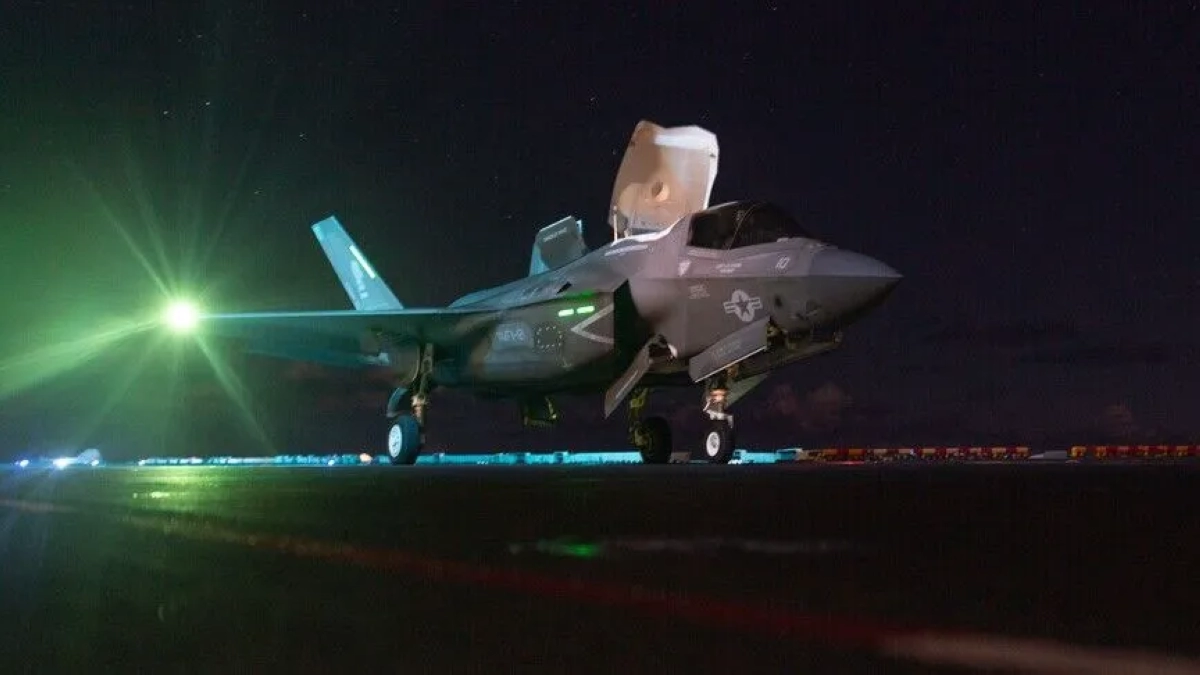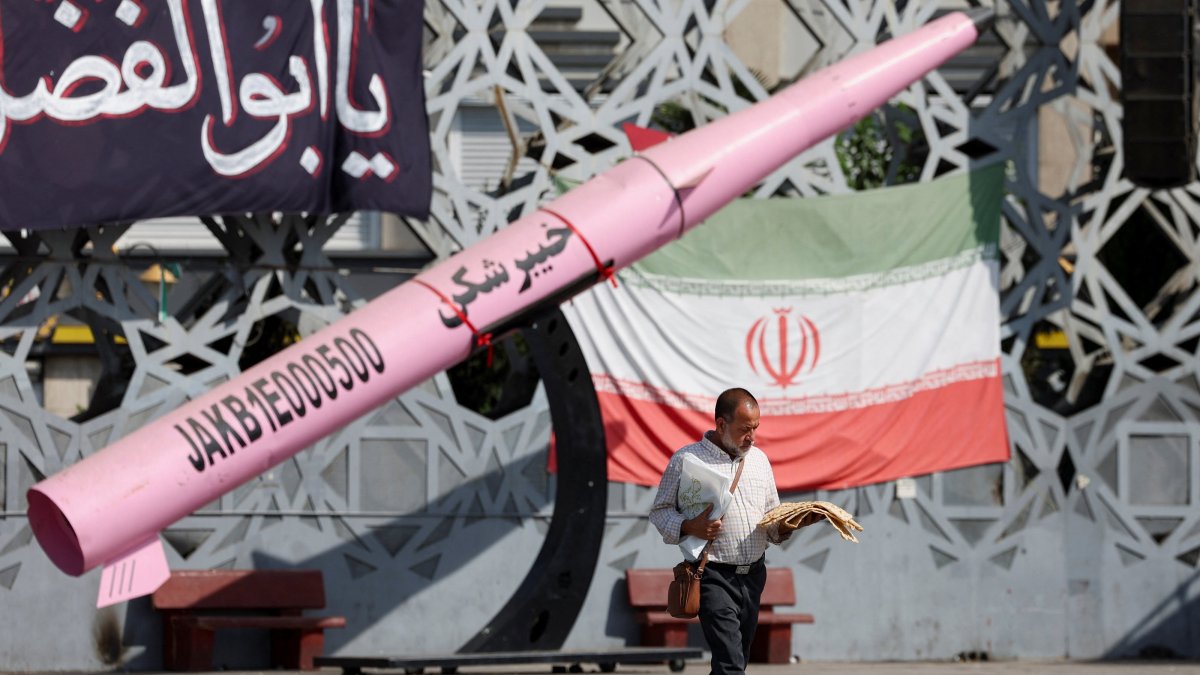
The U.S. launched strikes on Iran early Sunday in response to an Iranian attack on a commercial vessel in Hormuz, prompting Tehran to retaliate with missile and drone strikes targeting Bahrain, Kuwait, Qatar, Oman and Jordan.
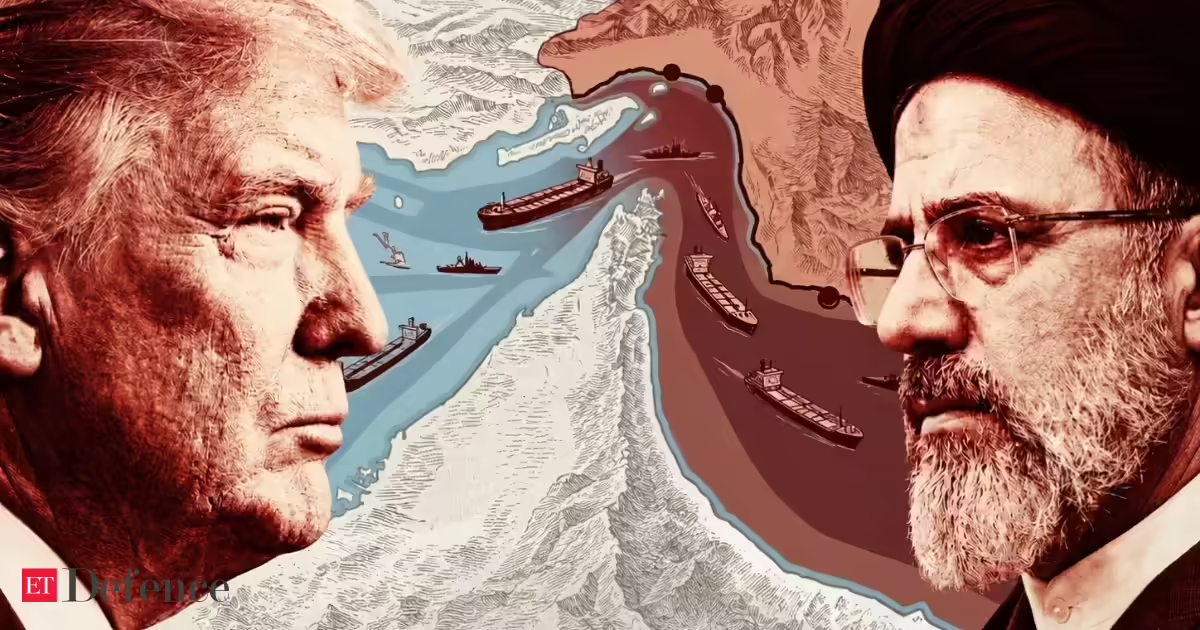
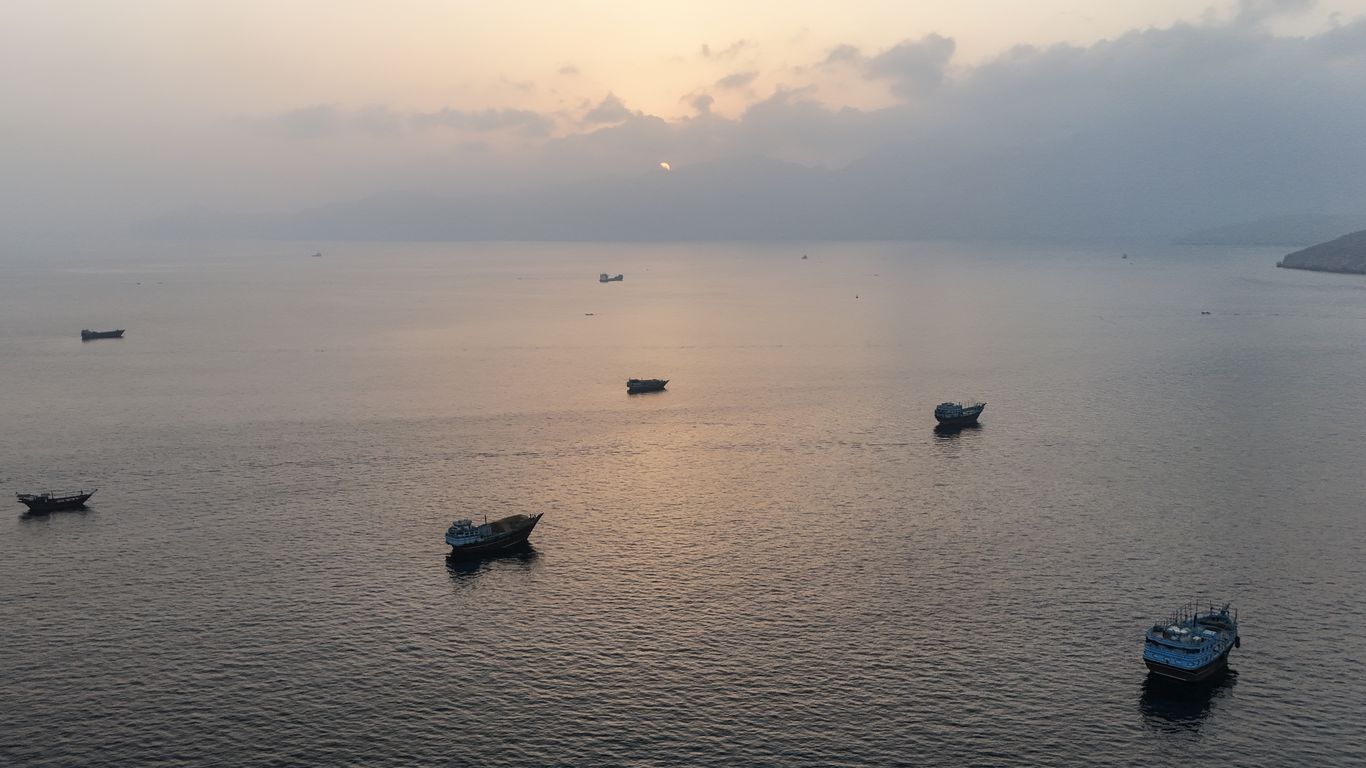
The burst of fighting raised new questions about efforts to reach a permanent end to a war that began on Feb. 28. The strait, a key transit route for oil and natural gas, has become the key sticking point in negotiations and repeated fighting over the past week has left negotiations in danger of collapse.
The U.S. military's Central Command said it hit some 140 targets in Sunday's strikes and went after missile and drone launch sites, ammunition dumps, communication equipment and other sites. It said the attacks, heavier than previous attacks in recent days, would weaken Iran's ability to threaten civilian shipping.
"Iran made a poor choice. Now they pay," U.S. Defense Secretary Pete Hegseth wrote online.
Semiofficial Iranian news agencies reported that a navy officer was killed by the early morning attack. Iran retaliated by attacking nations in the region hosting U.S. military forces, while insisting it alone must control the strait and potentially charge vessels for traveling through it.