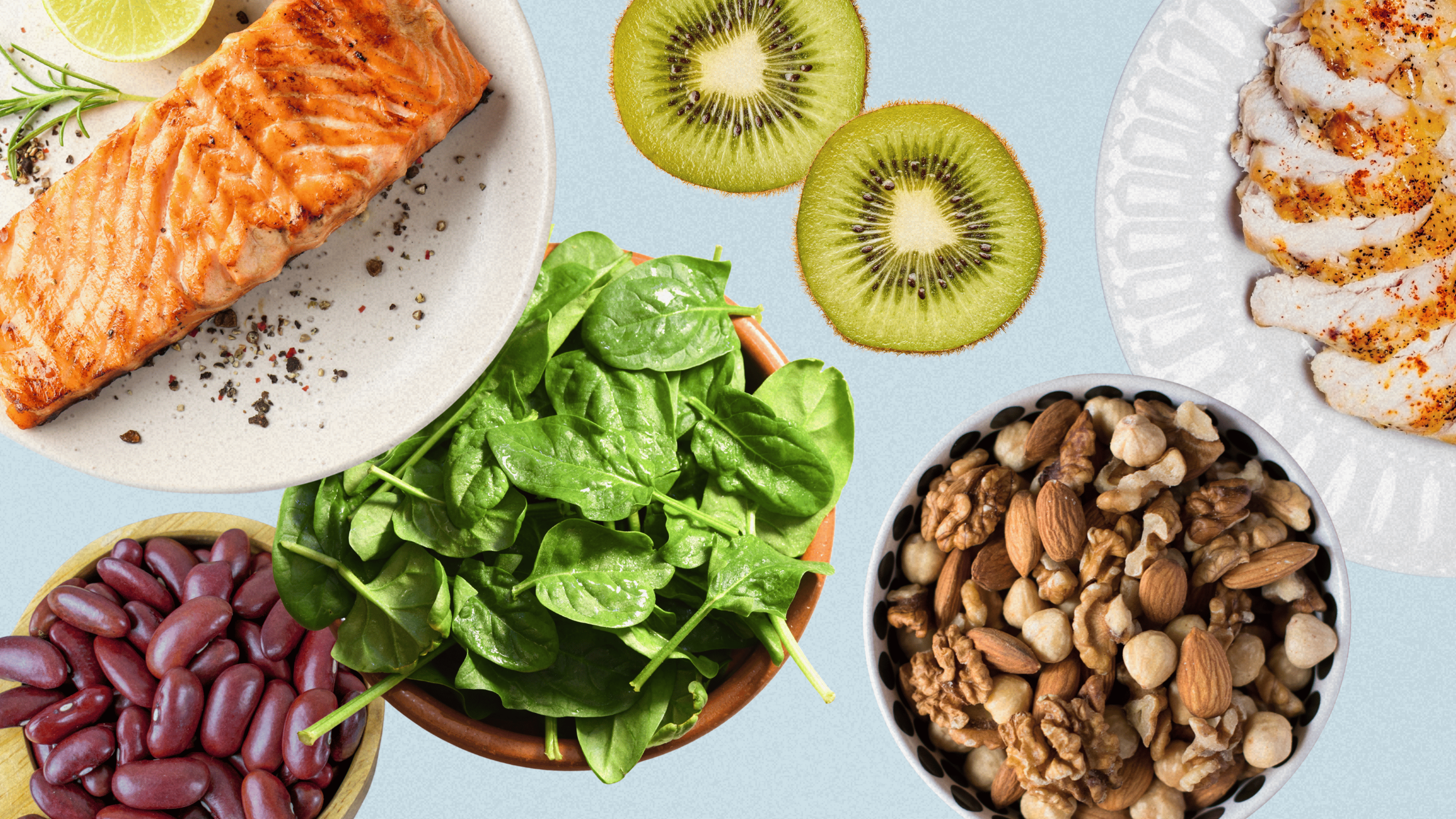
A nutrition expert has shared one common kitchen staple that could dramatically improve your sleep quality when eaten at dinner – you may already have it in your cupboard12:23, 12 Jul 2026Almost one in five people in the UK aren’t getting enough sleep, according to Mental Health UK. Whether it's nodding off in the first place or tossing and turning throughout the night, countless remedies have likely already been attempted.From reading before bed to practising a gentle yoga routine, getting sufficient rest is absolutely vital to our overall wellbeing and how we function throughout the day. What we eat can also have a significant impact on our sleep patterns.Certain foods are best avoided, and if you're among those who believe cheese causes nightmares, you'd be right to steer clear of it.Beyond the old wives' tale, cheese can be genuinely difficult to digest, making a proper night's rest harder to achieve.Foods that are tough on the digestive system can result in an uncomfortable night, particularly if you tend to have a large meal shortly before bedtime, reports Surrey Live.Coffee is also best left alone later in the day, as caffeine is well known to keep you awake for longer. Certain teas containing caffeine, particularly green tea, could also interfere with your sleep.While some foods and drinks are best avoided before turning in, others can actually boost the quality of your rest.One nutrition expert has revealed a single food that can "dramatically improve your sleep quality", potentially doing away with the need for other aids such as white noise or pricey supplements.Natural supplements like magnesium and valerian root may contribute to a better night's kip, but before splashing out on these, it could be worth simply rethinking what you eat in the evening."Most people don't realise that what they eat directly impacts how well they sleep," stated Lynne Murphy, meal prep expert at Nutri Lean.Already a staple in many kitchen cupboards, white rice could be "the answer to a better sleep" thanks to its high glycemic index.The glycemic index measures how rapidly food raises blood sugar levels after eating, but this also means such foods are broken down quickly, helping you steer clear of any sleep disruptions that can arise from feeling too full before bedtime.For an even more restful night's kip, pair white rice with magnesium-rich leafy greens such as spinach, kale and broccoli.Magnesium is a naturally-occurring property found in numerous foods, including legumes, nuts and whole grains, and supports the production of melatonin.Article continues belowAlso available as a supplement, melatonin is the hormone that essentially readies our body for sleep, so incorporating it into evening meals can help you drift off more quickly.While the right evening meal can boost your rest, it's advisable not to eat too late. For an undisturbed night's sleep, Lynne recommends "eating dinner at least three hours before bedtime" to allow your body sufficient time to digest.
Food item that could be 'the answer to a better sleep'
A nutrition expert has shared one common kitchen staple that could dramatically improve your sleep quality when eaten at dinner – you may already have it in your cupboard
481 words~2 min read