Audio By Vocalize
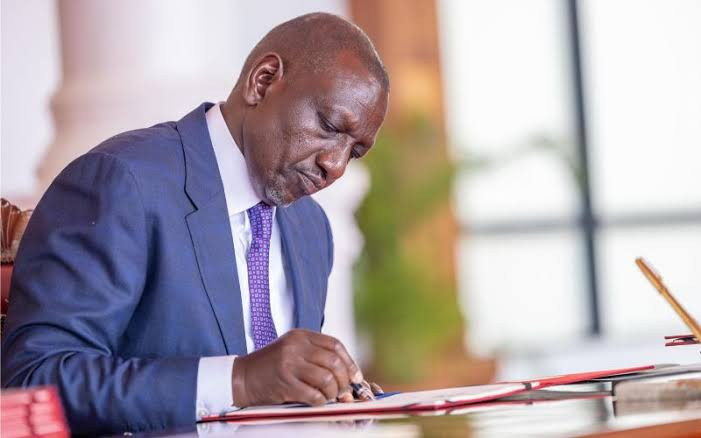
President William Ruto chairs a Cabinet meeting at State House, Nairobi. [PCS]
Kenya has become remarkably good at producing reports. Almost every major crisis is followed by a familiar sequence: a task force is appointed, a commission established, an inquiry launched, or a new policy announced.
Assurances are given that lessons have been learnt and that similar failures will not recur. Yet the floods return. The droughts return. The public controversies return. Citizens wonder whether our institutions have learnt anything at all. The challenge is not simply one of political will or implementation. It is something deeper: a failure of institutional learning. Perhaps this explains why so many of our national frustrations, from industrial transformation and youth employment to floods, taxation, public confidence, and justice, continue to recur despite years of analysis and reform efforts.
Institutions learn much as people do. They acknowledge mistakes honestly, preserve institutional memory, assign responsibility, adjust procedures, and change incentives so that the same failures become less likely over time. When they cannot do this, every predictable event becomes an unforeseen emergency, and government is reduced to governing by crisis.