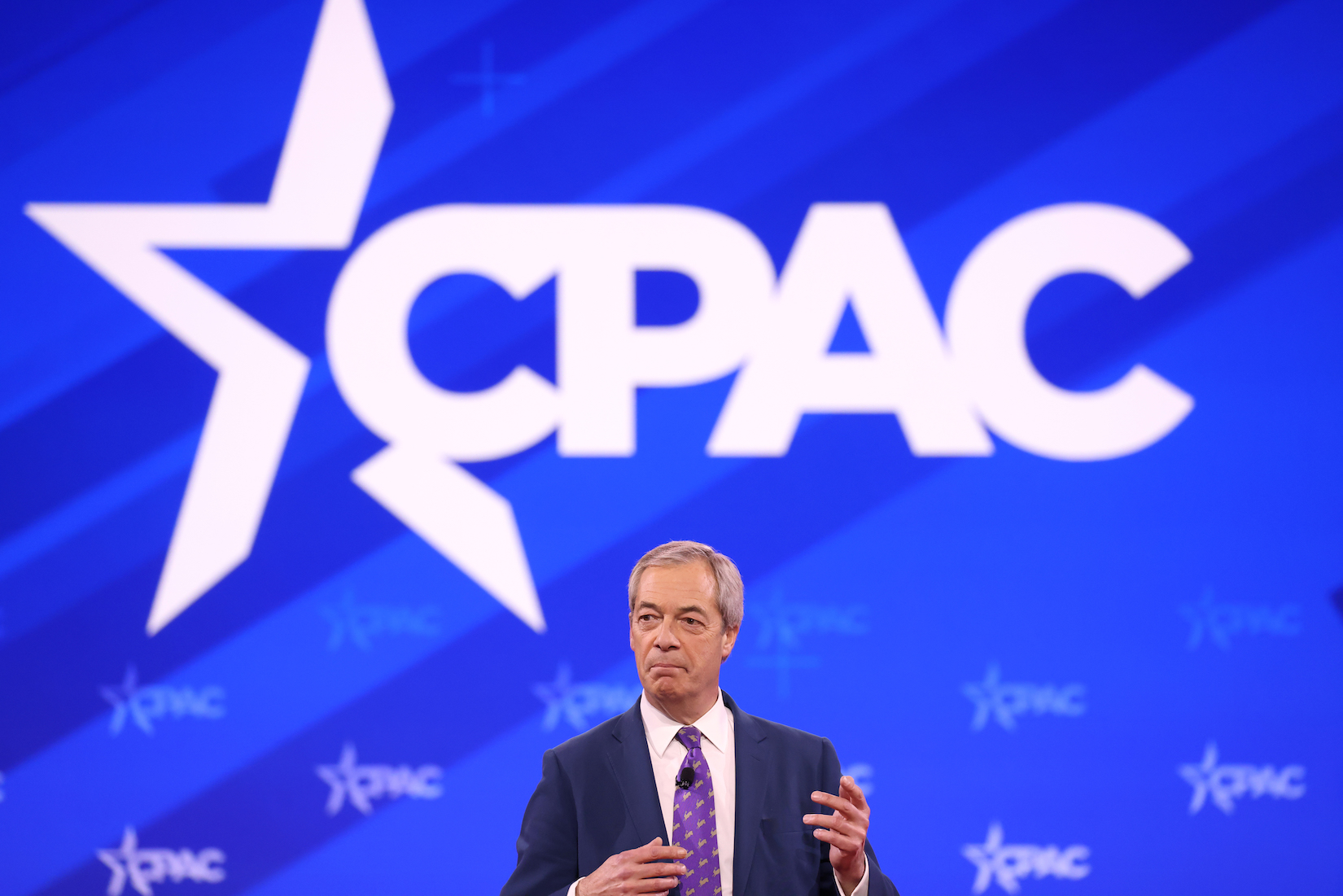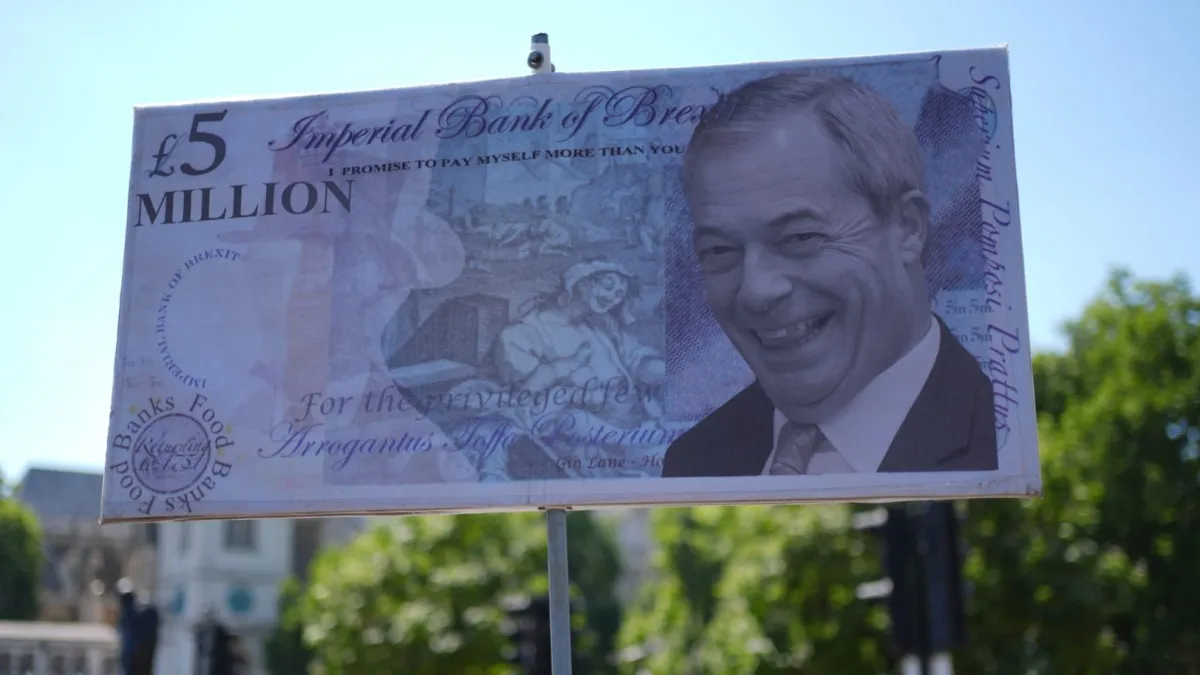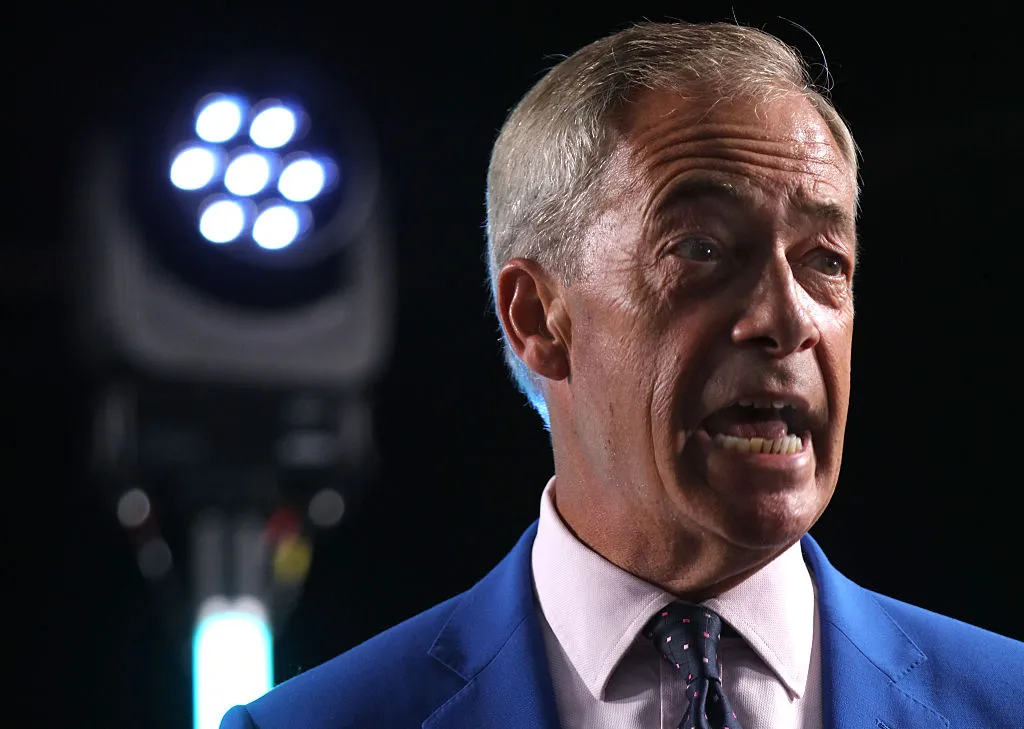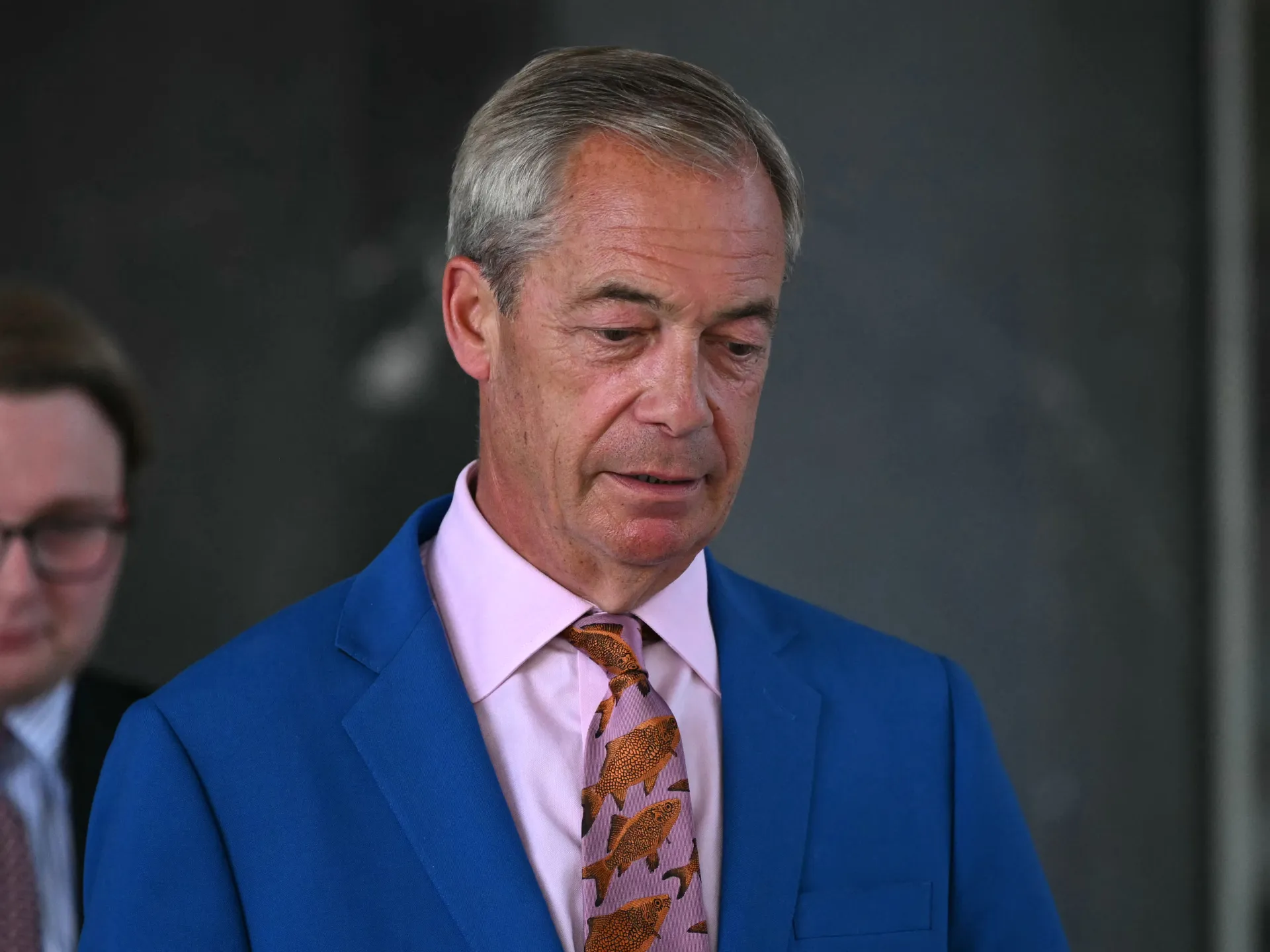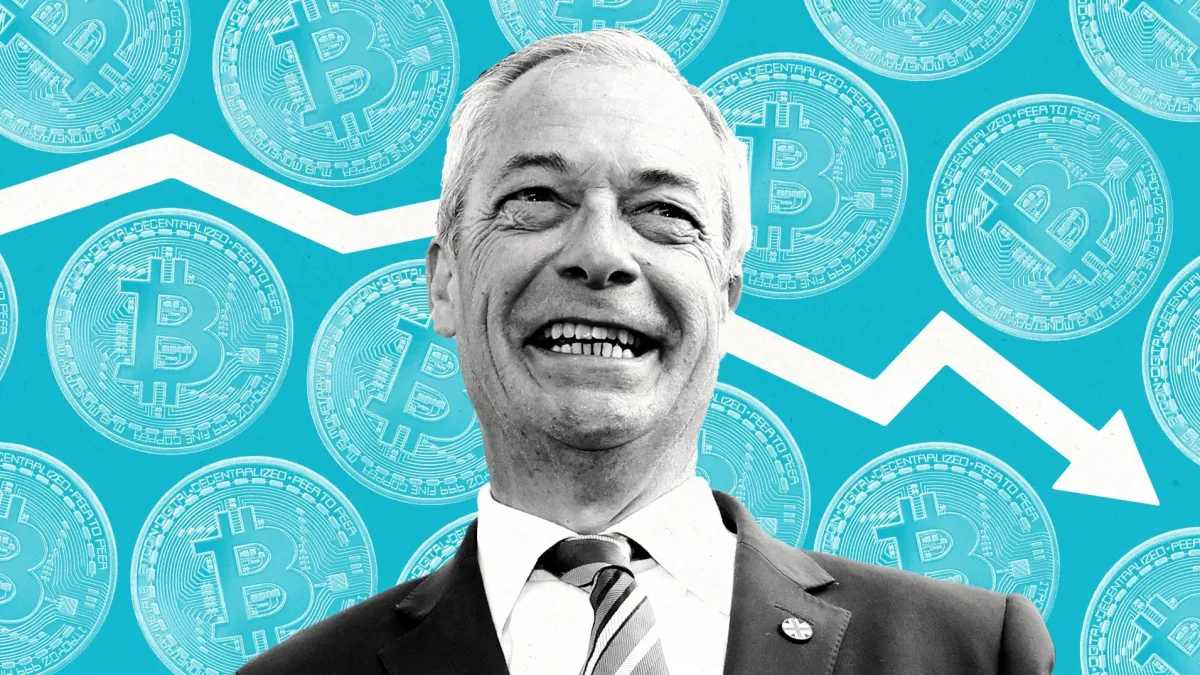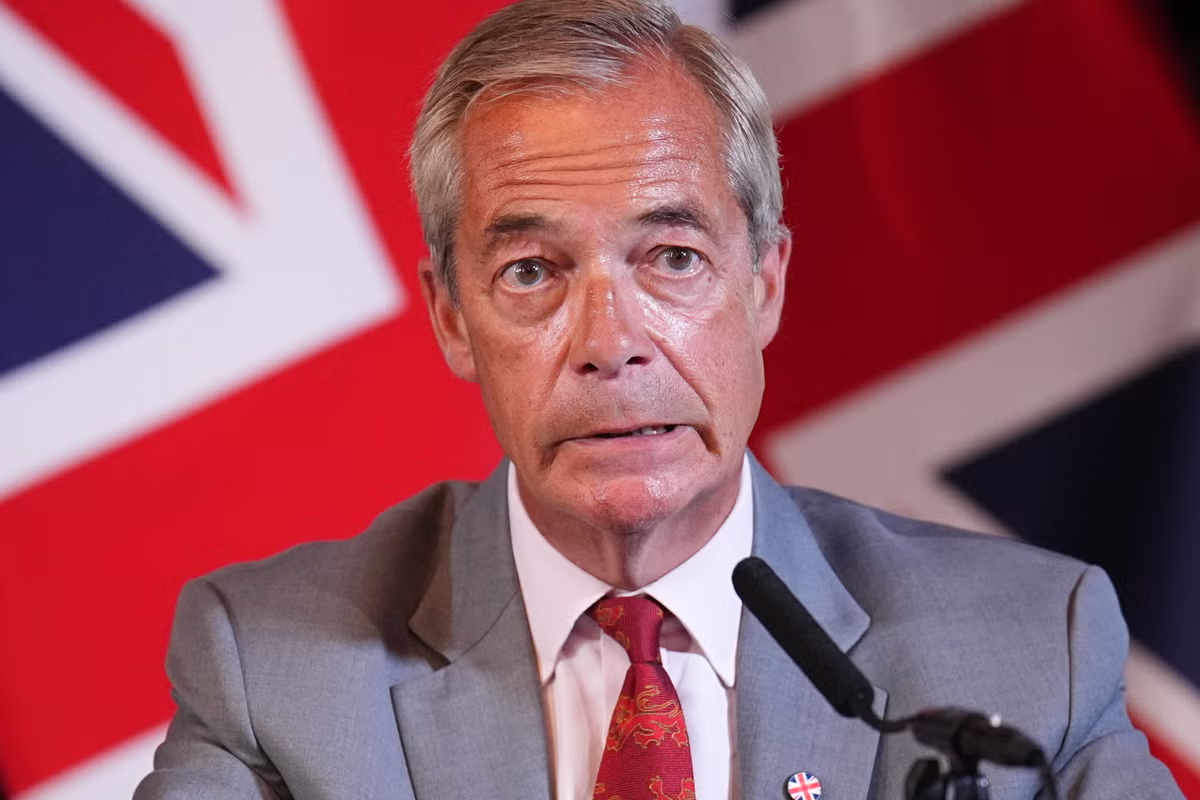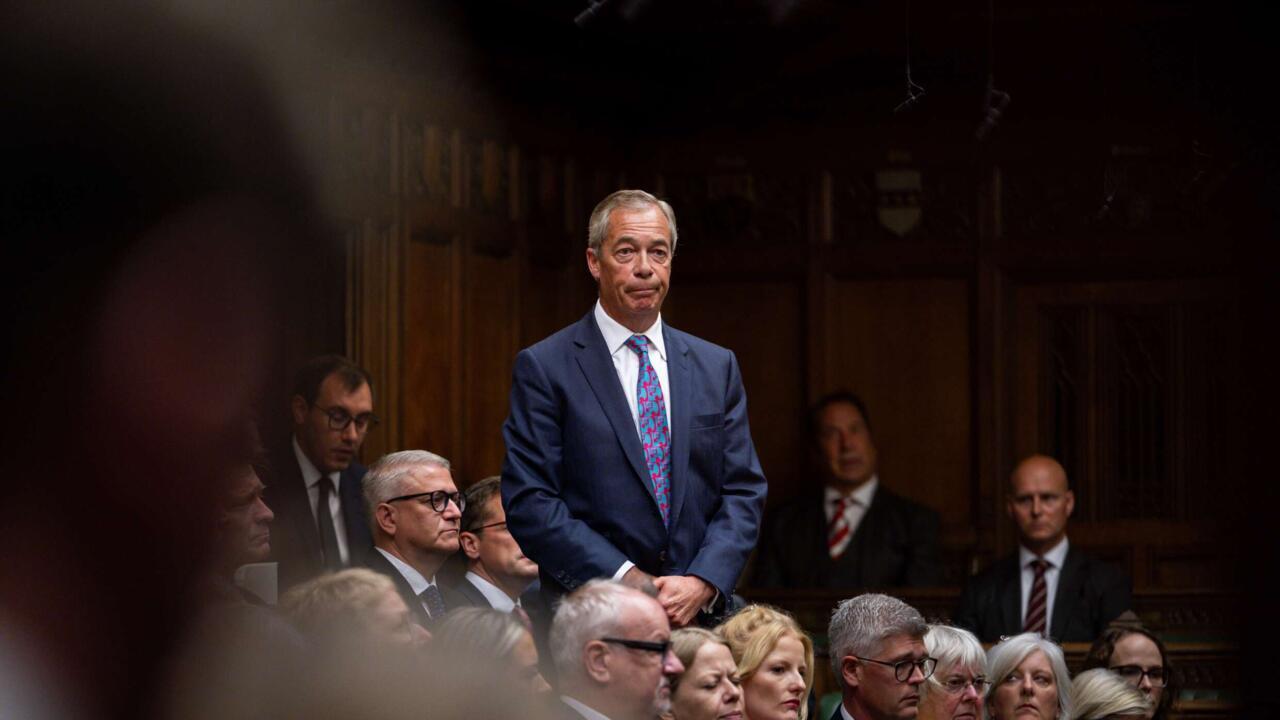
This coming Tuesday, the government’s representation of the people bill comes back to the House of Commons for its third reading. It bundles up a multitude of measures, including an extension of the franchise to 16- and 17-year-olds and welcome changes to voter registration. But thanks to the continuing furore around Nigel Farage and his extremely wealthy friends – such as the Thailand-based crypto-investor Christopher Harborne, who gave Farage a £5m “lottery win” personal gift and has donated in excess of £22m to Reform UK – the aspects of the legislation that have suddenly become its headline measures are focused on big-money donations.The government has already implemented a moratorium – but only a moratorium – on political donations in cryptocurrencies, the encrypted digital assets that, to quote the Electoral Commission, “present particular challenges and risks in meeting electoral law requirements in identifying donors and ensuring they are permissible”. There is a new annual £100,000 limit on donations from British citizens living abroad. Other legislative moves will now take the form of amendments to the bill: they include new checks on whether companies making donations are above board by measuring their profit as well as their revenues, and a requirement for parliamentary candidates to declare any donation above £2,230 (although “personal gifts” will continue to be exempt).There is also to be a somewhat pathetic cap on donations from people who have recently moved to the UK and become eligible to donate, which will limit them to £100,000 for their first year of residence. Labour backbenchers are reportedly poised with stronger amendments: Stella Creasy wants a universal cap at the same level, while others think it should be pegged at a million, and the Birmingham MP and Labour chair of the business select committee, Liam Byrne, is proposing a permanent ban on crypto donations.Which brings us to the kind of people who Farage spends a great deal of time with: that increasingly powerful class of high-rollers, often positioned on the hard and far right, who deal and invest in crypto. In the more exclusive corners of London and New York – and such jurisdictions as Montenegro, El Salvador and Hong Kong– one or two may just glimpse a headline about developments in parliament on their phones and cackle at the parochial smallness of it all.Their world, after all, threatens to dwarf most political developments on a small couple of islands off northern Europe. At its core is the support – and brazen personal enrichment – of the Trump administration, the constant hum of online transactions whose sheer scale is mind-boggling, and the sense of scores of countries rapidly reaching a political and economic fork in the road.Last week I spoke with Oliver Bullough, the London-based writer and journalist whose most recent book is titled Everybody Loves Our Dollars. We talked first about Tether, the vastly lucrative operation – 12% of which is owned by Harborne – that specialises in so-called stablecoins, their value pegged to the dollar to avoid the wild price swings of regular cryptocurrencies. In 2025, it reported profits of more than $10bn. As Bullough puts it, it is now “the most profitable company per-employee that there has ever been”, busy “steamrolling the world” and increasingly amounting to “a private central bank”.This is the bigger picture that is still overlooked: in the long wake of western governments handing the private sector whatever it fancied, cryptocurrencies simply represent the next step. “After electricity or water or whatever,” Bullough told me, “crypto is just the next one. It’s just money being privatised.”This is one of the reasons why a man who could still be the next prime minister lionising the company and revelling in the generosity of one of its biggest investors is remarkable. “Tether is about to be valued as a $500bn company,” Farage enthused earlier last year. “Stablecoins, crypto – this world is enormous. And I’ve been urging for years that London should embrace it.”But Farage is only one small fish in the big pool where much larger politicians and crypto insiders both swim. Last year alone, Donald Trump raked in more than $1.4bn from crypto dealings. In the 2024 US election cycle, when Trump opened his campaign to donations in crypto and put out a press release claiming that MAGA supporters would “build a crypto army moving the campaign to victory”, the Crypto industry [https://www.cnbc.com/amp/2024/11/05/cryptos-245-million-campaign-finance-operation-funded-non-crypto-ads.html] spent more than $245 million. Once again [https://www.theguardian.com/us-news/2026/mar/13/midterms-crypto-pacs-political-spending] favouring Republicans over Democrats, it has so far [https://www.reuters.com/world/crypto-firms-have-spent-189-million-so-far-2026-us-election-report-says-2026-06-30/]
Nigel Farage is just one strand in the tangle of rightwing politicians and crypto investors | John Harris
These financiers want to remodel the UK into a form that suits them – one that could threaten to erode the barriers between crime and business, says Guardian columnist John Harris
1,168 words~5 min read