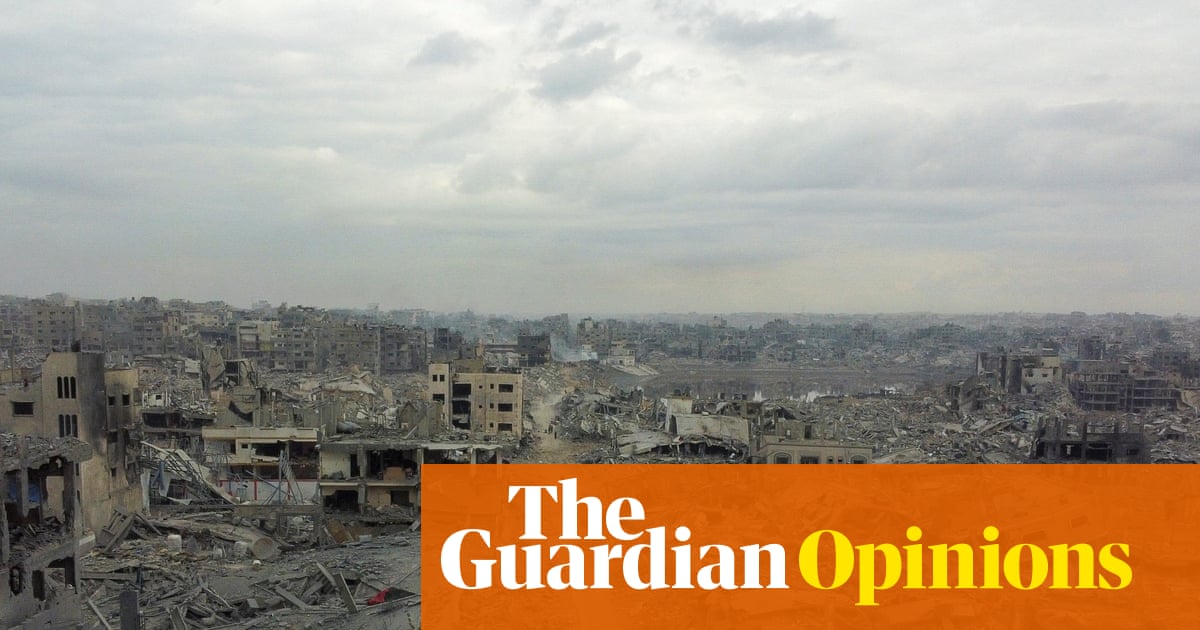
European leadership is facing growing anxiety. The global solidarity with their framing of the Russia–Ukraine conflict continues to erode. Outside the West, international attention has shifted decisively towards the Middle East, driven by widespread condemnation of Israel’s military campaign in Gaza, which has resulted in the deaths of over 85,000 Palestinians. The vast majority of the killed were non-combatants.
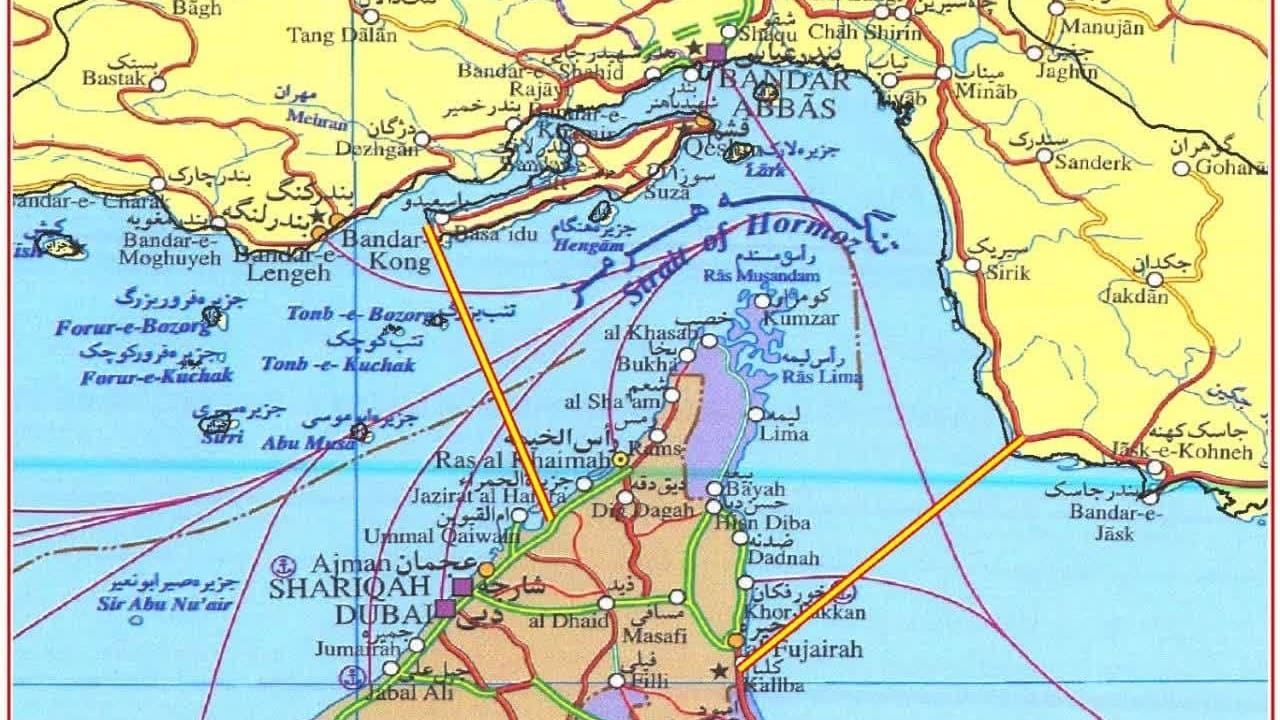
The escalation into a broader conflict involving the United States, Israel and Iran has further complicated European diplomatic strategies, forcing Western governments to navigate competing foreign policy crises. Compounding these external pressures is a noticeable domestic change: European regimes now confront a public that has grown increasingly lukewarm in its support for the ongoing war in Ukraine.
This is visible even within the cultural sphere. In 2022, the remaining members of the legendary rock band Pink Floyd reunited to release a song urging the Ukrainian people to remain resilient. The band’s guitarist and vocalist, David Gilmour, alongside his wife, openly expressed deep anger toward former bandmate Roger Waters, accusing him of supporting Russian authoritarianism.