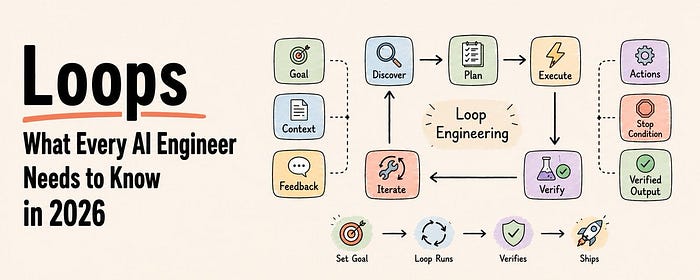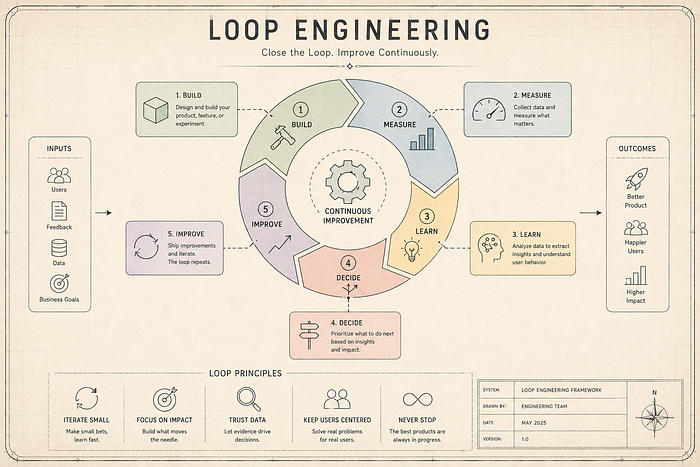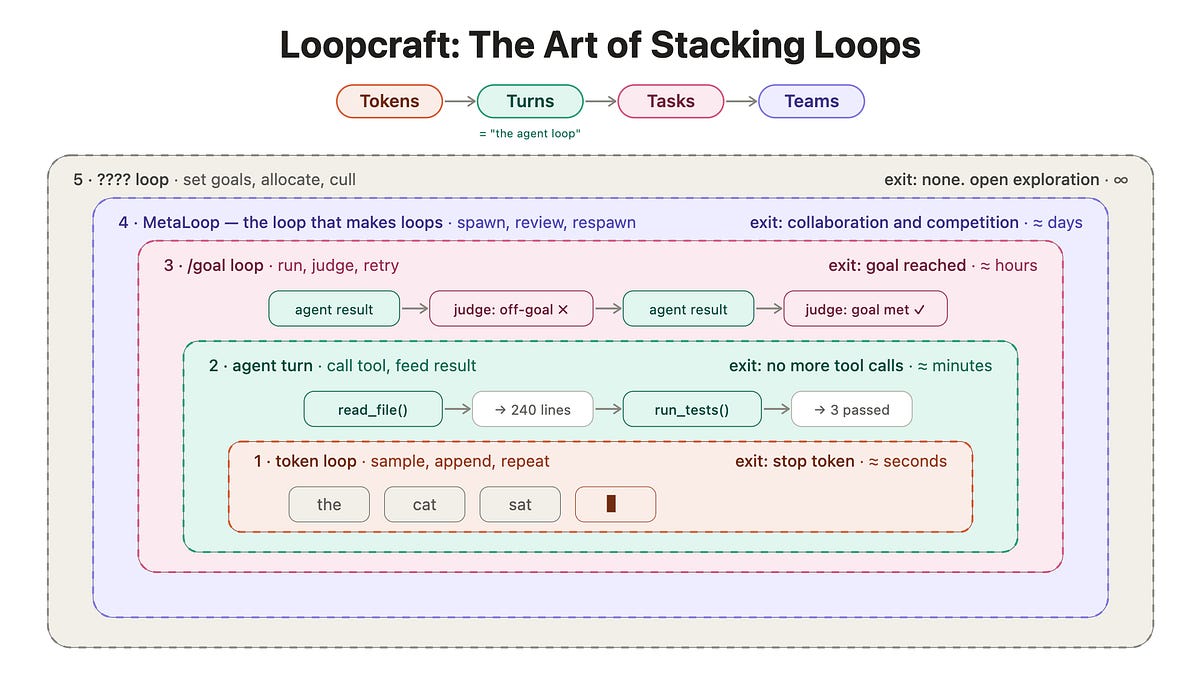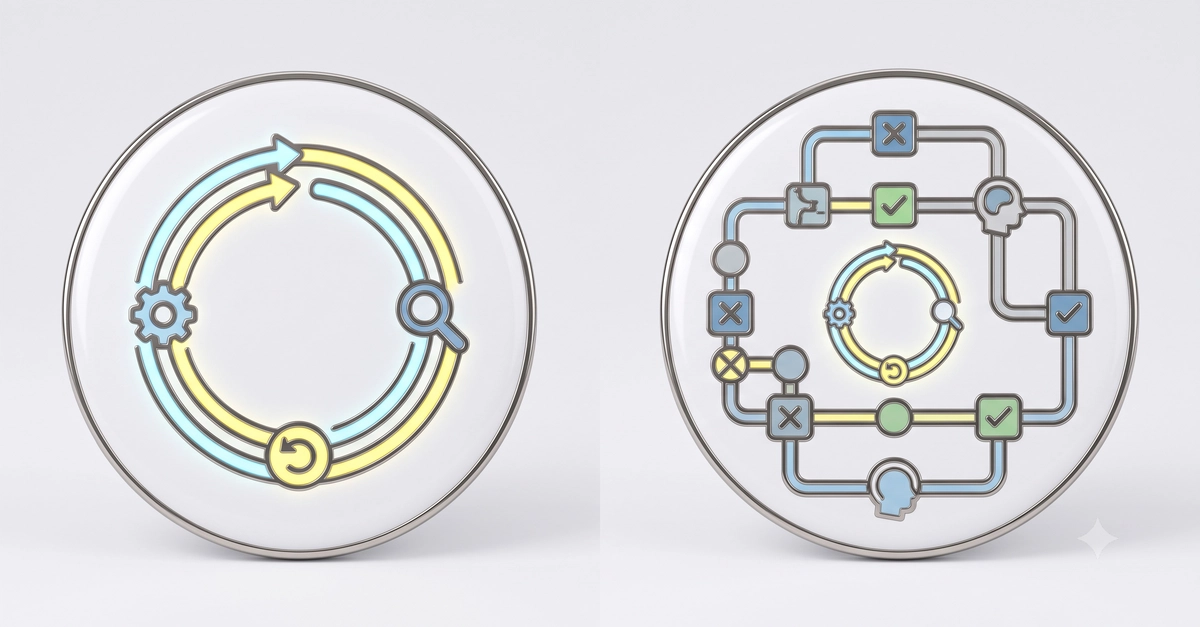
The biggest leverage in Claude Code right now isn't a better prompt or a bigger model — it's the loop you build around them, and which model you put at each node. This is a field guide to loop engineering: the four kinds of loops, the two dials that actually control cost and quality, and the multi-model pattern that lets you spend expensive models exactly where they pay off — and nowhere else.
Why I Went Down This Rabbit Hole
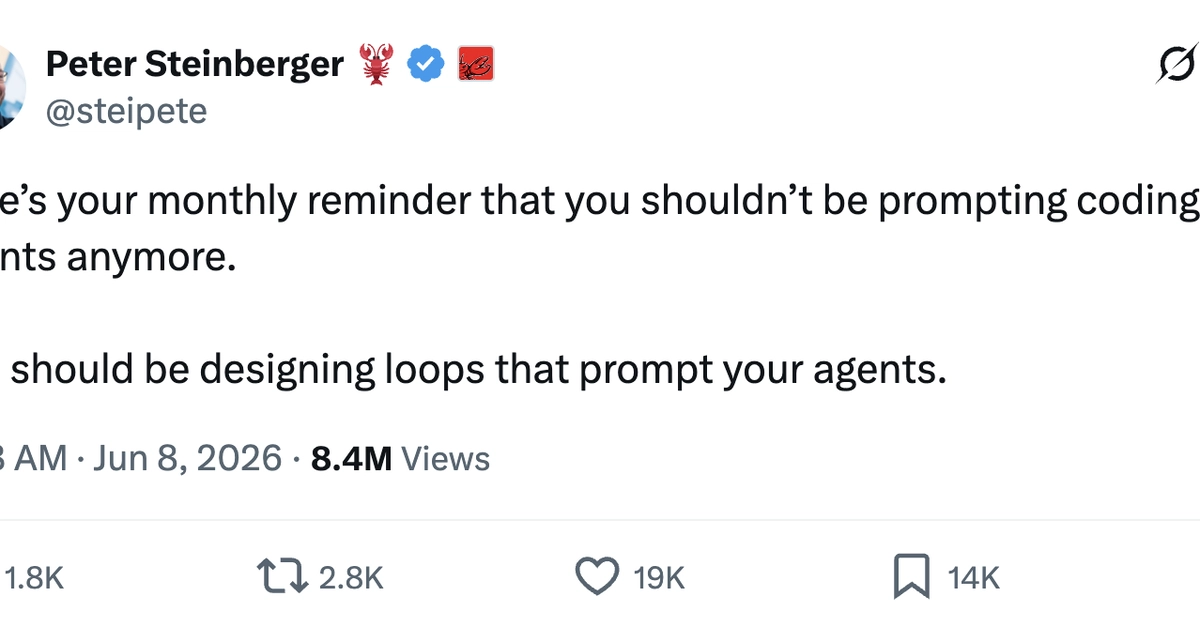
There's a phrase making the rounds on X right now: loop engineering. "Stop prompting, start designing loops." Like most good ideas it's been repeated into mush — ask ten people what a "loop" is and you'll get ten answers.
But underneath the noise is something real, and it's the most important shift I've made in how I use Claude Code this year. I spent the last few deep dives on the pieces — Skills, MCP servers, subagents. This one is about the system those pieces snap into: the loop. And specifically, the thing nobody was doing a year ago and everybody serious is doing now — running more than one model inside a single loop, so the expensive intelligence lands only on the decisions that need it.
Here's the punchline up front, because it's the whole article: the maximum benefit isn't from a bigger model. It's from a well-designed loop that uses a bigger model sparingly. The teams getting outsized results aren't the ones running Opus (or Fable) on every turn. They're the ones running a cheap, fast model for the ninety mechanical steps and reserving the expensive model for the ten judgment calls — the plan, the hard bug, the adversarial review that decides whether the loop is allowed to stop.