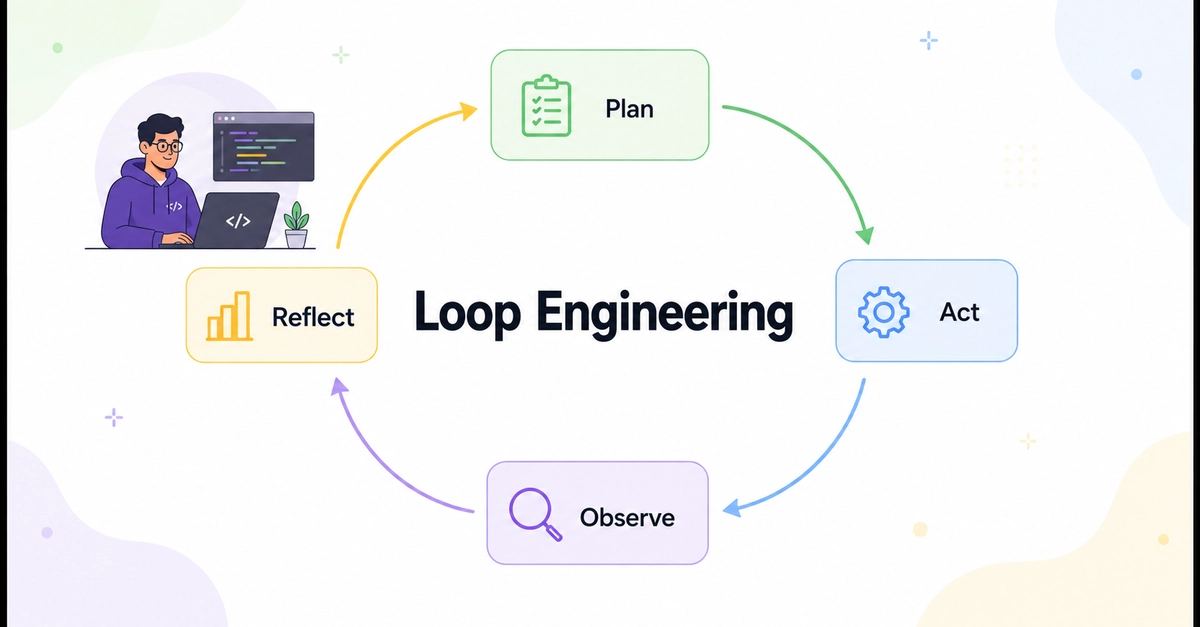
Loop engineering is real, useful, and everywhere right now. It's also not a strategy. Here's the line that separates a clever loop from serious agentic engineering — and when you need to cross it.
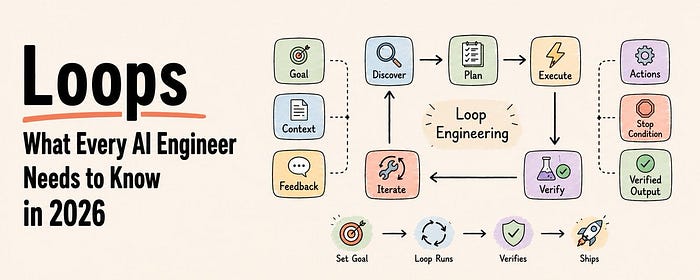
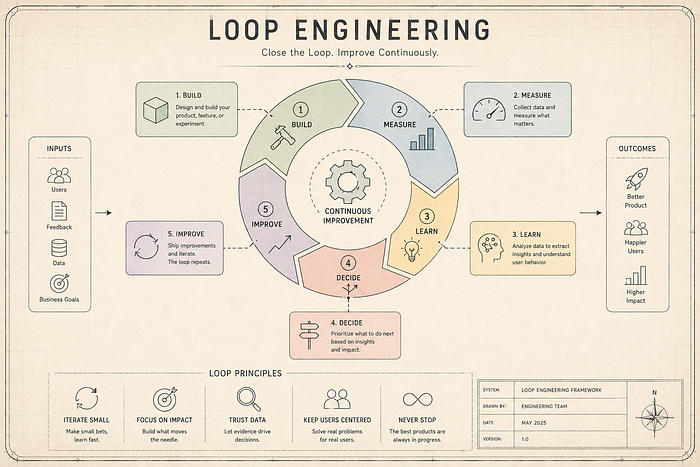
In June 2026, "loop engineering" went from a phrase nobody used to the dominant conversation in AI-assisted development in roughly one week. The creator of Claude Code said his job is now writing loops, not prompts. The creator of OpenClaw told developers to stop prompting agents and start designing the loops that prompt them. Addy Osmani gave the pattern its name, and within days both frontier labs had published official loop documentation.
The backlash arrived just as fast. One popular argument — made forcefully in a widely shared video — is that loop engineering is a hype-filled rebrand of something we already had: the software development lifecycle. Agents planning, building, testing, reviewing, and shipping? That's just the SDLC with new actors in it.
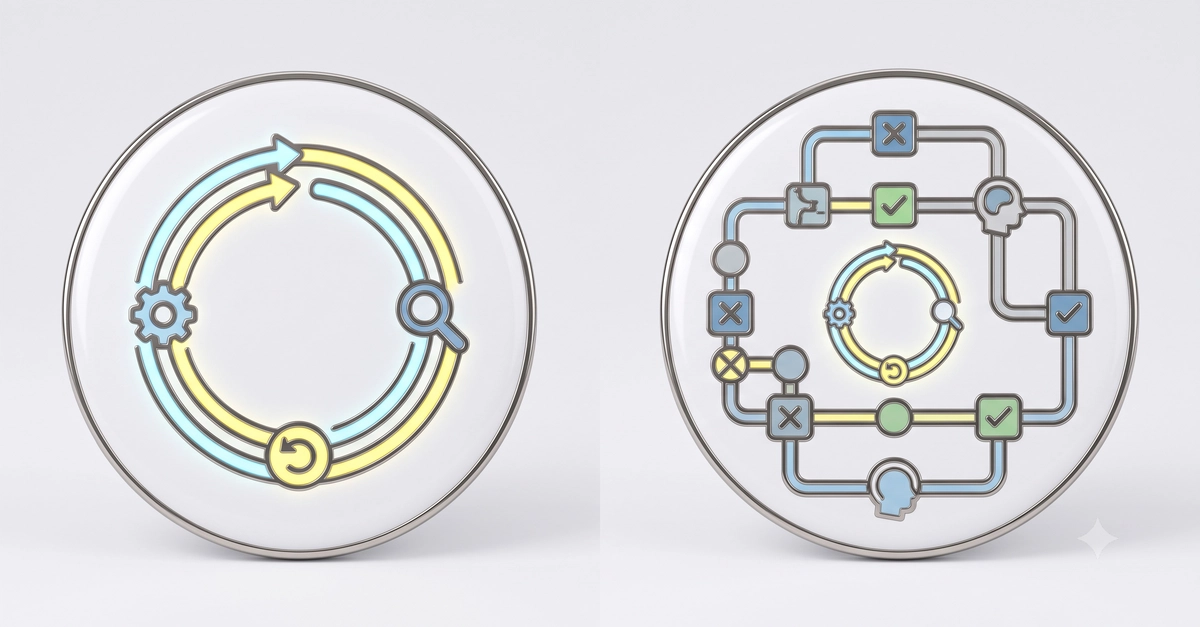
Both camps are missing the useful distinction. It's not that loop engineering is wrong or that it's just the SDLC renamed. It's that they operate at different maturity stages of a project. Loop engineering is a prototyping discipline. The SDLC is a production discipline. Knowing which one your project needs — and when to graduate from one to the other — is the actual skill.