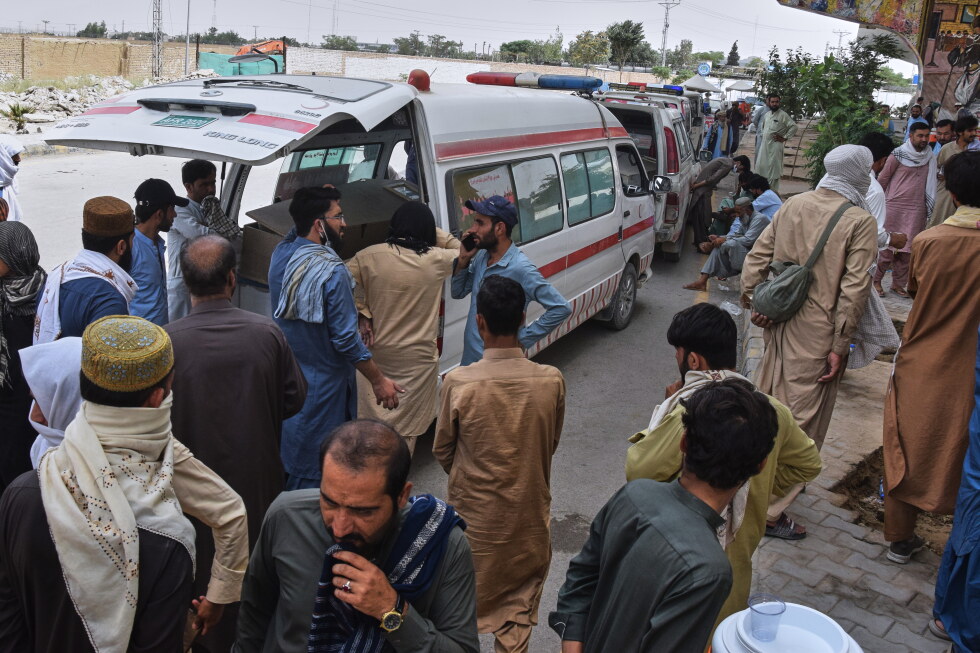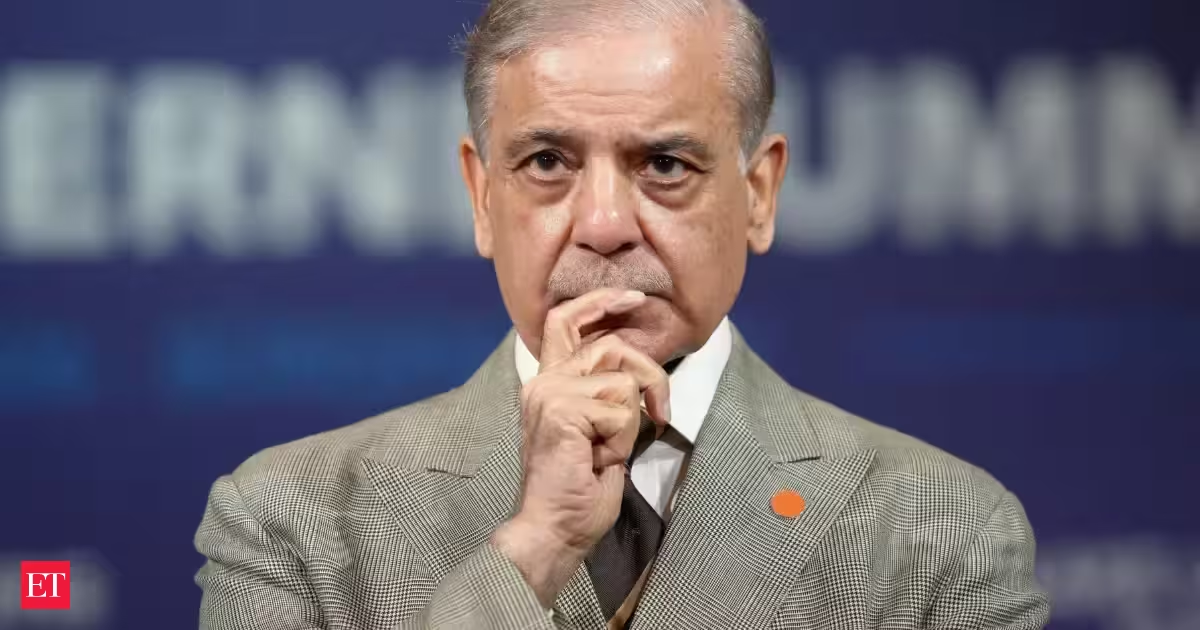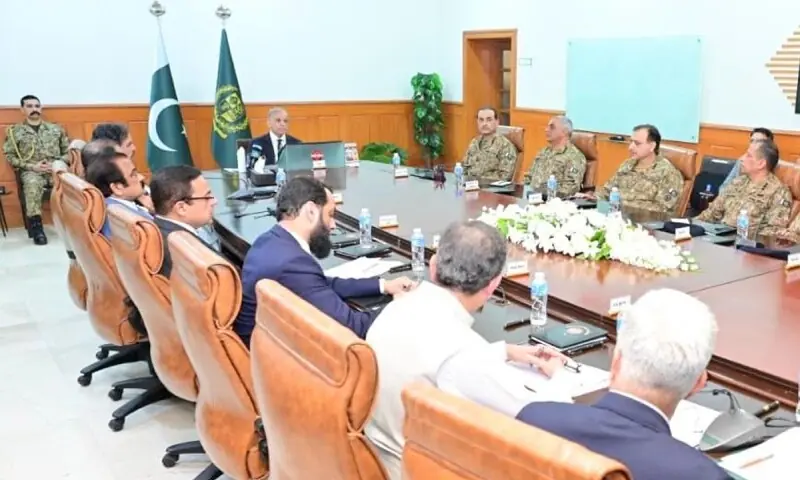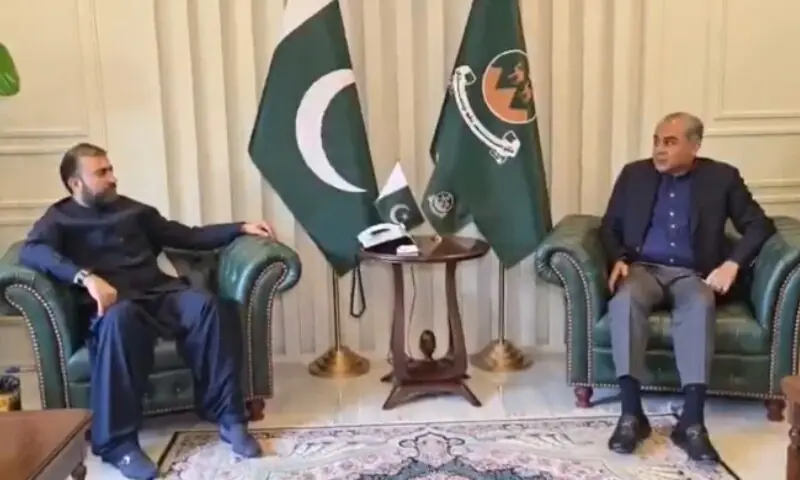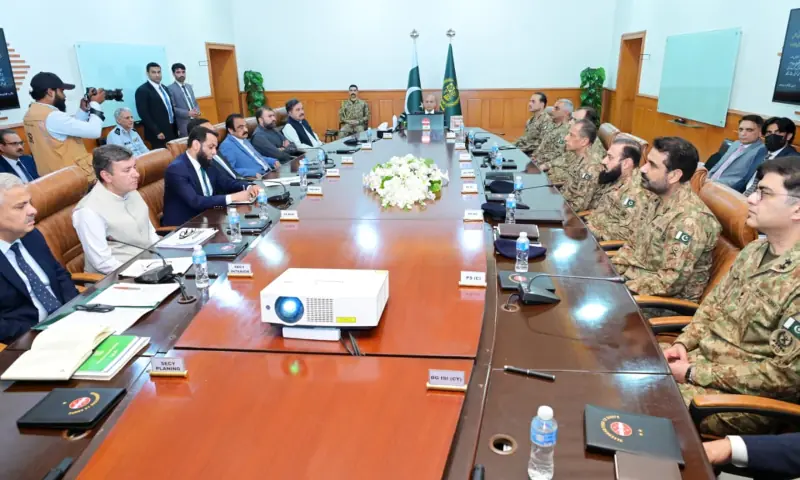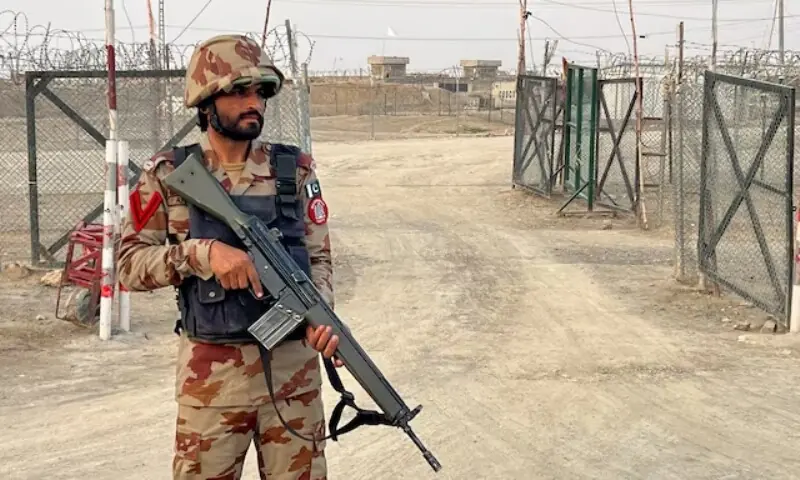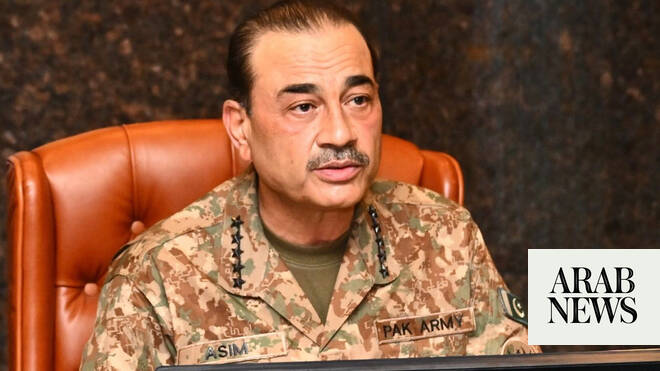
THE latest surge of violence in Balochistan has once again compelled Pakistan’s civil and military leadership to reaffirm its resolve to eliminate terrorism. During a high-level visit to Quetta following a series of deadly attacks, Prime Minister Shehbaz Sharif and Field Marshal Asim Munir, during a provincial apex committee meeting, declared that the country’s political and military leadership had reached a “mutual and singular decision” to eradicate terrorism.
While the apex committee was meeting in Quetta to discuss the implementation of the National Action Plan, another, less visible process involving the local community was unfolding only a short distance away. In the Hanna Urak area, a jirga of local elders was engaged in direct negotiations with an armed group that had abducted several citizens. Apparently, the elders secured the hostages’ release without any visible involvement of the district administration or provincial government. The abductors reportedly claimed affiliation with the banned TTP, although their identity and motivations could not be conclusively established.
One is uncertain about what impact the resolve shown by the civil and military leadership vis-à-vis the volatile security situation will have in the province. However, it is clear that the growing gap between the state and the civilians is making Balochistan’s security landscape more complicated. Not only have a variety of Baloch insurgent groups become hyperactive, but the TTP and even the IS have found space and have started terrorist activities, as seen in the assassination of two Christian cricketers in Mastung. The criminal threat has become particularly critical, especially in the province’s urban areas.