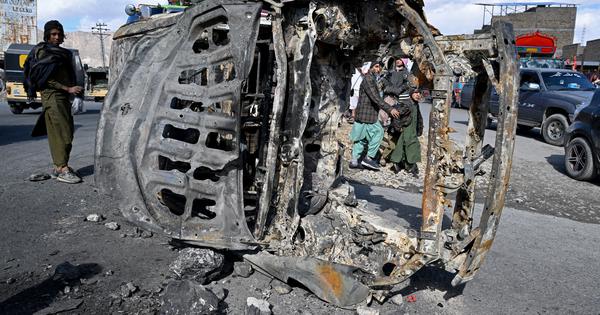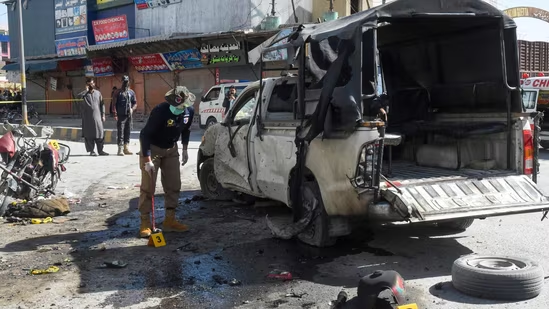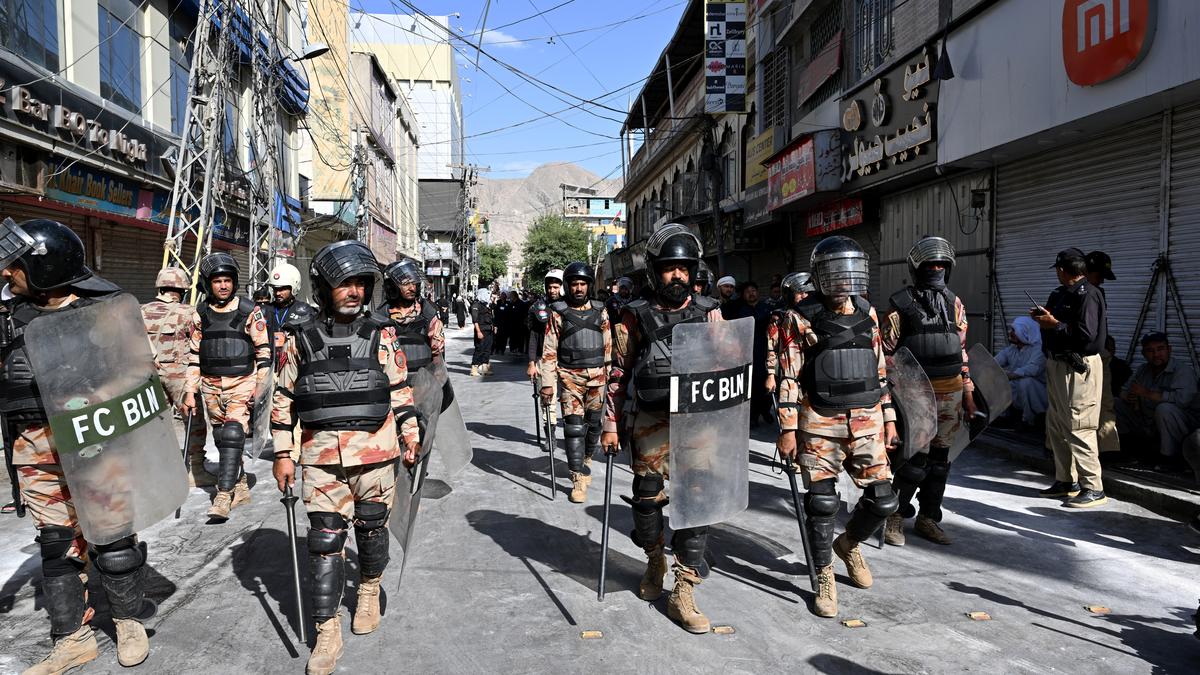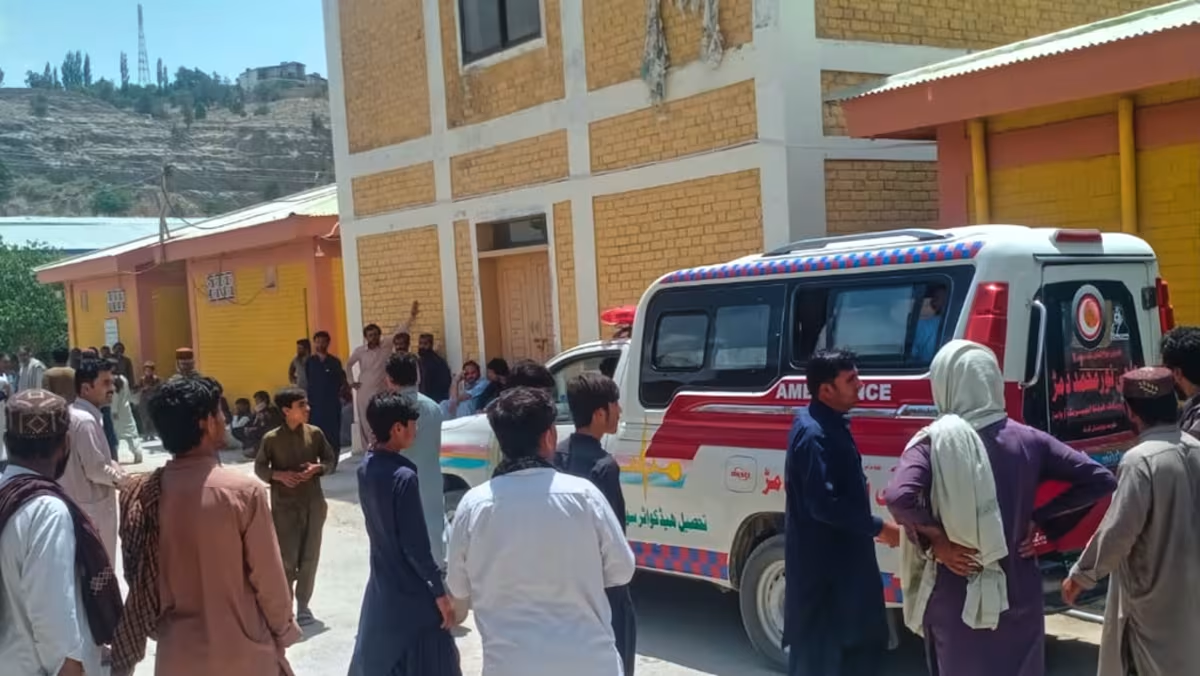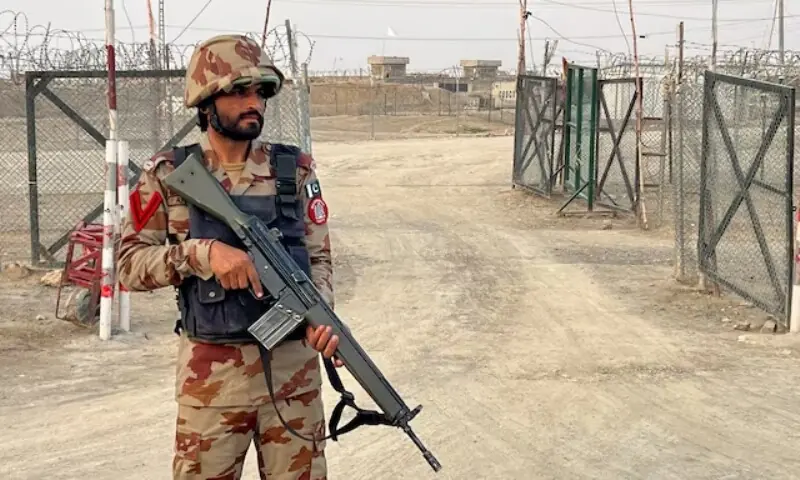
THE surge in terrorist violence in Balochistan highlights the renewed threat confronting Pakistan. The martyrdom of at least nine policemen in Ziarat and the arrest of two alleged BLA operatives in Karachi on Tuesday, preceded by deadly violence near Quetta a day earlier, indicate that terrorist groups retain both the capability and intent to challenge the state’s writ.
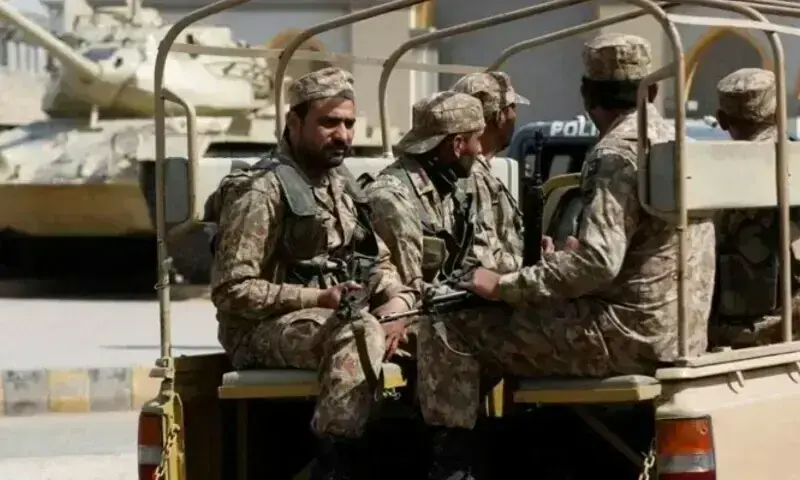
While security forces responded by killing 15 terrorists, the priority should be to determine whether groups that have traditionally operated independently are now cooperating operationally. Any evidence of tactical collaboration between the banned TTP and separatist outfits such as the BLA would mark a dangerous escalation.
The latest incidents also reinforce concerns that militancy is no longer confined to the remote districts of Balochistan and KP. The foiled plot in Karachi coming soon after the attack on Rangers personnel in the city is a reminder that urban centres could be the next targets.
The state’s counterterrorism strategy must anticipate a broader geographical spread of violence, instead of simply reacting after attacks have taken place. This places renewed emphasis on intelligence. While Pakistan’s security forces have repeatedly demonstrated their ability to neutralise militants once contact is established, preventing attacks before they take place remains the real measure of success.