Kanishka Singh
| ReutersShow Caption
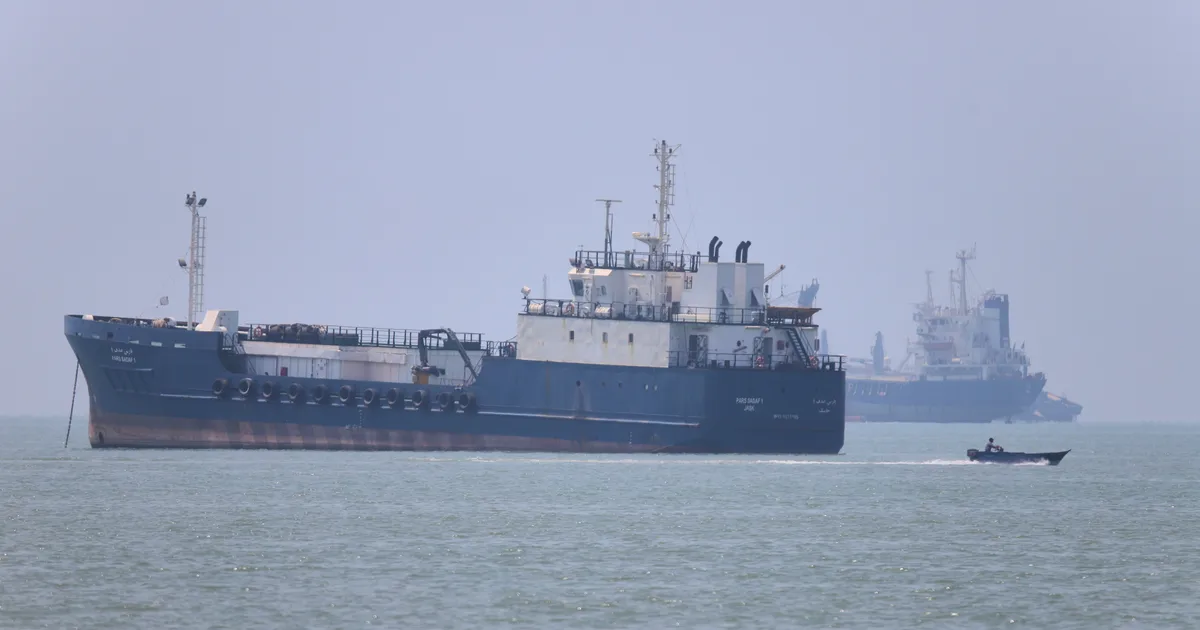
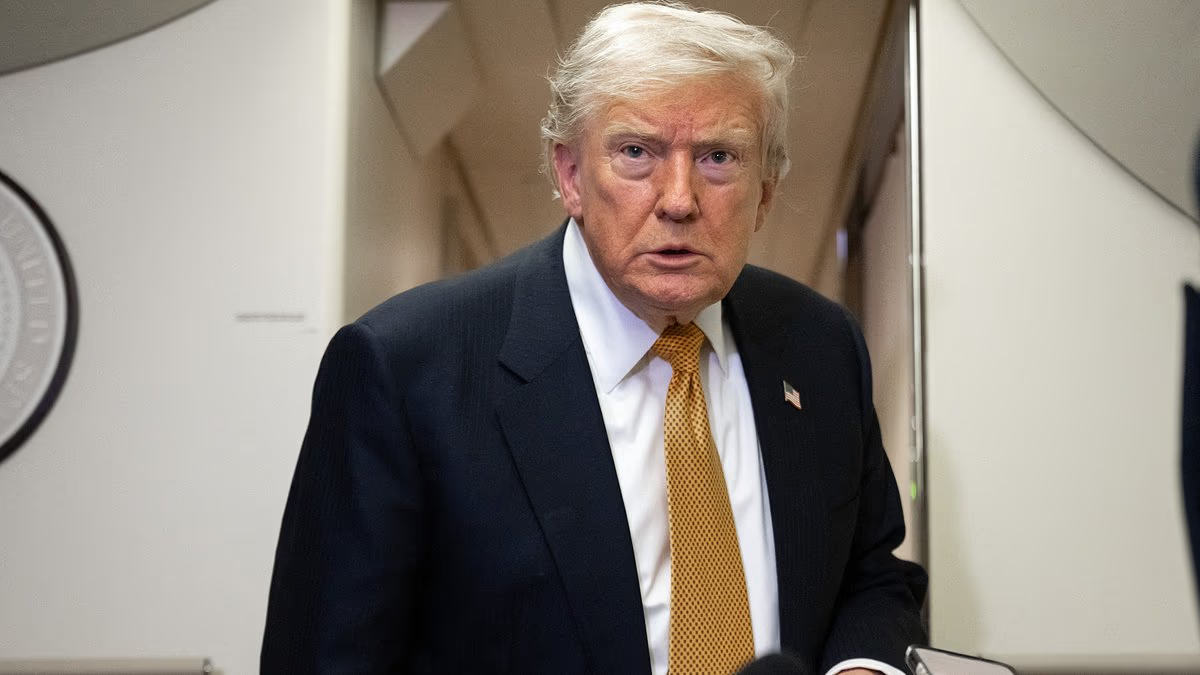
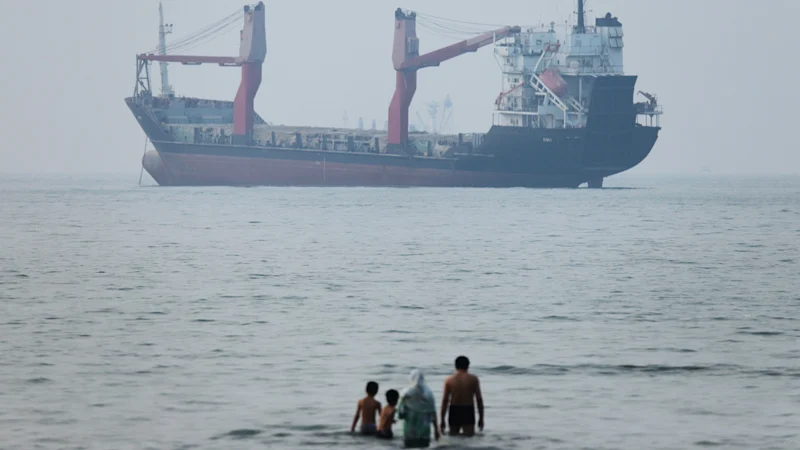
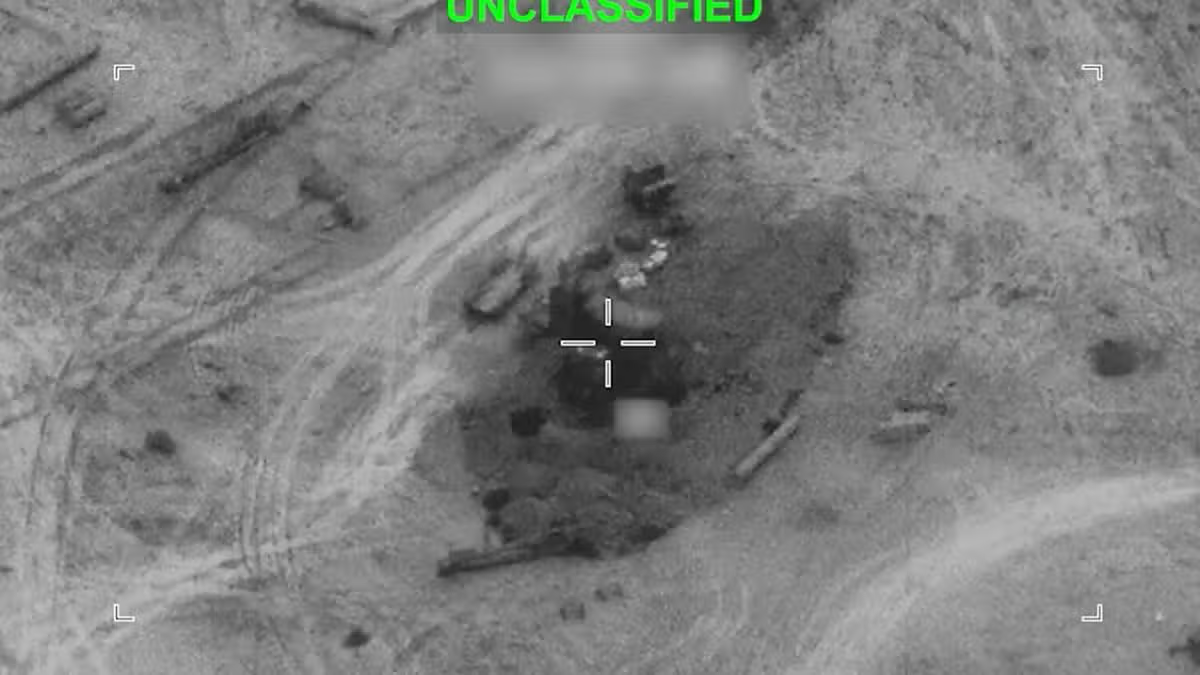
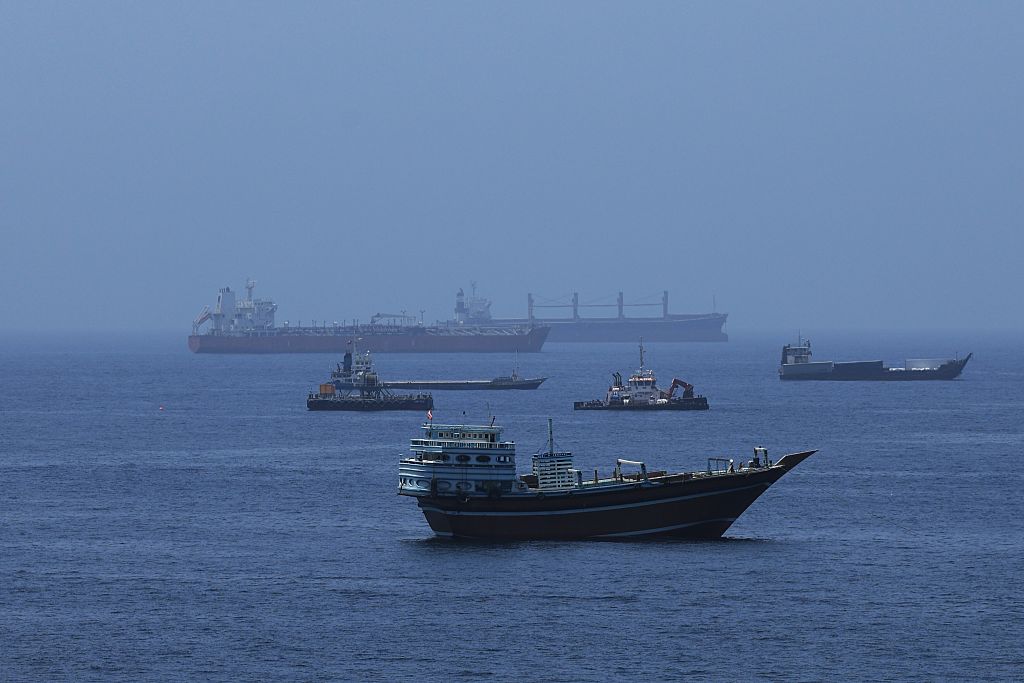
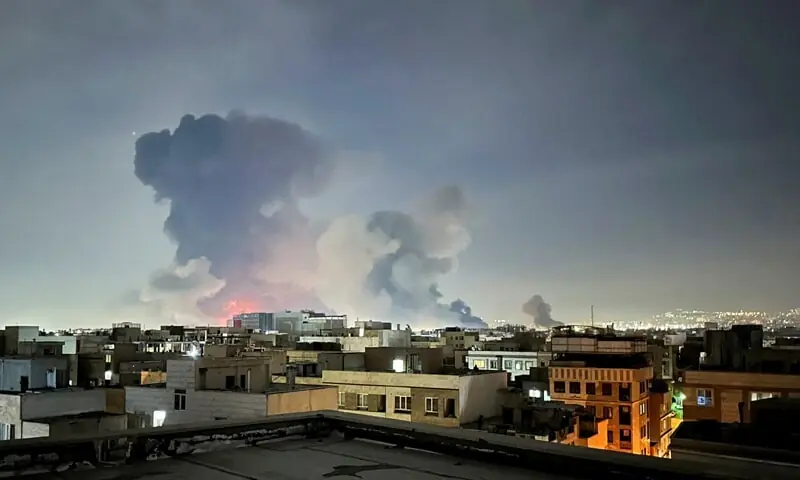
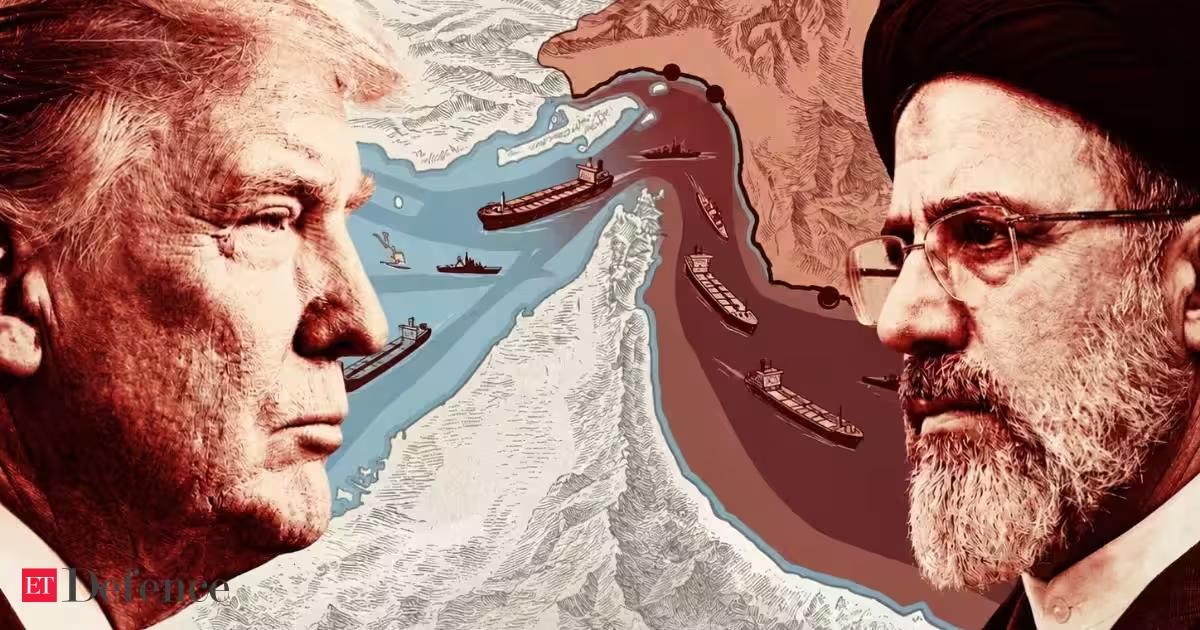
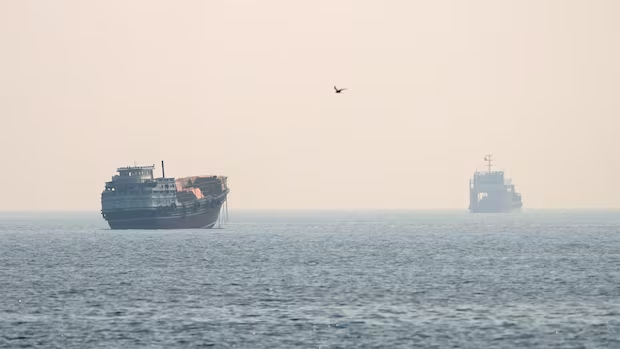
WASHINGTON - The U.S. military said on Saturday, July 11, it launched a new round of strikes against Iran after Islamic Revolutionary Guard Corps forces attacked a Cyprus-flagged container ship transiting the Strait of Hormuz."A civilian crew member is missing and the vessel is unable to continue the journey due to an onboard fire and significant engineroom damage," the U.S. Central Command said in a statement on X.The U.S. Central Command said the strikes were carried out at the direction of President Donald Trump.Iran said earlier on Sunday, July 12, that it had closed the Strait of Hormuz after a vessel traveled on an unapproved route and was struck, warning that any retaliation over the incident would be met with a "severe response.""A vessel that had jeopardized maritime security by switching off its systems was struck and brought to a halt," the Navy of Iran's Islamic Revolutionary Guard Corps said in a statement, without giving any details about the ship.The statement said several ships attempted to move through the waterway on an "unauthorised route" and disregarded warnings to correct their course.The strait, the IRGC said, was closed "until further notice" and until "the end of U.S. interference in this region."Acts of aggression against Iran "will be met with a severe response, and new enemy bases in the region will be targeted," the Navy said.The United States is demanding that Iran publicly state it will stop attacks on ships in the strait — and that all lanes will be open with no tolls through the waterway, senior U.S. officials told reporters on July 10.Trump said on Friday the United States and Iran had agreed to continue talks despite an escalation of hostilities this week, while also declaring an end to the ceasefire.A senior Iranian source told Reuters that Iran, the U.S., Qatar and Pakistan had agreed to negotiate in a call that mediators were trying to arrange for Saturday while Iran's Foreign Minister Abbas Araqchi was in Oman.It was not immediately clear whether the efforts were successful. Araqchi and Omani Foreign Minister Sayyid Badr Albusaidi met in Oman to exchange "views on appropriate mechanisms for the safe passage of ships through the Strait of Hormuz," according to a statement from the Iranian foreign minister.Oman's state news agency later said that Omani and Iranian negotiators would continue talks "at the technical and political levels."Oman is helping to mediate an end to a war that has destabilized the Gulf and raised prices around the world since the U.S. and Israel launched airstrikes on Iran on February 28.About a fifth of the world's oil supply transited through the Strait of Hormuz before the war, and Iran's effective blockade of the waterway has caused energy prices to surge, fuelling global inflation.Additional reporting by Parisa Hafezi, Steve Holland, Enas Alashray, Ahmed Elimam, Eman Abouhassira and Andrew Mills; Writing by Kim Coghill, Tom Perry Philippa Fletcher and Alexandra Alper