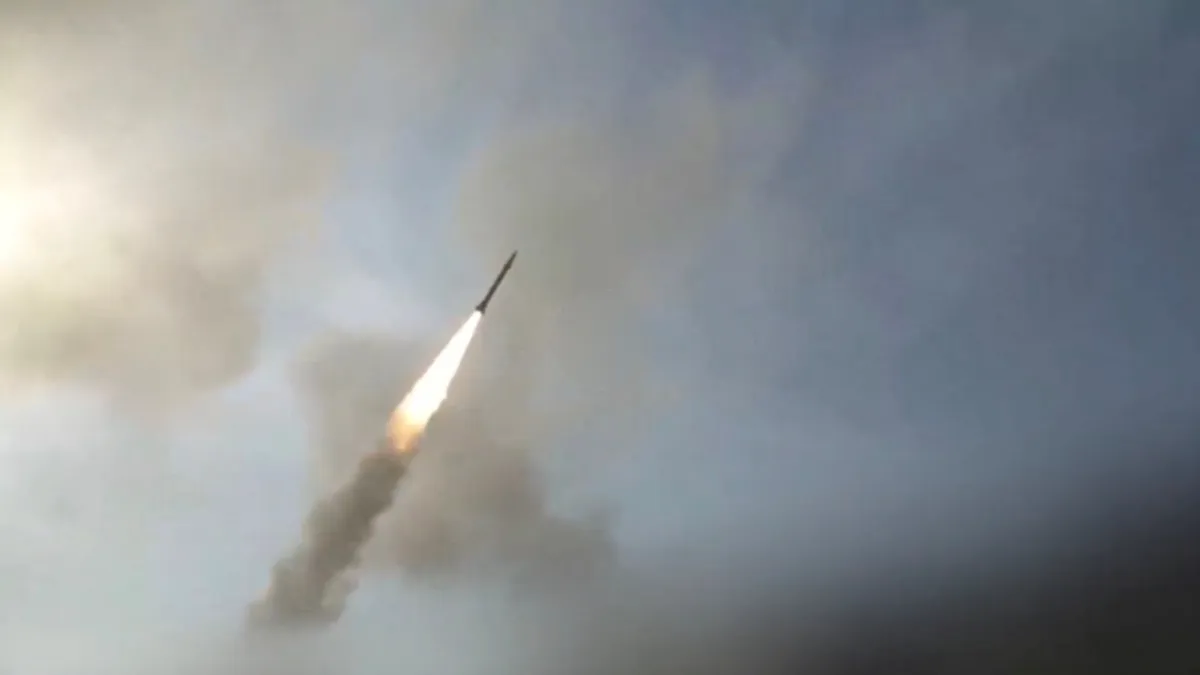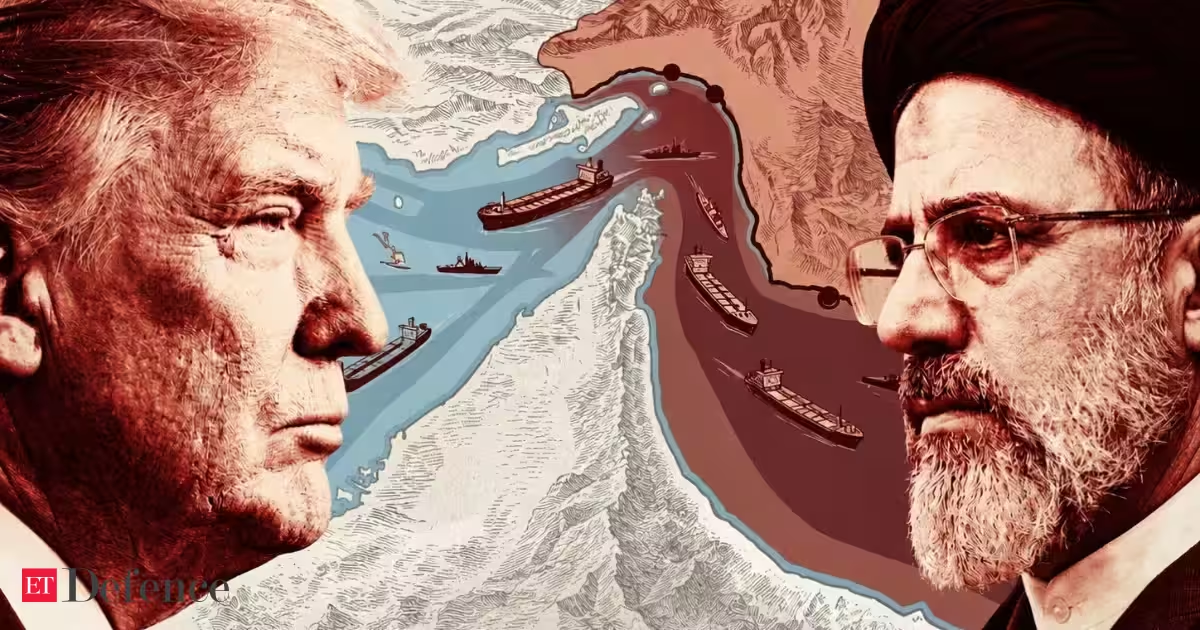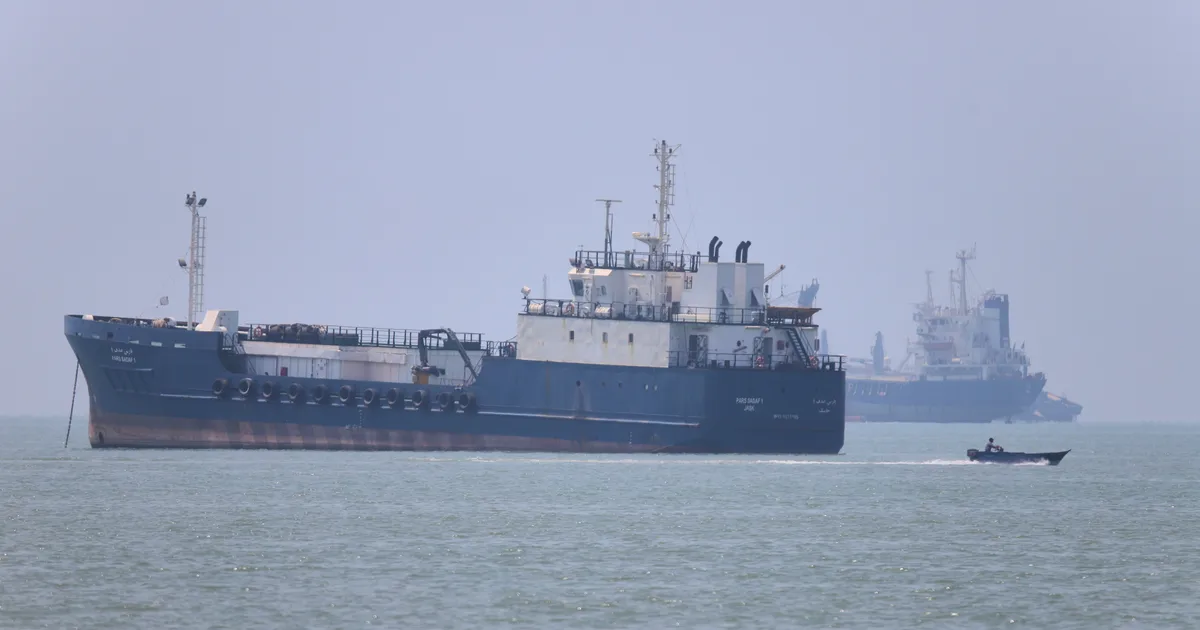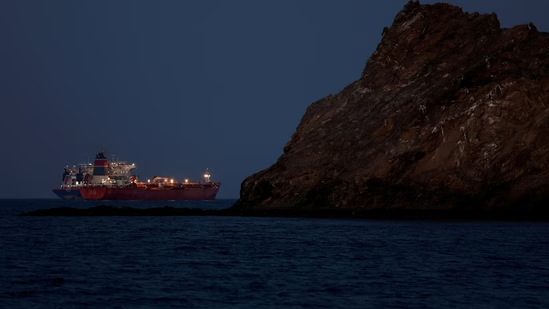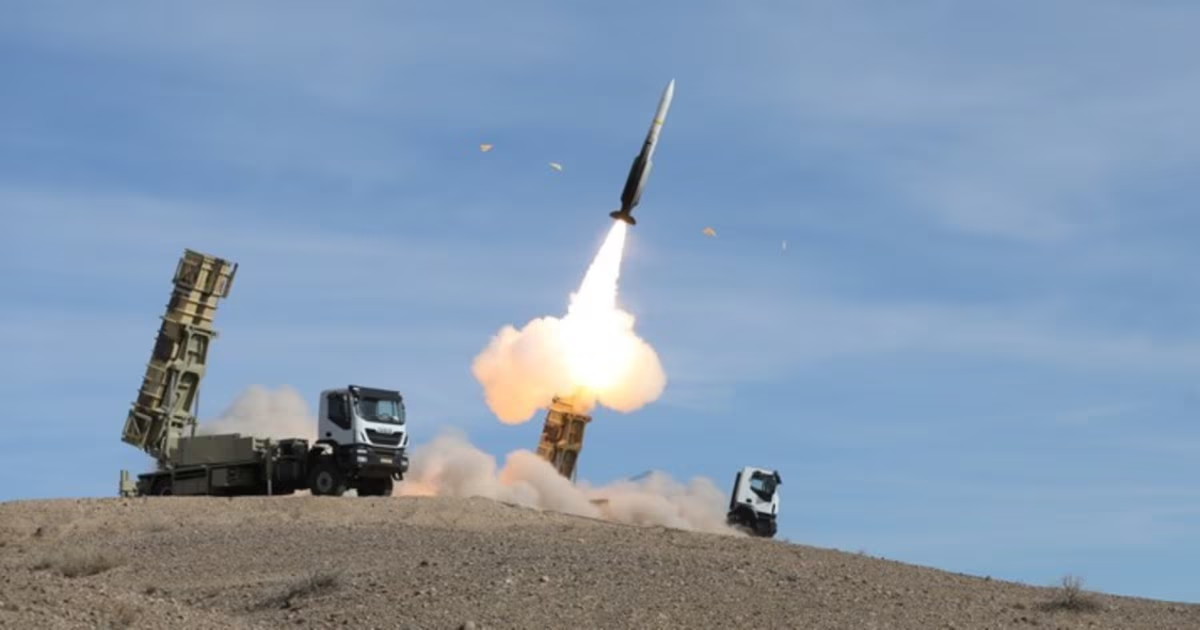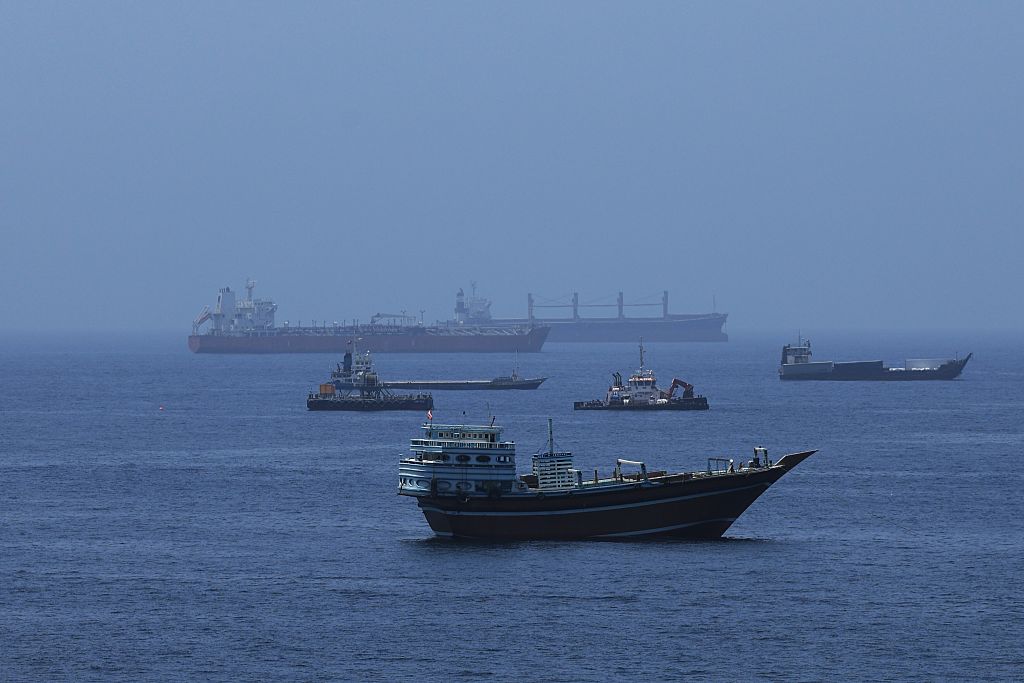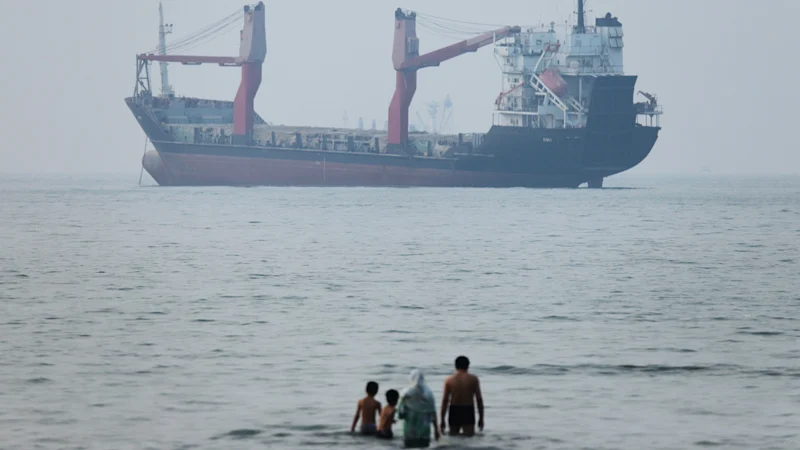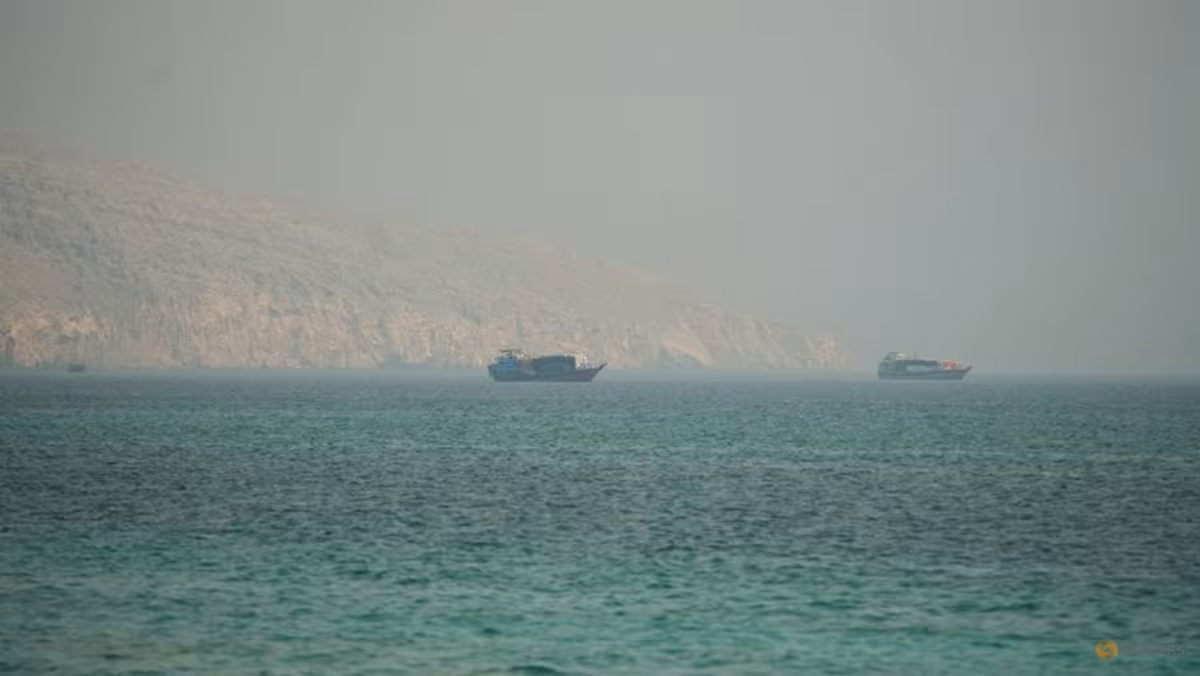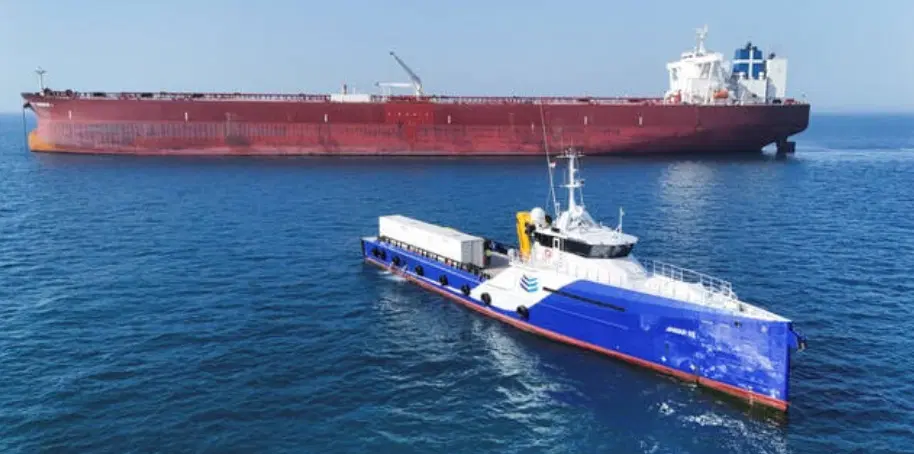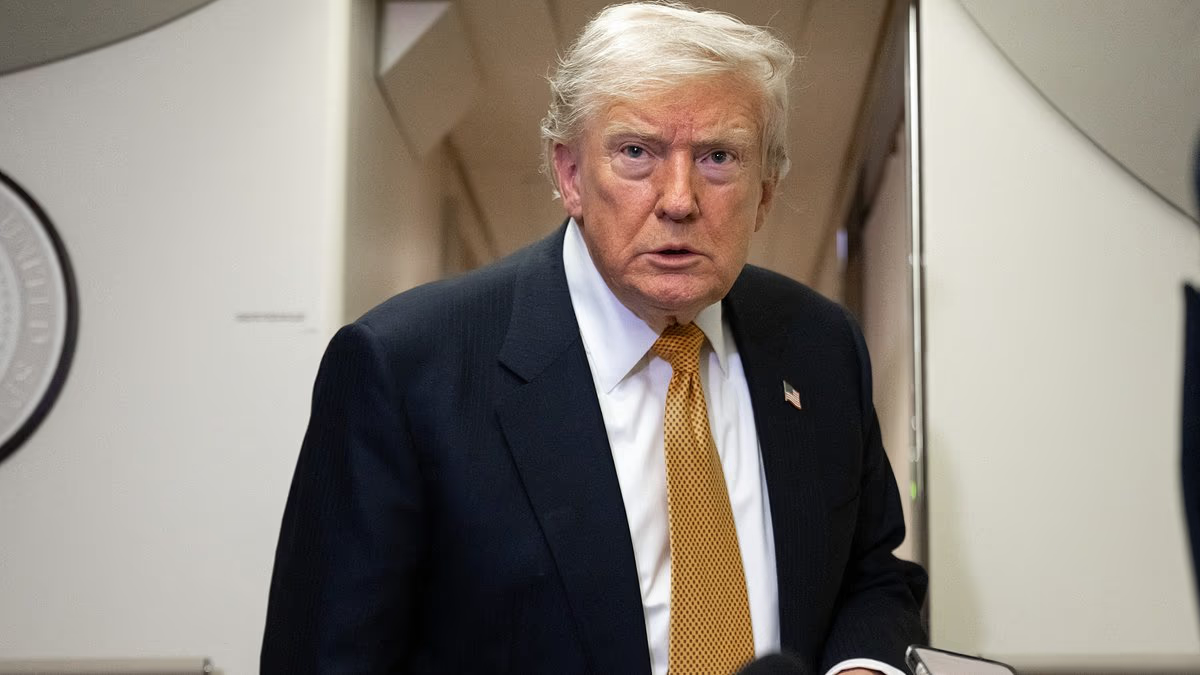
The US has launched retaliatory strikes against Iran after it fired a missile at a cargo ship attempting to cross the Strait of Hormuz. The Cyprus-flagged container ship sustained heavy damage after it was targeted on Saturday, US Central Command said on X.A civilian crew member was still missing after the 'blatant' attack, which forced the ship to stop its journey, authorities said. 'Iran was provided yet another opportunity to demonstrate adherence to the Memorandum of Understanding after being held accountable for earlier attacks on commercial vessels but has again failed,' US Central Command added. Secretary of War Pete Hegseth vowed revenge for the strike and said: 'Iran made a poor choice. Now they pay.' Iran's Islamic Revolutionary Guard (IRGC) declared the strait closed until further notice after the attack, according to a statement cited by CNN.'Given the precariousness that was caused by this unlawful interference by outside parties, the Strait of Hormuz is to be closed until further notice and until regional interference by the US ceases,' the statement read. 'No vessel or naval craft will be allowed to pass,' it continued. Iran's Islamic Revolutionary Guard declared the Strait of Hormuz closed until further notice after firing a missile at a cargo ship President Trump said Friday that the US had agreed to continue negotiating with Iran but 'that the Cease Fire is OVER!' The vessel, which American authorities named as the M/V GFS Galaxy, was attempting to use an unauthorized route to cross the waterway, the IRGC claimed. The US military's strikes on Saturday night, which began around 7.15pm Eastern time, marked the third round against Iran this week.Some of the targets attacked by US forces included air surveillance radars, missile and drone storage, missile and drone launch sites, surface surveillance radars and surface to air missile launchers, according to Axios' Barak Ravid.Iranian Foreign Minister Abbas Araghchi had met with his Omani counterpart on Saturday to discuss the strait given the recent tension.Araghchi explained that the meeting in Oman was meant to discuss 'appropriate mechanisms for ensuring the safe passage of ships,' according to the Associated Press.Omani and Iranian negotiators were set to continue talks 'at the technical and political levels,' Reuters reported, citing Oman's state news agency.Explosions have been reported in southern Iran in the port cites of Bandar Abbas and Sirik, according to Iran’s IRIB state broadcaster, as per Al Jazeera.More than 10 explosions were heard in the port city of Jask, according to the outlet, citing the IRNA news agency. The IRGC said the strait would be closed 'until regional interference by the US ceases' The US had already launched retaliatory strikes on Iran earlier this week after three ships were hit in the straitBlasts have also been heard in Chabahar, Bandar-e Deyr and Asaluyeh, the outlet added. On Friday, President Trump said on Truth Social that he had agreed to continue negotiating with Iran but insisted 'that the Cease Fire is OVER!' Earlier this week, the US had already retaliated against Iran on Wednesday after three ships were struck in the Strait of Hormuz. As part of that attack, American forces hit about 90 military targets, including at least 60 IRGC boats.'US forces remain vigilant, lethal, and prepared to execute operations directed by the Commander in Chief,' a statement at the time said. The Strait of Hormuz, which consists of a narrow passage of water between the Persian Gulf and the Gulf of Oman, is a vital part of the global economy.Around a fifth of the world’s traded oil flowed through the strait every day prior to the ongoing war.But as oil exports go down because of the tensions in the strait, the price of gas has largely risen around the world, putting a strain on customers' wallets.The Daily Mail reached out to the White House for comment. This is a breaking news story. More to come.
US launches strikes at Iran in retaliation after Tehran fires at ship
Iran's Islamic Revolutionary Guard said the strait was 'closed until further notice and until regional interference by the US ceases.'
643 words~3 min read