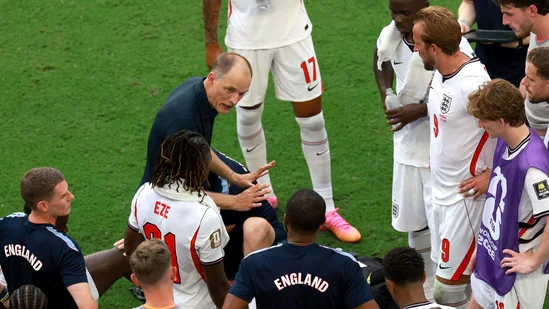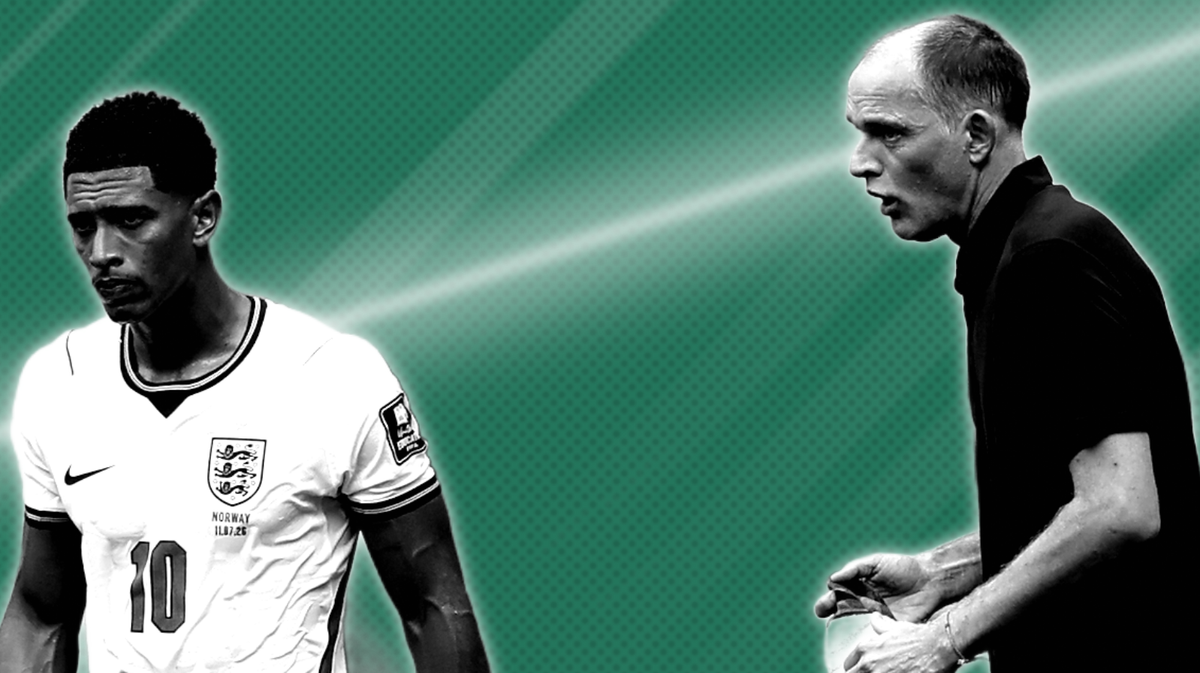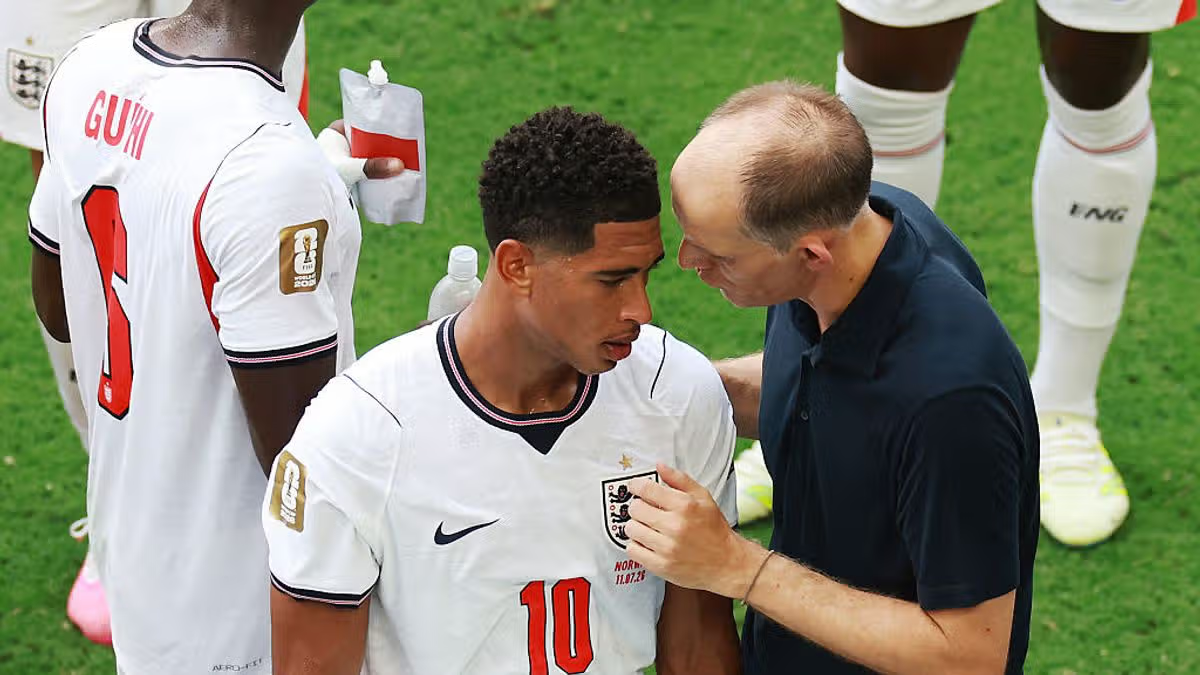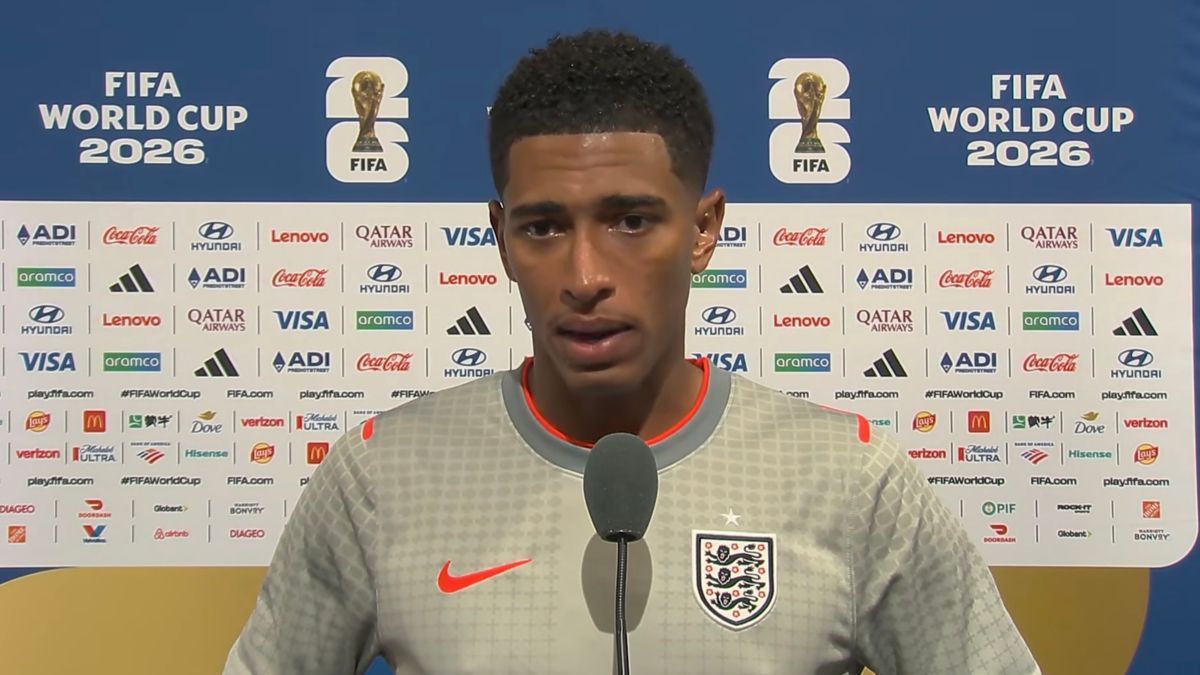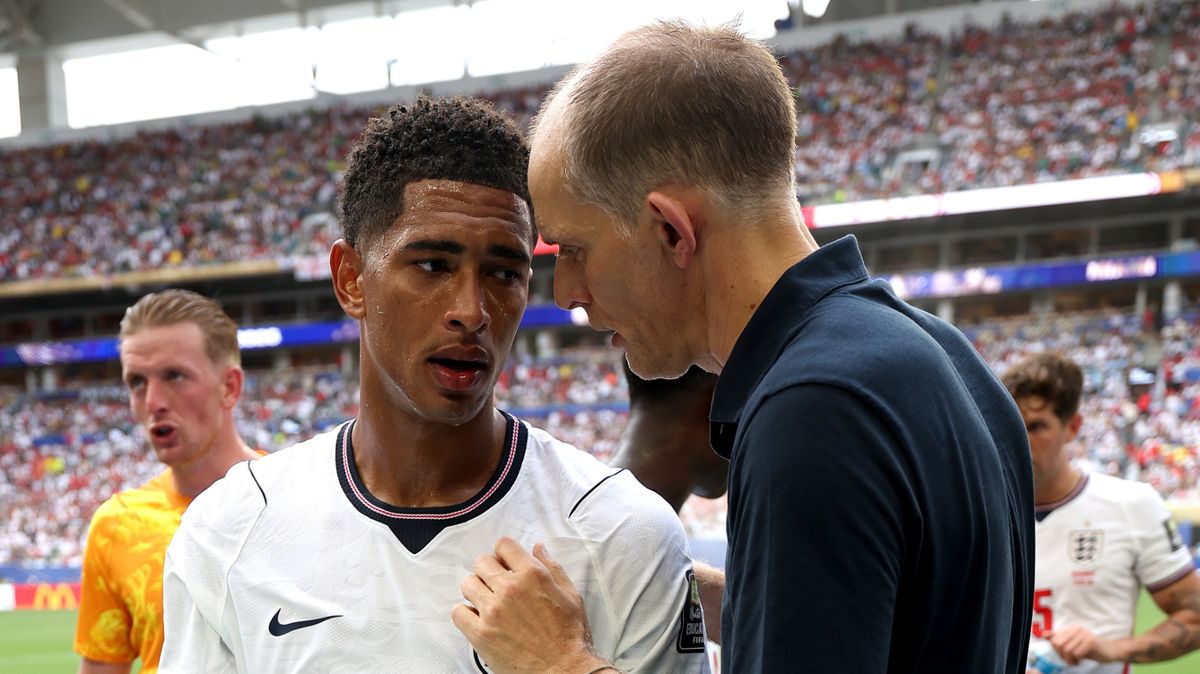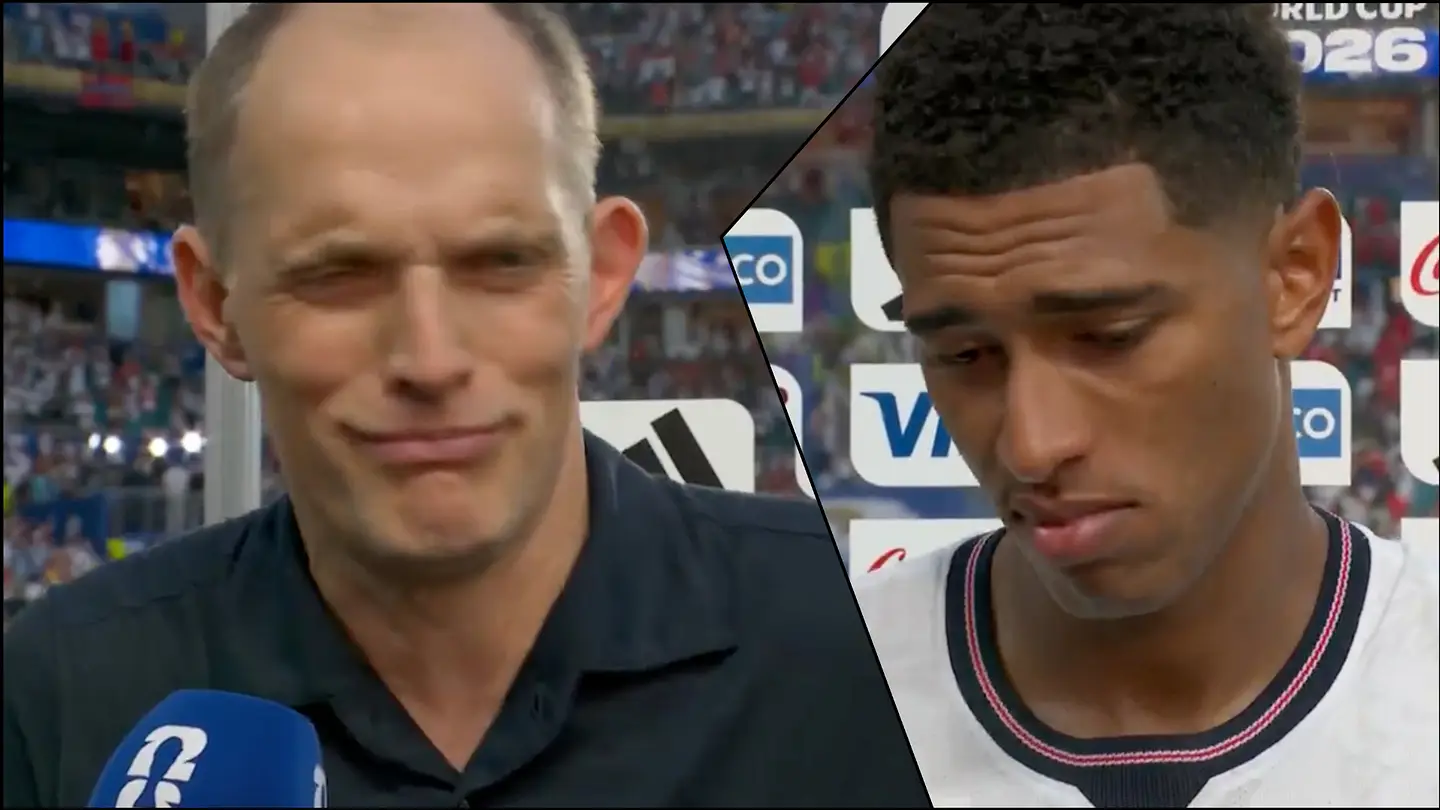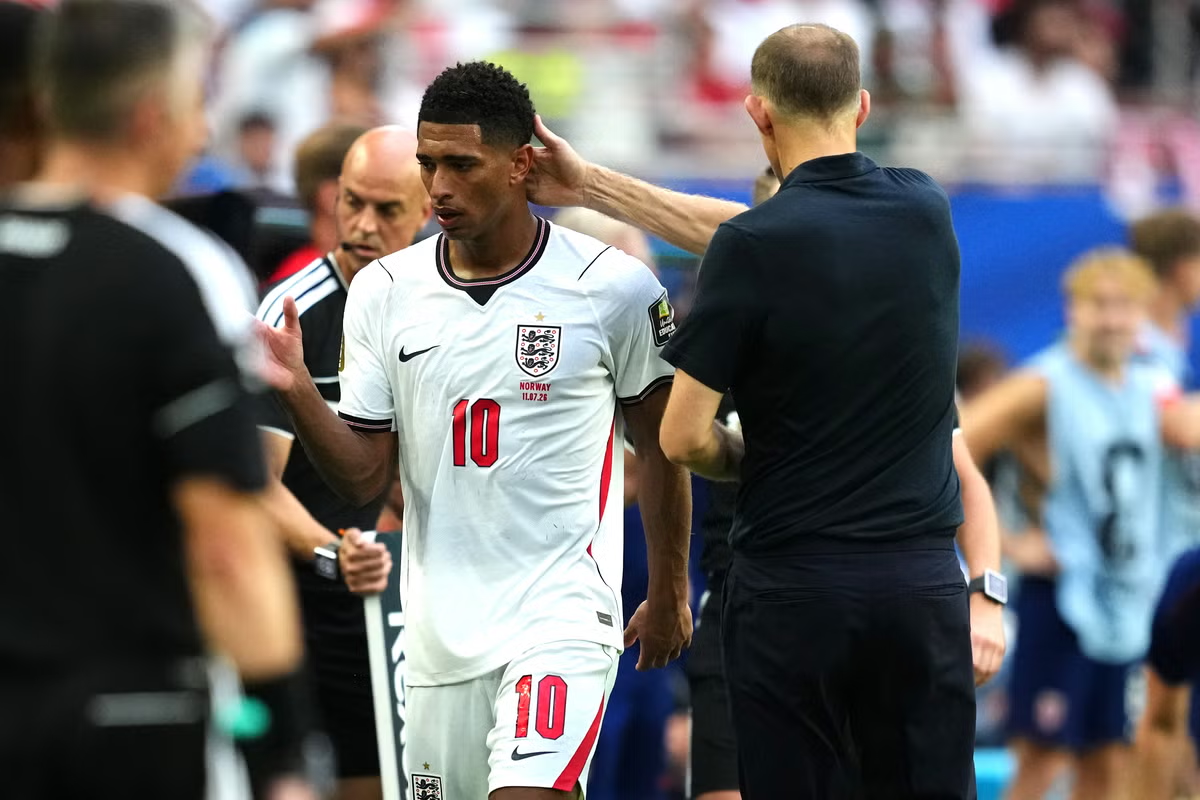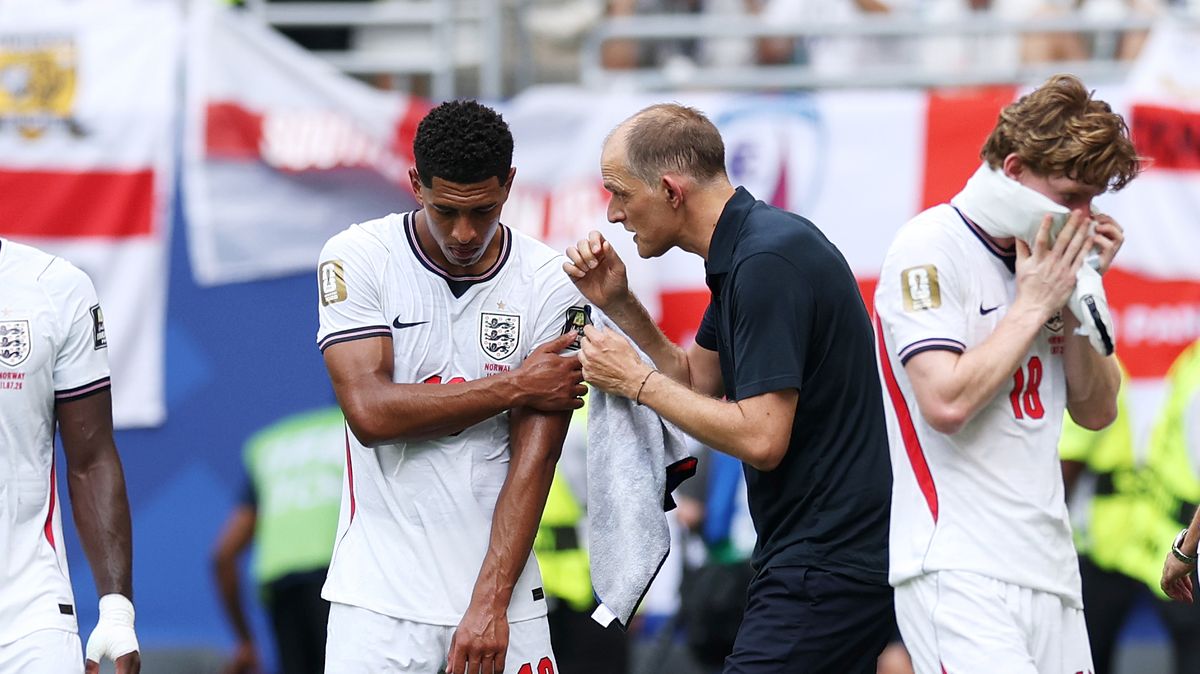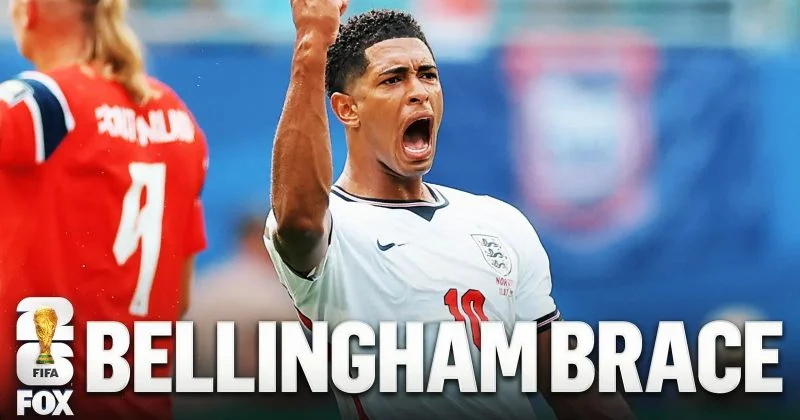
Jude Bellingham just scored two goals to carry England into the World Cup semi-finals. His manager, Thomas Tuchel, responded by calling the performance “sloppy” and “not fast enough.” Bellingham’s reaction, a shrug and a dismissive “Yeah, well, whatever,” is the kind of moment that looks like sports drama on the surface but reveals something deeper about how organizations handle internal conflict when the stakes are highest.
The performance vs. perception gap
England beat Norway in a FIFA World Cup 2026 match, with Bellingham delivering two decisive goals to secure a semi-final berth. Tuchel, who took over as England manager prior to the 2026 World Cup with a focus on discipline and performance standards, saw it differently. He wanted process excellence, not just results. In his post-match assessment, he labeled the display as sloppy and suggested England’s success owed more to luck than skill.
Bellingham pushed back, suggesting Tuchel may not fully understand the conditions players face when competing against top-level opposition in high-pressure knockout rounds. He emphasized the importance of maintaining a positive team atmosphere during competition rather than dissecting flaws publicly.