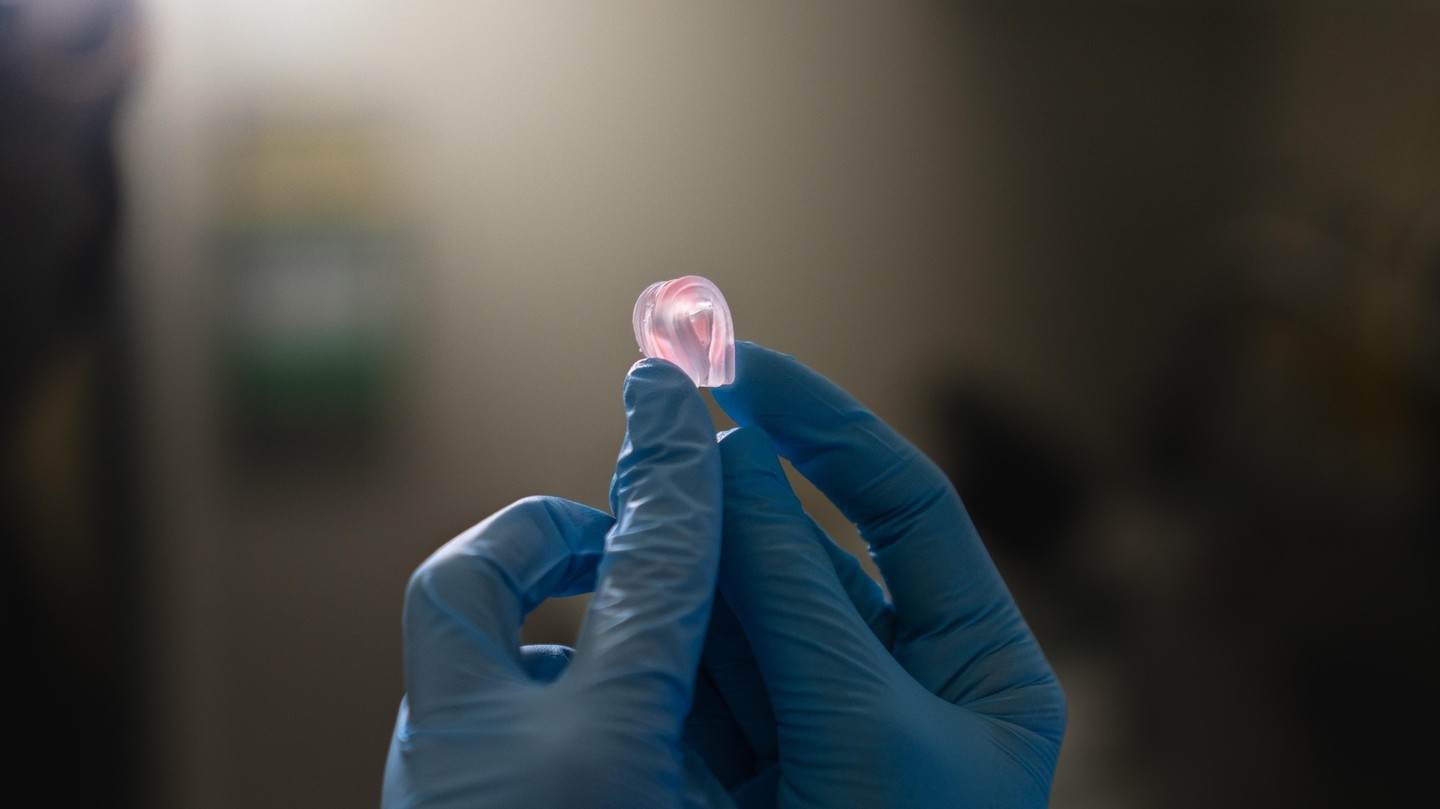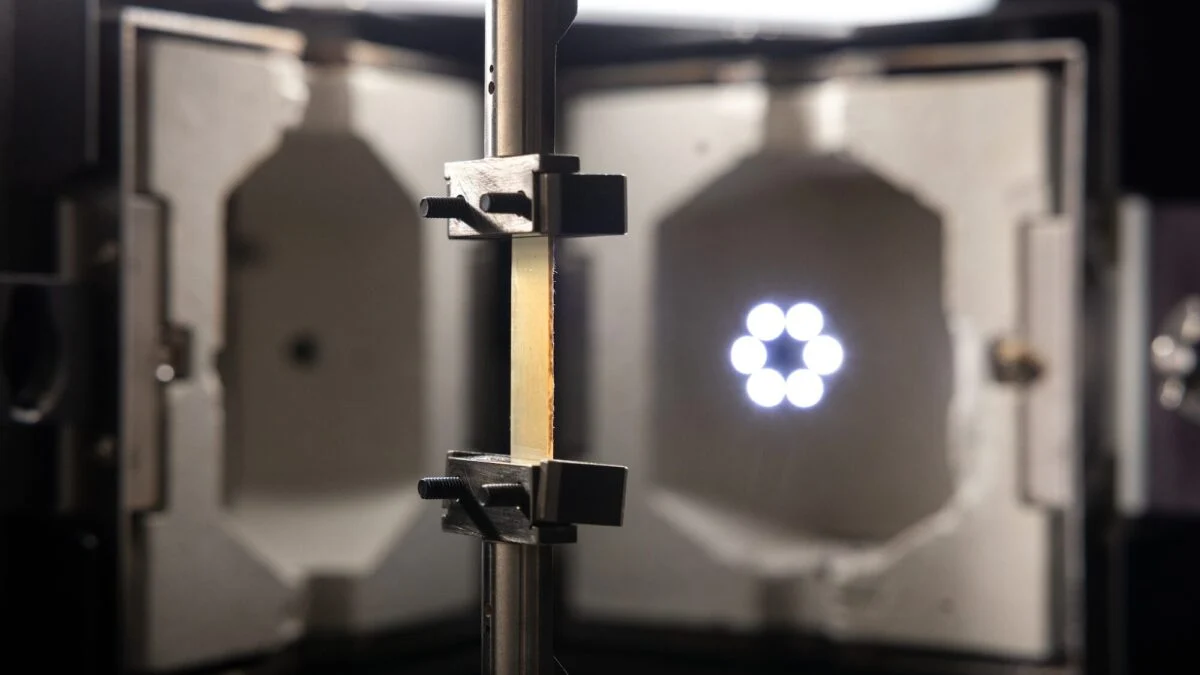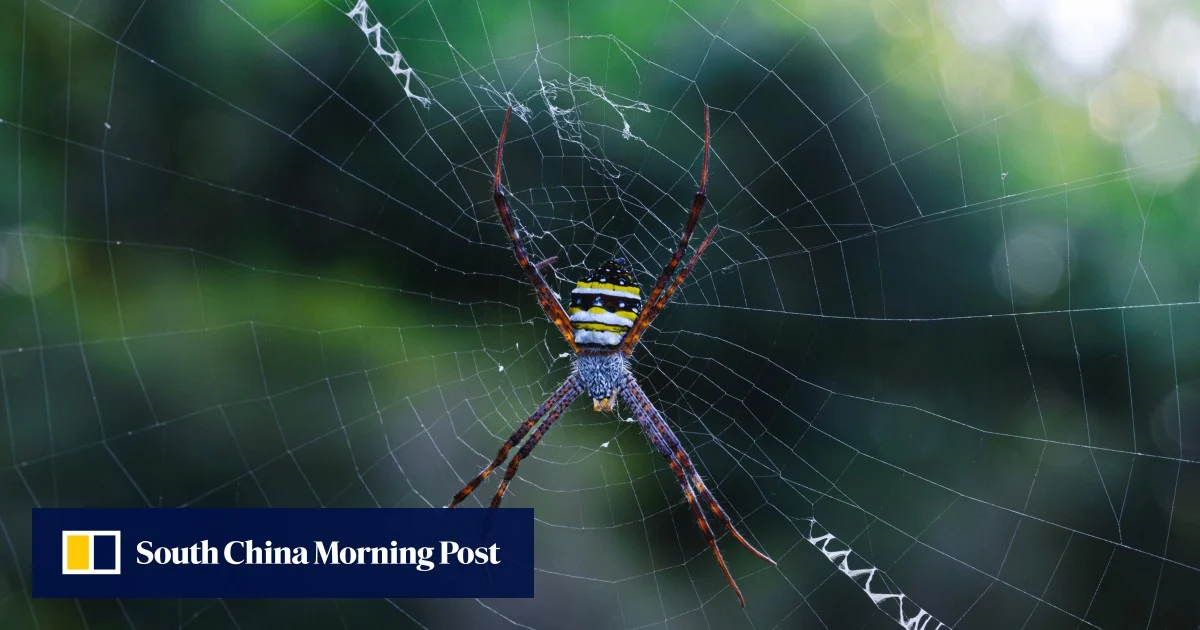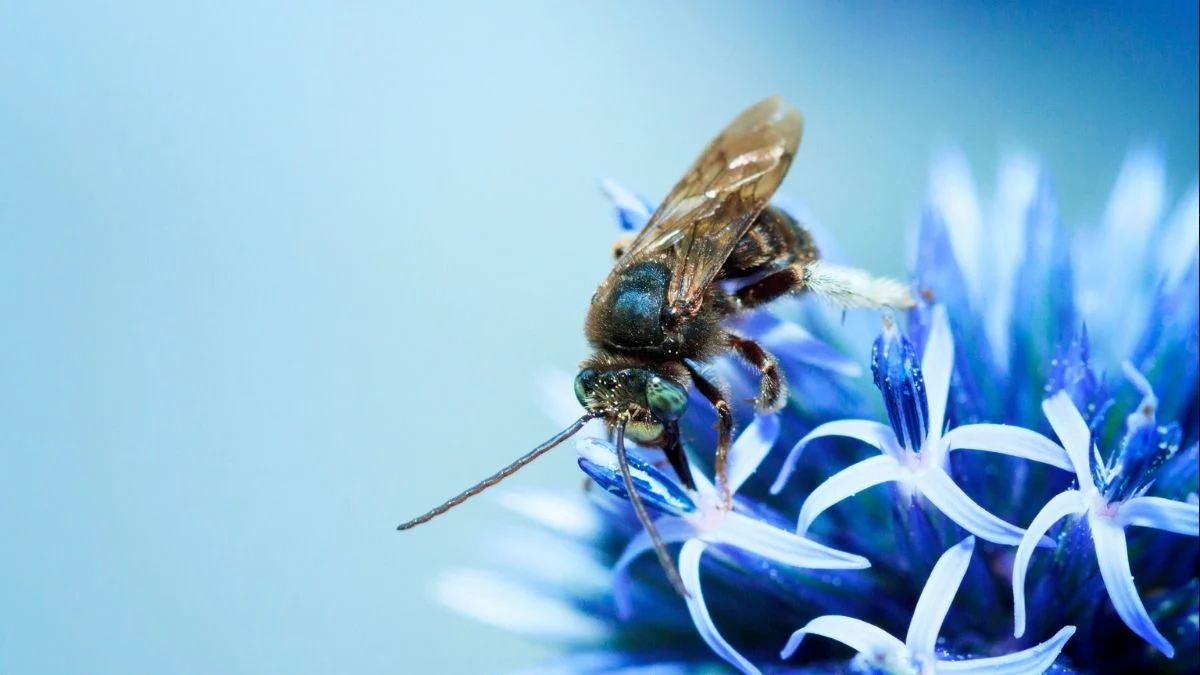
While the world drowns in plastic, researchers are on the hunt for practical materials that are lightweight, tough, and biodegradable. In recent years, scientists have increasingly turned to the natural world for inspiration – with a whole lot of research focusing on the impressive features of spider silk.But there's another promising alternative hiding in plain sight: bee silk.If you're scratching your head right now, you're not alone. Most people have never heard of bee silk. "Silk production is far more widespread in nature than most people realize," Oran Wasserman, a molecular biologist who completed his doctorate at Utah State University in Justin Jones' Spider Silk Lab, told ScienceAlert. "Silk has evolved independently many times, with at least 23 separate origins in insects alone," Wasserman explained, including ants, bees, and wasps.Earlier this year, Wasserman and his team became the first to create a film of a specific type of bee silk – an important first step in harnessing the power of the incredible material.
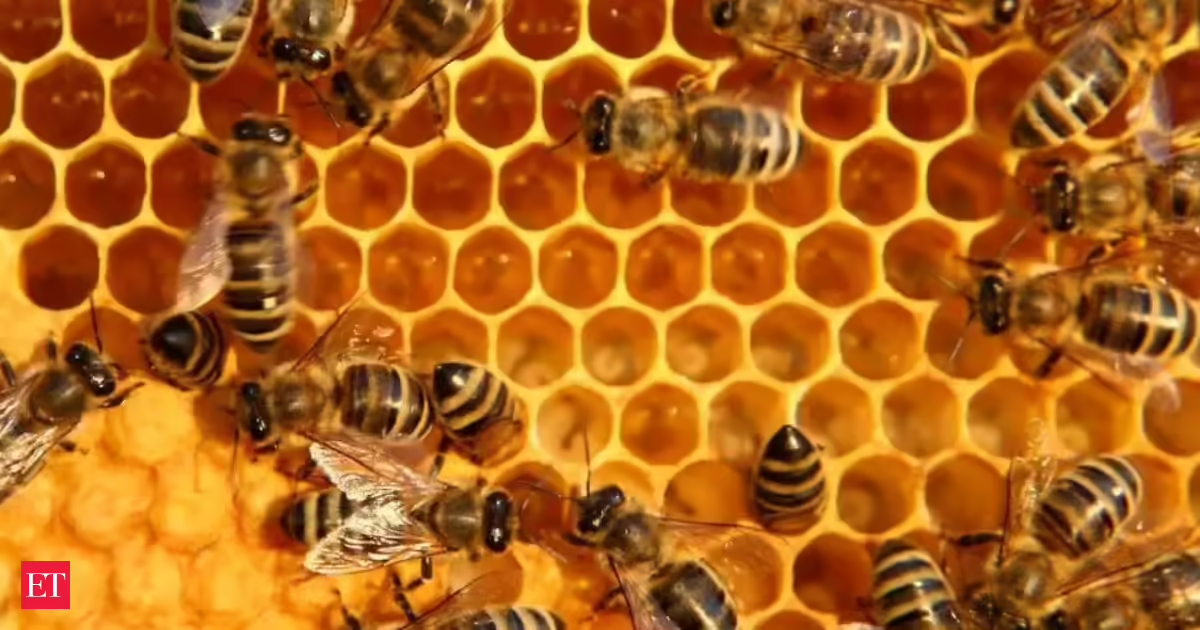
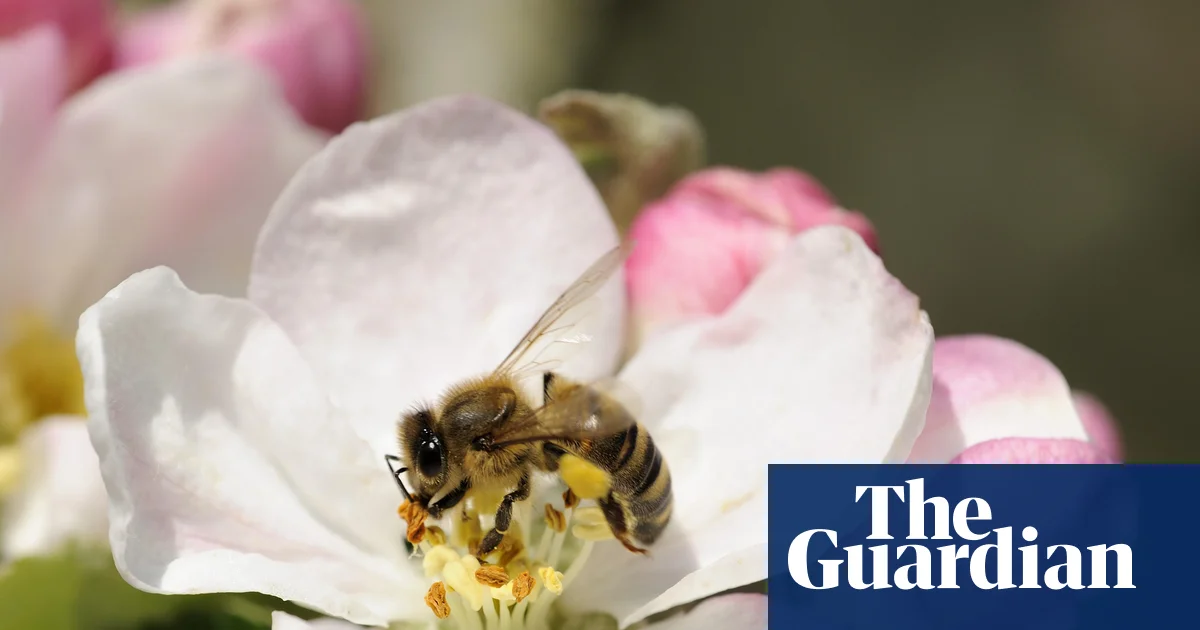
In the insect world, silk can be used for anything and everything from web-building to nest construction to cocoon-spinning.For bees specifically, the purpose is protection. "Social bees, such as honey bees and bumble bees, produce silk to line the brood cells of their colonies," said Wasserman. "Solitary bees, which make up about 75 percent of all bee species, spin silk to construct cocoons that provide protection from environmental stressors."That's right, around three quarters of all bee species spin silk.