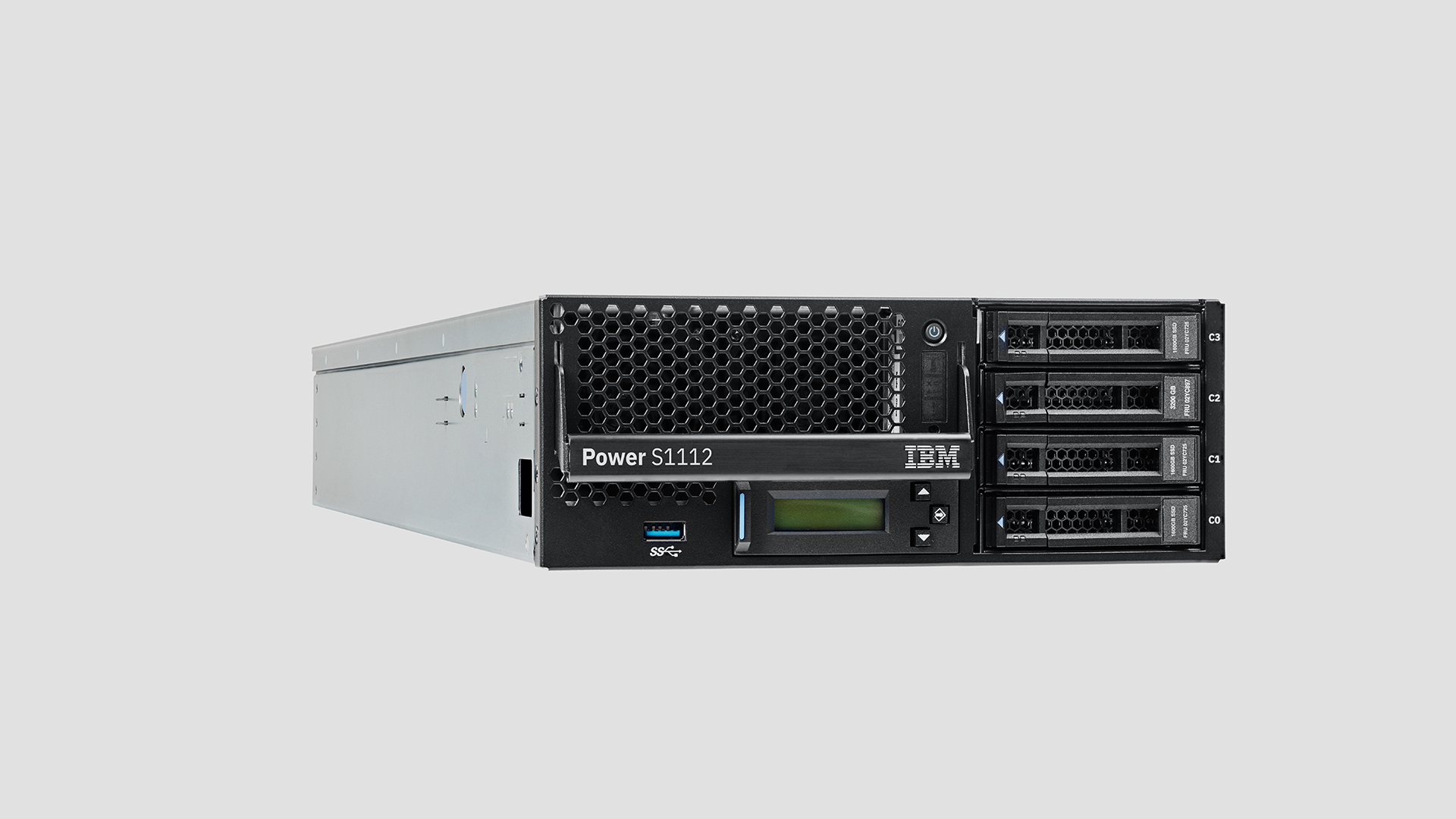
Many companies still run production, warehousing, orders and invoicing on a business system that has been going for twenty years or more on an AS/400. Today that platform is called IBM i (it went from AS/400 to iSeries, System i and finally IBM i), but the name almost everyone still uses is the first one. Faced with a system this old, the instinctive reaction is to think it should be scrapped and rebuilt. Almost always that is the wrong conclusion. The problem is rarely the machine, which remains reliable and fast. The problem is that the system lives isolated from the rest of the world, depends on an increasingly rare skill, and was often never designed to be exposed to the outside safely. These are three different problems, and none of them is solved by rewriting everything from scratch.
The AS/400 system works: the problem is elsewhere
An AS/400 that has been in production for years has an underrated virtue: it holds the company's business logic, refined by decades of real cases, exceptions and fixes. Rewriting it from zero means throwing that asset away and risking the reintroduction of bugs that were already solved. That is why the real risks are three others. The first is isolation: the system does not talk to the website, the app, the customer and supplier portals, the other applications. The second is skills: the language it is written in, RPG, is mastered by ever fewer people, many close to retirement. The third is security: born in an era when the system sat locked in a machine room, it is not necessarily ready to be reached by a modern network.