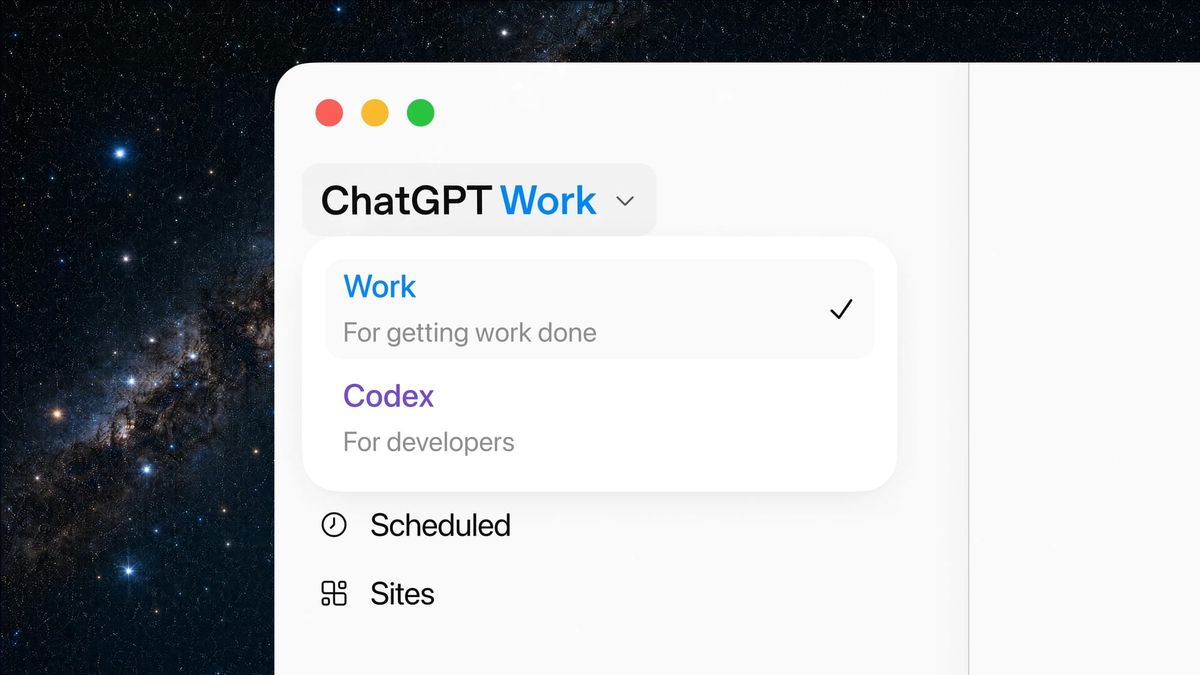
Another packed week in AI. OpenAI ended its 12-day restricted preview and opened GPT-5.6 to the world — three models, a new durability concept, and the ChatGPT Work + Codex integration that signals where the company is headed. Meta's Muse Spark 1.1 landed with enough firepower to pull Mark Zuckerberg back to X after three years of silence. And NVIDIA and Hugging Face took a big swing at open-source robotics.
Let's dig in.
1. OpenAI GPT-5.6 Goes Public — Sol, Terra, Luna Redefine the Tier System
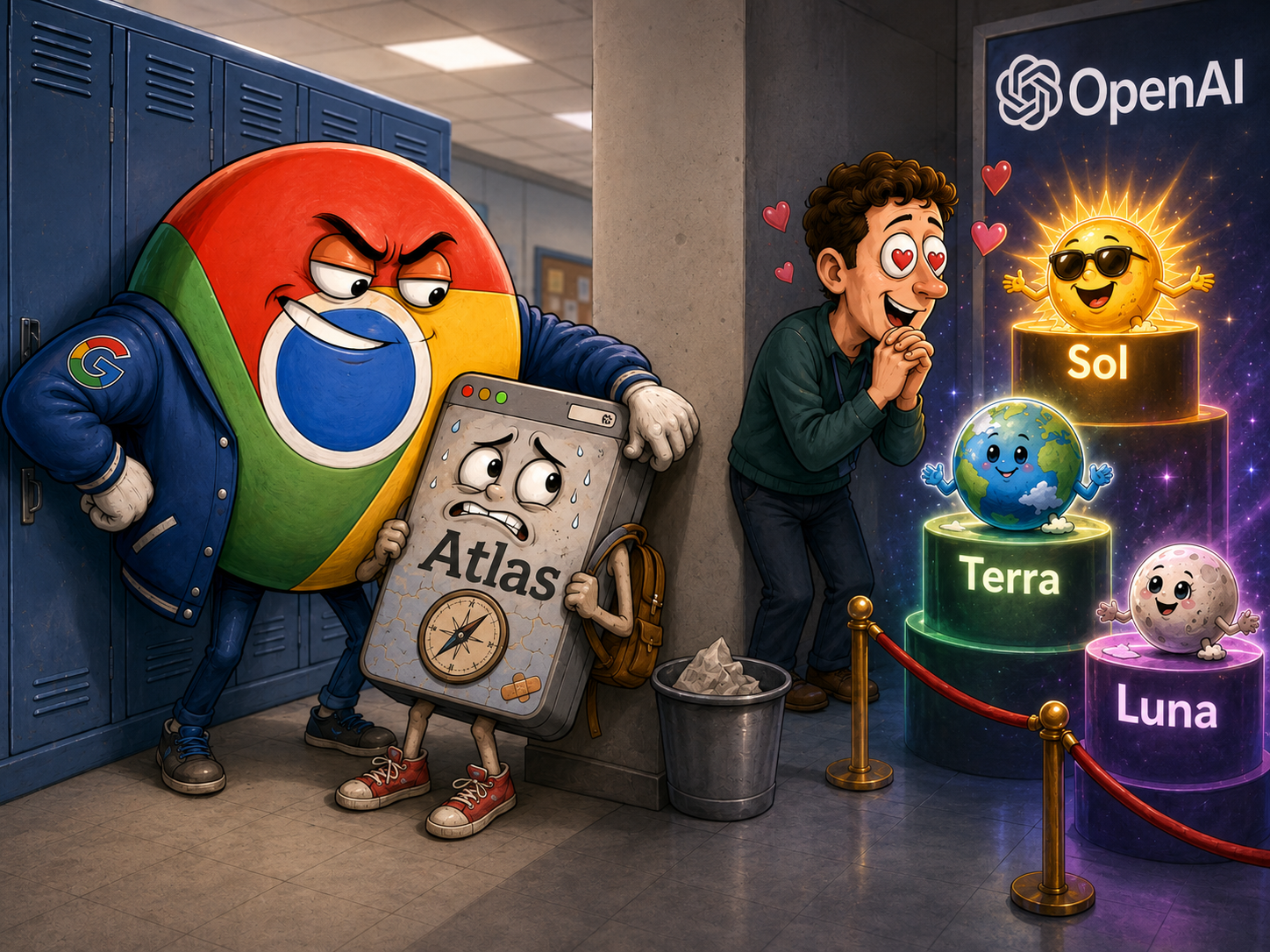
OpenAI officially released the GPT-5.6 series on July 9, ending 12 days of restricted government preview. The three-model family — Sol, Terra, and Luna — introduces a new "durable capability tier" concept: the names identify capability levels, not versions, meaning Sol can be upgraded to a future GPT-5.7 while keeping its tier identity.
Sol, the flagship, sets new state-of-the-art across coding (80 on the Artificial Analysis Coding Agent Index, beating Claude Fable 5 by 2.8 points), cybersecurity (73.5% on ExploitBench vs GPT-5.5's 47.9%), and knowledge work. It runs in three effort modes: default for cost efficiency, max for extended reasoning, and ultra which coordinates 4 parallel agents by default (scalable to 16). Pricing runs $5/$30 per million input/output tokens for Sol, $2.50/$15 for Terra, and $1/$6 for Luna.