This week, AI Gateway became the de facto routing layer for serious agentic workloads—Meta and OpenAI both landed major model releases there, and the economics are starting to make direct provider API management feel like unnecessary overhead. Meanwhile, a benchmark integrity problem that most teams were quietly ignoring got officially quantified, and Rust quietly shipped a default change that's been years in the making.
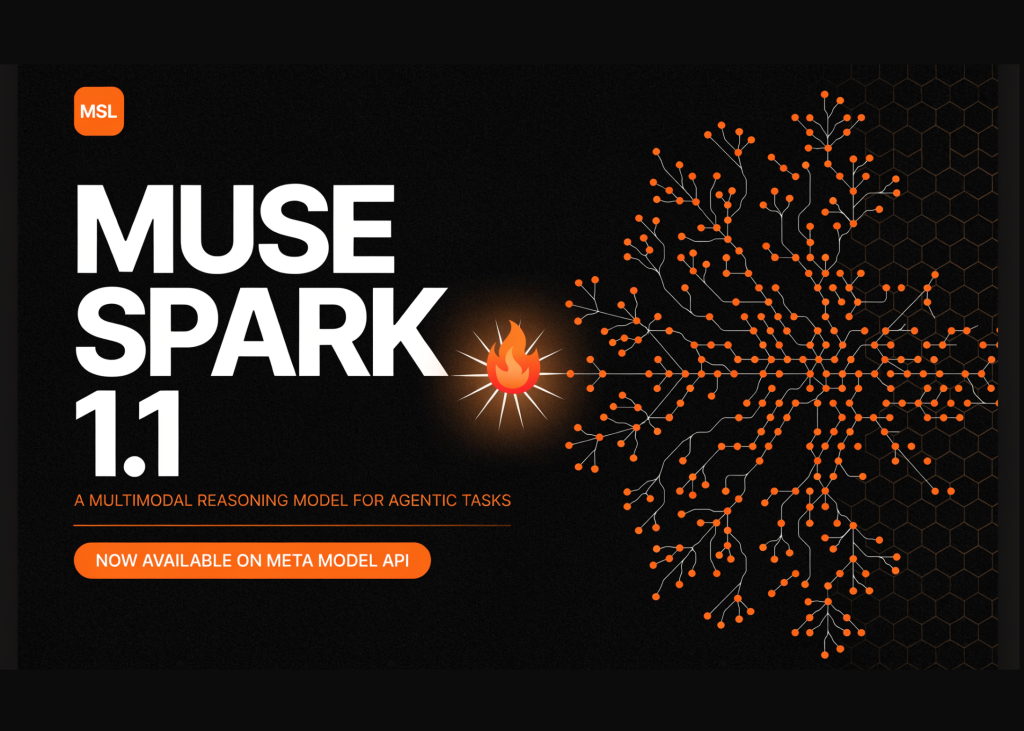
Muse Spark 1.1 multimodal agent now available on AI Gateway
Meta's Muse Spark 1.1 is a 1M-token agentic model with native parallel tool calling and structured output, now routable through AI Gateway using model: 'meta/muse-spark-1.1'. The Gateway layer gives you cost tracking, failover rules, retries, and Zero Data Retention support without managing a separate Meta API integration.
The parallel tool calling is the real story here. Most agent frameworks serialize tool calls sequentially by default—your orchestration loop waits for each tool response before issuing the next. Muse Spark's native composition lets you fan out calls in parallel, which meaningfully reduces wall-clock time on tasks like spec parsing or multi-step data retrieval. Combine that with a unified observability layer and you've eliminated a category of boilerplate that typically lives in custom middleware.