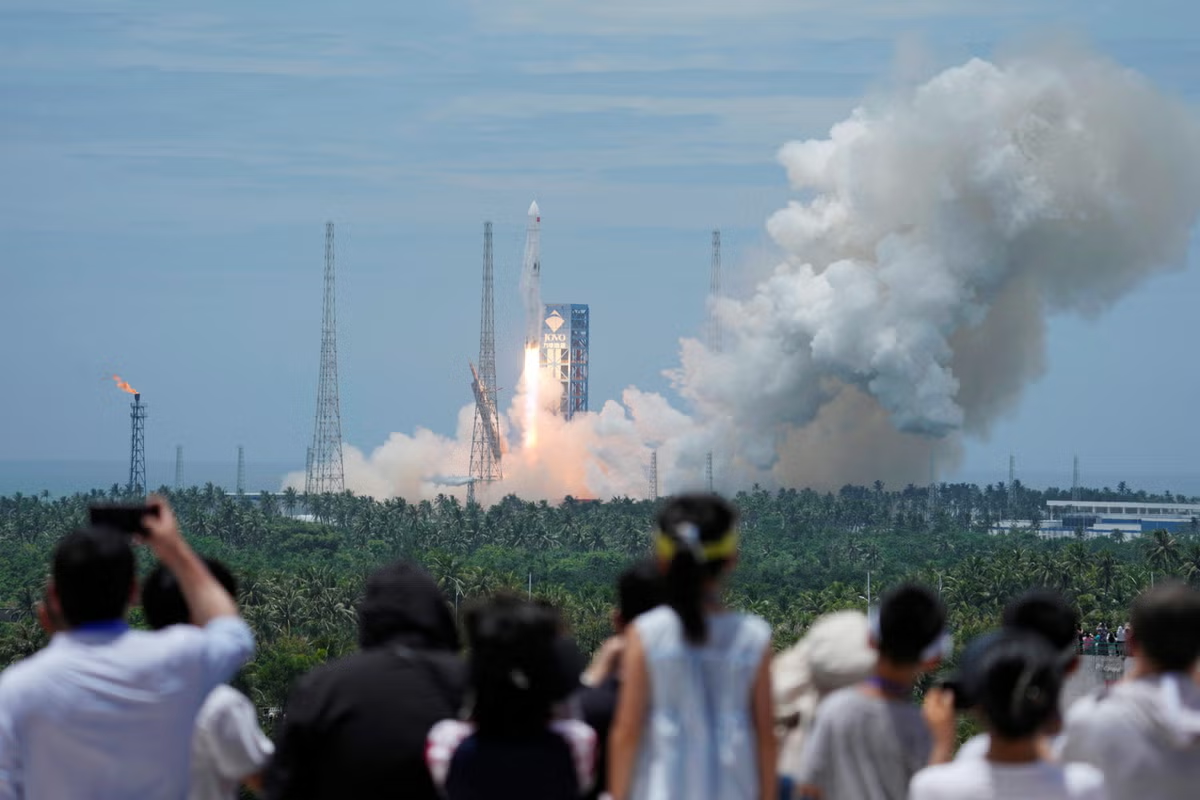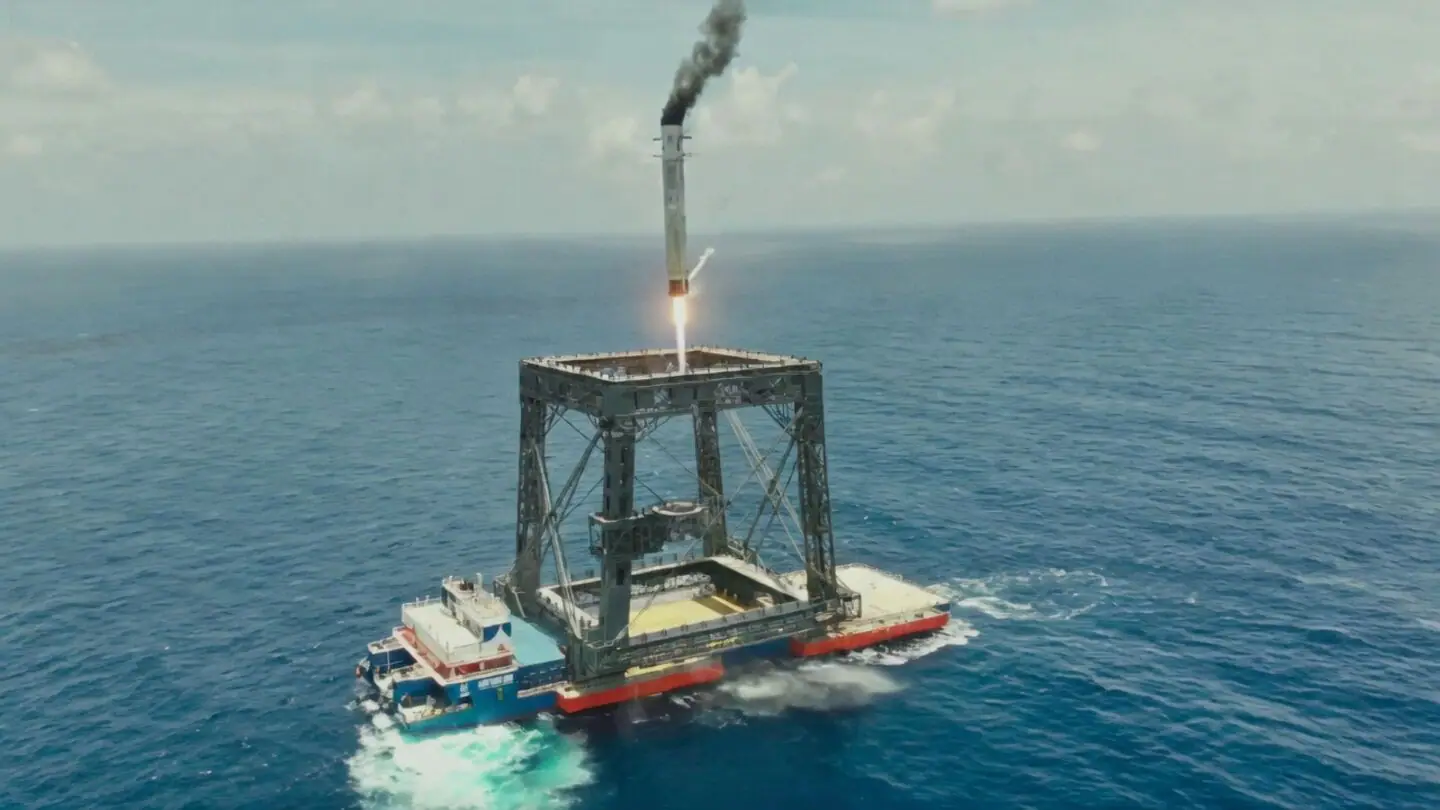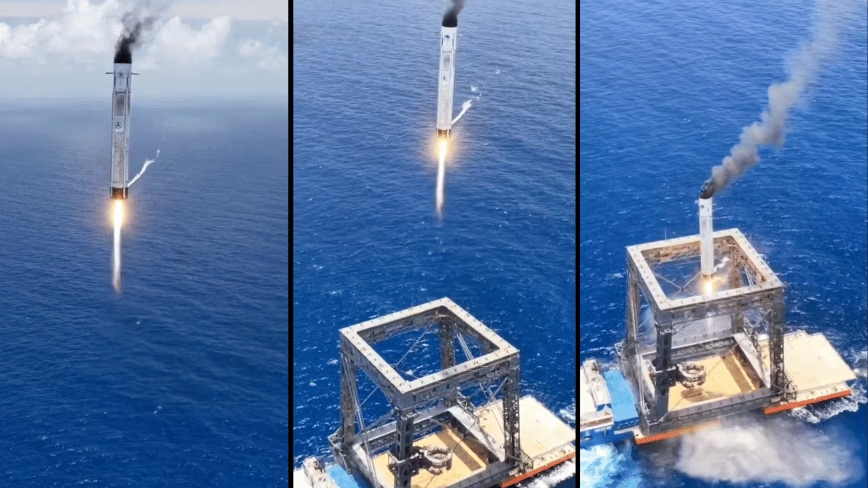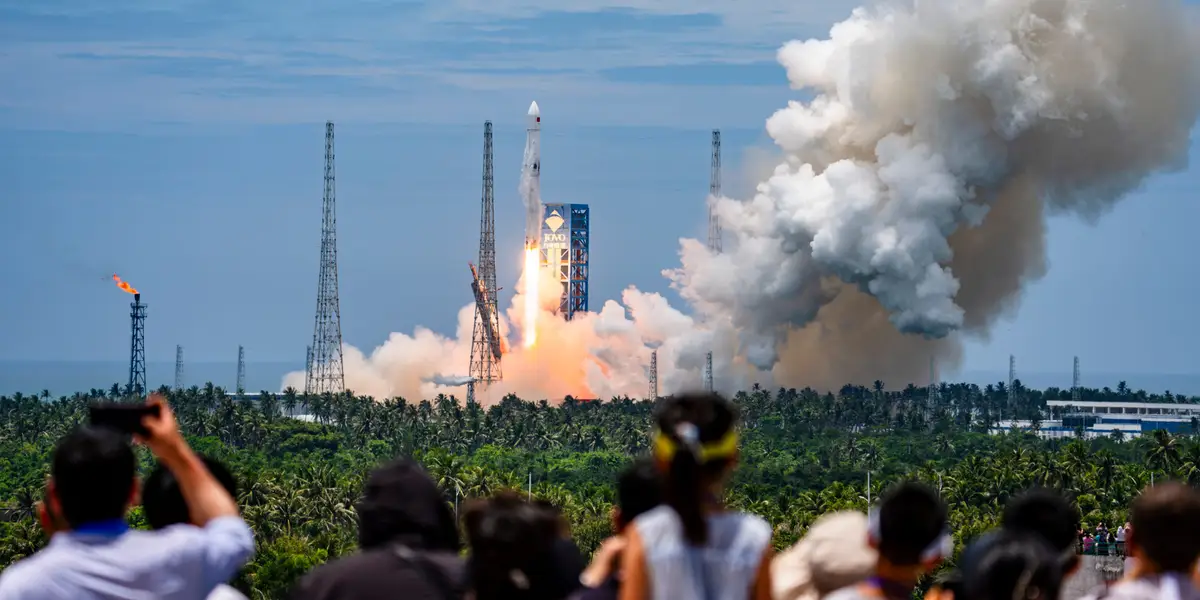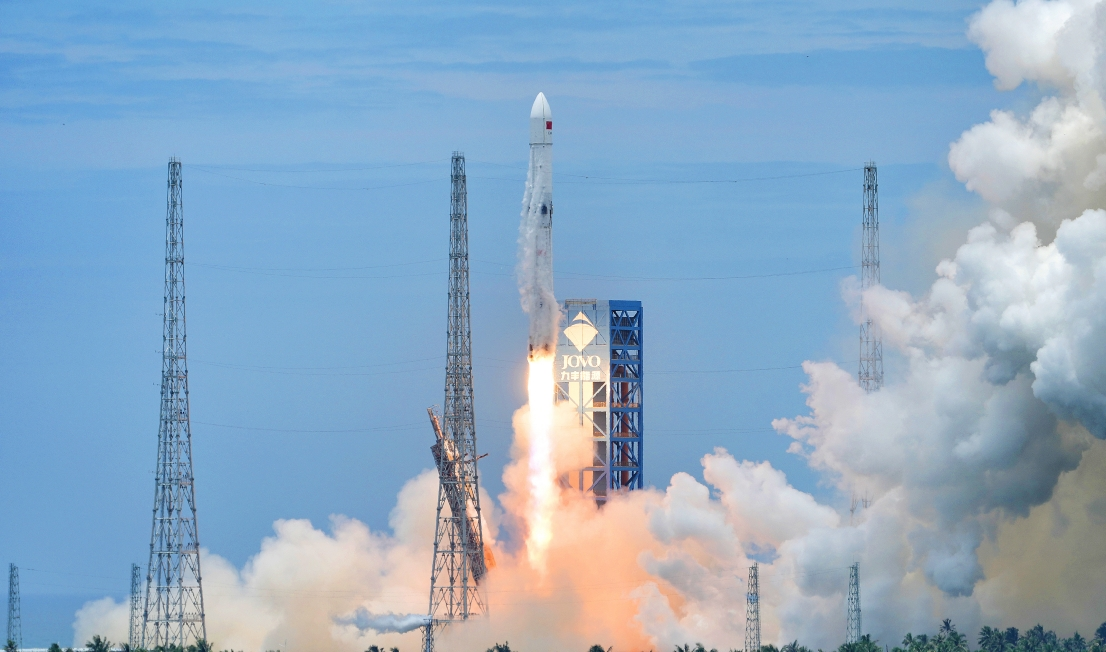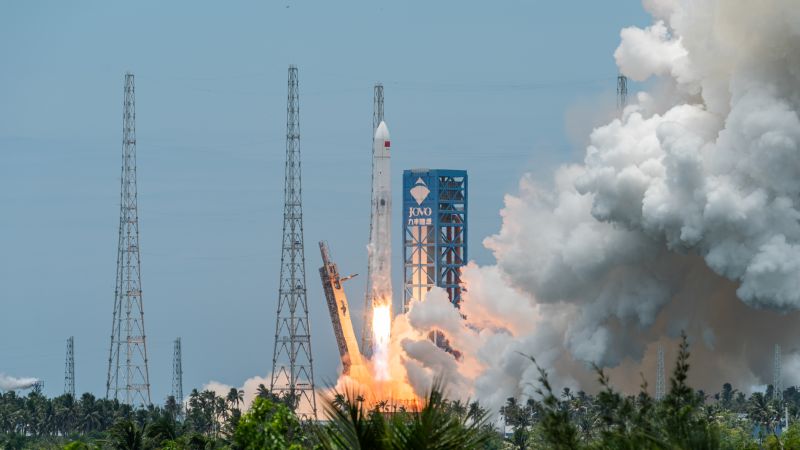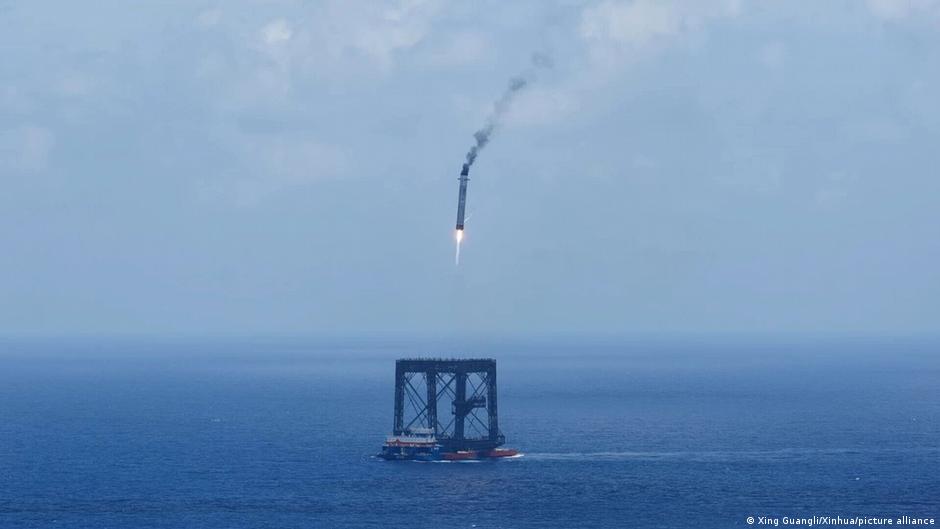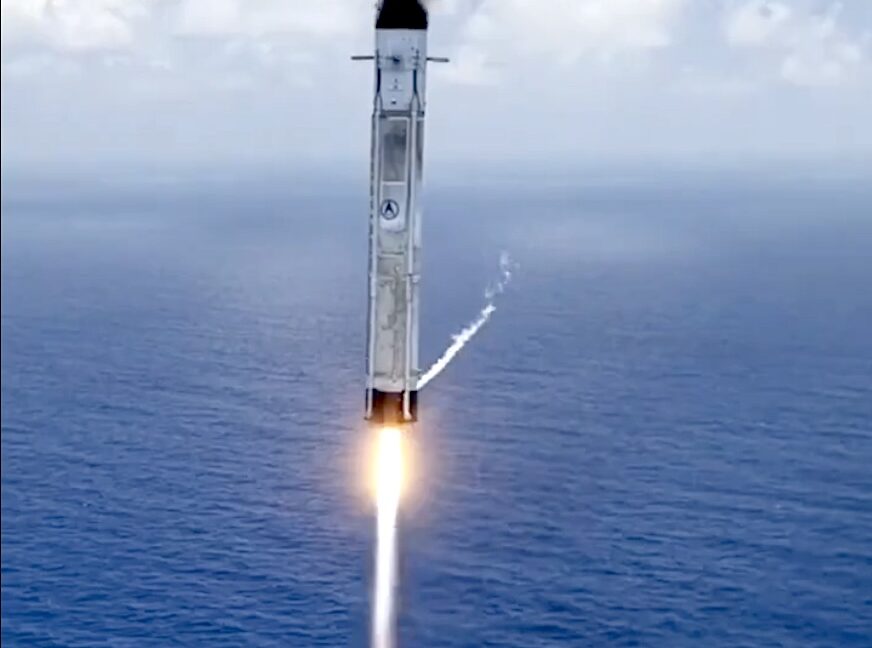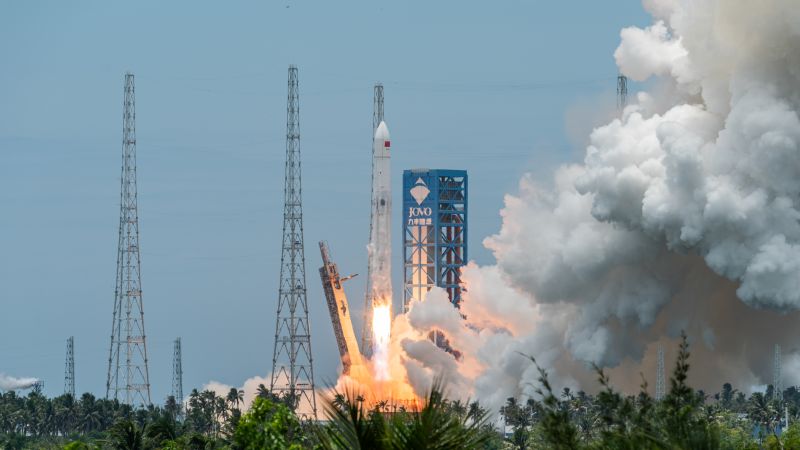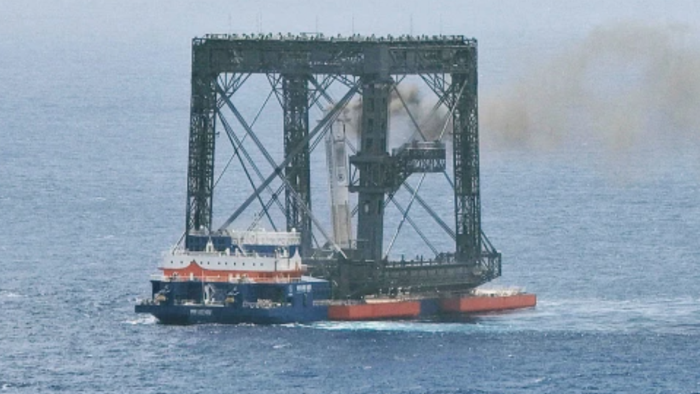
China successfully landed the first-stage booster of a Long March 10B rocket on a floating barge during an orbital launch test earlier Friday, marking the first major step in reusable launch technology, albeit roughly a decade behind Elon Musk's SpaceX."This mission … signifies a historic breakthrough in China's reusable rocket technology and a solid foundation for accelerating the improvement of China's space access capabilities," the China Aerospace Science and Technology Corporation wrote in a social media post.China has achieved its first-ever controlled recovery of a rocket booster, a breakthrough for the country's reusable space tech. On the maiden flight of Long March-10B, the rocket successfully placed its payload into orbit, and its first stage returned and was captured by a net… pic.twitter.com/YZRcgbneTg
— China Xinhua Sci-Tech (@XHscitech) July 10, 2026Reusable rockets are key to SpaceX's dominance of the global launch market, with Musk's company having mastered booster recovery and reuse a decade ago:December 21, 2015: First successful landing of an orbital-class Falcon 9 booster.April 8, 2016: First successful landing on an ocean drone ship.March 30, 2017: First relaunch of a previously flown Falcon 9 booster, marking the start of operational reuse.Ten Years Ago: SpaceX Falcon 9 First Stage Landing Blue Origin, SpaceX's closest U.S. rival, completed the first successful landing of a New Glenn first-stage booster last November.pic.twitter.com/0WzaWjjjL9