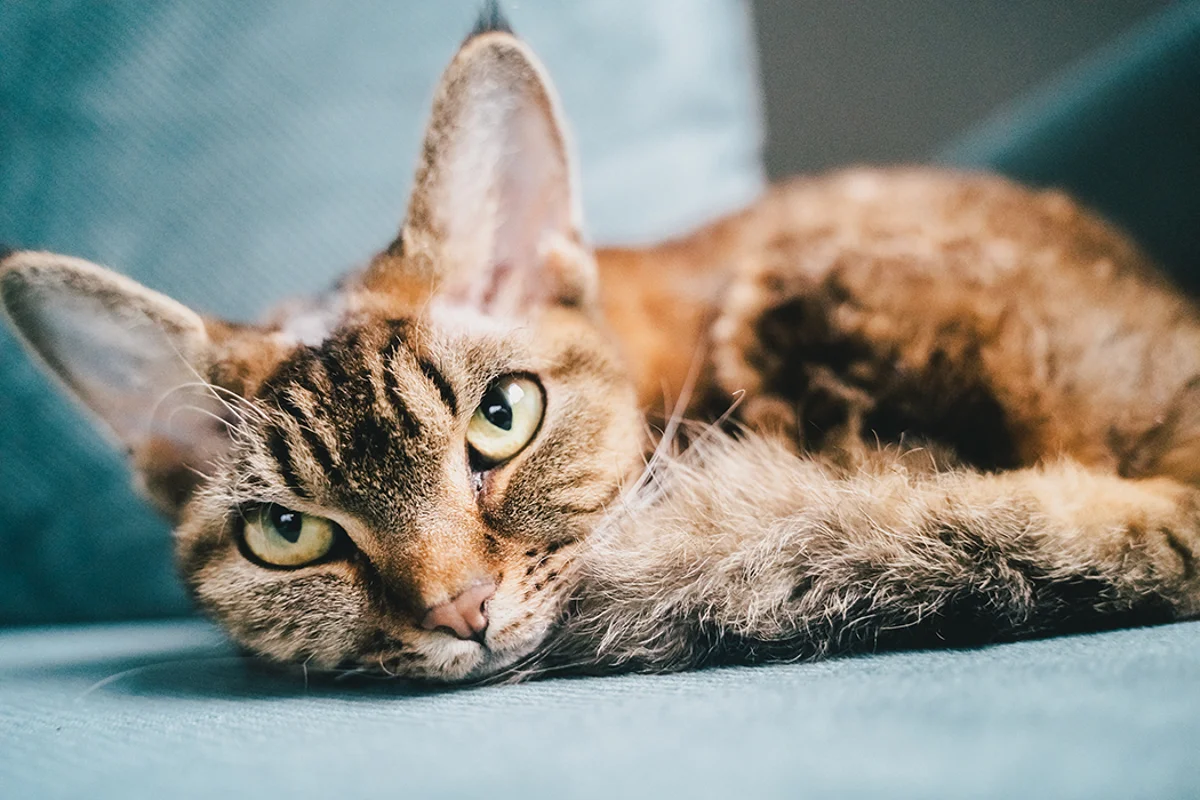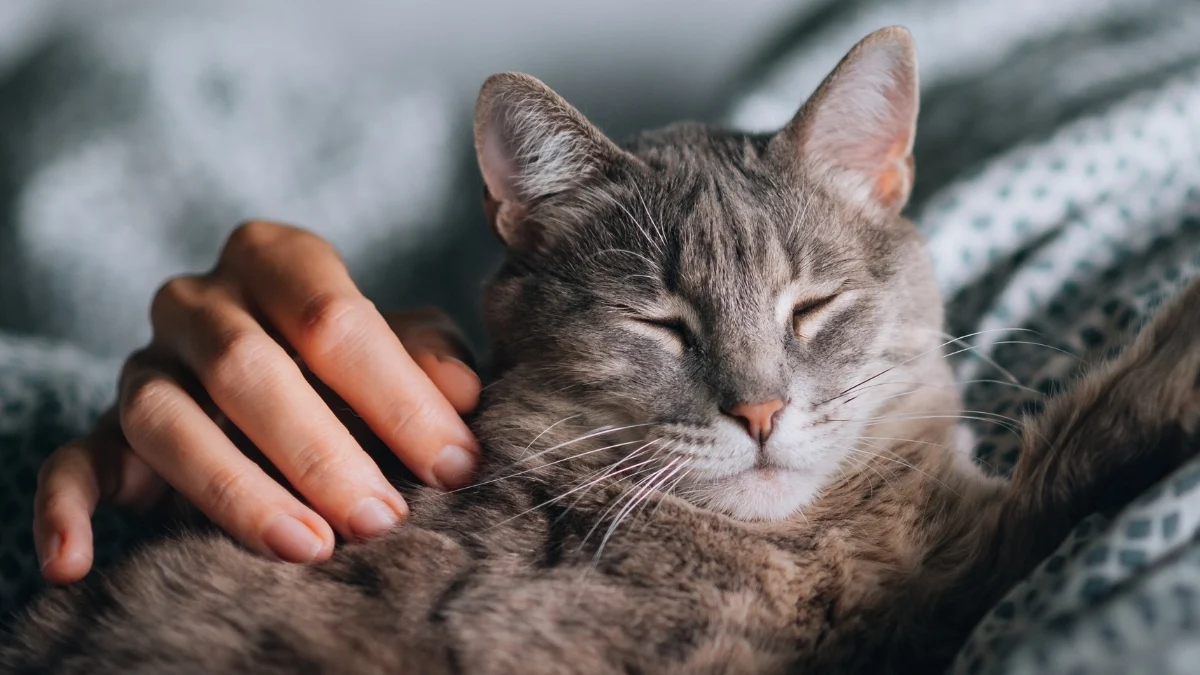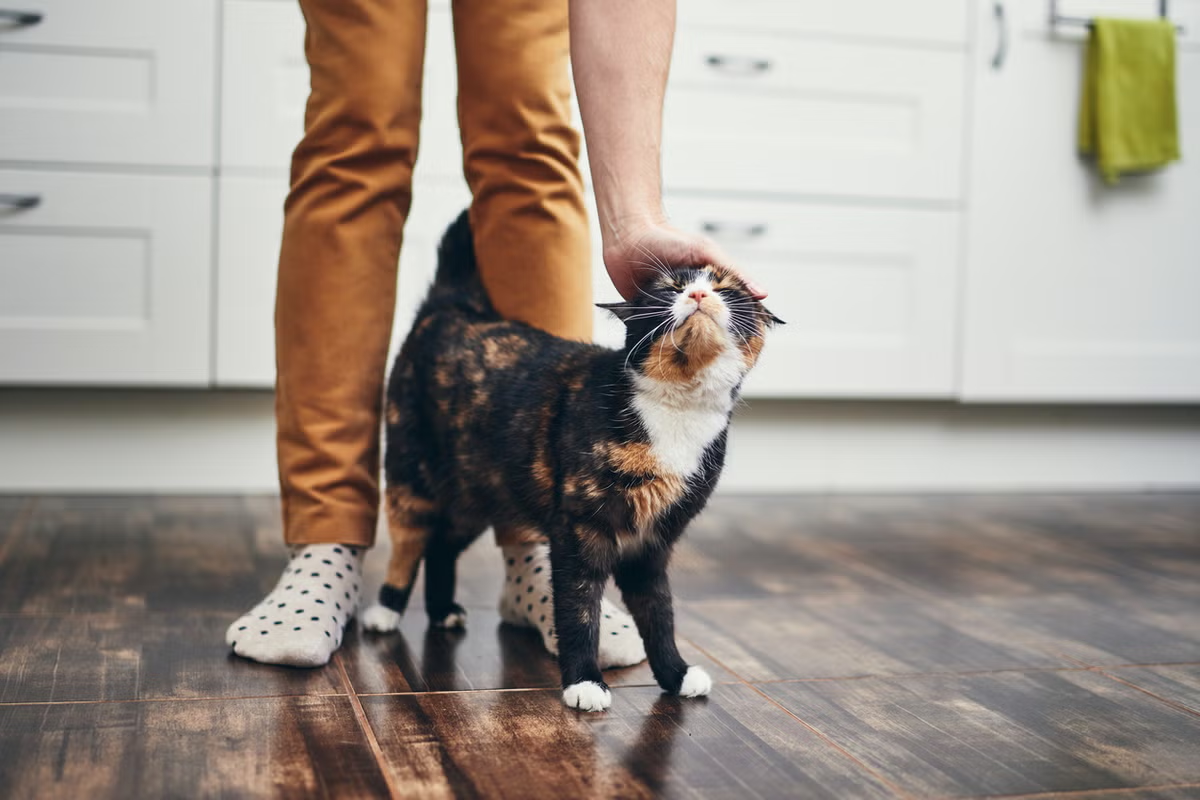
If you've ever called your cat while struggling to carry groceries, searched for your keys as your feline quietly watched from the couch, or wondered whether your pet would actually help in an emergency, you're not alone. A new scientific study has tackled that exact question—and the findings have sparked debate among cat lovers worldwide. Researchers compared the behavior of pet cats, pet dogs, and young toddlers when a familiar person appeared to need assistance.The outcome was both fascinating and unexpected. While many dogs and toddlers spontaneously tried to help without being prompted, most cats simply observed the situation. Scientists say the results don't prove cats are selfish or uncaring. Instead, they reveal how thousands of years of evolution have shaped cats into independent decision-makers whose priorities differ from those of dogs.Would your cat actually help if you needed it?To test this, researchers recruited families with pet cats, pet dogs, and toddlers between about 16 and 24 months old. During the experiment, each animal or child watched as a researcher hid an everyday object while the owner or parent appeared distracted. Moments later, the adult searched around the room as though the object had genuinely gone missing.Would your cat help you in an emergency? Scientists tested it and the surprising results left pet owners speechlessImportantly, the adult never asked for help. There were no spoken commands, treats, or rewards. Researchers wanted to measure spontaneous helping behavior rather than trained responses.The differences between the three groups quickly became clear. Many dogs approached the hidden object, looked back and forth between it and their owner, or attempted to retrieve it. Several seemed eager to communicate where the object was located. Toddlers behaved in remarkably similar ways, often pointing toward the hidden object or trying to hand it back to the adult.Cats, however, rarely did the same. Most carefully watched the owner searching but made little effort to indicate where the missing object had been hidden. Some remained seated throughout the test, while others briefly inspected the room before returning to their normal activities.Researchers emphasized that this wasn't because cats failed to notice what had happened. Throughout the experiment, they closely monitored the hiding process and frequently kept their attention on both the owner and the concealed object. Their behavior suggested awareness—not confusion.Why were dogs so much more willing to help?Scientists believe the answer lies in evolution rather than intelligence. Dogs have spent thousands of years living and working alongside humans. They were selectively bred for tasks that depended on cooperation, including hunting, herding livestock, guarding homes, and assisting people in daily life. Those roles rewarded animals that naturally responded to human actions and communication.Experts Tested Whether Cats Would Help Humans in Trouble. The Results Were BrutalCats followed a very different evolutionary path. Rather than being bred for teamwork, domestic cats became associated with humans because settlements offered abundant rodents to hunt. Their ancestors largely survived as solitary hunters, relying on independent decision-making instead of group cooperation.That evolutionary history still influences the behavior seen in modern household cats. Researchers say today's cats are perfectly capable of observing human actions, but they don't necessarily feel the same instinctive drive to respond that dogs often do.Scientists find a way to motivate catsThe most revealing part of the research came after the first round of experiments. To determine whether cats simply didn't understand the task—or whether they just lacked motivation—researchers changed one important detail. Instead of hiding an ordinary household object with little value to the animal, they hid something the cats genuinely wanted, such as a favorite toy or a food reward.The change produced dramatically different behavior. Many cats that had previously ignored the missing object suddenly became far more engaged. They approached the hiding place, investigated it carefully, and clearly showed interest in where the desired item had been placed. Their responses were much closer to those of the dogs and toddlers than they had been during the original test.For scientists, this was the strongest evidence that cats understood the situation all along. The difference wasn't knowledge—it was motivation.Researchers concluded that cats appear to evaluate whether a situation is personally relevant before deciding whether to act. In other words, they are less likely than dogs to help simply because a human needs assistance. If the outcome also benefits the cat, however, their behavior changes noticeably.That finding challenges a common misconception that cats are unaware of what's happening around them. Instead, the study suggests they may process social situations differently, making independent decisions based on their own interests rather than automatically responding to human cues.Does this mean cats don't love their owners?Scientists say the answer is no. The study measured spontaneous helping behavior, not affection or emotional attachment. A cat choosing not to retrieve a hidden object doesn't mean it lacks a bond with its owner.In fact, previous research has shown that cats recognize familiar voices, distinguish their owners from strangers, remember daily routines, and often seek comfort and security from the people they trust. Many also communicate through slow blinking, head rubbing, purring, following family members from room to room, or choosing to sleep close to their favorite person.Veterinary behavior experts say these behaviors reflect meaningful social relationships, even if they don't look like the loyalty commonly associated with dogs. The latest findings instead highlight one of the biggest differences between the two species. Dogs have evolved to cooperate closely with humans, while cats have retained much of the independence that helped their wild ancestors survive alone.For millions of American households that include both cats and dogs, the research offers an explanation for a familiar scene. While a dog may rush over the moment its owner appears to need help, a cat is more likely to watch quietly, assess the situation, and decide whether getting involved is worth the effort.Rather than proving cats are cold or indifferent, the study paints a more nuanced picture. Cats understand far more about human behavior than many people realize, but they respond on their own terms. Their actions reflect an evolutionary strategy built around independence instead of cooperation—a difference that continues to make cats one of the world's most fascinating companion animals.
Would your cat help you in an emergency? Scientists tested it and the surprising results left pet owners speechless
Would your cat help you in an emergency? A new animal behavior study compared pet cats, dogs, and toddlers in a real helping experiment, and the results surprised researchers. While many dogs and young children tried to help a struggling person, most cats chose to watch instead. Scientists say this doesn't mean cats don't love their owners. Instead, it reveals how cat behavior, feline intelligence, pet psychology, and evolution shape their decisions, offering pet owners a fresh understanding of how cats think and respond.
1,024 words~5 min read