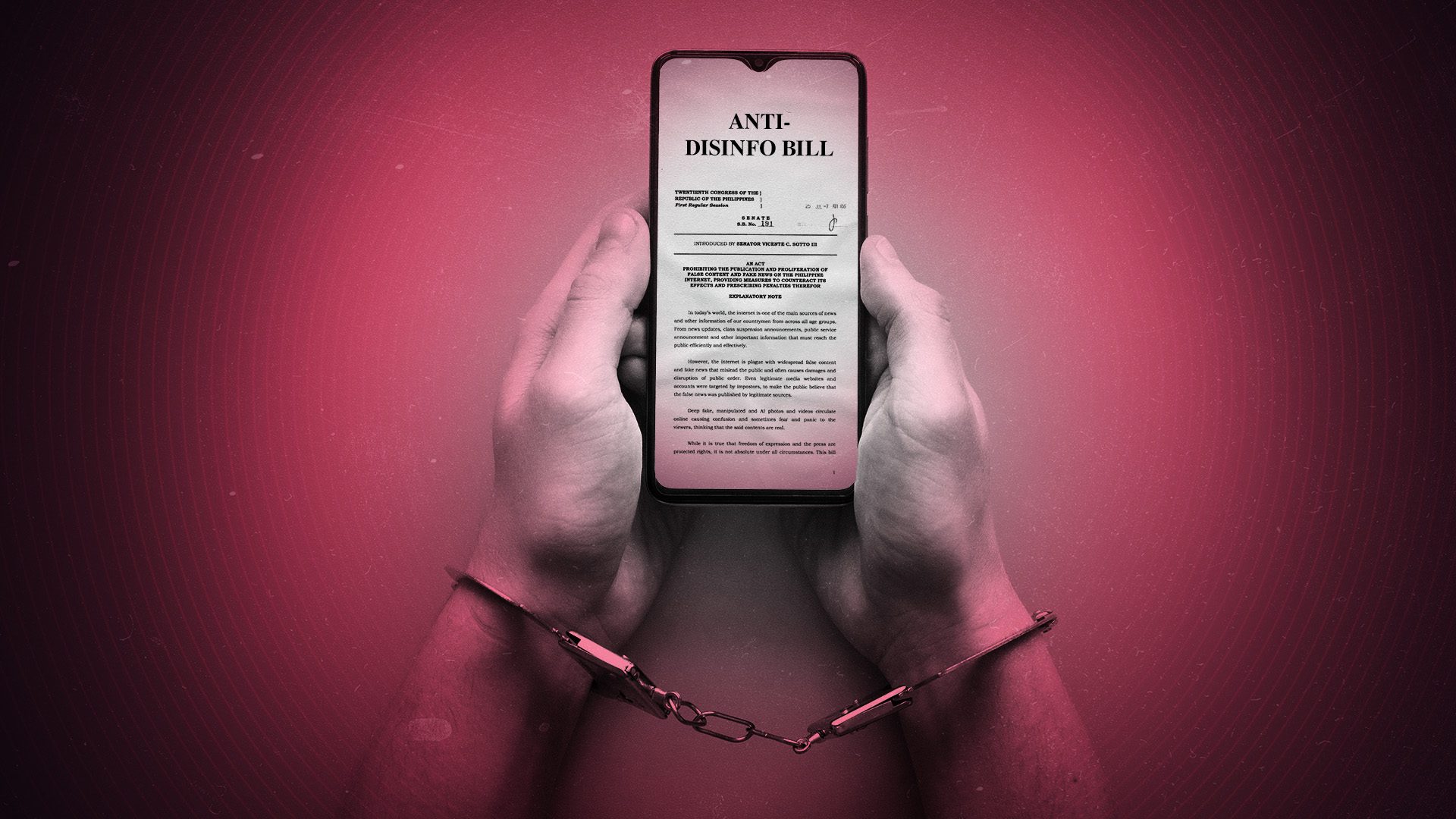
When the Society for Public Health Education (SOPHE) passed its May 2026 resolution against disinformation, it marked a critical milestone in the field. By officially elevating misinformation to a top-tier priority, the organization acknowledged a grim reality: a radically changed media landscape has made bad health information an existential threat to public well-being. It is no longer enough to treat disinformation as a side note to health. Disinformation is now a primary determinant of health.
Similarly, in 2021, the American Medical Association (AMA) adopted a policy aimed specifically at providers that have used their credentials to spread disinformation. While the proportion of physicians actively spreading disinformation may be low, "...it has seriously undermined public health efforts. These individuals are harming the credibility of health professionals, including physicians, who are trusted sources of information for their patients and the public."
Looking at these two resolutions side-by-side reveals a shared urgency, but it also exposes critical differences in how medicine and public health approach systemic threats and, crucially, what both institutions are still missing.