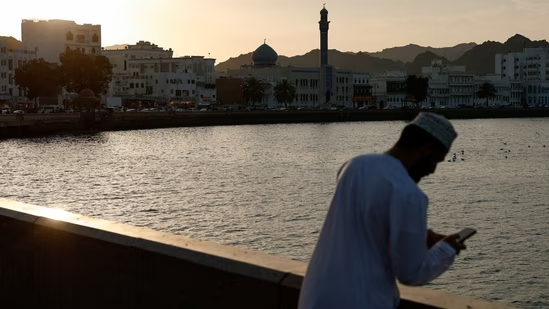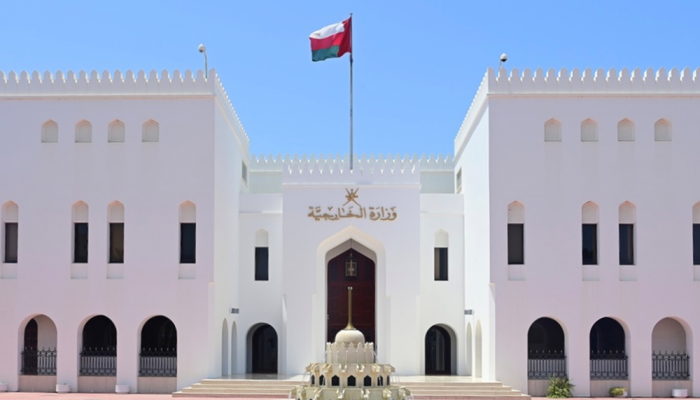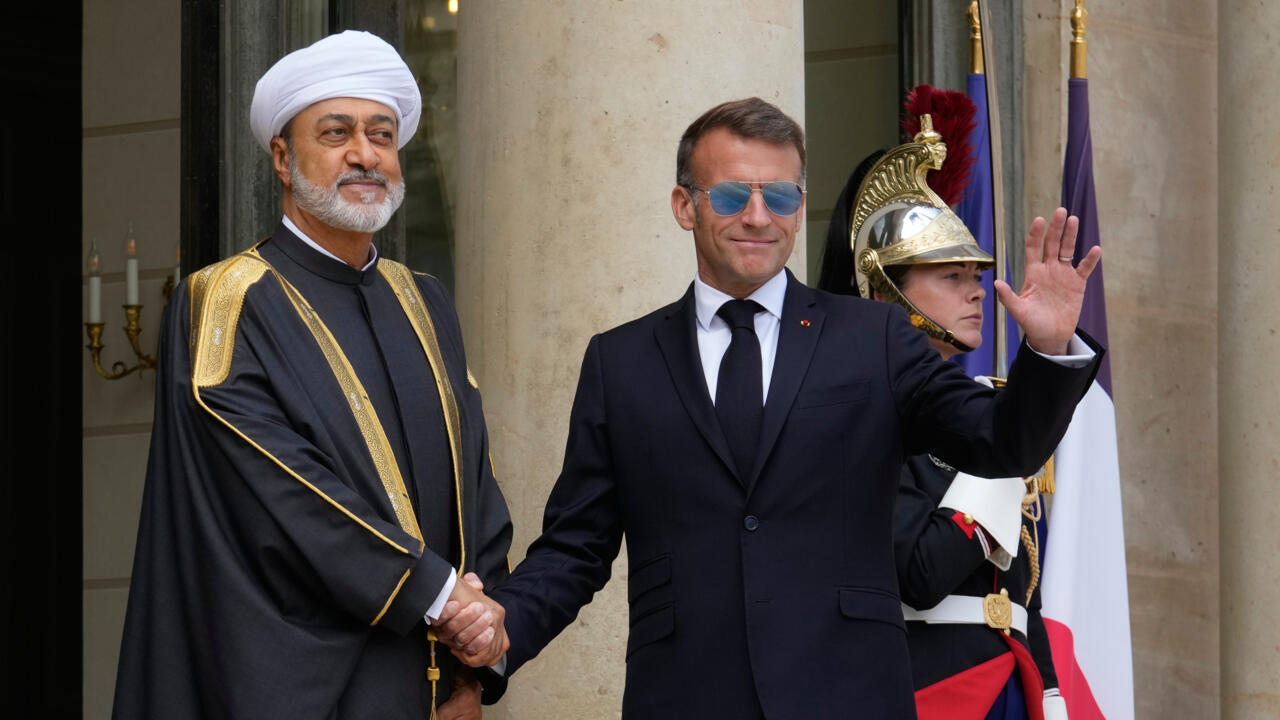
Removed from the theatrics of petrodollar politics seen across the rest of the Gulf, the Sultanate of Oman's famed discretion and diplomacy have made it an indispensable intermediary in the region.
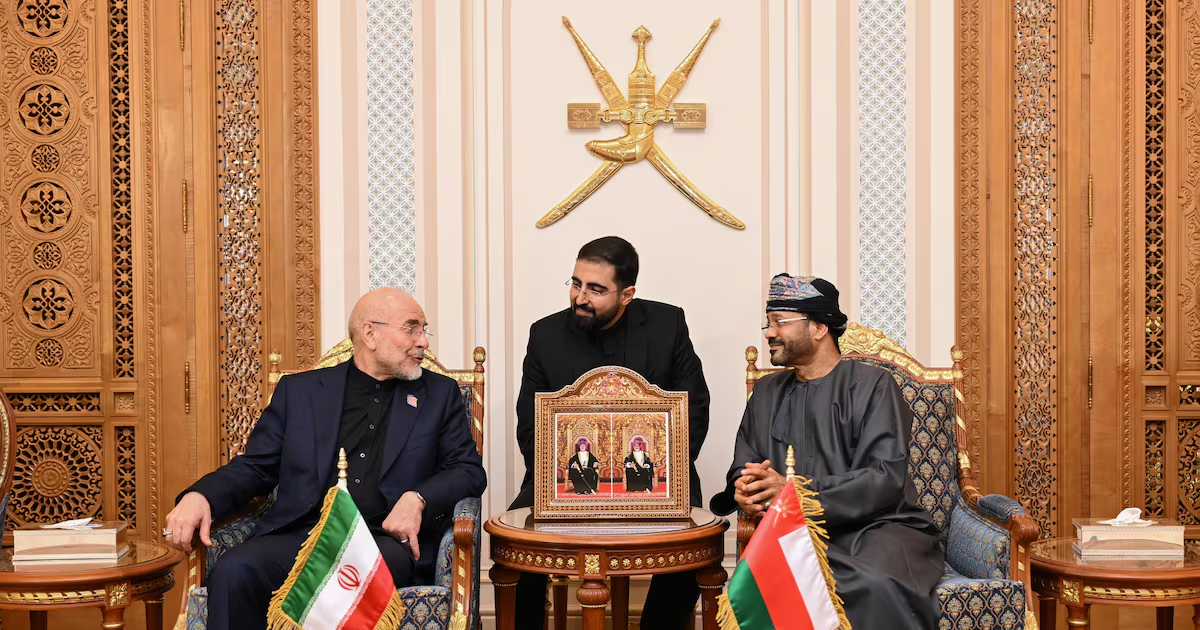
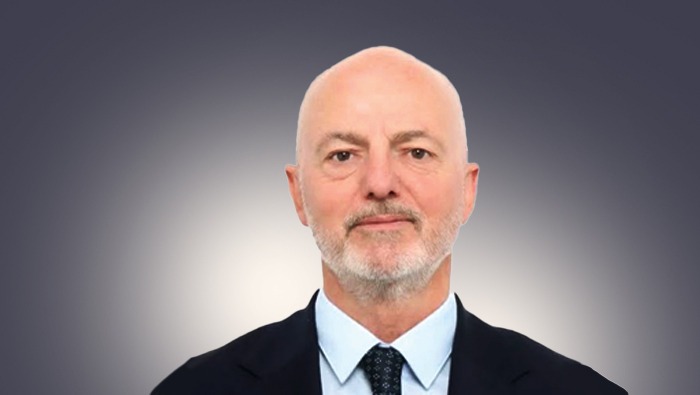
For decades, Oman has pursued a clear foreign policy based on what it calls "positive neutrality". The sultanate of around 5 million people has consistently sought to stay clear of local conflicts and instability – whether during the Iran-Iraq War (1980–88), the First Gulf War (1991), the blockade of Qatar (2017) or the Syrian civil war. Oman also refused to join the coalition against the Houthis in Yemen in 2015. As a neutral intermediary, Muscat hosted Houthi officials and became a key channel for negotiations between them and Saudi Arabia. The country also played a central role in the 2023 rapprochement between Tehran and Riyadh. "The sultanate has established itself as a platform for international mediation, capable of speaking to everyone without ever fully aligning itself with any side," says Tigrane Yégavian, a lecturer in international relations at Paris's Schiller International University. An 'indispensable mediator' In efforts to resolve the Israeli-Palestinian conflict, the late Sultan Qaboos bin Said Al Said received Israel’s Prime Minister Shimon Peres in 1994, and later Benjamin Netanyahu in 2018 – despite the absence of diplomatic relations between the two countries and the visits being far from popular among the Omani public. According to the US-based Foreign Policy magazine, Sultan Qaboos, who died in 2020, was “the Arab world’s longest-serving ruler, and his personal relationships were central to Oman’s role as the Gulf’s indispensable mediator. Qaboos could pick up the phone and talk to anyone from Tehran to Washington, and both sides would listen.” Another major diplomatic undertaking centred around Iran's nuclear programme, a process that began in the early 2000s and culminated in 2015. Although no Omani leaders appeared in the official family photograph, Muscat nevertheless played a decisive role in the negotiations that led to the Vienna agreement – later derailed by United States President Donald Trump in 2018. Despite this setback, Oman remained committed to maintaining ties with both Tehran and Washington. Qaboos, the Sultan who shielded Oman from region's turmoil