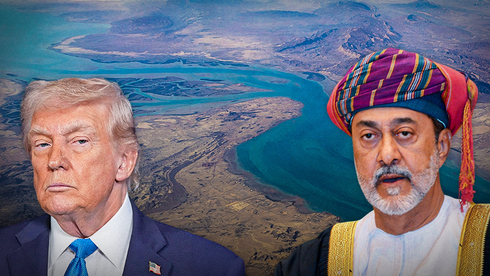
Of all the countries you’d expect to come out ahead after a US-Iran war, Oman probably wasn’t at the top of your list. And yet, here we are.
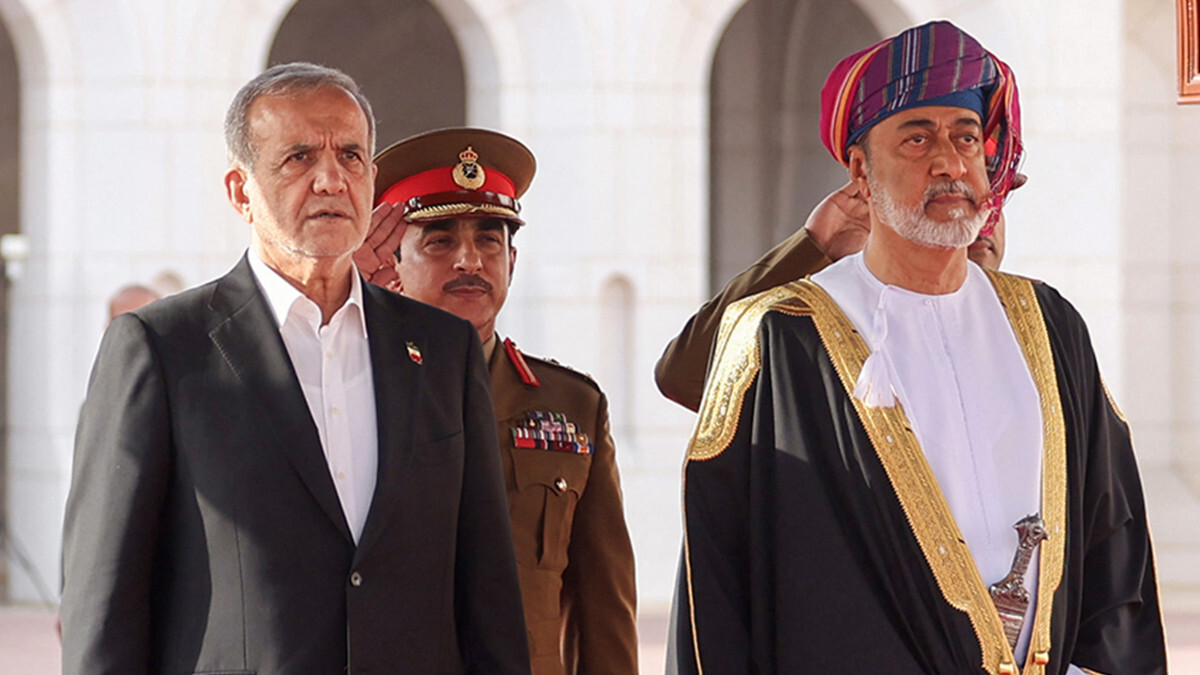
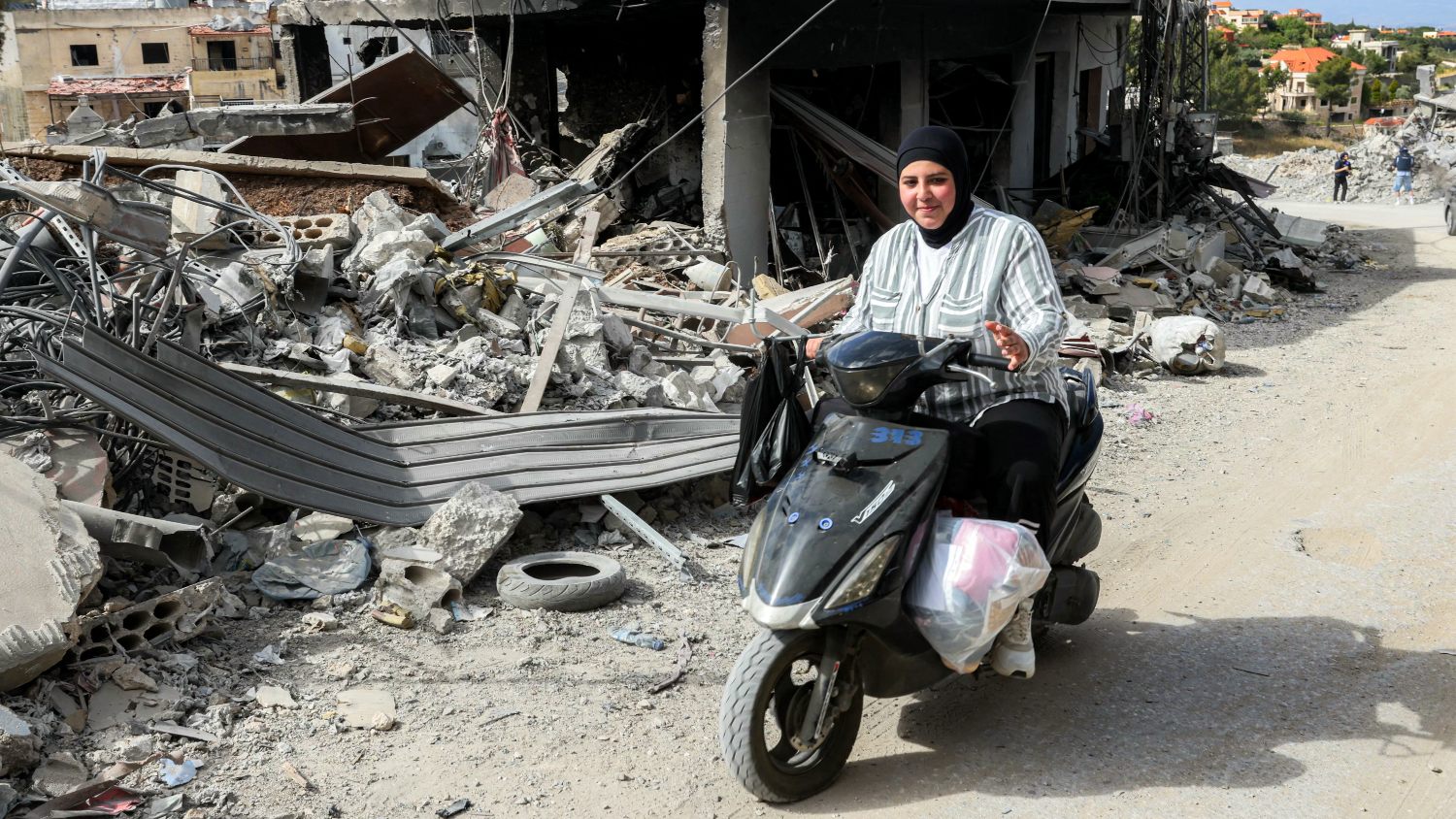
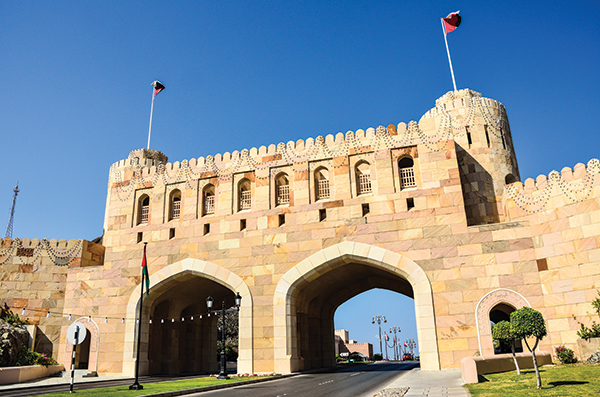
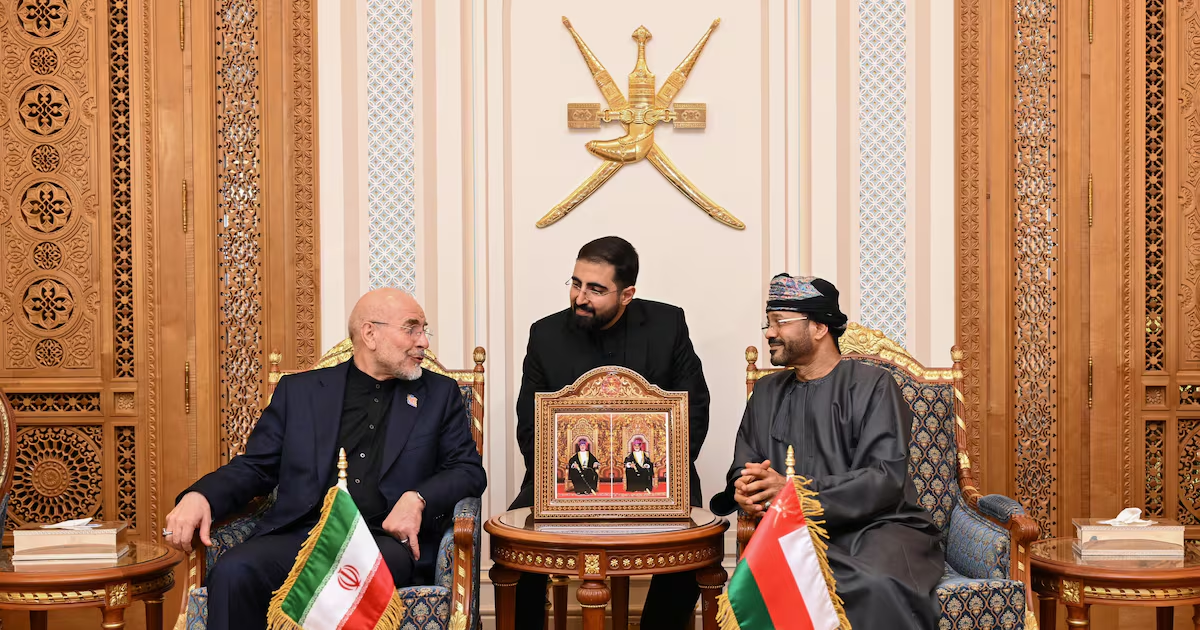
The sultanate, which endured Iranian drone strikes on its own territory after hostilities kicked off on February 28, 2026, has managed to transform its geographic vulnerability into a geopolitical advantage. Western, Arab, and even some US diplomats now view Oman as the unlikely frontrunner in the new Middle Eastern order being pieced together between Washington and Tehran.
The geography advantage no one can ignore
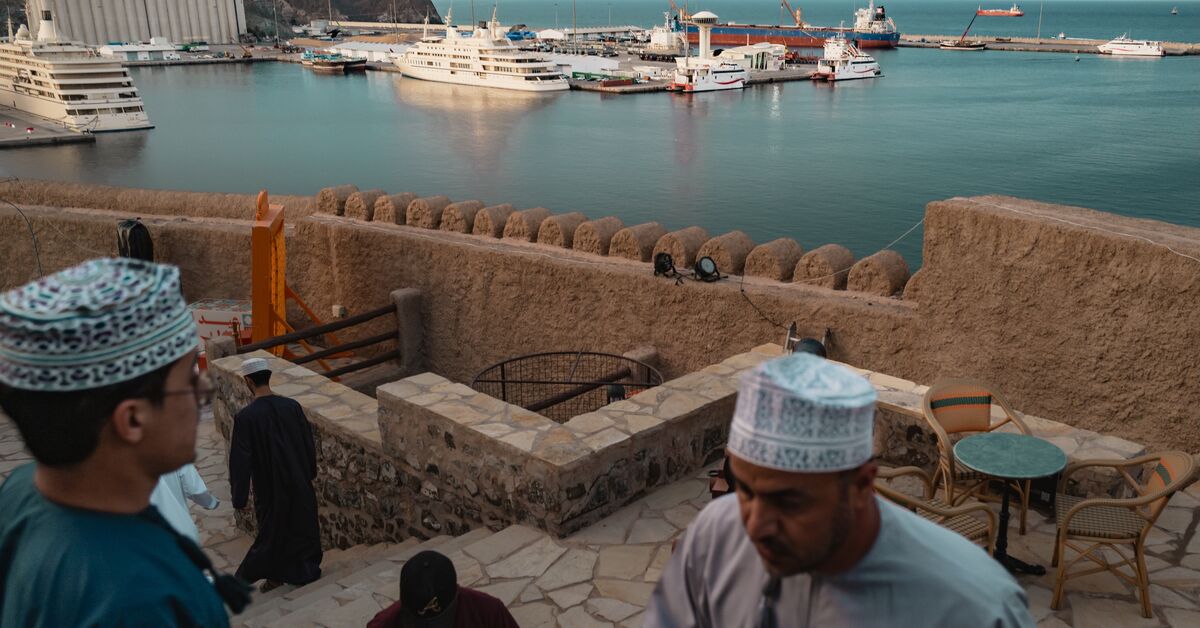
Here’s the thing about Oman: it sits on roughly 20% of global oil traffic through its shared management of the Strait of Hormuz. That’s not a fun fact for a trivia night. That’s a chokepoint that makes energy traders lose sleep.
Since the war began, Oman has seen a 117% increase in exports handled on behalf of other Gulf Cooperation Council member states. When shipping lanes get dicey and trust becomes scarce, the neutral broker with the deepwater ports tends to win. Oman’s facilities at Duqm and Salalah have become essential infrastructure for rerouting regional trade flows.