The last time global oil demand actually fell on an annual basis, the world was in the middle of a pandemic-induced economic freeze. Now, without a global lockdown in sight, the International Energy Agency is projecting another decline, and the cause this time is a combination of elevated prices and geopolitical chaos rather than empty highways and grounded flights.
The IEA’s July 2026 Oil Market Report puts the projected demand contraction at roughly 1 million barrels per day for the full year, compared to 2025 levels. Global demand already touched a low of 97.9 million barrels per day in May 2026, a data point that underscores how quickly the pressure from Middle East tensions translated into real consumption changes.
What’s actually driving the drop
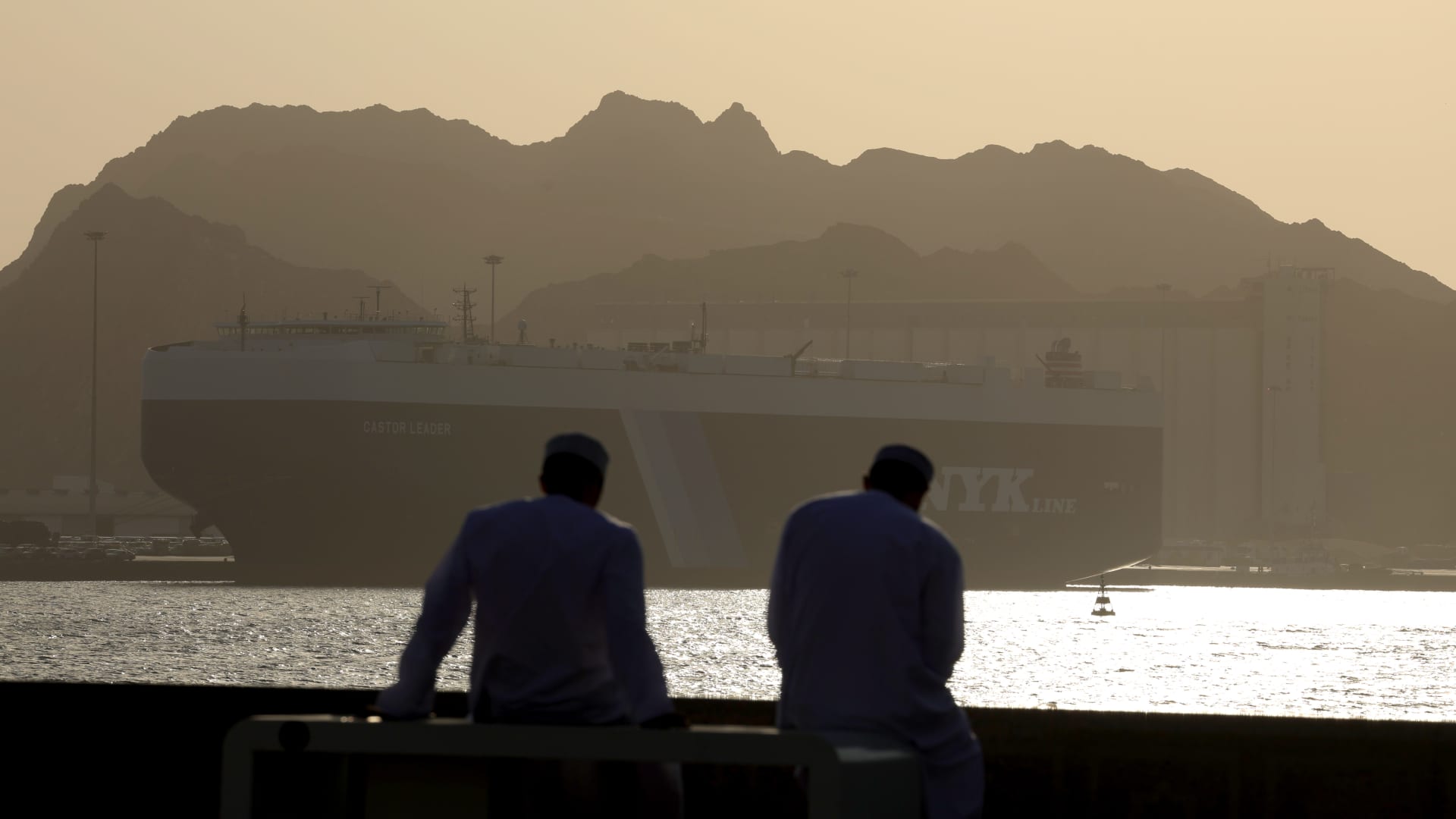
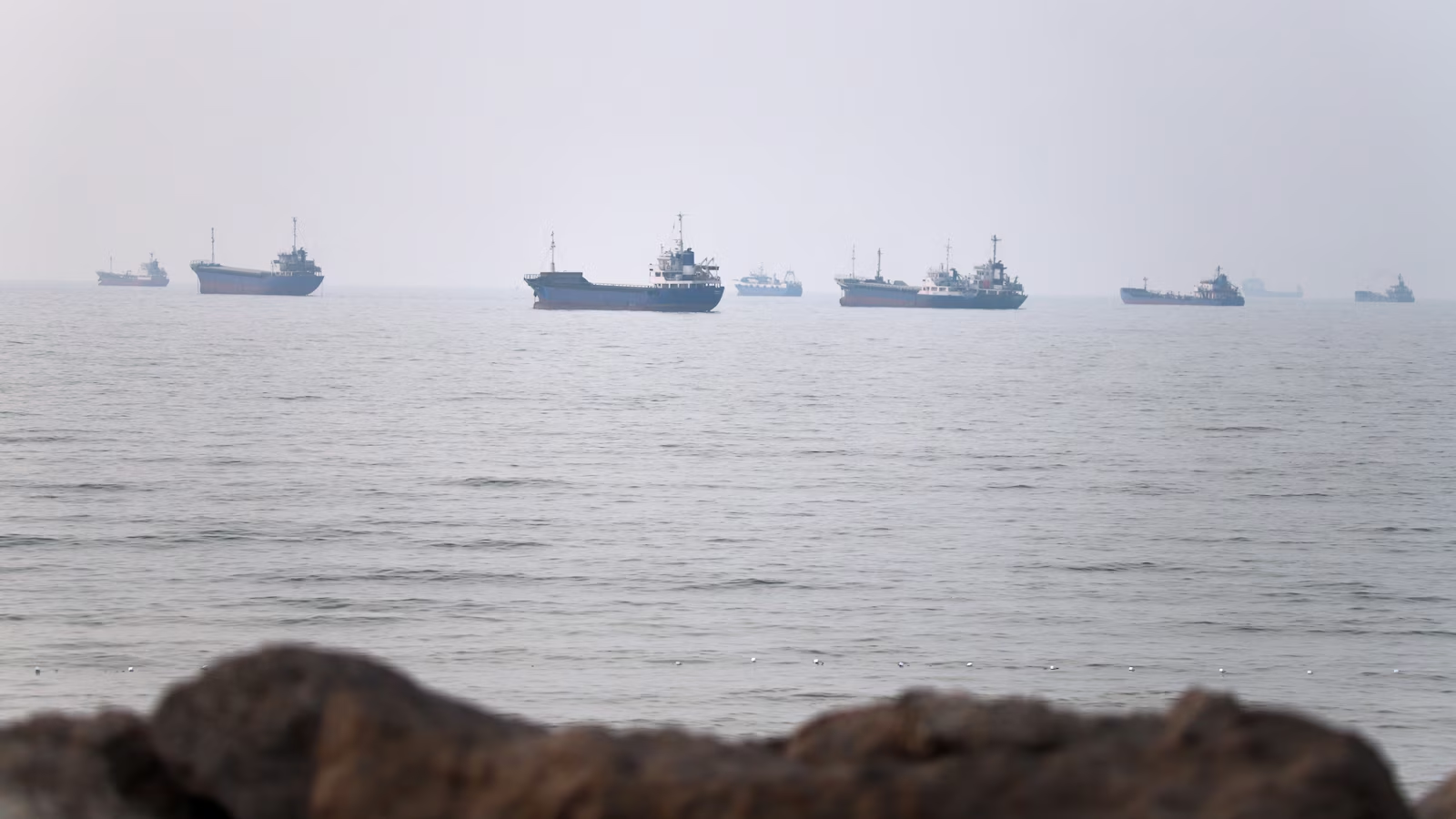
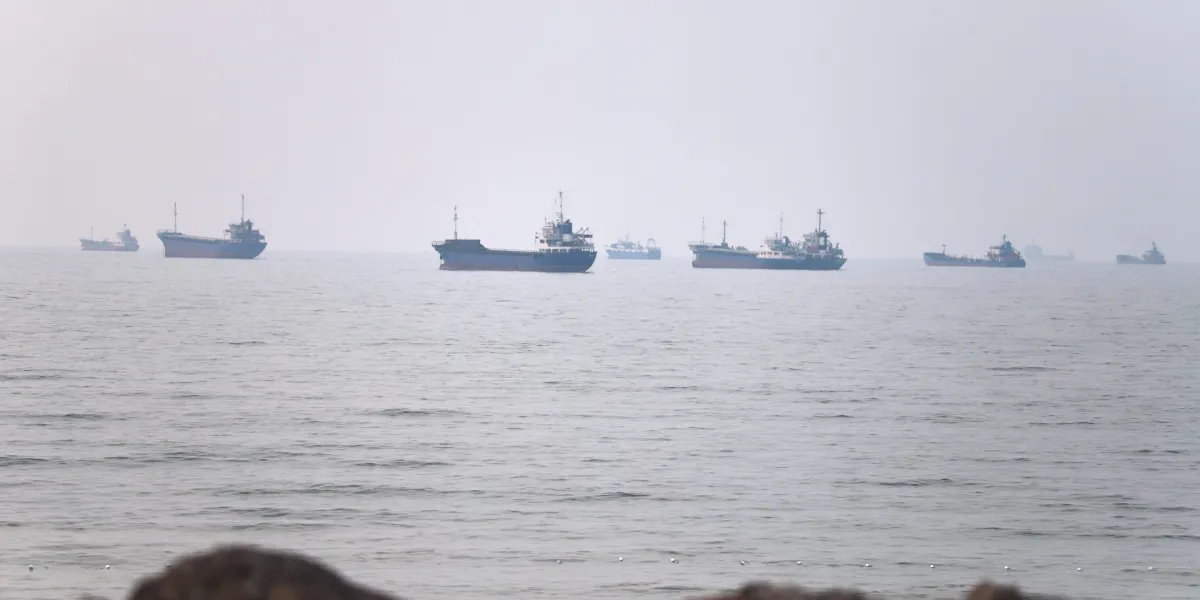
The primary culprits are supply disruptions tied to escalating tensions around Iran and the Strait of Hormuz, one of the world’s most critical shipping chokepoints. Roughly 20% of globally traded oil passes through that narrow passage, so anything that threatens transit there tends to send prices up and demand down in short order.
The second quarter of 2026 saw deliveries fall sharply, confirming that the demand erosion is already happening rather than merely forecast. Despite the current gloom, the agency does see a path back. It projects demand growth of around 2 million barrels per day in 2027, contingent on trade flows normalizing and geopolitical pressures easing.