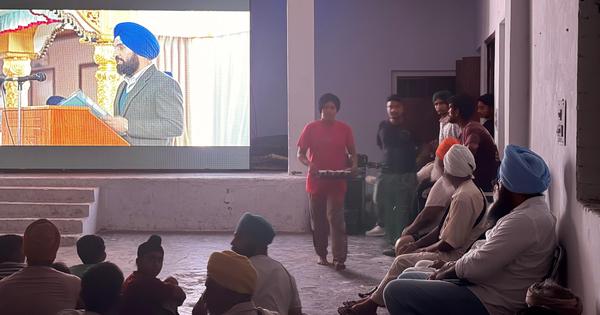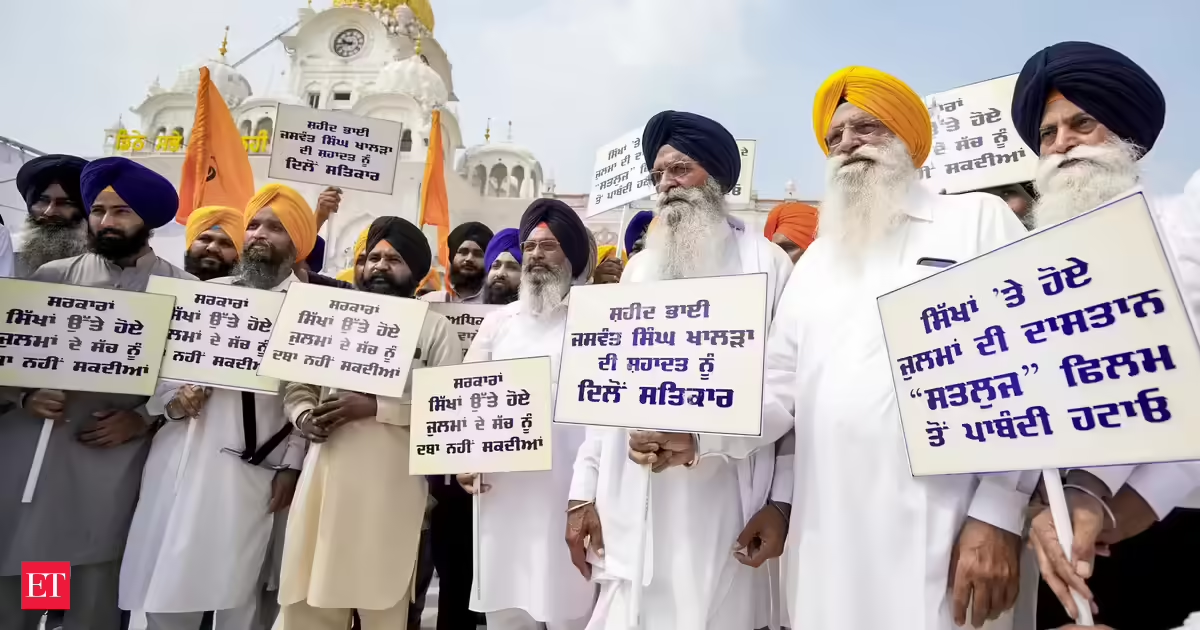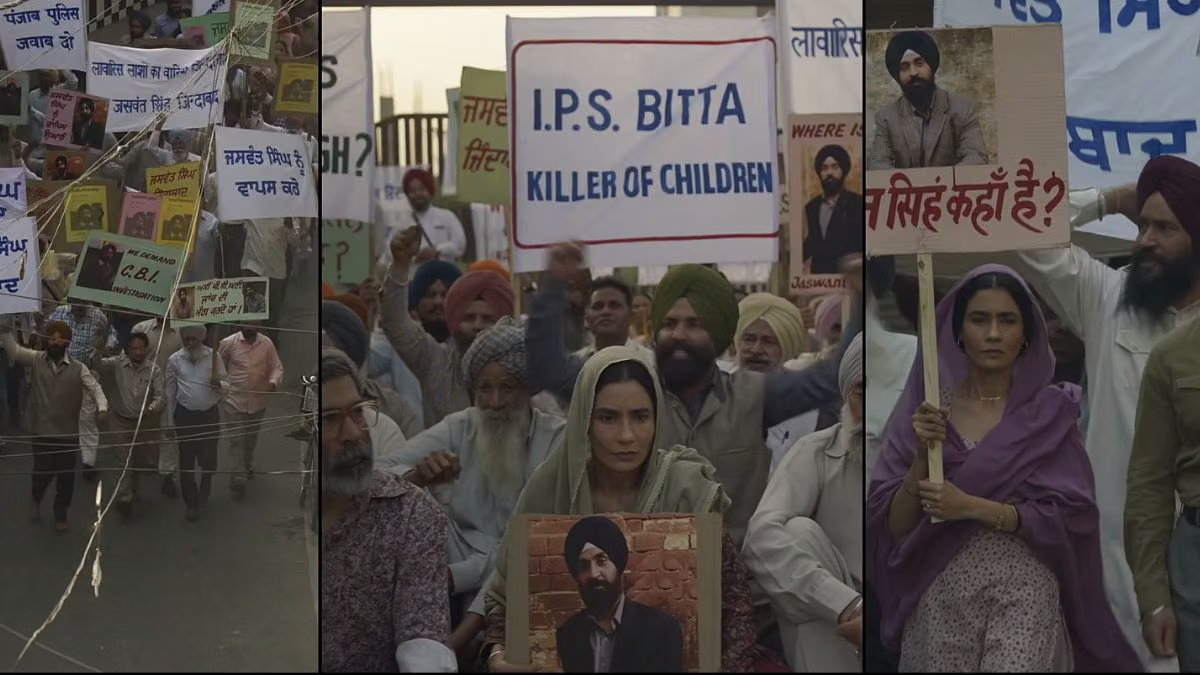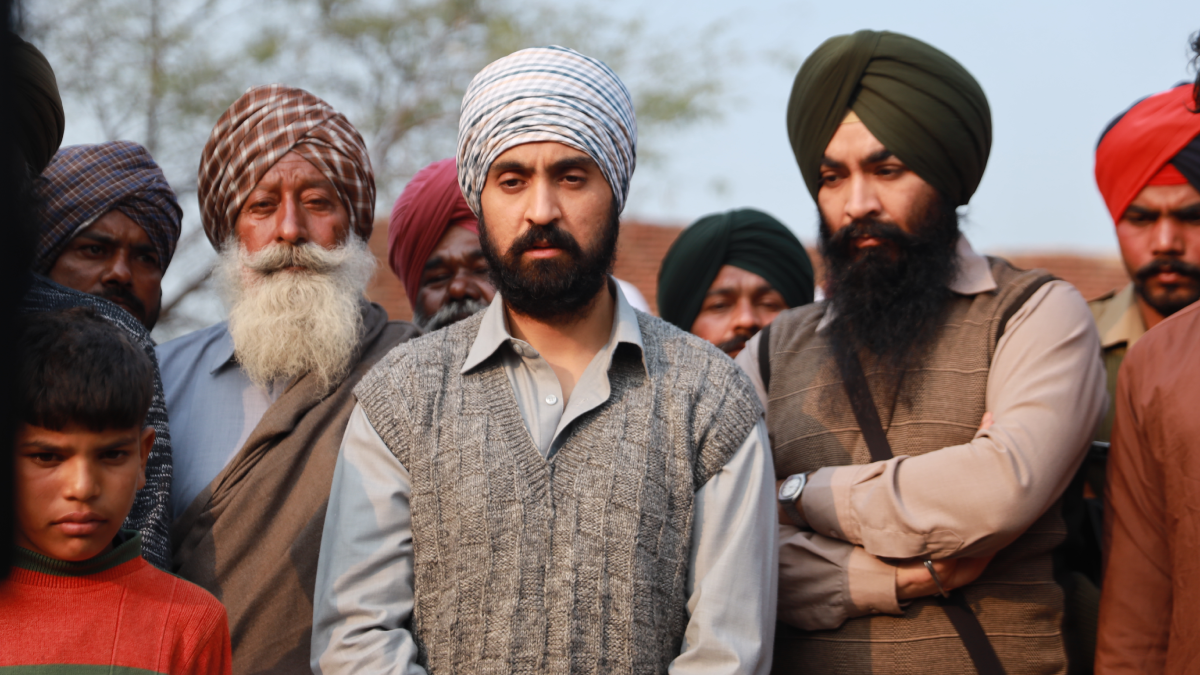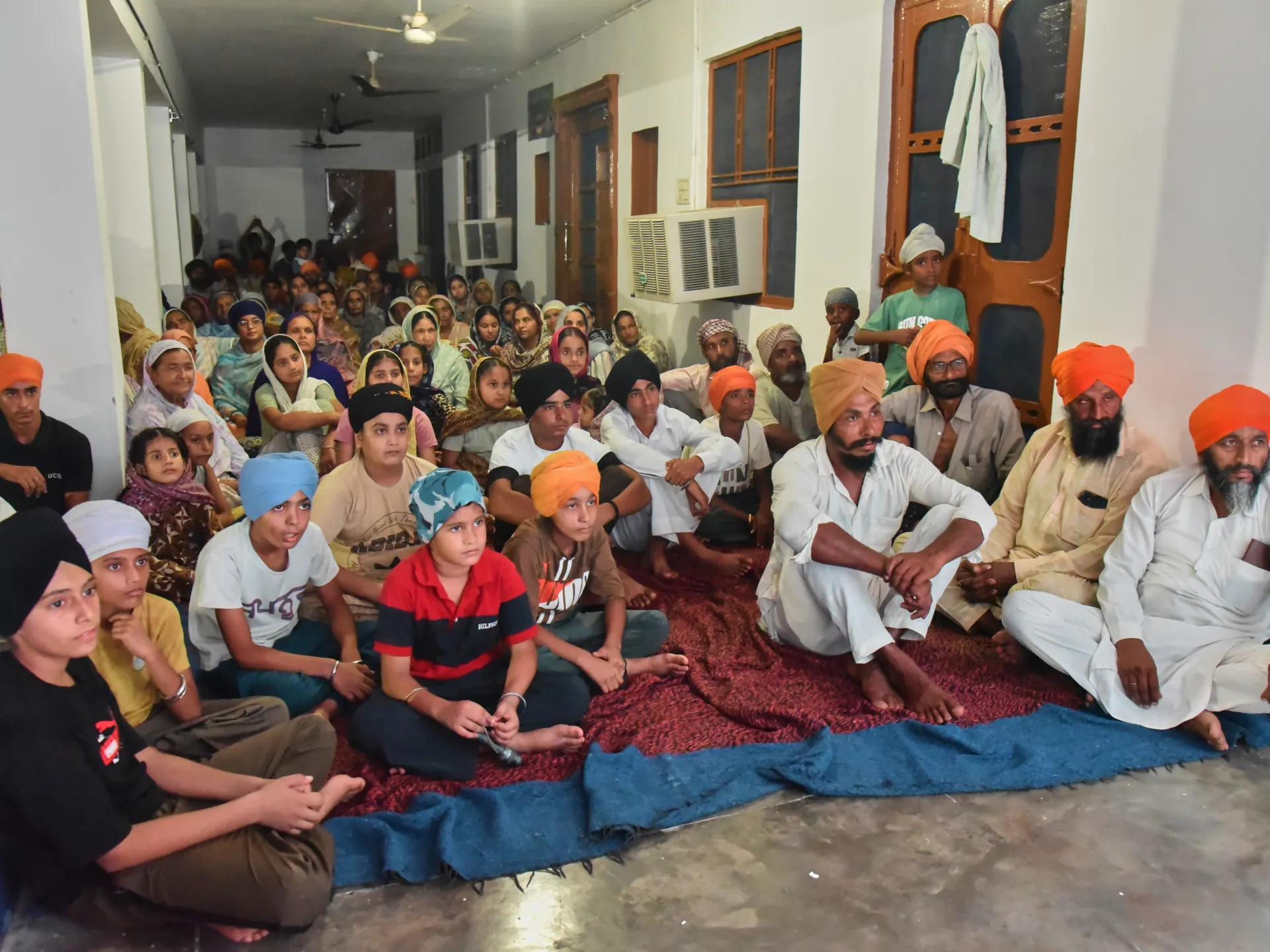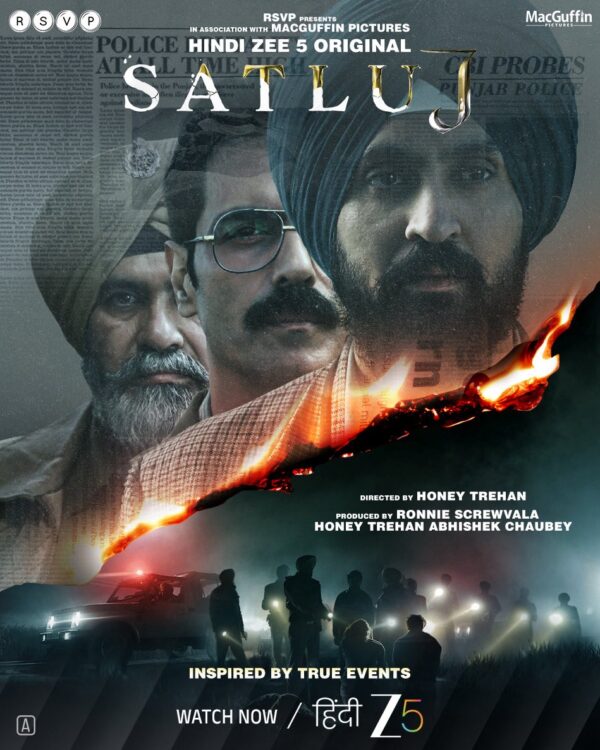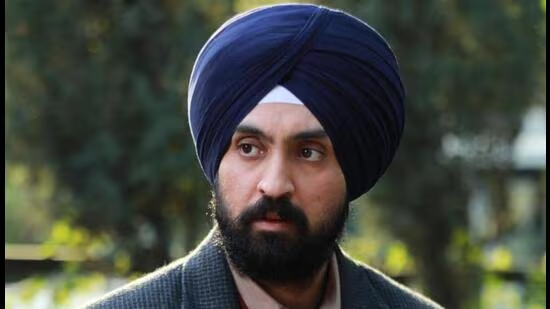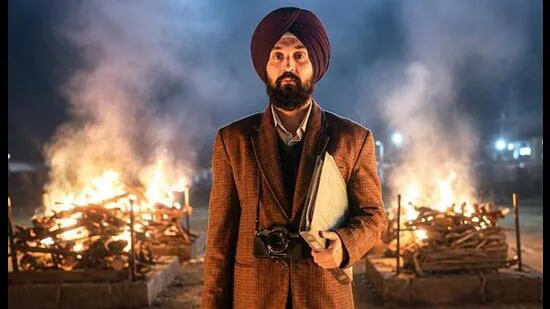
The controversy surrounding Satluj, the film based on the life of human rights activist Jaswant Singh Khalra, has evolved into a debate far larger than cinema. After the Central Board of Film Certification (CBFC) reportedly recommended extensive cuts before certifying the film, the filmmakers challenged the decision before the Bombay high court. Having failed to secure the relief they sought, they released the film on an OTT platform through self-certification. Following its removal from the platform, they have announced plans to screen it in gurdwaras.Khalra occupies an important place in Punjab’s public memory. His efforts to expose alleged illegal cremations and disappearances during the counter-insurgency period, and the subsequent judicial findings relating to his abduction and murder, are an undeniable part of Punjab’s history (HT)The issue today is no longer simply one of artistic freedom. It is about the rule of law.India’s statutory institutions for film certification are not beyond criticism, and their decisions are certainly subject to judicial review. But when a litigant approaches a constitutional court, fails to obtain the relief sought, and then achieves substantially the same result by exploiting a perceived regulatory gap, it undermines not merely the CBFC’s authority but the integrity of the legal process itself. If every filmmaker rejected statutory certification, self-certified, and distributed through alternative channels whenever it suited them, the regulatory framework enacted by Parliament would become meaningless. Respect for institutions is tested not when they agree with us, but when they do not — and that is especially true when the subject matter is one of the darkest chapters in Punjab’s history.Full spectrumKhalra occupies an important place in Punjab’s public memory. His efforts to expose alleged illegal cremations and disappearances during the counter-insurgency period, and the subsequent judicial findings relating to his abduction and murder, are an undeniable part of Punjab’s history. They deserve neither suppression nor erasure. But they do not constitute the whole history.Punjab’s tragedy was not one-dimensional. It was a period in which terrorism, counter-insurgency, political failures and human rights violations became tragically intertwined. According to publicly available security data, more than 11,700 civilians and over 1,700 members of the security forces lost their lives during the insurgency; thousands of militants also died. Behind every statistic was a shattered family. Hindus and Sikhs alike became victims — teachers, journalists, farmers, shopkeepers, village sarpanches, public servants, ordinary bus passengers.The economic damage was equally devastating. Investors stayed away, industry stagnated, tourism disappeared, businesses relocated. Punjab endured prolonged spells of President’s Rule, depriving citizens of an elected government through which everyday grievances could be addressed. An entire generation saw opportunities vanish because violence had replaced confidence. Those who lived through those years remember not merely the fear of terrorism but the suffocating uncertainty that engulfed daily life.Threat of crimePunjab today confronts a different, but equally dangerous, set of challenges. Drug trafficking continues to destroy families. Organised criminal gangs have grown more sophisticated; extortion, targeted shootings and transnational networks are recurring concerns. The recent US Operation Hardball, targeting members and associates of the Lawrence Bishnoi network operating in America, is a reminder that organised crime linked to Punjab now extends well beyond India’s borders. Indian law-enforcement agencies have similarly flagged the complex interplay between organised crime, narcotics trafficking and extremist elements in certain cases.This is hardly the moment to reopen old wounds without presenting the complete historical picture.Faith and futureA film focusing on alleged state excesses has every right to exist. Equally, viewers deserve to understand the wider context — the brutality of terrorism, the murder of innocent civilians, the sacrifice of police officers and security personnel, the collapse of investor confidence, the immense suffering of ordinary Punjabis. History ceases to educate when it becomes selective.And screening such a film inside gurdwaras raises a further question: Does this serve reconciliation, or does it convert places of spiritual reflection and healing into venues for contested political narratives, deepening divisions Punjab can ill afford?Filmmakers are entitled to challenge institutions, criticise governments and revisit painful history. They are not entitled to disregard the legal framework simply because it proves inconvenient. Rights exist alongside responsibilities.Punjab’s future will not be secured by endlessly relitigating yesterday’s conflicts, but by confronting today’s realities: Creating jobs, modernising education for a changing economy, strengthening power infrastructure, attracting investment, combating organised crime, and giving the next generation reasons to build their futures at home rather than seek opportunities abroad. The greatest lesson of Punjab’s darkest years is not that one side alone was guilty or one side alone suffered — it is that when violence, extremism and institutional breakdown take hold, everyone loses.Punjab has spent three decades rebuilding trust, restoring normalcy and reclaiming hope. That hard-earned peace should not become collateral damage in ideological battles or cinematic publicity. Artistic freedom is indispensable in a democracy. But so is constitutional discipline. Neither governments nor filmmakers should be above the law. If institutions can be ignored whenever they become inconvenient, the casualty is not merely film certification — it is the rule of law itself. Punjab has already paid too high a price to learn that lesson once. kbs.sidhu@gmail.com(The writer is a former special chief secretary, Punjab. Views expressed are personal.)
Guest column | Punjab needs healing, not another battle over its past
By bypassing statutory certification for the film Satluj, the filmmakers risk undermining legal institutions and reopening old wounds at a time when Punjab needs healing and a focus on its future
858 words~4 min read