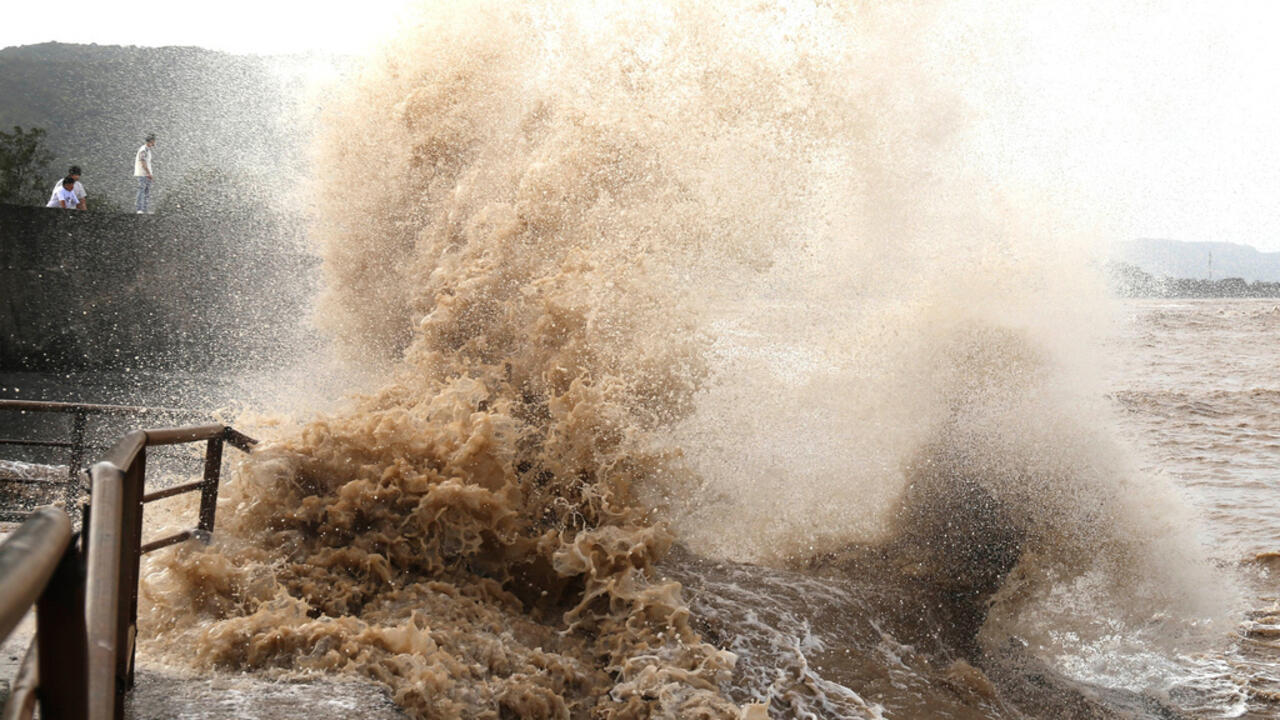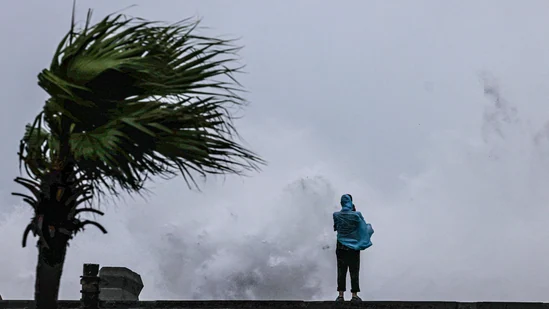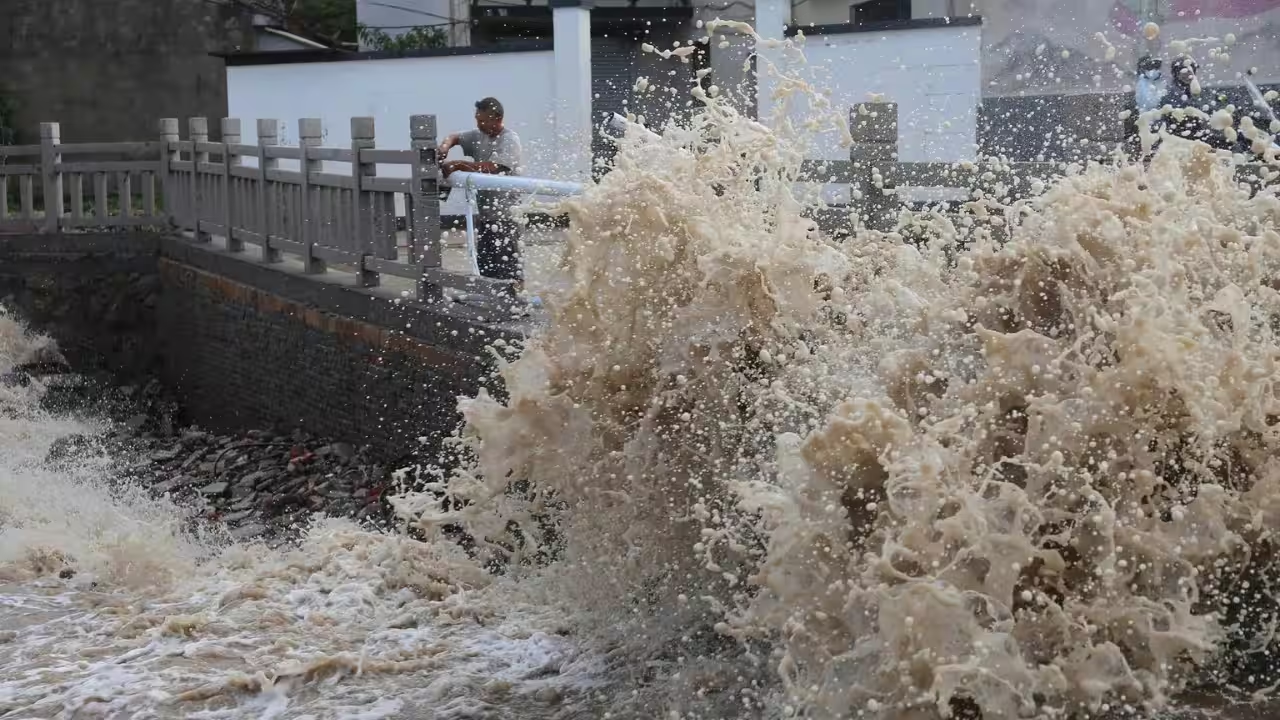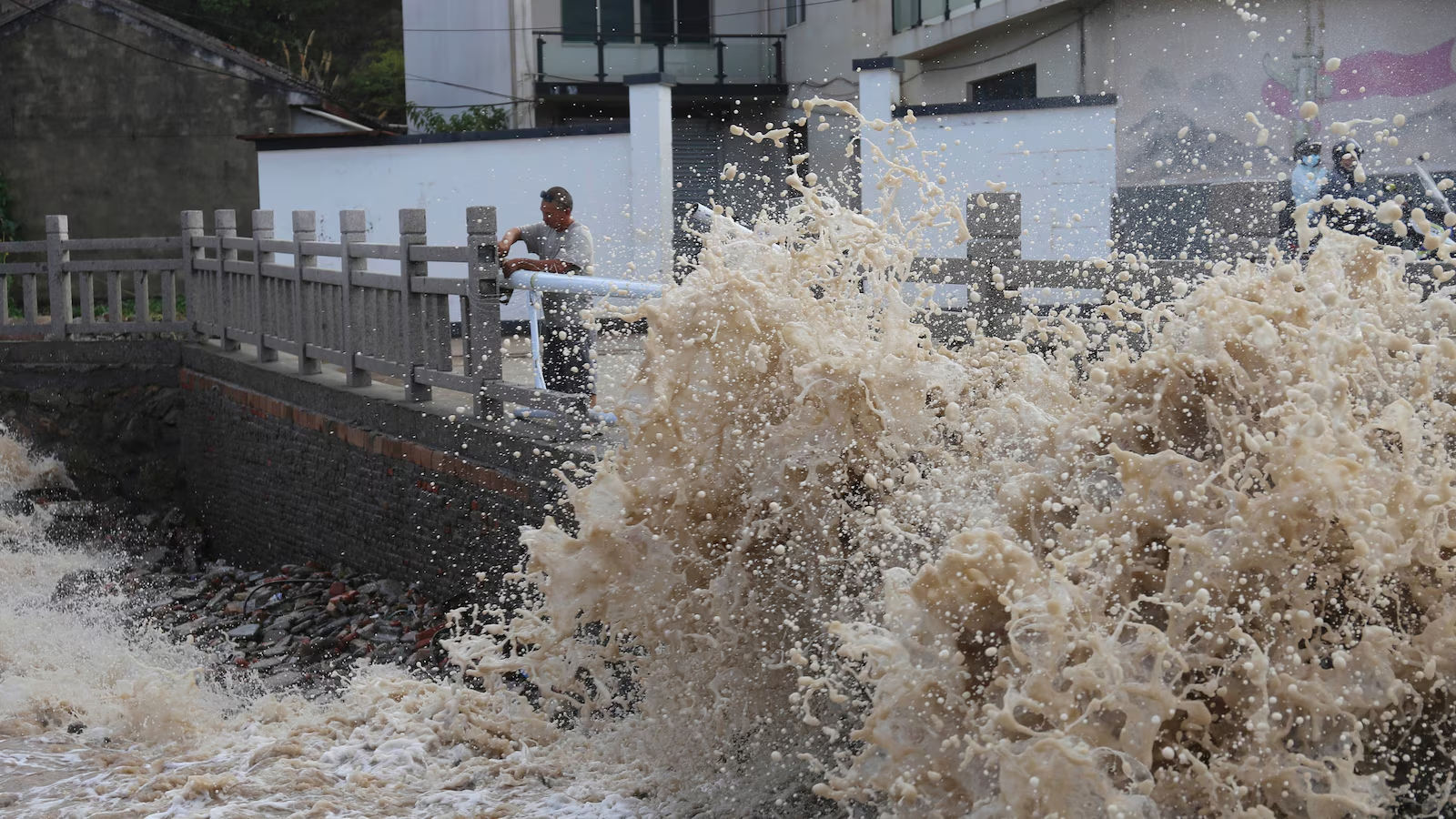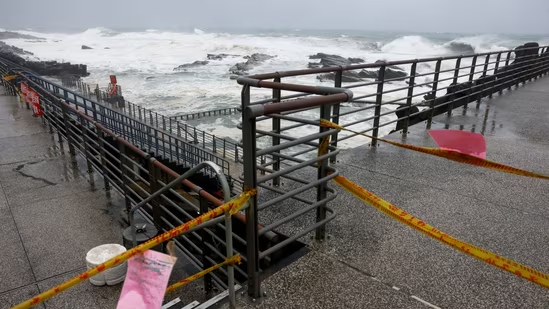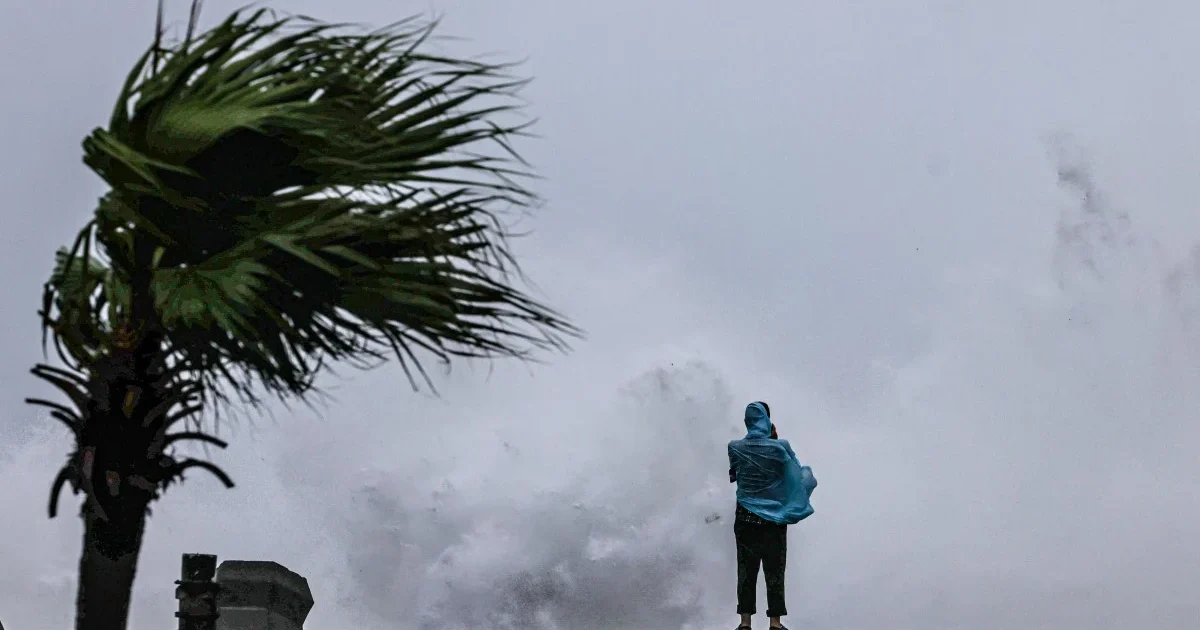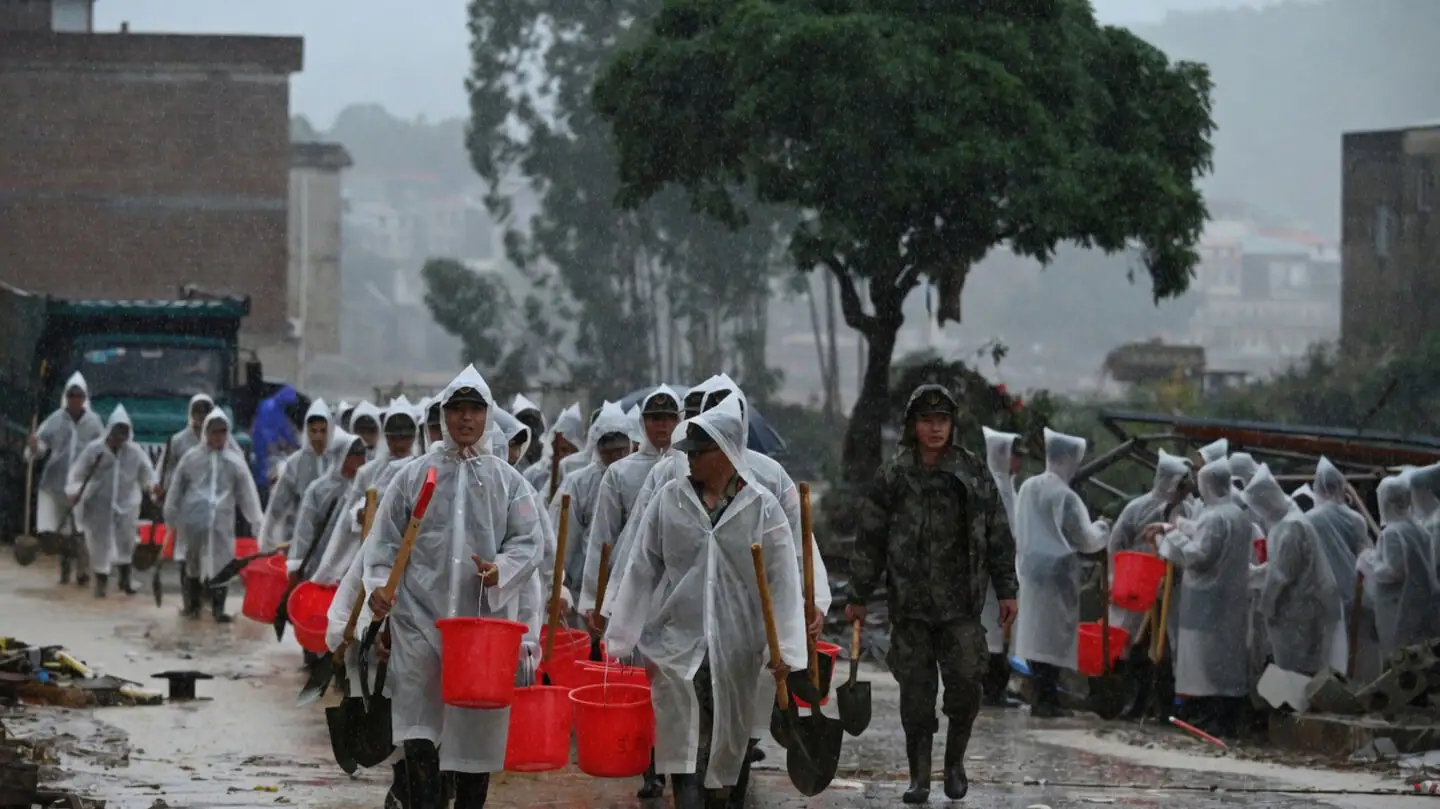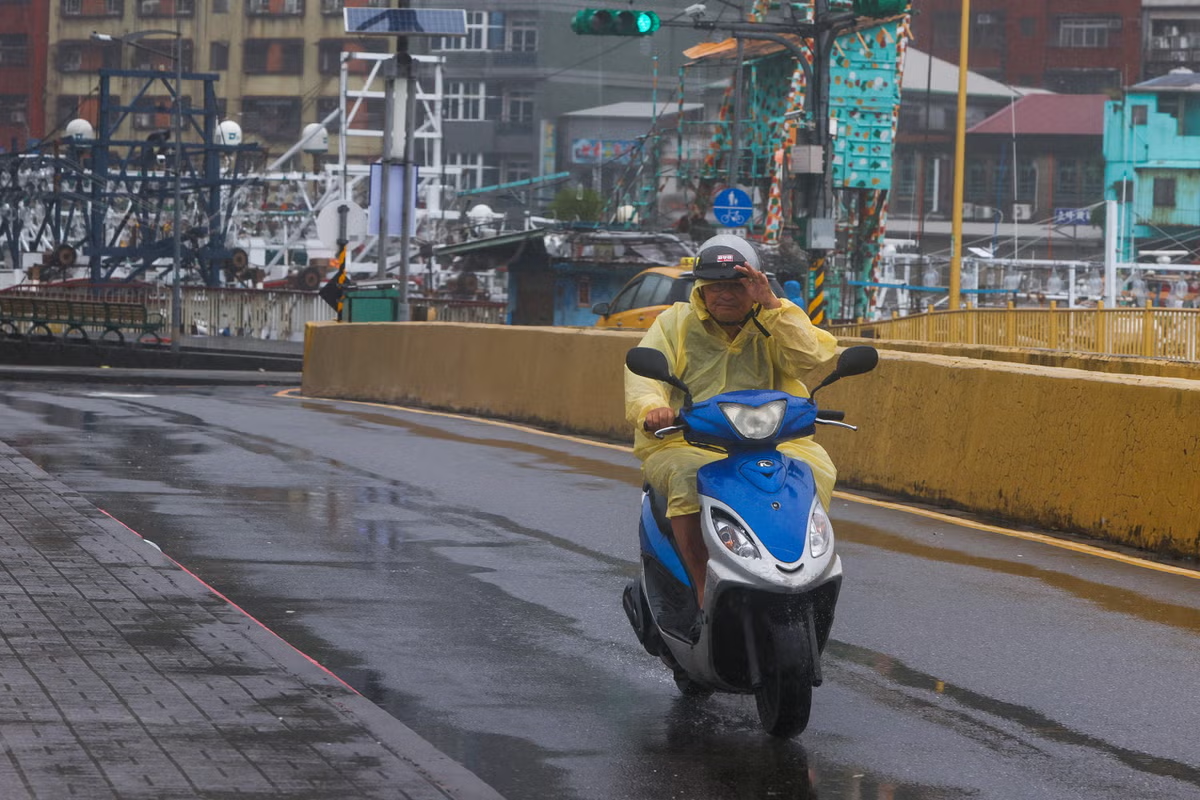
Chinese authorities evacuated more than 900,000 people ahead of Typhoon Bavi's expected landfall on Sunday, as the country continued to grapple with the deadly aftermath of Typhoon Maysak, which struck Hainan earlier this month. Bavi is forecast to hit the eastern city of Wenzhou after lashing Taiwan and Japan's southwestern islands.The evacuations come after days of extreme weather across southern and central China, where storms have already left at least 39 people dead, caused dozens of rivers to overflow and triggered the collapse of a reservoir dam, according to Chinese authorities.Typhoon Maysak may have weakened after making landfall in China's Hainan province on July 3, but its aftermath is still unfolding. In the southern city of Hengzhou, around 900 snakes, many of them venomous, escaped from a breeding facility on July 6 after floodwaters inundated the area, according to the Shanghai Daily.Typhoon Bavi is expected to make landfall near the eastern city of Wenzhou in Zhejiang province early on Sunday. The Wenzhou city government told news agency AFP that 887,801 people had been evacuated by late Friday, while Chinese authorities said more than 100,000 people had also been moved to safety in northern parts of the country as heavy rain threatened flooding."The proactive, all-out mobilisation, which is sparing no effort or cost, is undertaken entirely to guard against the (worst-case) scenario," Wenzhou authorities said in a statement.State broadcaster CCTV showed residents using wooden planks to reinforce metal shutters on shops and taping windows as officials warned of "exceptionally heavy rains" across eastern Zhejiang and neighbouring Fujian province.In Beijing, due to torrential rain, authorities evacuated more than 100,000 people after increasing water discharge from the Miyun Reservoir to create additional capacity for expected floodwaters, according to the government.The storm also disrupted daily life across northern Taiwan, where most businesses remained closed for a second consecutive day as strong winds and heavy rain swept across the region.Also Read: 15 killed in Philippines landslides as Typhoon Bavi wreaks havoc, heads for TaiwanTaiwanese authorities evacuated 14,000 people, mainly from mountainous areas, while hundreds of flights were cancelled and more than 170,000 households lost electricity. Although Bavi is not expected to make landfall on the island, the government said precautionary measures were necessary because forecasts indicated that some areas could receive nearly one metre of rainfall.The Central Weather Administration said Bavi had weakened from a super typhoon to a typhoon after moving across the Pacific Ocean. It reported maximum sustained winds of 137 kmph, with gusts reaching around 173 kmph, while warning of 'extremely torrential rain' and coastal waves of up to 10 metres.In Japan, the typhoon battered the country's remote southwestern islands, leaving more than 18,000 households and facilities without electricity, with the Miyako region experiencing the worst disruption. Japanese airlines cancelled dozens of flights, affecting more than 26,000 passengers."Miyako is taking worst of typhoon Bavi," professional storm chaser James Reynolds posted on X from Ishigaki.In the Philippines, authorities said the death toll linked to heavy rain and landslides associated with the enhanced southwest monsoon, intensified by Bavi, had risen to 18. Nearly 11,000 people were displaced and 313 vessels remained sheltered as dozens of ports stayed closed.Scientists quoted by AFP have warned that warmer ocean temperatures are increasing the intensity of tropical cyclones. The European Union's Copernicus Marine Service said last week that the world's oceans experienced their hottest June on record, while the return of El Nino this year is also expected to contribute to more extreme weather conditions across the Pacific.
Slithering snakes, lakhs on the run: Twin typhoons batter China; scary visuals emerge
Chinese authorities evacuated more than 900,000 people ahead of Typhoon Bavi's expected landfall on Sunday, as the country continued to grapple with the deadly aftermath of Typhoon Maysak, which struck Hainan earlier this month. Bavi is forecast to hit the eastern city of Wenzhou after lashing Taiwan and Japan's southwestern islands.
580 words~3 min read