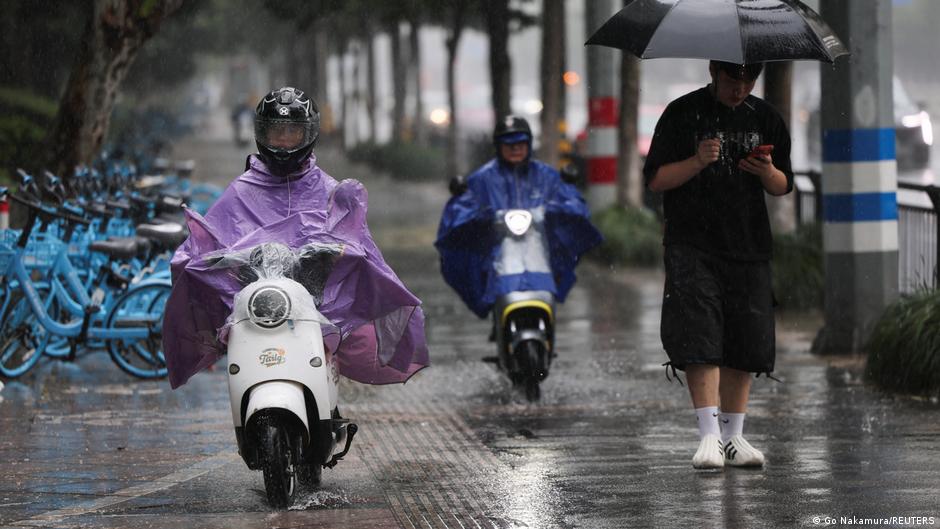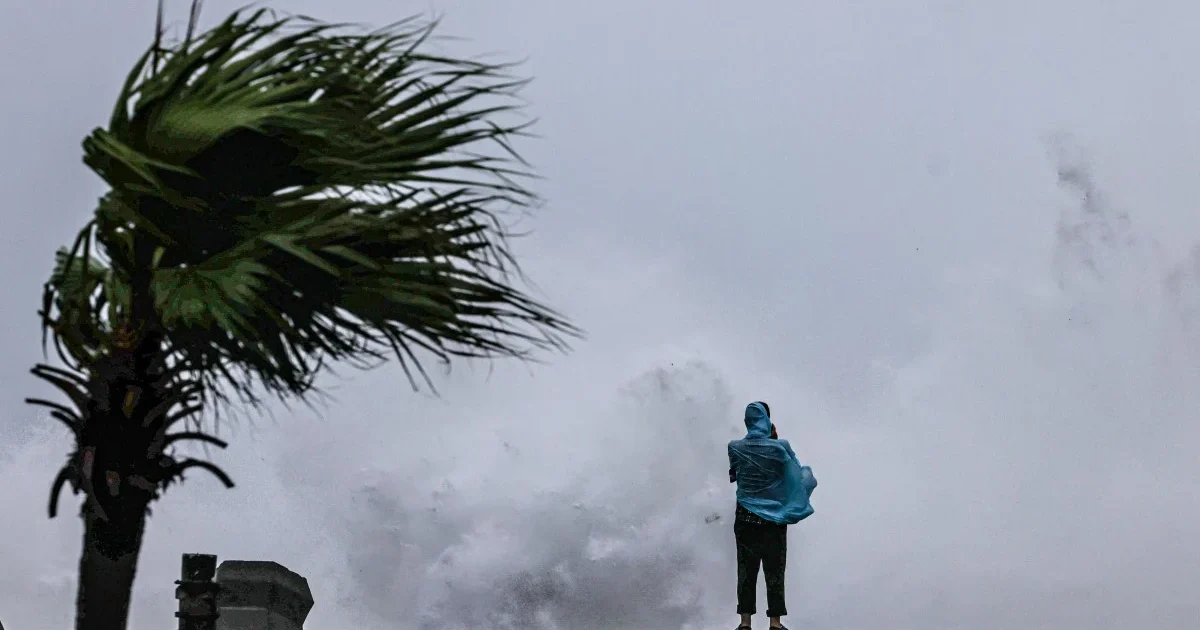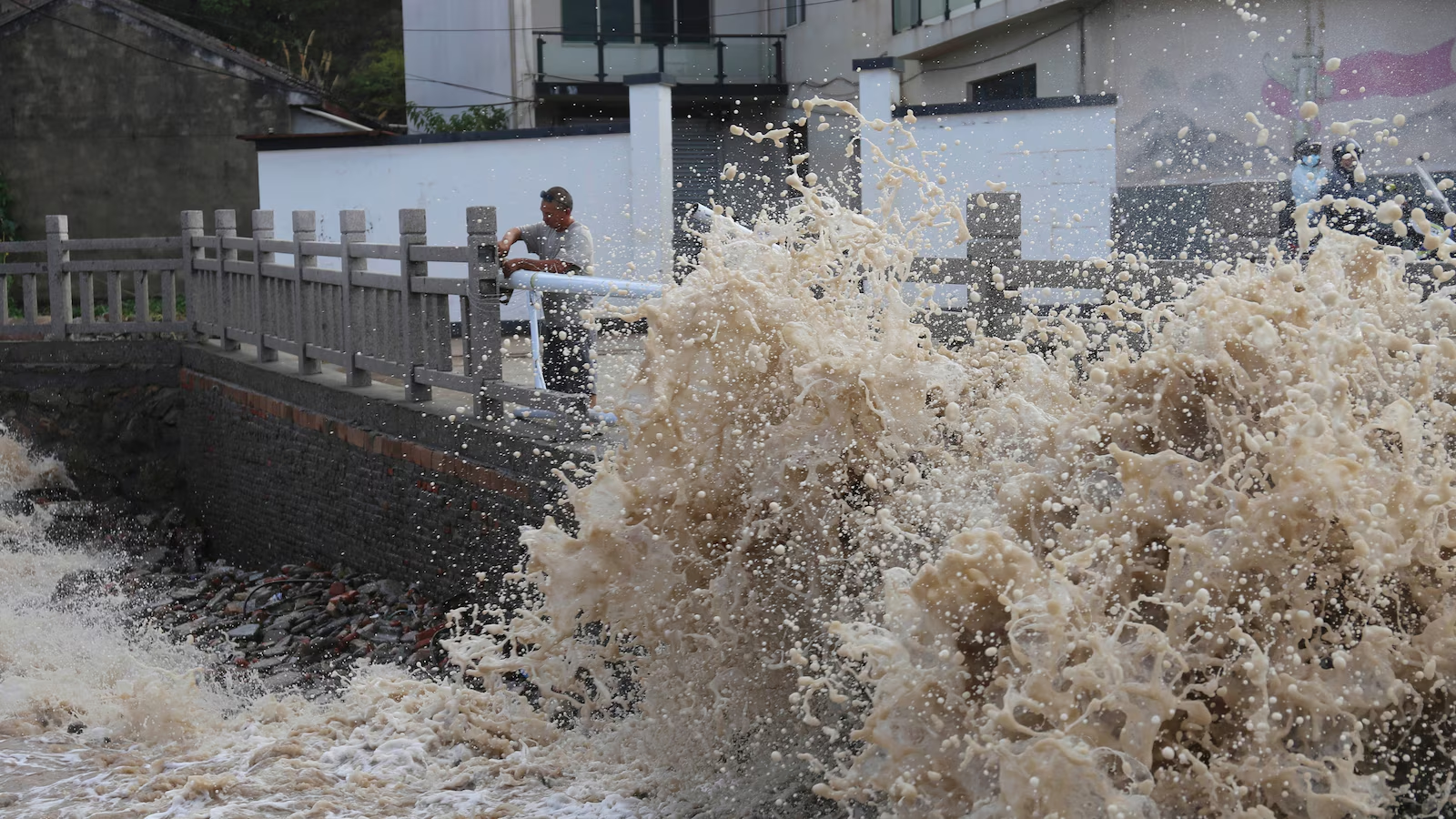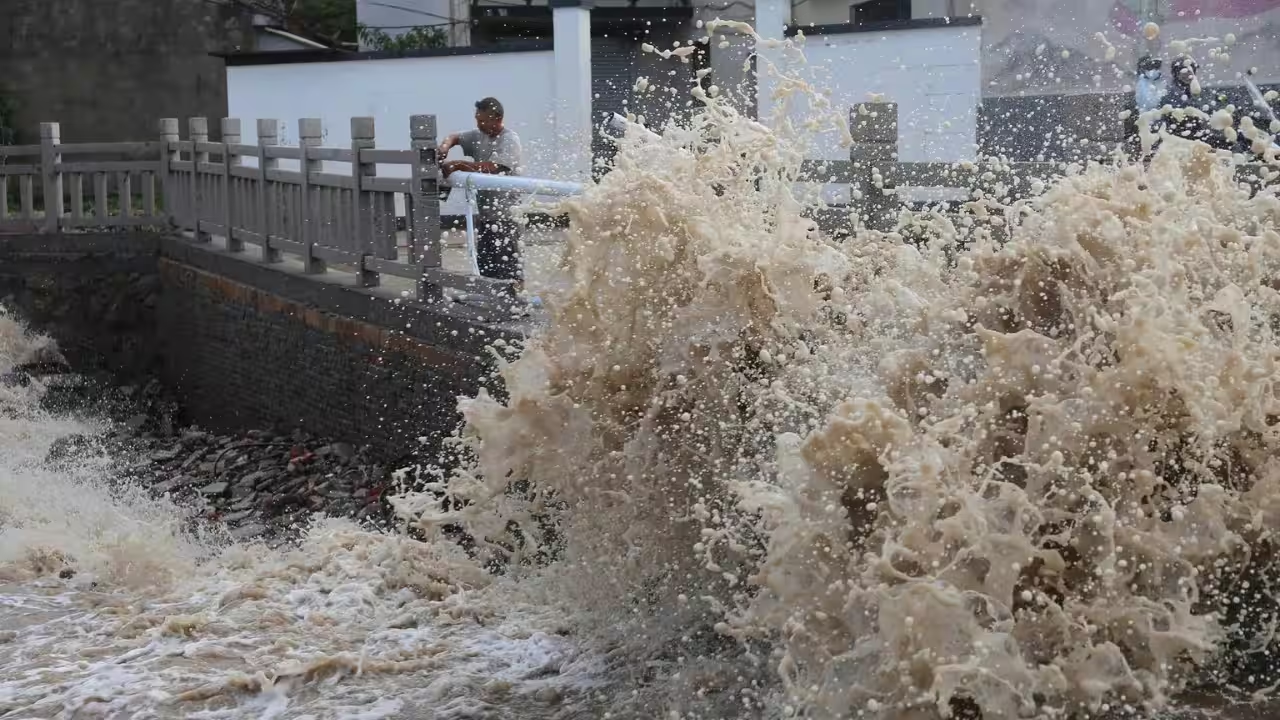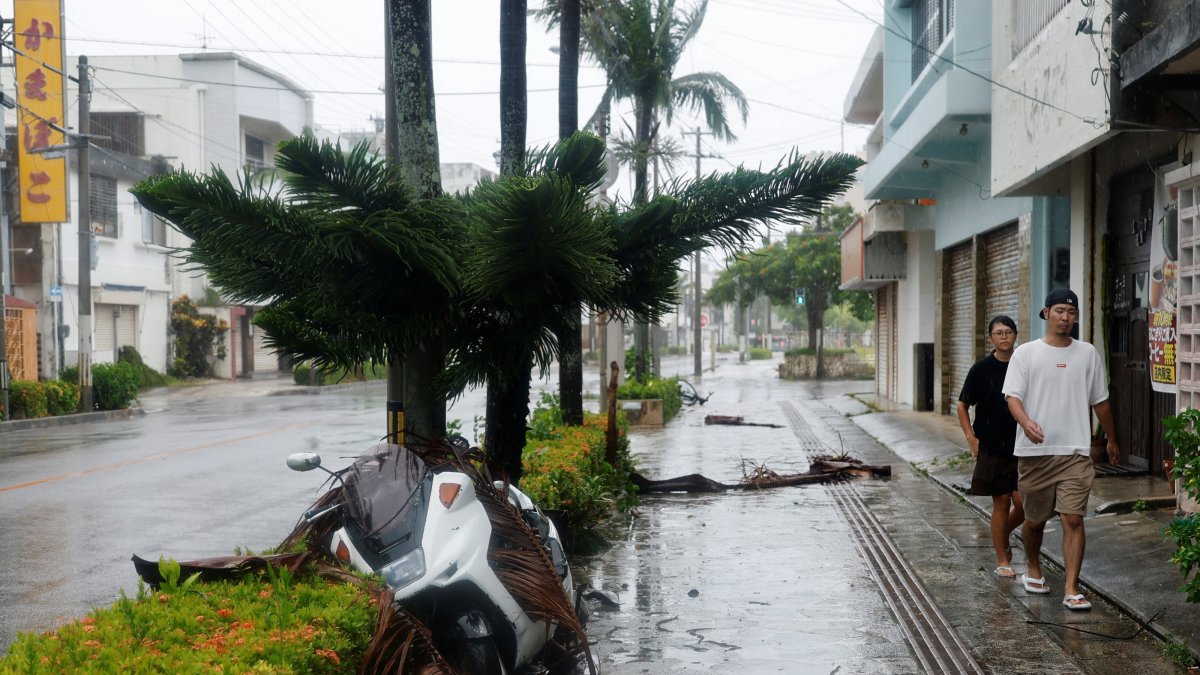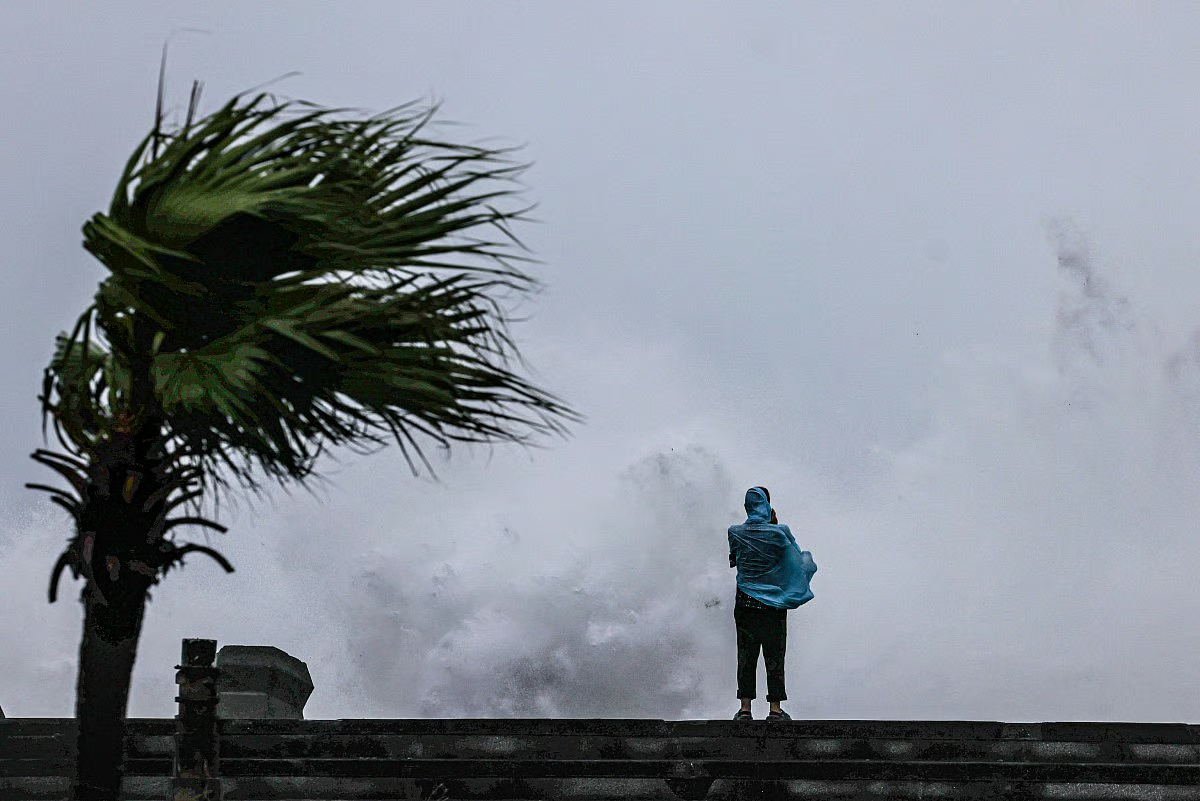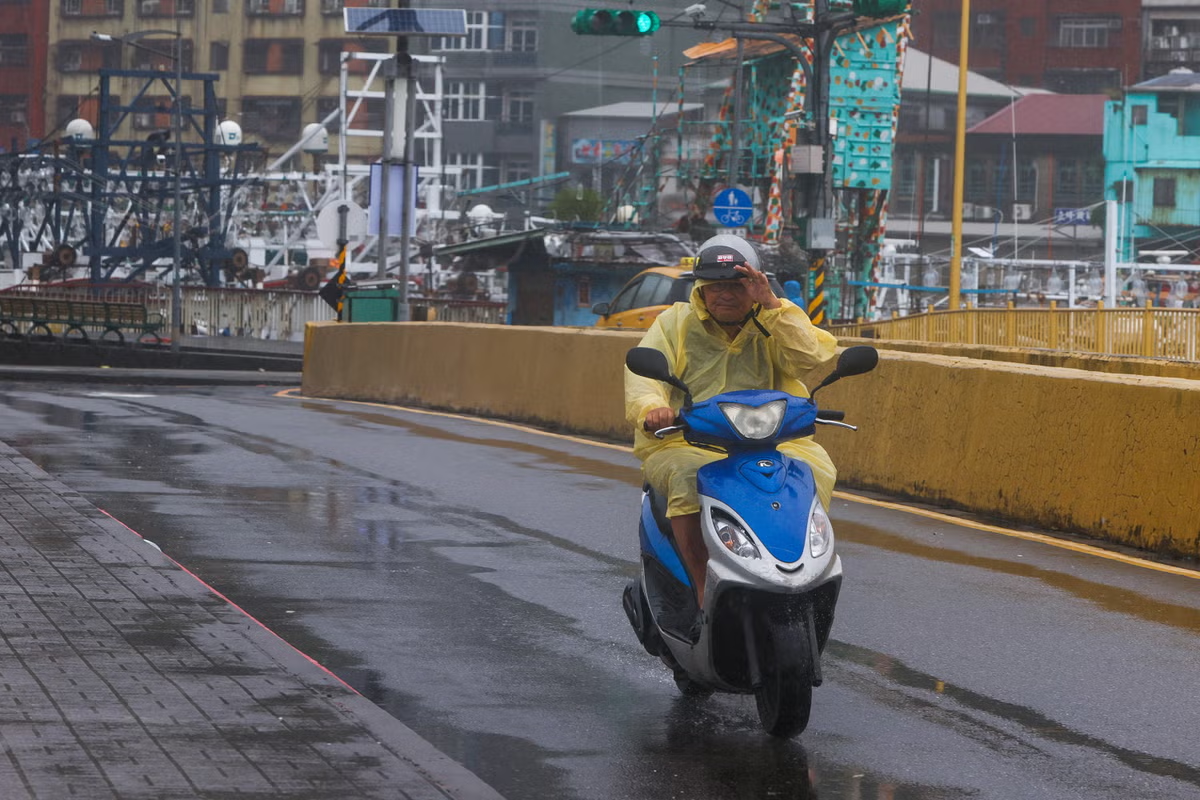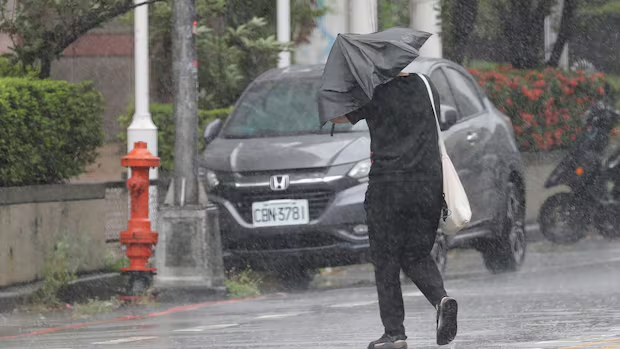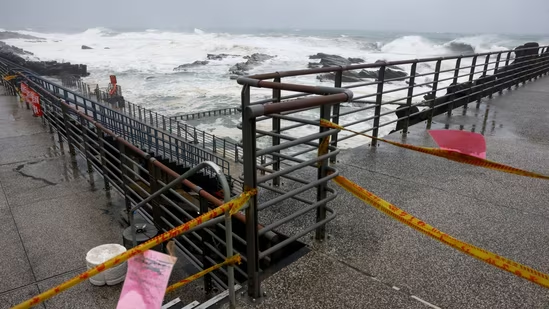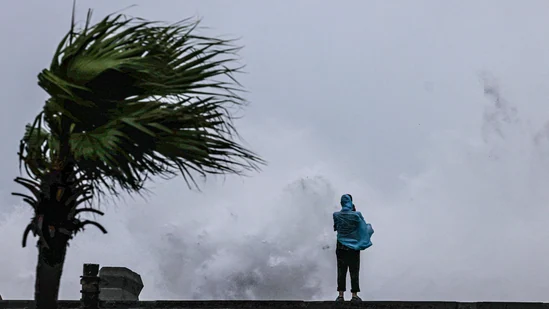
Typhoon Bavi has forced mass evacuations across East Asia, disrupted transport services and triggered widespread weather alerts as it moves towards China's eastern coast after hitting Taiwan and Japan's southern islands.A person looks on as large waves crash against the coast as Typhoon Bavi passes off northeastern Taiwan. (AFP)China has evacuated more than 1.8 million (18 lakh) people ahead of the typhoon's expected landfall near Wenzhou in Zhejiang province early Sunday. The coastal city, home to nearly 10 million people, is among the prone areas of the storm.The typhoon has already brought strong winds and heavy rainfall in Taiwan and Japan's southwestern islands while severe weather claimed lives in the Philippines.Also read: How powerful is Super Typhoon Bavi? Storm packs winds of up to 280 kmphChina evacuates over one million as Typhoon Bavi nearsAuthorities in China have stepped up precautionary measures as Typhoon Bavi approaches the country's eastern coastline.More than 1.7 million people were evacuated from Zhejiang province. Others were relocated from neighbouring Fujian province, as reported by Reuters. China's National Meteorological Centre has issued an orange typhoon alert, the second-highest level in its four-tier warning system, while also issuing the year's first red alert for rainstorms.The storm is expected to make landfall around Wenzhou early Sunday with a maximum wind speed of around 144 kph."I'm a little worried, but I think it'll be ok. We've been through typhoons before. We'll get through it," Wenzhou resident Huang Xinghuan said.He also said, "I think supplies are well guaranteed now. There's no need to panic or stockpile a lot of food or other supplies."Also read: Typhoon Bavi heads for China with 155 kmph winds after 50 killed in stormsThousands evacuated as Taiwan shuts down for Typhoon BaviTaiwan remained on high alert as the typhoon passed north of the island, bringing heavy rain and strong winds.More than 14,000 people were evacuated from vulnerable areas, more than 900 international and domestic flights were cancelled. Schools and offices in most parts remained closed, according to AP and Reuters.Authorities reported dozens of injuries, most involving people riding motorcycles or bicycles in slippery conditions.Despite widespread precautions, some residents felt the storm had been less severe than anticipated."It's OK, it's not that serious. It's just a little bit more wind," Taipei resident Yeh Mao-hsiung said.However, the Central Weather Administration warned of extremely heavy rainfall in northern Taiwan and dangerous coastal waves.Japan and the Philippines were also affectedTyphoon Bavi also hit Japan's southern Okinawa region, where strong winds, heavy rain and storm surges disrupted daily life.Also read: Monster Typhoon Bavi Batters Japan: 216 Km/h Winds Trigger Major Disruptions In IshigakiMore than 200 flights were cancelled, while thousands of households experienced power disruptions across the affected islands.Professional storm chaser James Reynolds posted on X, "Miyako is taking worst of typhoon Bavi."He added, "Conditions on Ishigaki gale force with some overnight gusts to typhoon strength."In the Philippines, heavy rains intensified by Bavi contributed to deadly landslides and flooding. According to AFP and AP, at least 17 people were killed, while nearly 11,000 residents were forced to leave their homes and move to emergency shelters.Authorities urge caution in China, Taiwan, JapanGovernments across the affected regions have issued warnings as heavy rainfall, strong winds and possible flooding continue to threaten several areas.Officials in China, Taiwan and Japan have urged residents to remain indoors where possible, follow official advisories and avoid unnecessary travel until weather conditions improve.With Typhoon Bavi continuing its path towards eastern China, authorities remain on alert as emergency teams prepare for the storm's landfall and its potential impact.(With inputs from agencies)
1.8 million evacuated, thousands flee: Typhoon Bavi heads to China after wreaking havoc in Japan, Taiwan, Philippines
The storm triggered mass evacuations, disrupted flights and left thousands without power before nearing eastern China's coast. | World News
590 words~3 min read