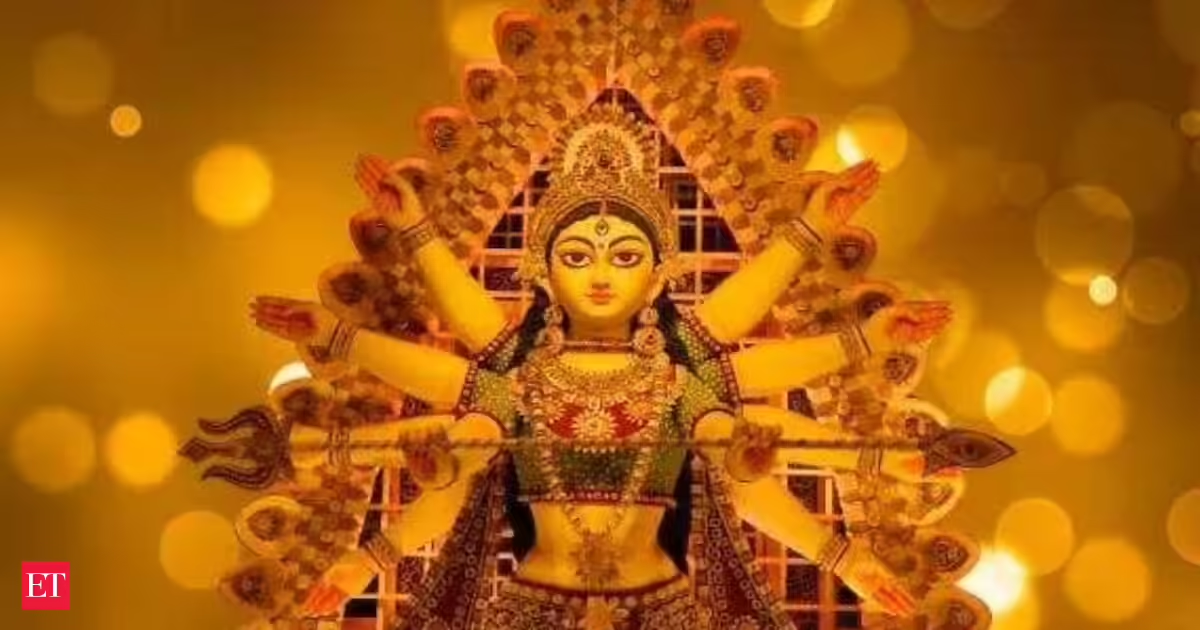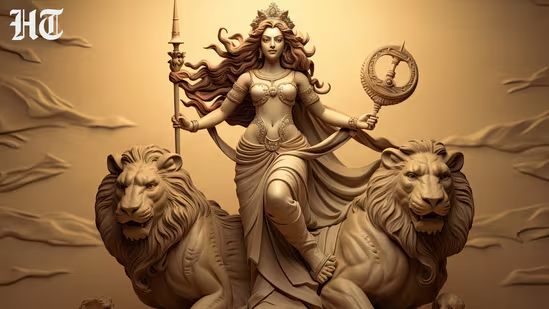
While Chaitra and Sharad Navratri are known for temple visits, fasting, cultural celebrations and family gatherings, Gupt Navratri is observed in a much quieter way. It is a time for meditation, mantra chanting and self-reflection. In an interview with Hindustan Times, Ramakrishna Mission teacher Yuvika Dhar explains why this lesser-known Navratri is called the "secret" Navratri and what makes it spiritually special.Gupt Navratri 2026: Why it is called the 'secret' Navratri. (Freepik)Also Read Gupt Navratri 2026: Date, timings and the spiritual significance of this sacred nine-day observance Why is it called the 'secret' Navratri?"The word Gupt means hidden or secret," says Yuvika. "Gupt Navratri is a deeply personal spiritual journey. During these nine days, seekers keep their sadhana private instead of displaying it publicly. When spiritual practice is done with sincerity and without seeking attention, the energy generated through it becomes stronger and helps a person progress on the spiritual path."This year's Ashadha Gupt Navratri will be observed from July 15 to July 23. Devotees who wish to perform ghat sthapana can do so between 5:33 a.m. and 10:09 a.m. on July 15.How is Gupt Navratri different from Sharad Navratri?According to Dhar, the biggest difference is the focus of the celebration. Sharad Navratri is celebrated publicly with prayers, shopping, festive meals, pandal visits and community events. Gupt Navratri, on the other hand, encourages people to turn inward through meditation, mantra chanting and silence."There are no feasts or social gatherings during Gupt Navratri. The real celebration is the inner joy that comes through Divine grace," she says.Which deities are worshipped?During Sharad Navratri, devotees worship the nine forms of Goddess Durga. Gupt Navratri is mainly dedicated to the Dasa Mahavidyas, the ten powerful forms of the Divine Mother Kali, Tara, Tripurasundari, Bhuvaneshwari, Bhairavi, Chinnamasta, Dhumavati, Bagalamukhi, Matangi and Kamalatmika.Yuvika says that in South India, many devotees worship Goddess Varahi during Ashadha Gupt Navratri, seeking her protection and blessings. She adds that a seeker's Guru or chosen deity often guides which form of the Divine Mother they worship during these nine days.What should devotees avoid?Since Gupt Navratri is meant for inner transformation, Dhar advises devotees to prepare both the body and mind before the festival begins. She recommends avoiding heavy meals, alcohol, crowded places and anything that creates restlessness or laziness.Instead, she suggests eating simple food, practising yoga and breathing exercises, reducing unnecessary conversation and spending more time in silence. "The purpose of Gupt Navratri is to move away from outside distractions and reconnect with your inner self," she says.According to Dhar, Gupt Navratri is an opportunity to slow down, deepen one's spiritual practice and experience inner peace through devotion and meditation.
Why is Gupt Navratri called the 'secret' Navratri? Yuvika Dhar explains
In an interview with Hindustan Times, Yuvika Dhar explains why this lesser-known Navratri is called the "secret" Navratri.
439 words~2 min read