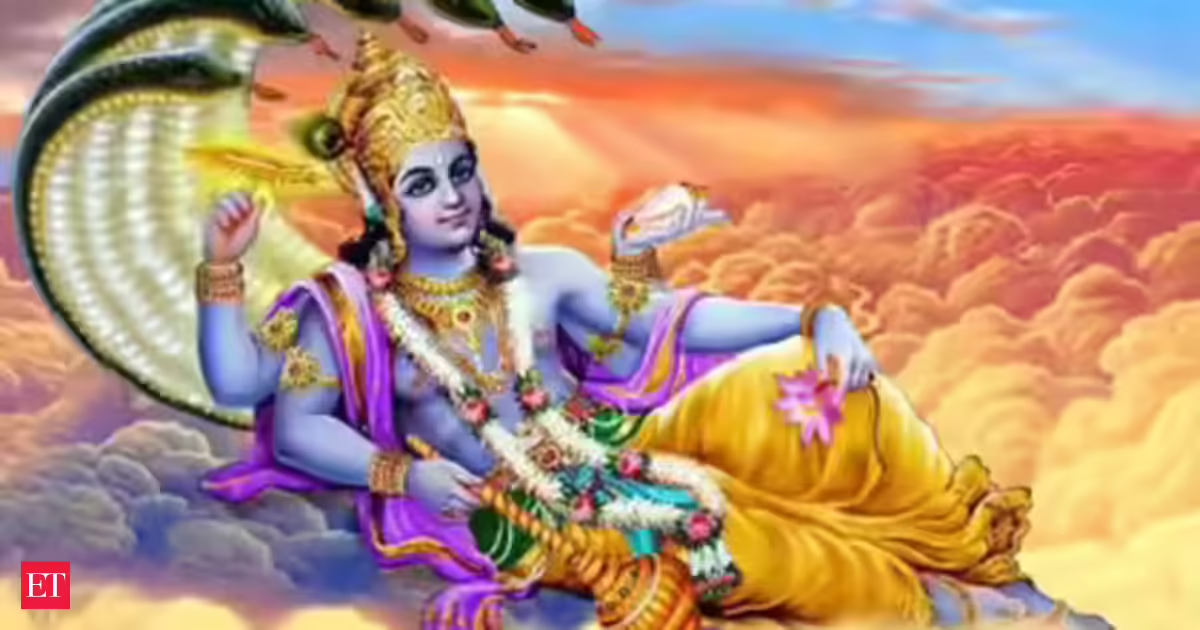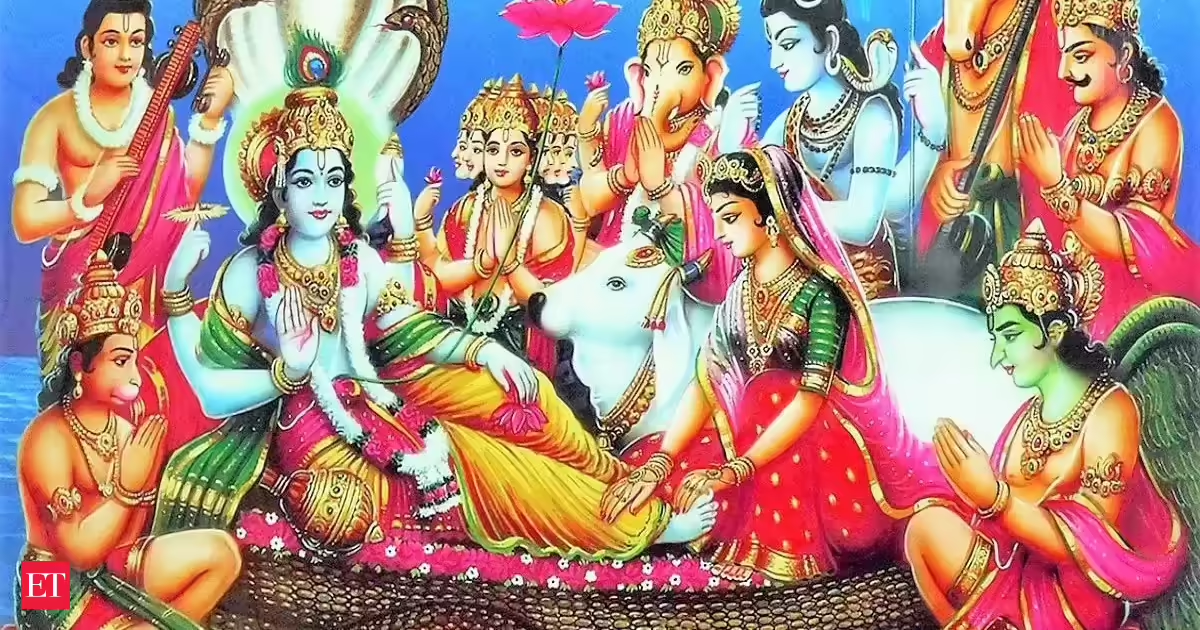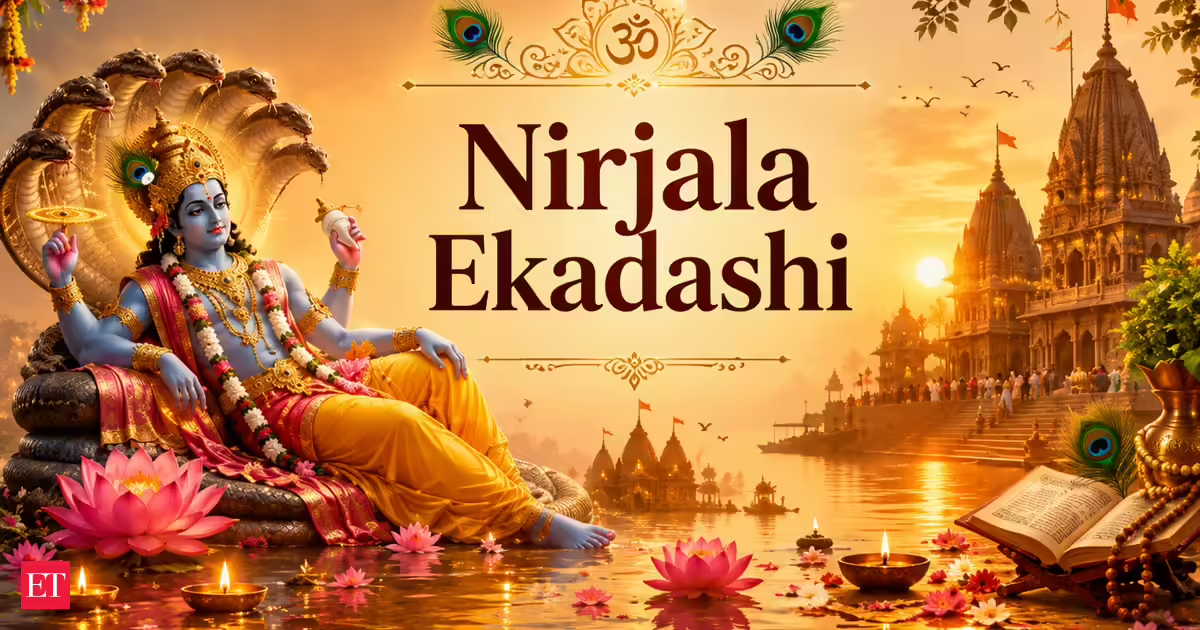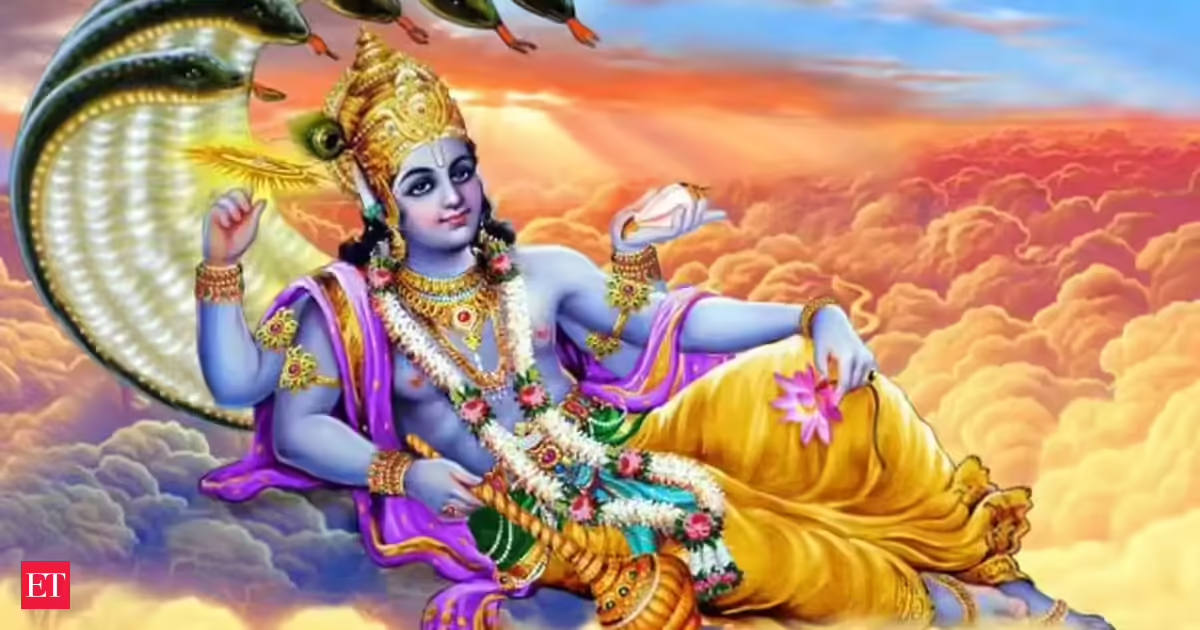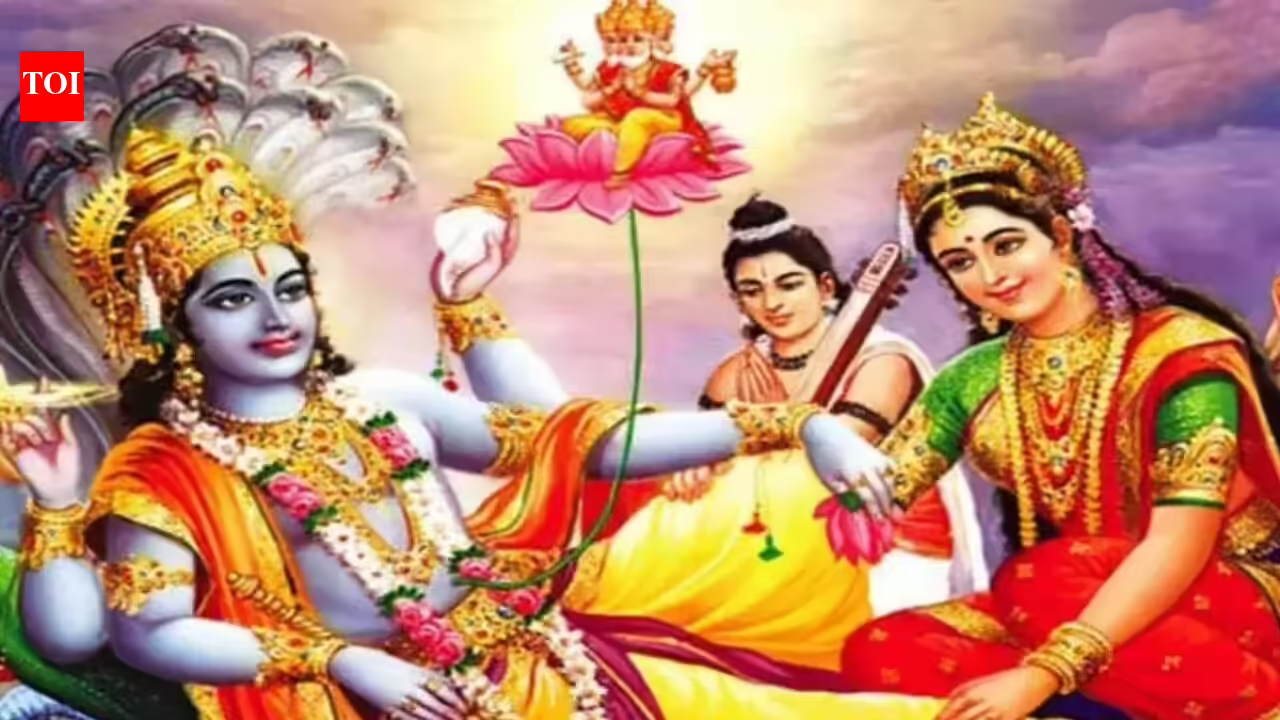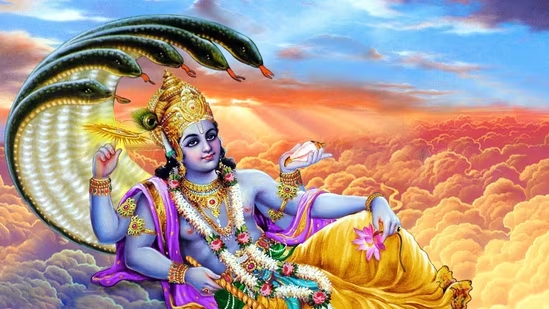
Nirjala Ekadashi is considered one of the most powerful and sacred fasting days in Hinduism. It falls during the Shukla Paksha (waxing phase of the Moon) in the month of Jyeshtha. The word "Nirjala" means "without water", making it one of the strictest Ekadashi fasts observed throughout the year.According to Hindu beliefs, devotees who observe this fast with devotion receive the benefits of all 24 Ekadashi fasts observed during the year. The vrat is closely linked with Bhima, one of the Pandava brothers from the Mahabharata. The Nirjala Ekadashi Vrat Katha, mentioned in the Padma Purana, explains the significance of this sacred day and why it is considered a gateway to spiritual merit and salvation.Why Did Yudhishthira Ask About Nirjala Ekadashi?The story begins when Yudhishthira asked Lord Krishna to explain the importance of the Ekadashi that falls during the bright fortnight of Jyeshtha month.Lord Krishna replied that Sage Vyasa, who possessed complete knowledge of the Vedas and scriptures, would explain the greatness of this sacred fast.Vyasa advised that devotees should avoid eating on Ekadashi and worship Lord Vishnu. He emphasised that observing Ekadashi is an important spiritual practice that helps a person progress on the path of righteousness.What Problem Did Bhima Face While Observing Ekadashi?When Bhimasena heard Vyasa's instructions, he spoke honestly about his difficulty.Bhima explained that his brothers Yudhishthira, Arjuna, Nakula and Sahadeva, along with Mother Kunti and Draupadi, faithfully observed every Ekadashi fast. They often encouraged him to do the same.However, Bhima admitted that he could not tolerate hunger. He said a powerful fire constantly burned within his stomach and could only be satisfied through food. Because of his immense appetite, fasting twice every month seemed impossible.Bhima then requested Sage Vyasa to suggest a single fast that could provide the benefits of all Ekadashi observances.The Special Fast Recommended by Sage VyasaUnderstanding Bhima's difficulty, Sage Vyasa suggested a unique solution. He instructed Bhima to observe the Ekadashi that falls during the Shukla Paksha of Jyeshtha month without consuming food or water. This strict fast would be known as Nirjala Ekadashi.Vyasa explained that apart from the minimal water required for ritual purification, no water should be consumed during the fast. A devotee should remain without food and water from sunrise on Ekadashi until sunrise on Dwadashi.According to the sage, faithfully observing this one fast would grant the spiritual merit of all Ekadashi fasts performed throughout the year.What Are the Rules Mentioned in the Nirjala Ekadashi Vrat Katha?The vrat katha outlines several important practices for devotees:Observe a complete fast without food and water.Spend the day worshipping Lord Vishnu.Chant prayers and remember the name of Hari.Remain disciplined and devoted throughout the fast.On Dwadashi, take a bath and perform charity.Donate water, food, clothing and other useful items to the needy or Brahmins.Feed Brahmins before breaking the fast.These practices are believed to enhance the spiritual benefits of the vrat.How Does Nirjala Ekadashi Remove Sins?The Nirjala Ekadashi Vrat Katha highlights the immense spiritual power of this fast. Lord Krishna explains that those who surrender themselves to Lord Vishnu and observe Ekadashi with sincerity become free from sins. The story states that even people burdened by serious mistakes can seek forgiveness through genuine devotion and righteous conduct.The fast symbolises self-control, discipline and complete faith in God. By conquering physical desires, devotees strengthen their spiritual connection with the divine.What Happens to Devotees After Death?One of the most striking parts of the vrat katha describes the fate of those who observe Nirjala Ekadashi.The story says that the fearsome messengers of Yama, the god of death, do not approach those who faithfully keep this fast. Instead, Vishnudutas—the divine attendants of Lord Vishnu, arrive to guide the devotee towards Lord Vishnu's heavenly abode.This belief is one reason why Nirjala Ekadashi is often regarded as a fast that opens the path to heaven and liberation.Donations Mentioned in the Nirjala Ekadashi Vrat KathaCharity plays an important role in the observance of Nirjala Ekadashi.The Padma Purana recommends donating:Water-filled potsFood grainsClothesUmbrellasFootwearBeds and seatsKamandalus (water pots)Cows, where possibleThese acts of charity are believed to multiply the spiritual rewards earned through fasting.Why Is Nirjala Ekadashi Also Called Pandava Ekadashi?After listening to Sage Vyasa's instructions, Bhima decided to observe the strict waterless fast.He successfully completed the vrat and obtained the benefits of all Ekadashi fasts. Since Bhima belonged to the Pandava family and became closely associated with this observance, the day also came to be known as Pandava Ekadashi or Bhimseni Ekadashi.The story continues to inspire devotees who may find it difficult to observe every Ekadashi throughout the year.The Spiritual Message of the Nirjala Ekadashi Vrat KathaThe Nirjala Ekadashi Vrat Katha is not only about abstaining from food and water. It teaches the importance of determination, self-discipline and devotion.Bhima's story shows that even those who struggle with spiritual practices can find a path suited to their abilities. Through sincere faith, self-control and charity, devotees seek Lord Vishnu's blessings and spiritual growth.For millions of devotees, Nirjala Ekadashi remains a sacred opportunity to purify the mind, strengthen devotion and move closer to divine grace.Disclaimer: This article is based on the Nirjala Ekadashi Vrat Katha as described in Hindu scriptures and religious texts. Devotees may follow different traditions and rituals based on regional customs and family practices.
Ekadashi Vrat Katha: Nirjala vrat story, its spiritual significance, how to recite it and more
Ekadashi Vrat Katha: Nirjala Ekadashi, a rigorous fast without food or water, offers the spiritual merit of all 24 Ekadashis. Linked to Bhima's struggle with hunger, this sacred observance in Jyeshtha month, as narrated in the Padma Purana, emphasizes devotion to Lord Vishnu. Observing its strict rules, including charity on Dwadashi, promises liberation from sins and a divine journey, making it a powerful gateway to spiritual growth and salvation.
867 words~4 min read