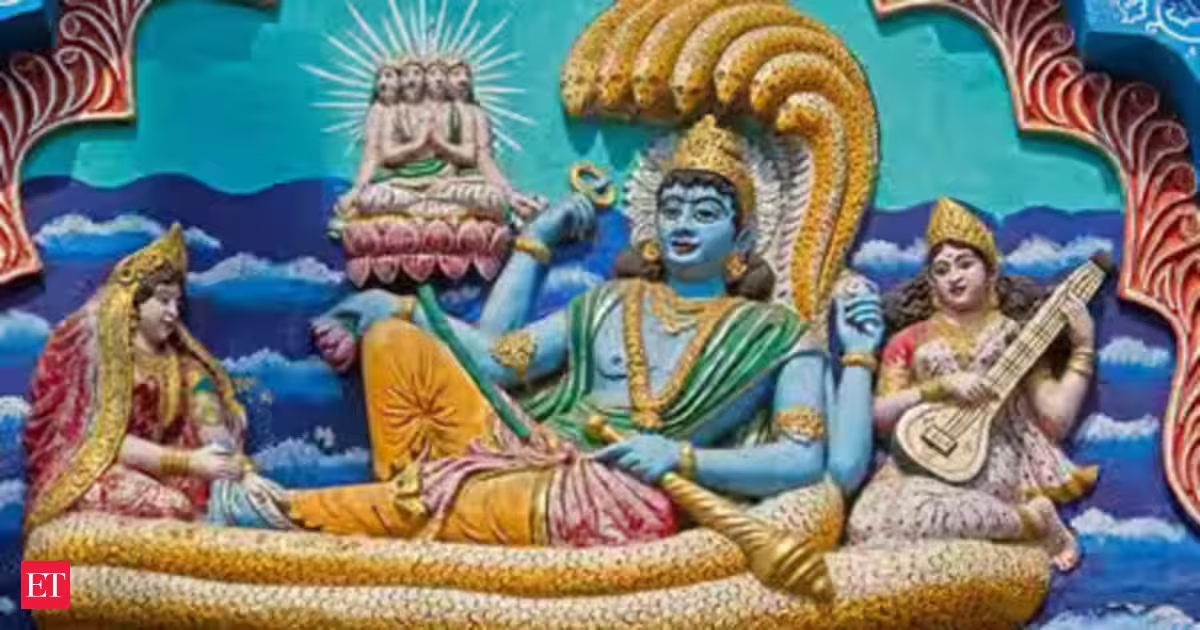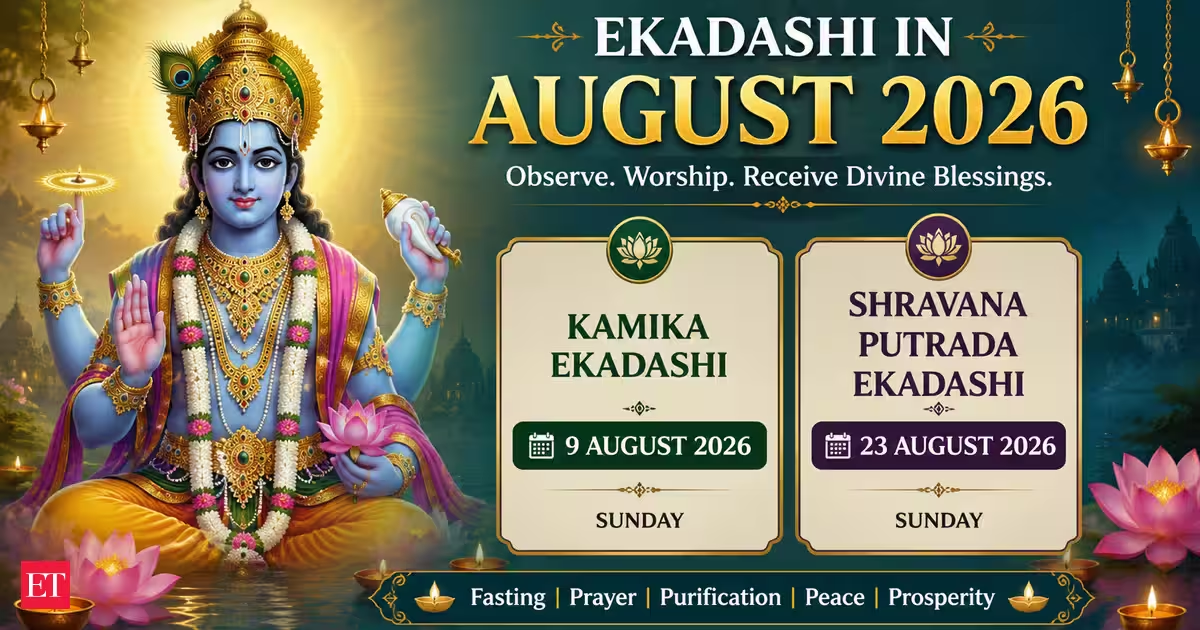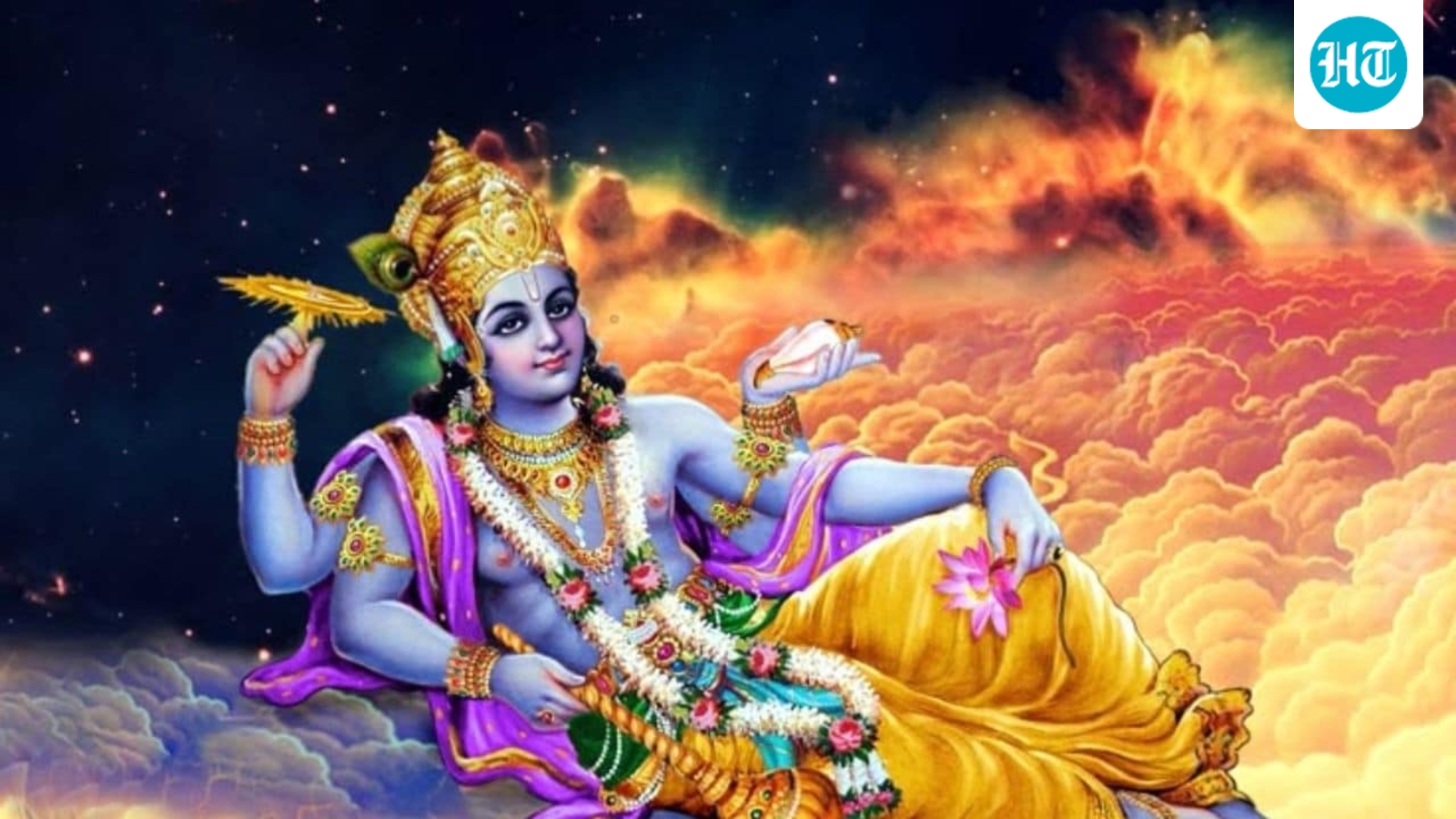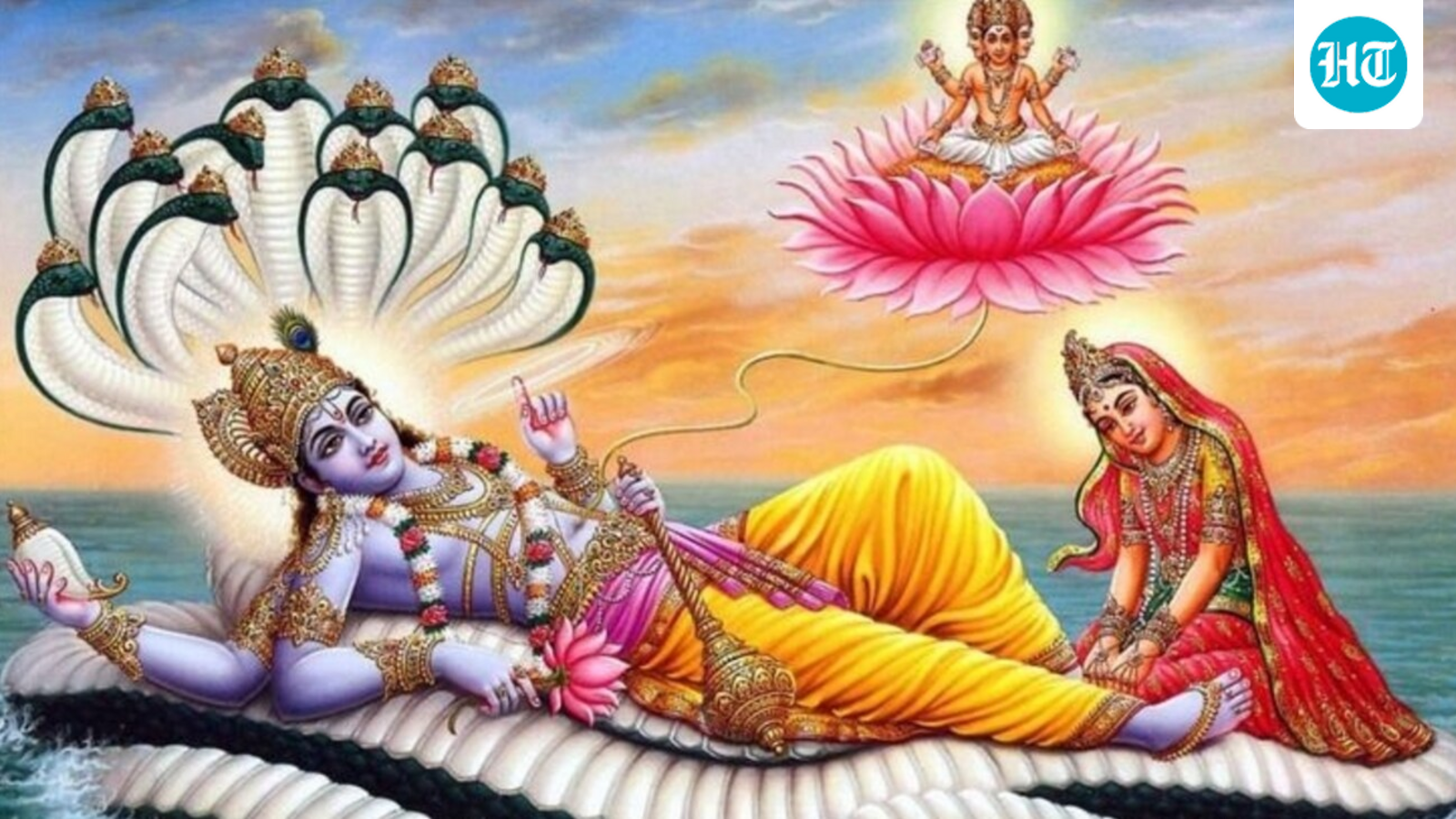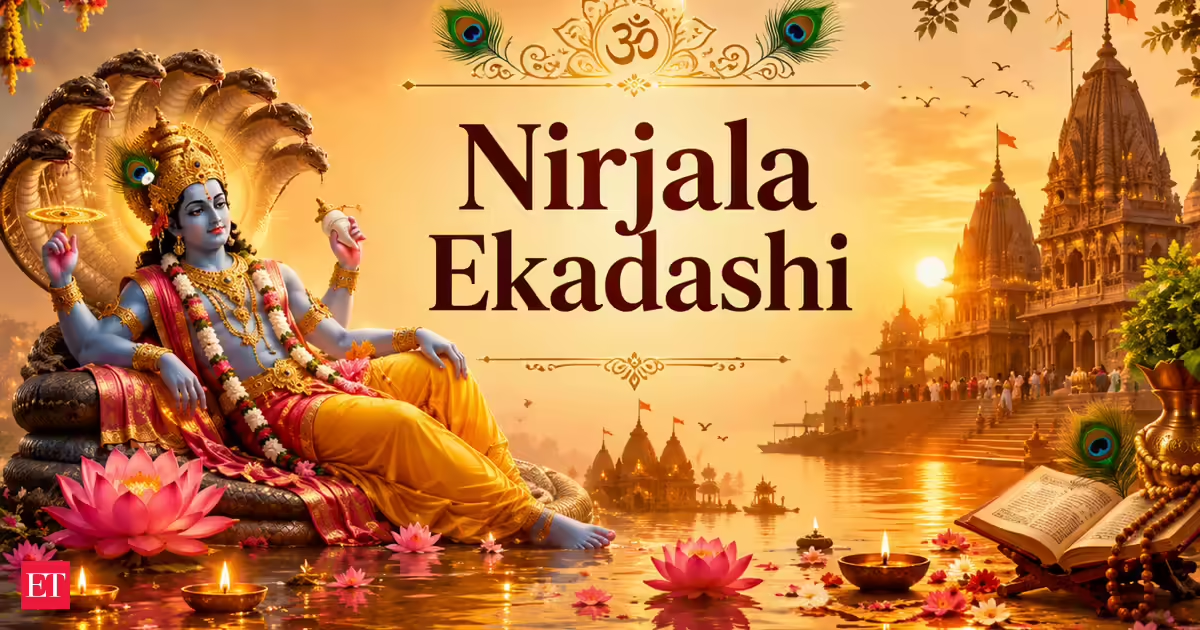
Nirjala Ekadashi is one of the most important and widely observed Ekadashis in the Hindu calendar. Falling during the Shukla Paksha of Jyeshtha month, this sacred day is dedicated to Lord Vishnu and is regarded as the most powerful among all Ekadashi fasts.The word "Nirjala" literally means "without water." Unlike other Ekadashi observances where fruits, milk, and fasting foods may be consumed, devotees observing Nirjala Ekadashi traditionally abstain from both food and water for the entire day. Hindu scriptures state that observing this vrat with faith and discipline can provide the same spiritual merit as observing every Ekadashi throughout the year.Also Read: Ekadashi in June 2026: Complete Guide to Parama and Nirjala Ekadashi Dates, Timings and SignificanceNirjala Ekadashi 2026 Date and TimingsEventDate & TimeNirjala Ekadashi Vrat25 June 2026 (Thursday)Ekadashi Tithi Begins24 June 2026, 06:12 PMEkadashi Tithi Ends25 June 2026, 08:09 PMParana (Fast Breaking)26 June 2026, 05:25 AM – 08:13 AMDwadashi Ends26 June 2026, 10:22 PMTimings may vary slightly according to location and Panchang calculations.Why is Nirjala Ekadashi the Most Powerful Ekadashi?Among all twenty-four Ekadashis observed annually, Nirjala Ekadashi is considered the most significant due to its strict fasting discipline and immense spiritual importance.Traditional Hindu beliefs state that devotees who sincerely observe this vrat receive the combined spiritual benefits of all Ekadashi fasts observed throughout the year. Because of its rigorous nature, Nirjala Ekadashi is often regarded as the ultimate test of devotion, self-control, and faith.Devotees observe this sacred day to:Seek the blessings of Lord VishnuRemove negative karma and past sinsEnhance self-discipline and spiritual growthAttain mental peace and inner purificationEarn the spiritual merit of all annual Ekadashi fastsStrengthen devotion and faithLegend of Bhima and Nirjala EkadashiThe significance of Nirjala Ekadashi is closely associated with the Mahabharata and the Pandava prince Bhima. According to Hindu tradition, Bhima, known for his immense strength and appetite, found it difficult to observe the twice-monthly Ekadashi fasts practiced by his brothers and mother. Concerned about missing the spiritual benefits of these sacred observances, he sought guidance from Sage Vyasa.The sage advised Bhima to observe a single strict Nirjala Ekadashi fast every year without consuming food or water. Sage Vyasa explained that observing this vrat with complete devotion would grant the same spiritual benefits as observing all Ekadashis throughout the year. Bhima followed the sage's instructions and successfully completed the fast. Since then, Nirjala Ekadashi has been associated with Bhima and is popularly known as:Bhimseni EkadashiBhima EkadashiPandava EkadashiNirjala Ekadashi Puja Vidhi - How to do Nirjala Ekadashi fastDevotees generally follow these rituals on Nirjala Ekadashi:Morning RitualsWake up during Brahma Muhurta.Take a holy bath and wear clean clothes.Clean the worship area and home temple.Take a Sankalp (vow) to observe the fast.Meditate on Lord Vishnu.Vishnu PujaPlace an idol or image of Lord Vishnu.Offer Tulsi leaves, yellow flowers, sandalwood, incense, and ghee lamps.Offer fruits and flowers symbolically.Recite Vishnu Sahasranama.Chant "Om Namo Bhagavate Vasudevaya."Evening WorshipPerform Vishnu Aarti.Read or listen to the Nirjala Ekadashi Vrat Katha.Participate in bhajans and devotional activities.Many devotees stay awake during the night in remembrance of Lord Vishnu.Fasting Rules for Nirjala EkadashiNirjala Ekadashi is considered the strictest Ekadashi fast.Traditional Nirjala VratNo food consumption throughout the day.No water consumption throughout the fast.Continuous remembrance of Lord Vishnu through prayer and chanting.Alternative ObservanceThose unable to observe a complete waterless fast due to age, health conditions, or other circumstances may choose a modified fast involving fruits, milk, or water after consulting family traditions or spiritual guidance.Foods to AvoidRiceWheatPulses and lentilsOnion and garlicNon-vegetarian foodAlcohol and intoxicantsSpiritual Benefits of Nirjala EkadashiAccording to Hindu scriptures and traditional beliefs, observing Nirjala Ekadashi may help devotees:Attain the blessings of Lord VishnuRemove accumulated sins and karmic burdensDevelop self-discipline and willpowerExperience spiritual purificationStrengthen faith and devotionEarn the merit of observing all Ekadashi fasts in a yearProgress on the path of spiritual growth and liberationMany devotees also use the day for charity, mantra chanting, meditation, and acts of service, which are believed to further enhance the spiritual merit of the observance.Important NoteDue to the strict nature of Nirjala Ekadashi fasting, elderly individuals, pregnant women, children, and people with medical conditions should exercise caution and seek appropriate guidance before attempting a complete waterless fast. Health and safety should always be prioritized while observing religious practices.What is the Next Major Festival After Nirjala Ekadashi?Following Nirjala Ekadashi, devotees will soon observe Jyeshtha Purnima and Vat Purnima Vrat on June 29, 2026, followed by several significant planetary and spiritual events that mark the beginning of an important new astrological cycle in the second half of 2026.FAQsWhen is Nirjala Ekadashi in 2026 (Nirjala Ekadashi Kab Hai)?Nirjala Ekadashi will be observed on 25 June 2026 (Thursday).Why is Nirjala Ekadashi considered the most powerful Ekadashi?It is believed that observing Nirjala Ekadashi grants the spiritual benefits of all twenty-four Ekadashis observed throughout the year.Why is Nirjala Ekadashi called Bhimseni Ekadashi?The vrat is associated with Bhima of the Mahabharata, who observed this single fast on the advice of Sage Vyasa.What is the Parana time for Nirjala Ekadashi 2026?The fast can be broken on 26 June 2026 between 05:25 AM and 08:13 AM.How to do Nirjala Ekadashi (Nirjala Ekadashi Kaise Karein)?Wake up early, take a holy bath, and take a vow to observe the fast. Worship Lord Vishnu with Tulsi leaves, flowers, and prayers. Traditionally, devotees avoid both food and water throughout the day and spend time in chanting, meditation, and devotion. The fast is broken during the Parana time on Dwadashi.Disclaimer Statement: This content is authored by a 3rd party. The views expressed here are that of the respective authors/ entities and do not represent the views of Economic Times (ET). ET does not guarantee, vouch for or endorse any of its contents nor is responsible for them in any manner whatsoever. Please take all steps necessary to ascertain that any information and content provided is correct, updated, and verified. ET hereby disclaims any and all warranties, express or implied, relating to the report and any content therein.
When is Nirjala Ekadashi 2026: Date, Fasting Rules, Vrat Katha, Puja Vidhi and Spiritual Benefits
Nirjala Ekadashi 2026 falls on June 25. Know the date, fasting rules, Bhima story, Puja Vidhi, Parana timing, significance, and spiritual benefits.
979 words~4 min read