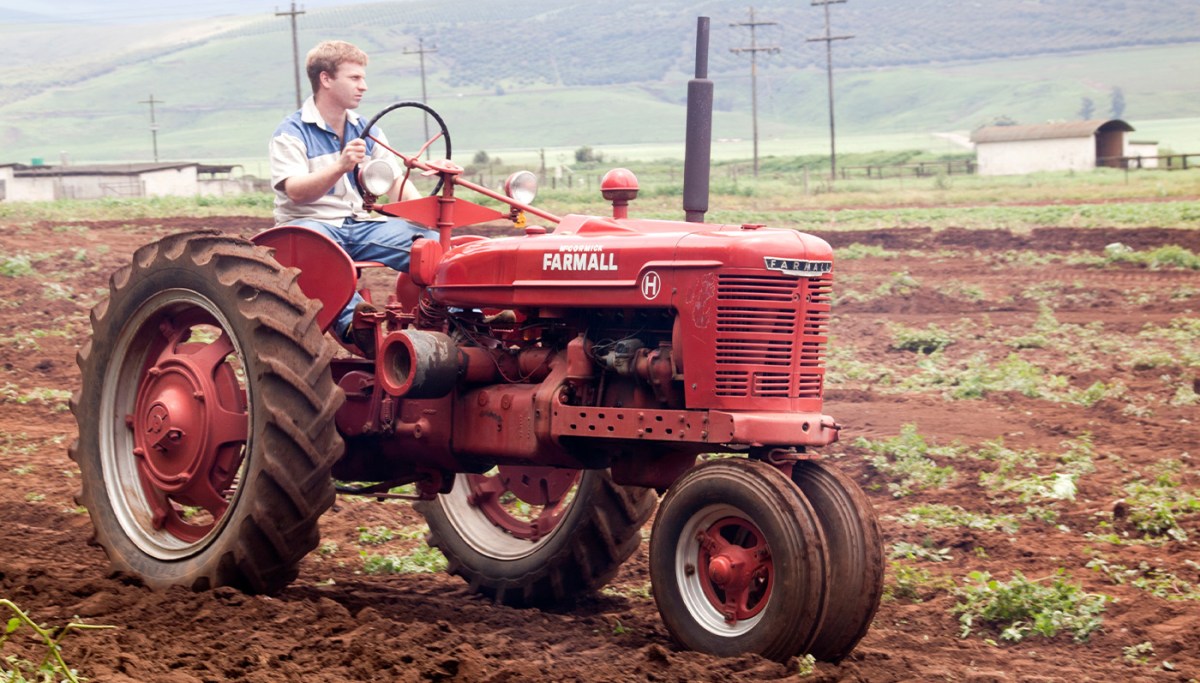
As a child, I was obsessed with my grandfather’s red tractor, a classic Farmall H. When it wasn’t being used, you could find it parked between the garden and the barn, like a sphinx protecting the corn fields. I’ve since learned that the Farmall was truly revolutionary for the farms and families where I grew up in Illinois.Tractors first spread through the Wheat Belt in the late 1910s, but it took another two decades for the technology to be adopted in the Corn Belt. By looking closely at Census data on tractors from 1910 to 1950, Daniel Gross of the Harvard Business School was able to plot out the two time periods. At first, the tractor was “developed for narrow applications with existing complementary equipment,” and later, it became “sufficiently general for its diffusion to be broad-based and pervasive,” so that it could reach into the Corn Belt. Farmalls were key to this second stage of tractor development because they were affordable yet versatile on the farm.Artificial intelligence is in its Wheat Belt stage. Much like other technologies, AI is having an impact in narrow categories of work, but it has yet to be truly transformative to the broader economy. I expect that changes will come from AI, but they will take time.
The AI Revolution Is Running Ahead of the Workplace
AI is having an impact in narrow categories of work, but it has yet to be truly transformative to the broader economy.
1,097 words~5 min read