https://arab.news/jtu6g
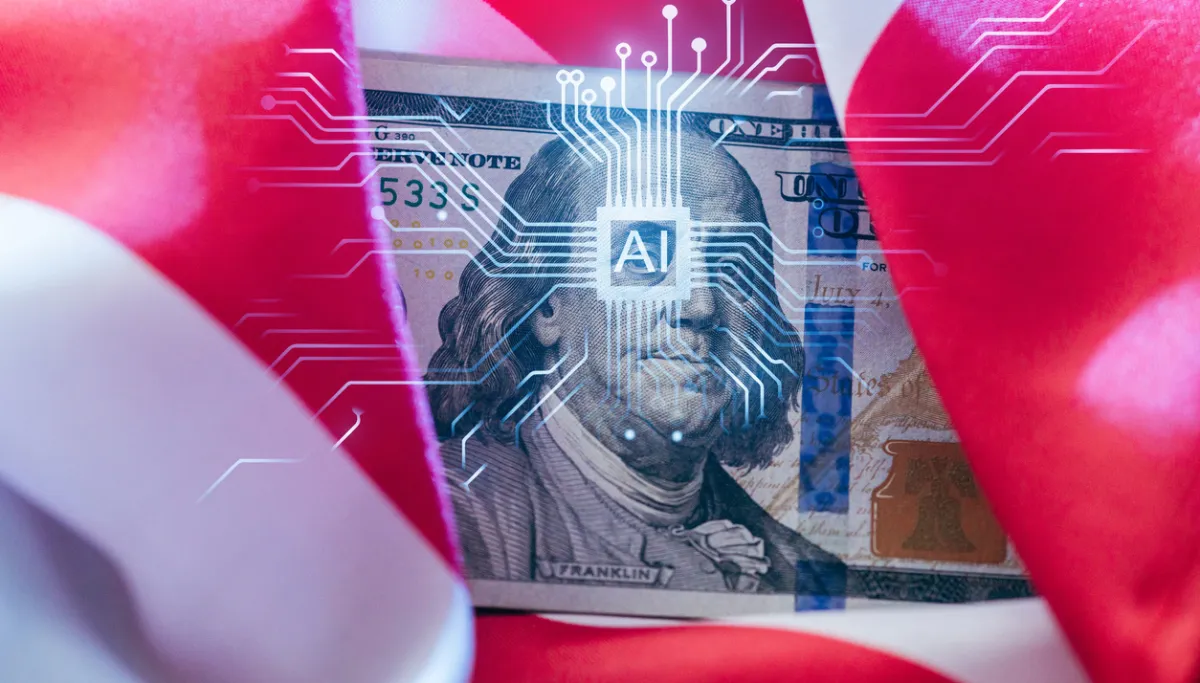
Artificial intelligence is rapidly becoming a transformative force across every sector of the global economy. From automating manufacturing processes to revolutionizing how we diagnose diseases or make investment decisions, AI is fundamentally reshaping productivity, innovation and economic competitiveness.
According to estimates by the International Data Corporation, AI has the potential to boost the global economy by an astonishing $19.9 trillion by 2030. This figure represents a seismic shift in economic potential, equivalent to more than the current size of China’s economy. Experts project that AI could increase the annual growth rate of global gross domestic product by up to one full percentage point over the next decade, rivaling the levels of economic transformation seen during the Industrial Revolution.
This anticipated surge in economic growth is driven by several key factors: massive gains in productivity due to automation, the ability to generate and analyze vast datasets, and the creation of entirely new markets and services powered by AI.
Industries are already seeing the early impacts of this transformation. In the finance sector, AI-driven algorithms are reshaping trading and risk analysis. In healthcare, AI is assisting in early diagnosis and personalized treatment plans. In logistics and manufacturing, autonomous systems are enhancing efficiency and lowering operational costs.