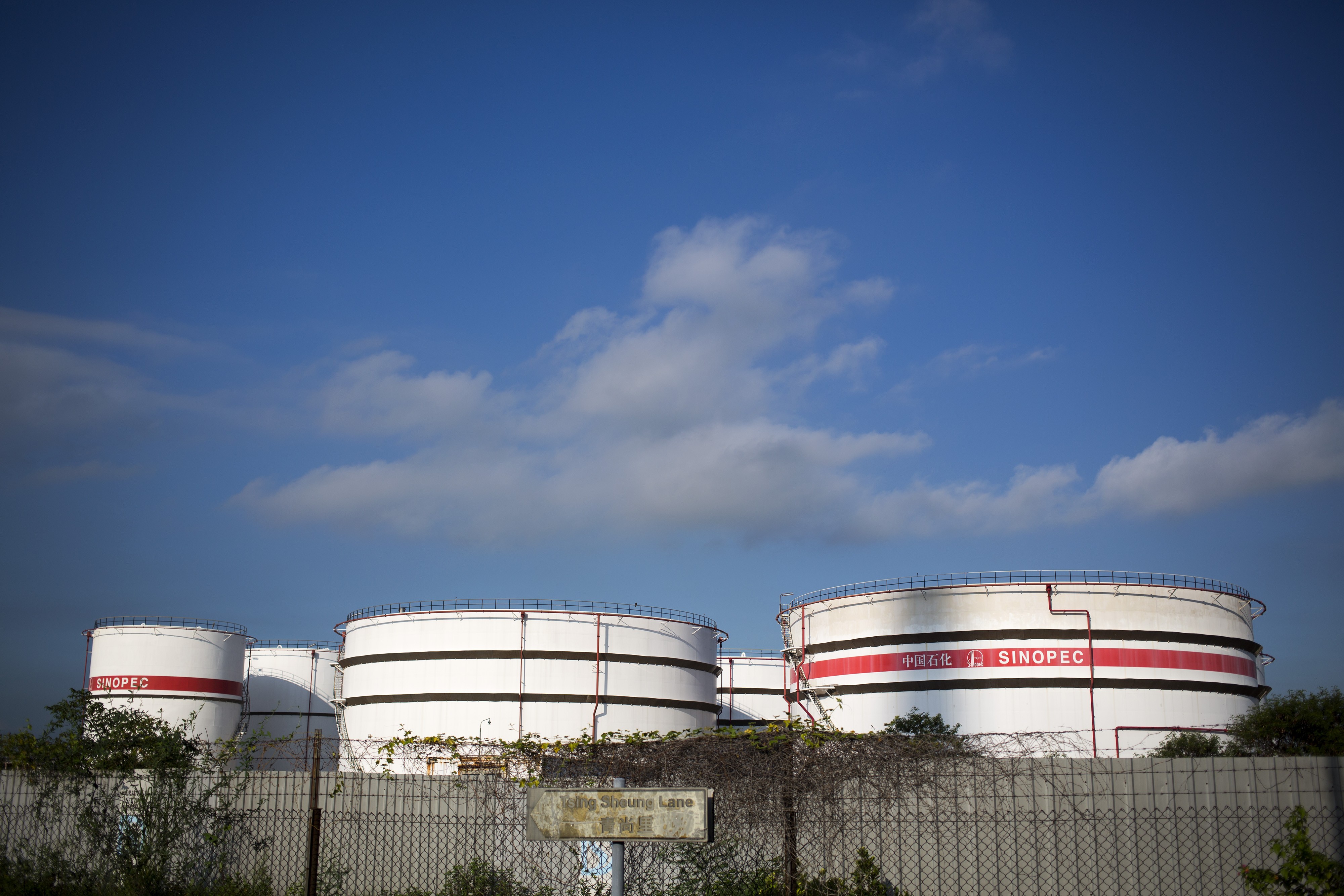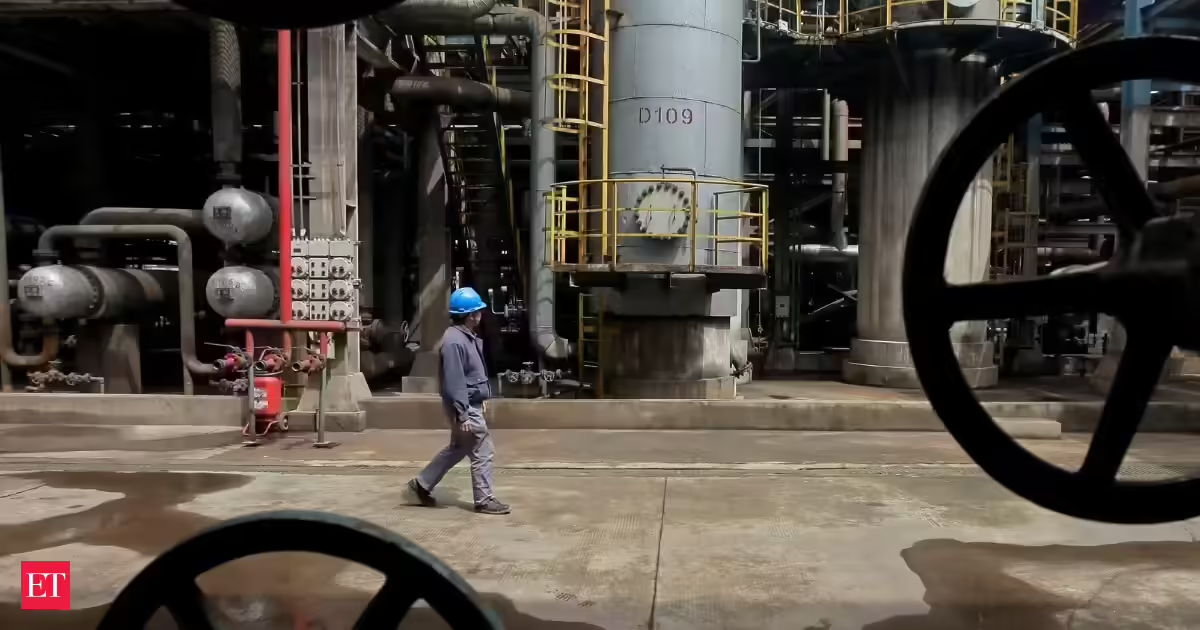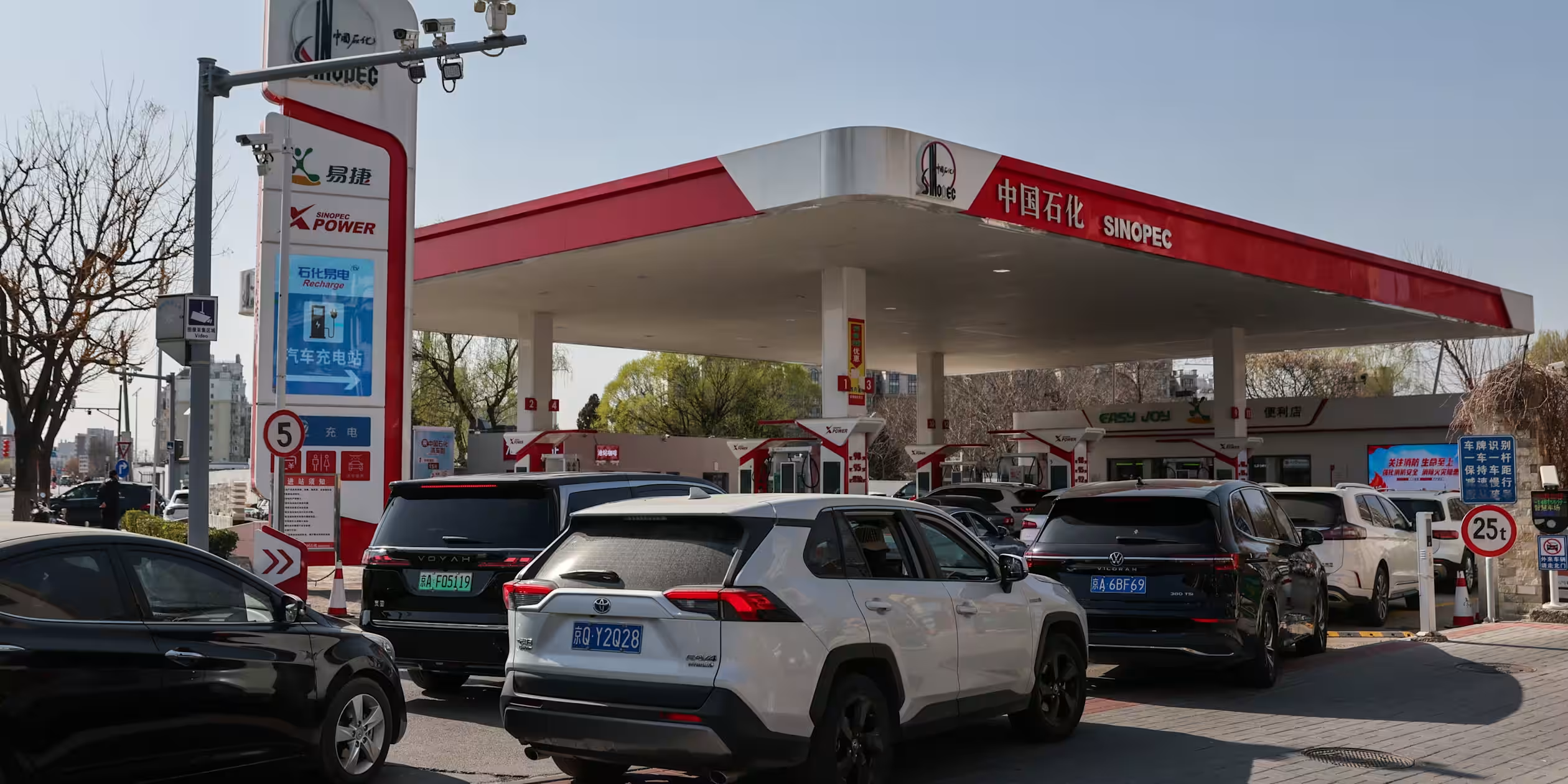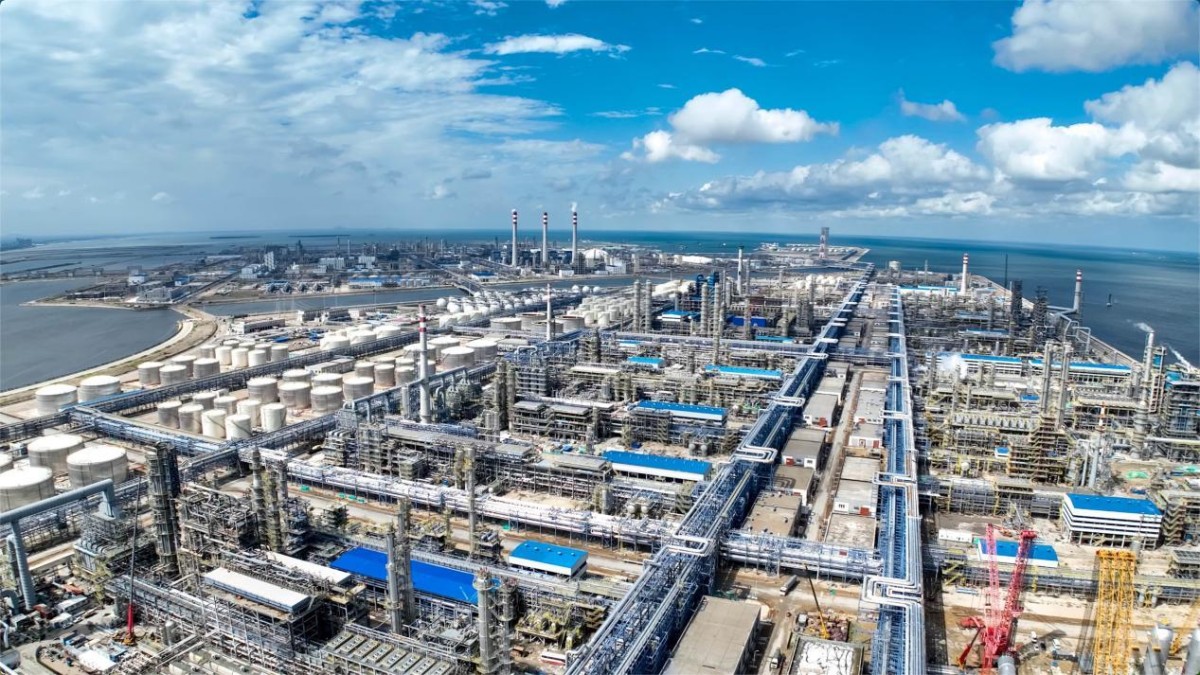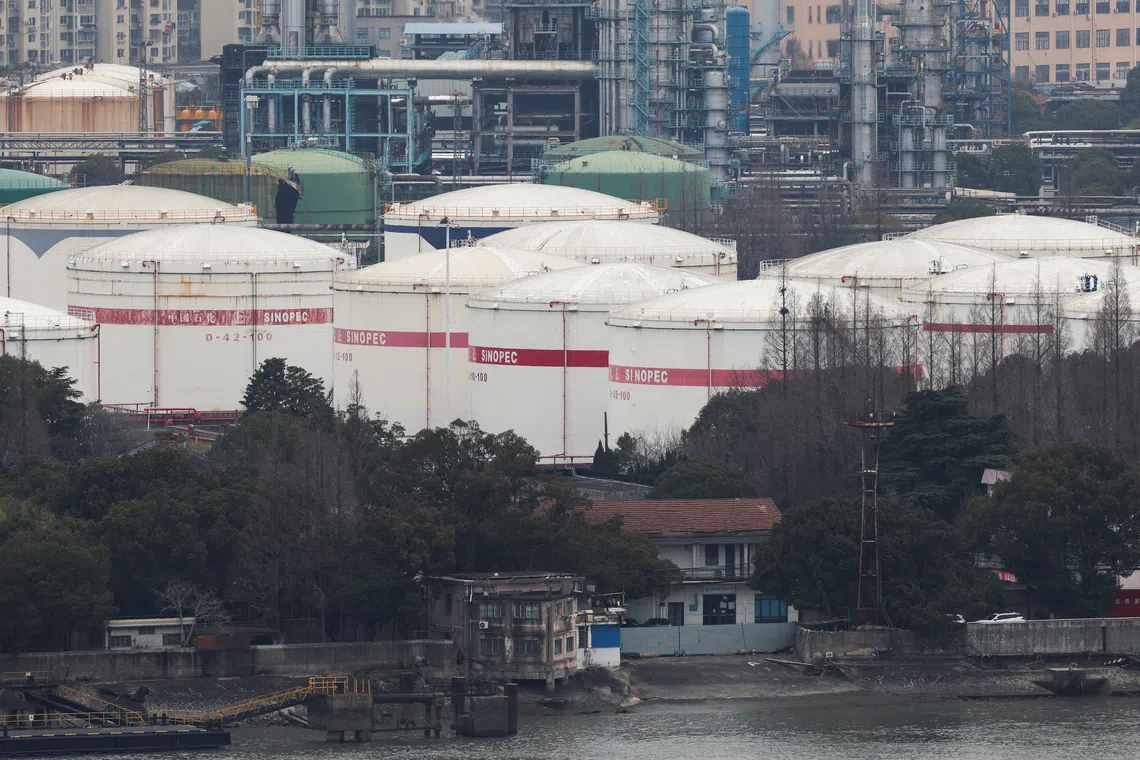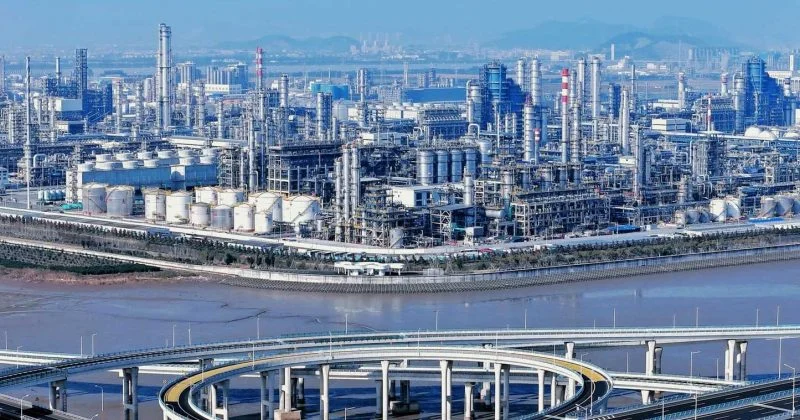
China’s energy planners are not waiting to see how the Iran situation plays out. The National Development and Reform Commission directed major refiners, including Sinopec, to keep gasoline and diesel production at 2025 levels even if doing so means absorbing margin losses. The order, announced in March 2026, came with a firm warning: refiners that fail to hit output targets could face cuts to their crude import quotas.
What is actually happening on the ground
Sinopec, the largest refiner in the world by processing capacity, has already trimmed its production runs by roughly 5% in response to tightening crude availability. The company explicitly ruled out purchasing Iranian oil, a notable call given that Iran has historically been one of China’s cheaper barrels.
The conflict began escalating in late February 2026, with fighting creating real disruption to flows through the Strait of Hormuz.
China’s oil import numbers tell the story clearly. By May 2026, total crude imports had fallen to 7.8 million barrels per day, an eight-year low.