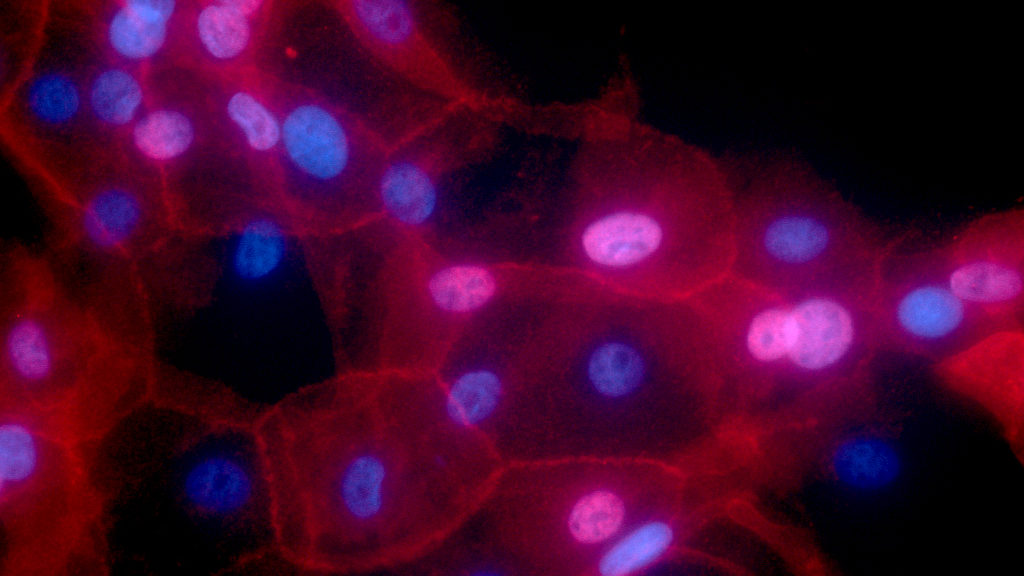
Skip to Content Subscribe Our Offers My Account Manage My Subscriptions FAQ Newsletters Canada Canadian True Crime Canadian Politics Health World Israel & Middle East Financial Post NP Comment Longreads Puzzmo Diversions Comics NP News Quiz New York Times Crossword Horoscopes Life Eating & Drinking Style Sponsored Play for Ontario Travel Travel Canada Travel USA Travel International Cruises Travel Essentials Culture Books Celebrity Movies Music Theatre Television Business Essentials Advice Lives Told Tails Told Shopping Buy Canadian Home Living Outdoor Living Kitchen & Dining Tech Style & Beauty Personal Care Entertainment & Hobbies Gift Guide Travel Guide Amazon Prime Day Deals Savings National Post Store More Sports Hockey Baseball Basketball Football Soccer Golf Tennis Driving Vehicle Research Reviews News Gear Guide Obituaries Place an Obituary Place an In Memoriam Classifieds Place an Ad Celebrations Working Business Ads Archives Healthing Epaper Manage Print Subscription Profile Settings My Subscriptions Saved Articles My Offers Newsletters Customer Service FAQ Newsletters Canada World Financial Post NP Comment Longreads Puzzmo Diversions Life Shopping Epaper Manage Print Subscription HomeNP CommentColby Cosh: The drug that was approved on fake dataBehind the bureaucratic bluster, bad behaviour?Last updated Jul 11, 2026 You can save this article by registering for free here. Or sign-in if you have an account.Health Canada has asked physicians to stop prescribing Tavneos (avacopan) to new patients as a result of “significant concerns” with the main clinical trial that initially supported approval of the medication for the treatment of a rare auto-immune condition. Photo by UnsplashOn Tuesday, Health Canada published a circular asking physicians to stop prescribing an obscure drug, Tavneos (avacopan), to new patients. We probably don’t have very many readers who are taking avacopan: it’s a drug approved recently (autumn 2021 in the U.S., spring of 2022 in Canada) for treatment of a rare and poorly understood autoimmune condition called “ANCA-associated vasculitis.” In western countries this disorder afflicts 10 or 20 persons per million a year, usually elderly ones. The symptoms, caused by out-of-control antibodies killing off interior blood vessels, range from “feeling poorly” to “choreographed and hasty organ failure.”Enjoy the latest local, national and international news.Exclusive articles by Conrad Black, Barbara Kay and others. Plus, special edition NP Platformed and First Reading newsletters and virtual events.Unlimited online access to National Post.National Post ePaper, an electronic replica of the print edition to view on any device, share and comment on.Daily puzzles including the New York Times Crossword.Support local journalism.Enjoy the latest local, national and international news.Exclusive articles by Conrad Black, Barbara Kay and others. Plus, special edition NP Platformed and First Reading newsletters and virtual events.Unlimited online access to National Post.National Post ePaper, an electronic replica of the print edition to view on any device, share and comment on.Daily puzzles including the New York Times Crossword.Support local journalism.Create an account or sign in to continue with your reading experience.Access articles from across Canada with one account.Share your thoughts and join the conversation in the comments.Enjoy additional articles per month.Get email updates from your favourite authors.Create an account or sign in to continue with your reading experience.Access articles from across Canada with one accountShare your thoughts and join the conversation in the commentsEnjoy additional articles per monthGet email updates from your favourite authorsSign In or Create an AccountorHealth Canada’s terse instruction mentions “significant concerns” with the main clinical trial that initially supported international approval of avacopan. That study, which reported the results of a global trial involving 331 patients enrolled from 143 hospitals around the world, appeared in the New England Journal of Medicine (NEJM) in February 2021. It bore the names of four principal authors, two of them university professors and two of them employees of the avacopan patent-holder, ChemoCentryx. On June 29, NEJM announced the formal retraction of the study, noting that “the two academic authors” had asked for it to be withdrawn. The notice adds:The National Post newsletter that doesn’t hold back, giving readers the unvarnished truth on media, politics and culture.By signing up, you consent to receive the above newsletter from Postmedia Network Inc.A welcome email is on its way. If you don't see it, please check your junk folder.The next issue of Right? will soon be in your inbox.We encountered an issue signing you up. Please try again“… according to an ongoing Food and Drug Administration investigation conducted after publication, and without the knowledge of these two authors, the primary end-point assessments in nine patients were readjudicated after database lock and trial unblinding. This was not disclosed in the article and is inconsistent with proper research conduct.”If you’re familiar with present-day scientific practice, you’re probably thinking that there’s a story behind this jargon, and it might be a story of marginal and essentially bureaucratic sloppiness, and then again it might be a tale of conscience-shocking malpractice. The U.S. Food and Drug Administration (FDA), it turns out, pulled back the curtain in April, sending out a warning that its drug-evaluation branch was thinking of taking avacopan off the market altogether.In a letter to the regulatory-affairs office of Amgen, which bought ChemoCentryx after the drug was approved, the director of that FDA sub-agency outlines the whole mess. It was uncovered, in typical American fashion, when a securities-fraud lawsuit was filed against the company (before the Amgen acquisition) and an outside expert was hired to do a forensic investigation of the NEJM study. Even in the originally published version of the study, the numbers supporting avacopan’s effectiveness were hardly sensational, and some critics had raised purely statistical concerns about the study’s bona fides, leading to a bit of dialogue in the pages of NEJM.What the full investigation revealed was that the data on the patients in the study had been officially “locked” in place, and the blinding of individual outcomes removed, on November 5 of 2019. At that point, two ChemoCentryx employees were allowed to peek at the full data; they quickly realized that the “superiority” effect of the drug hadn’t quite reached statistical significance.According to emails quoted in the FDA notice, the unblinded researchers, whose company must have spent tens of millions of dollars testing avacopan, began to panic. “We cannot afford to miss a superiority outcome here,” one of them wrote, possibly violating what is now known as the Stringer Bell Rule. The ChemoCentryx employees broke the database “lock,” found a few patients whose ANCA disease progress could be “readjudicated” favourably, and were able to shift enough of them around to achieve significance and re-lock the data.The academic authors of the NEJM study apparently knew nothing of these shenanigans, and deserve major credit for seeking a timely retraction. Medical journals sometimes take years, as opposed to weeks, to flag corrupted research, but things move faster when co-authors join the effort and agree to the extraction of a pound of flesh from their own CV.In an ugly coincidence, avacopan was already attracting unrelated scrutiny from international drug-assessment agencies because there are signs it is linked to “vanishing bile duct syndrome” and consequent drug-induced liver injury, with a handful of fatal outcomes. If you are one of the Canadians who are taking Tavneos, Health Canada says you should get hold of your doctor and figure out what to do. If it were me I wouldn’t wait around too long.National PostSign up at nationalpost.com/platformed for Colby Cosh’s newsletter, NP Platformed, delivered straight to your inbox by 4 p.m. ET. Monday to Thursday. Join the Conversation This website uses cookies to personalize your content (including ads), and allows us to analyze our traffic. Read more about cookies here. By continuing to use our site, you agree to our Terms of Use and Privacy Policy.
Colby Cosh: The drug that was approved on fake data
Behind the bureaucratic bluster, bad behaviour?
1,268 words~6 min read