Guest Post by Yonathan Cohen, Co-Founder and Chief Technology Officer of Quantum Machines.
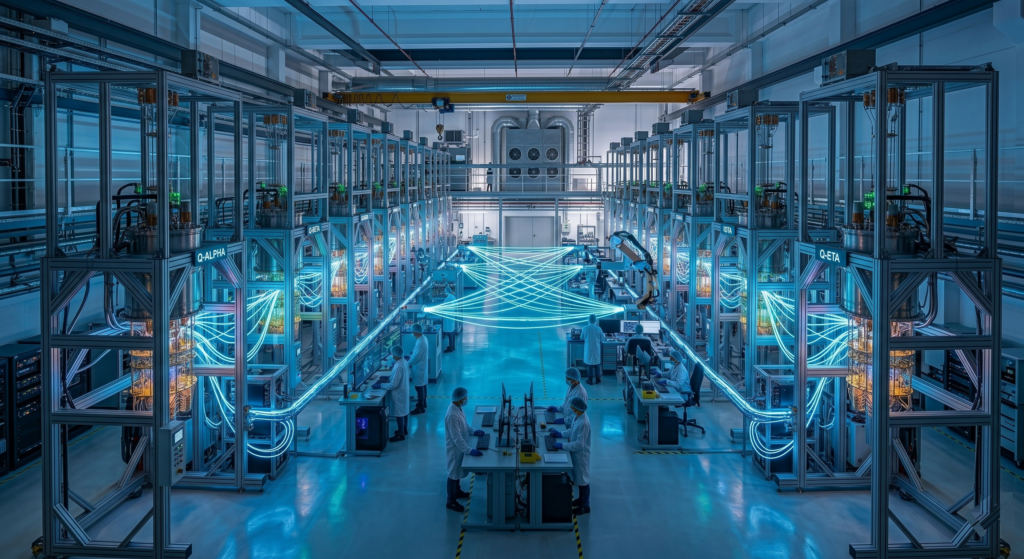
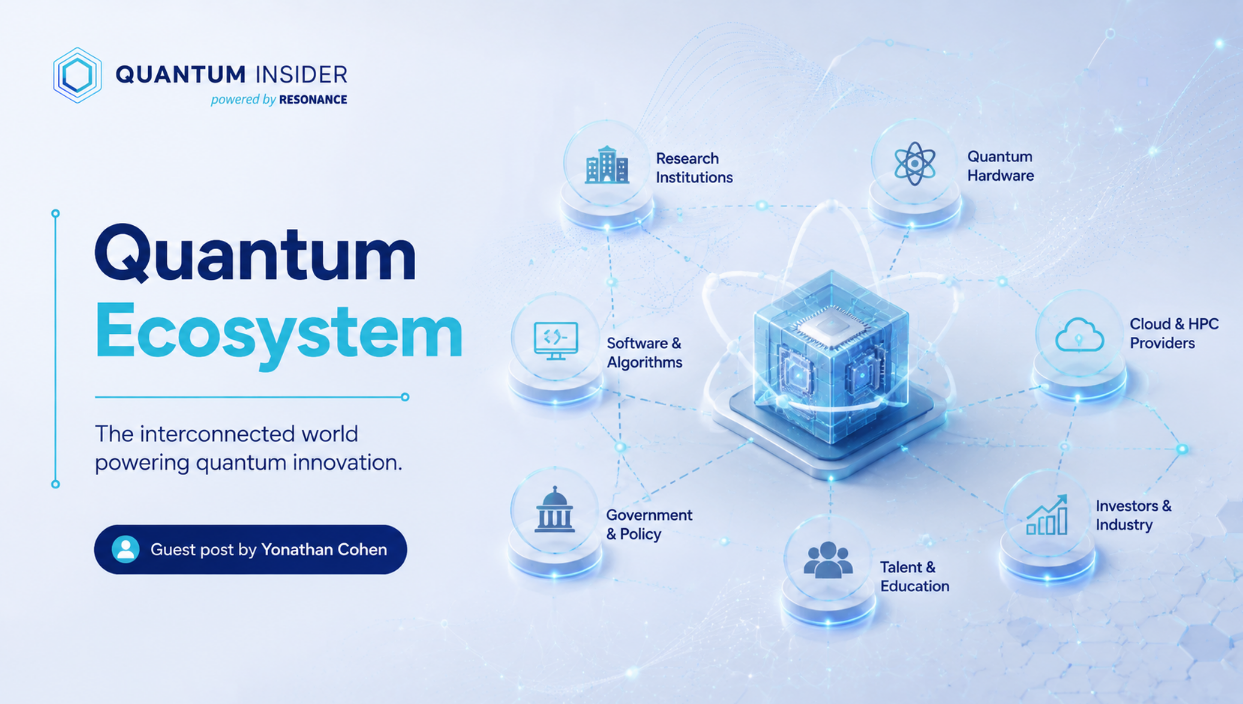
Something is changing in the quantum industry. Not long ago, most conversations focused almost entirely on qubits: fidelities, coherence times, error rates, and which hardware modality might eventually win. Those questions are clearly critical and stand at the heart of bringing quantum computers to utility. However, they are no longer the whole story. Increasingly, the conversation is expanding toward infrastructure, integration, talent, and ecosystems – a trend reflected not only in recent discussions at the Quantum San Diego Convening in California, but also in the growing focus on sovereign quantum capabilities across Europe and the UK.
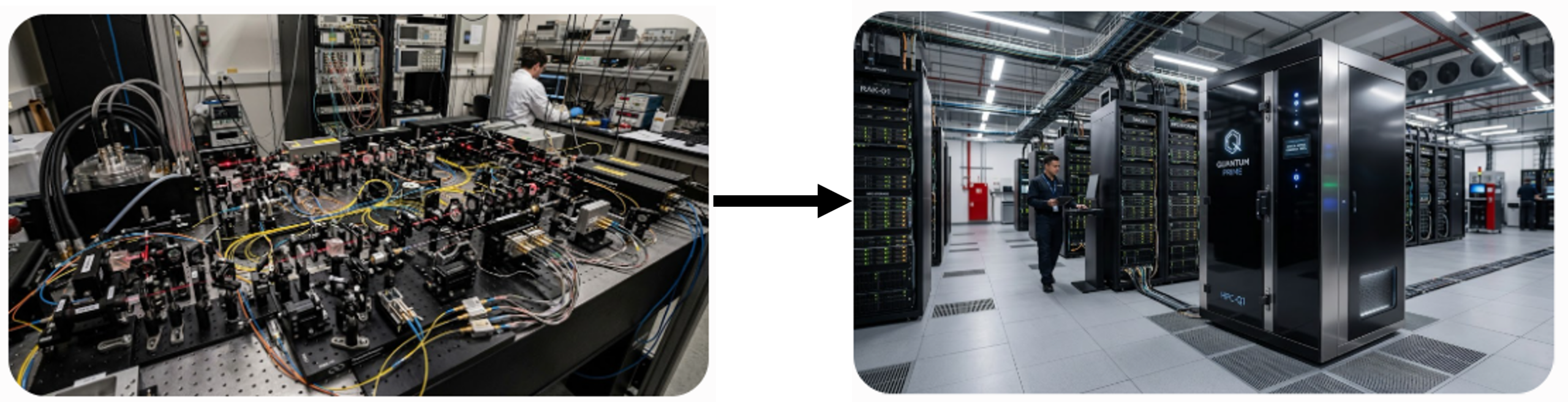
Quantum computing is entering the same transition phase that AI and high-performance computing went through before becoming major industries. The defining challenge is no longer only scientific discovery. It is building the surrounding ecosystem required to scale the technology into something operational, reliable, and economically significant.
Quantum is Becoming Infrastructure
This shift is visible almost everywhere. In the USA, states and federal agencies are no longer treating quantum simply as a research field. They are building physical hubs designed to anchor regional economies around quantum technologies. The Illinois Quantum and Microelectronics Park in Chicago is one example, while California is increasingly positioning itself similarly by leveraging its concentration of research institutions, semiconductor expertise, AI leadership, national labs, and deep technology capital to strengthen the foundations of a large-scale quantum ecosystem.