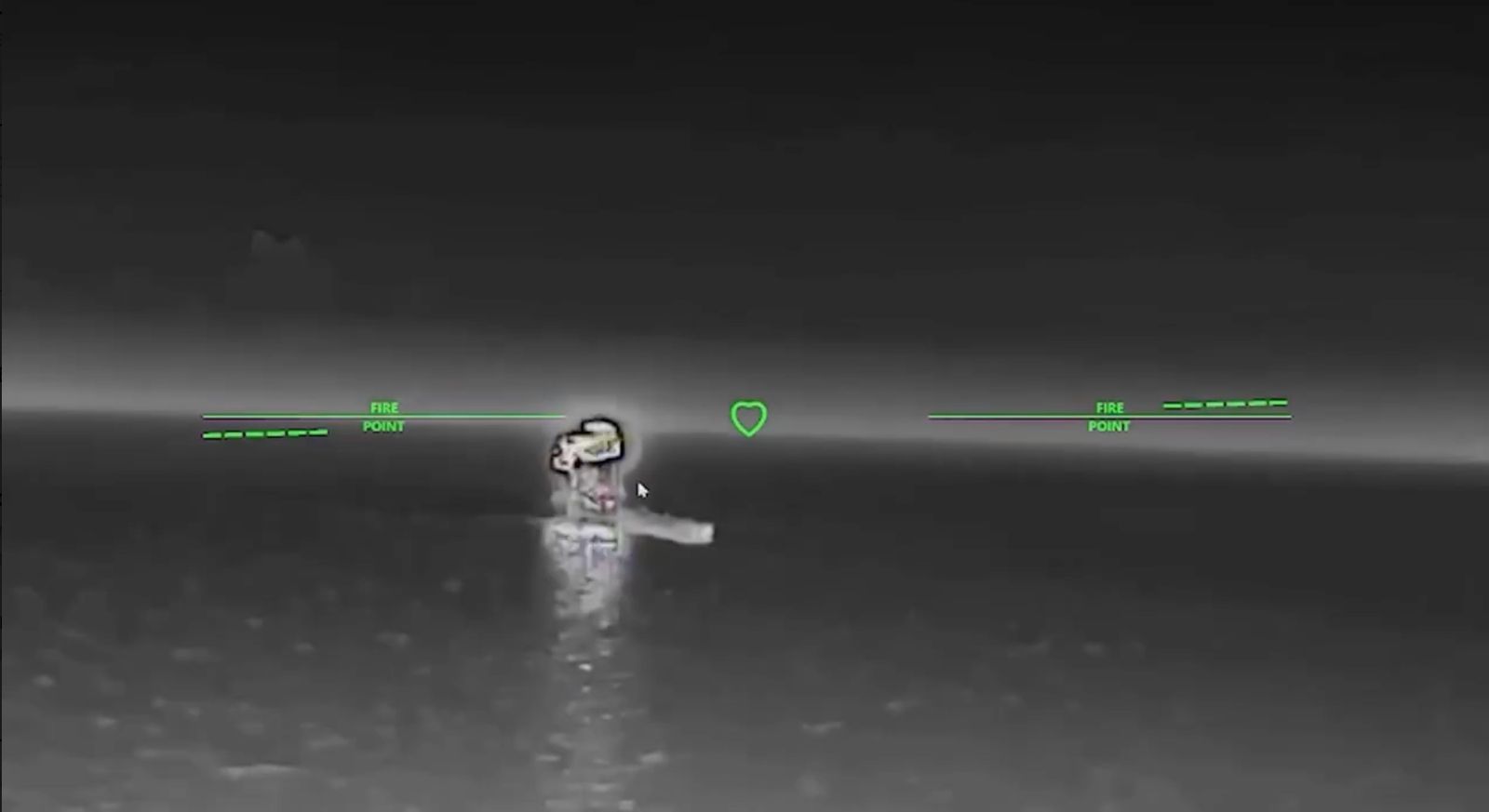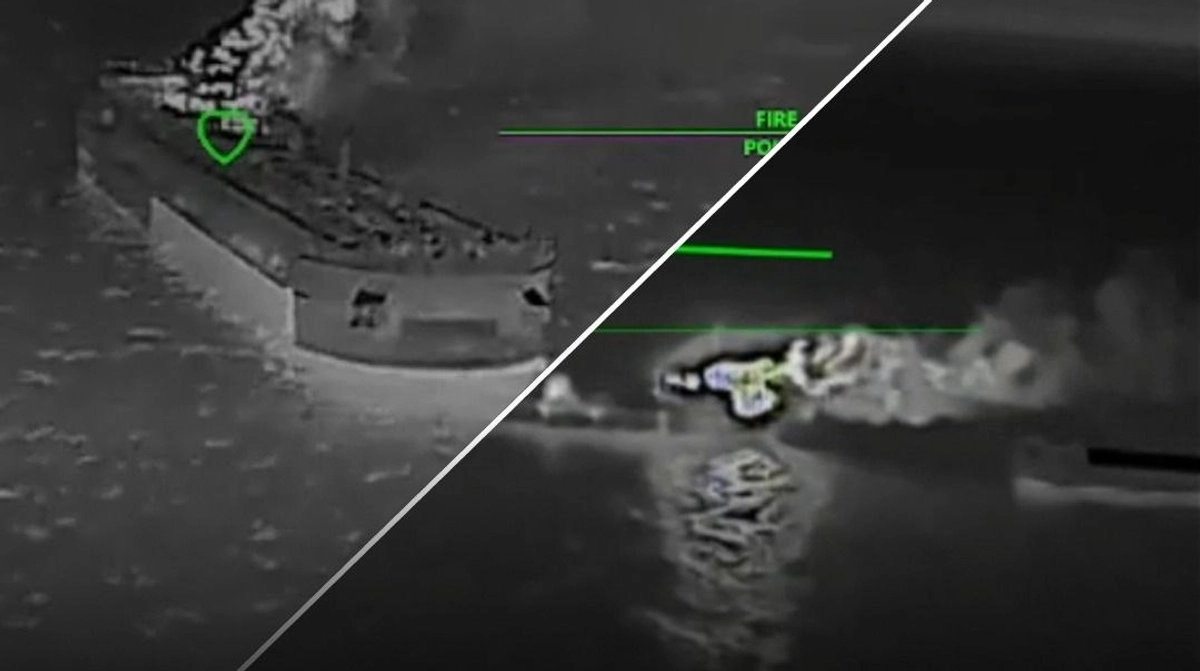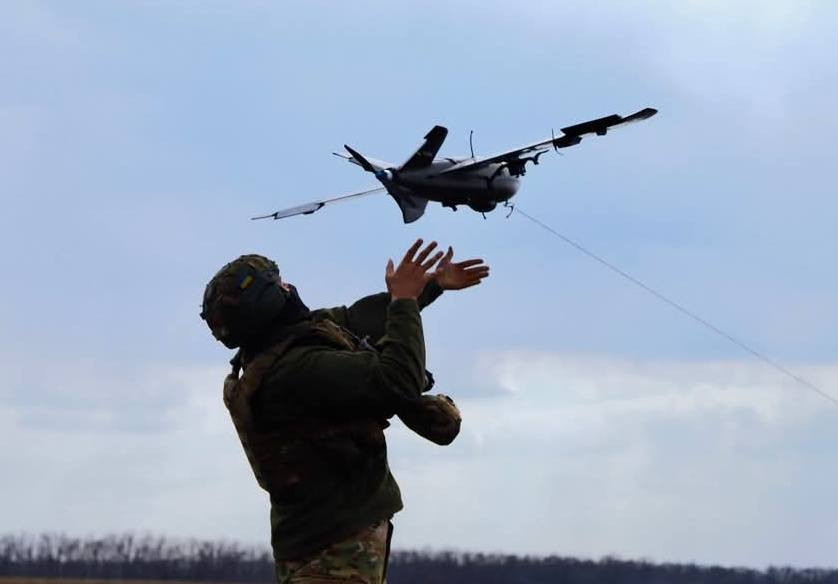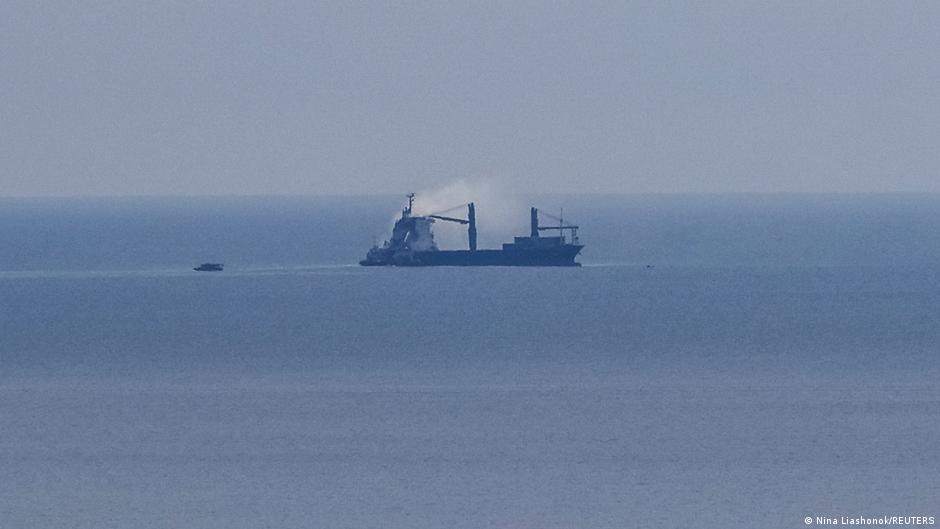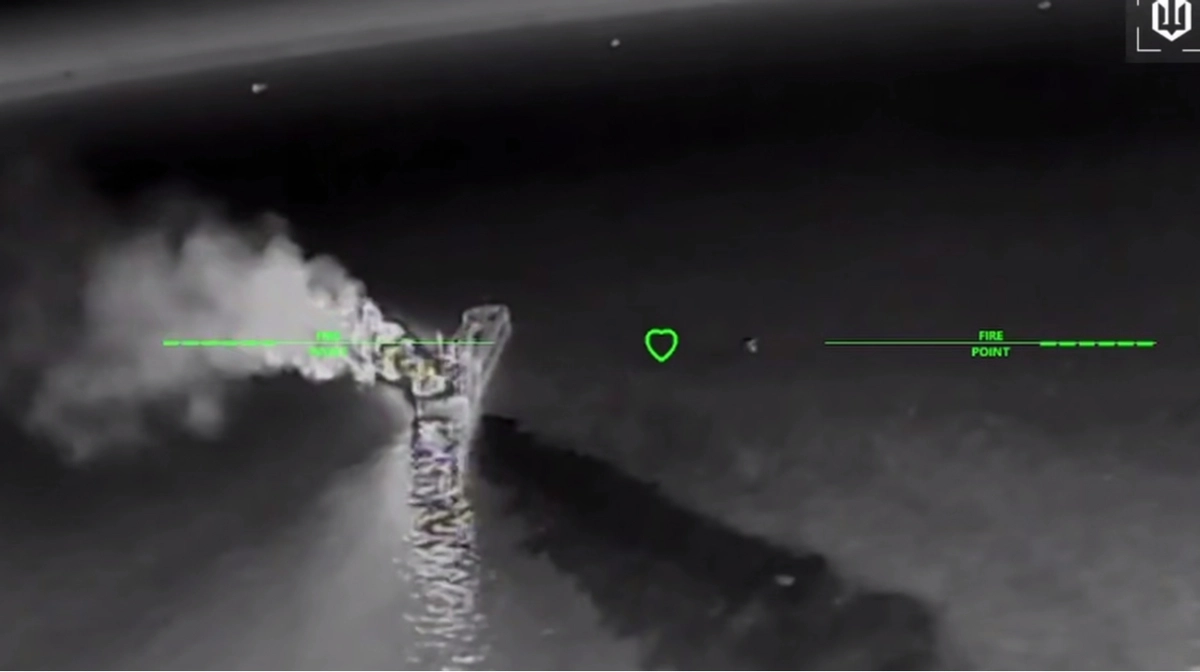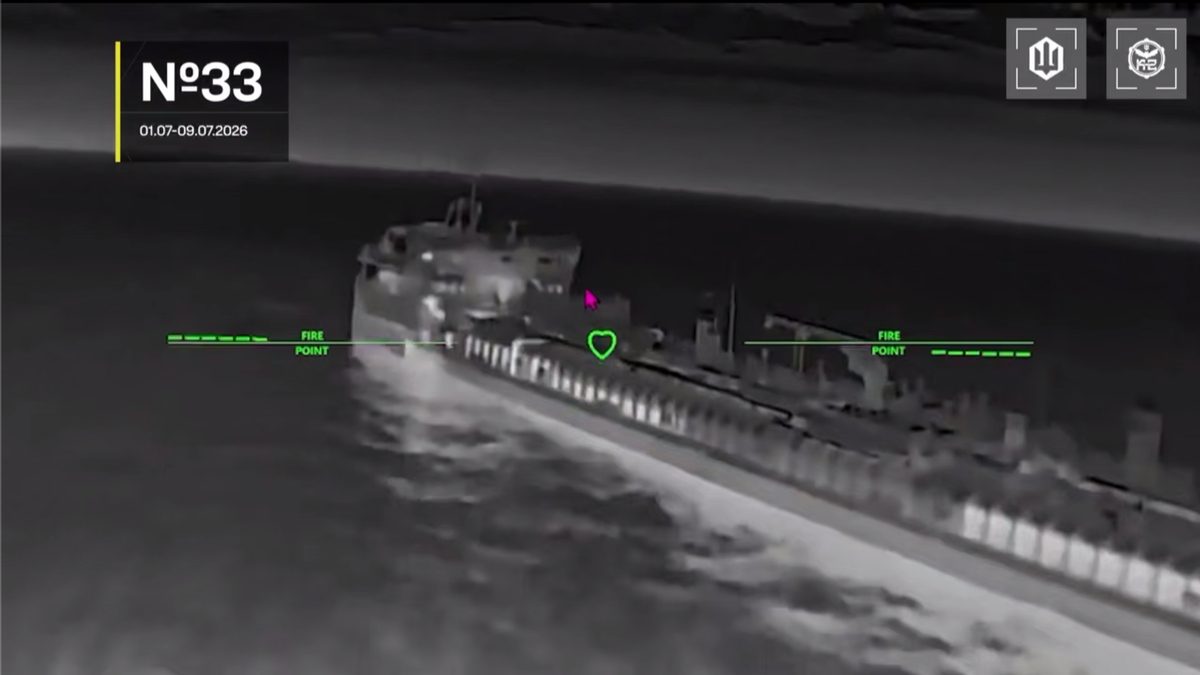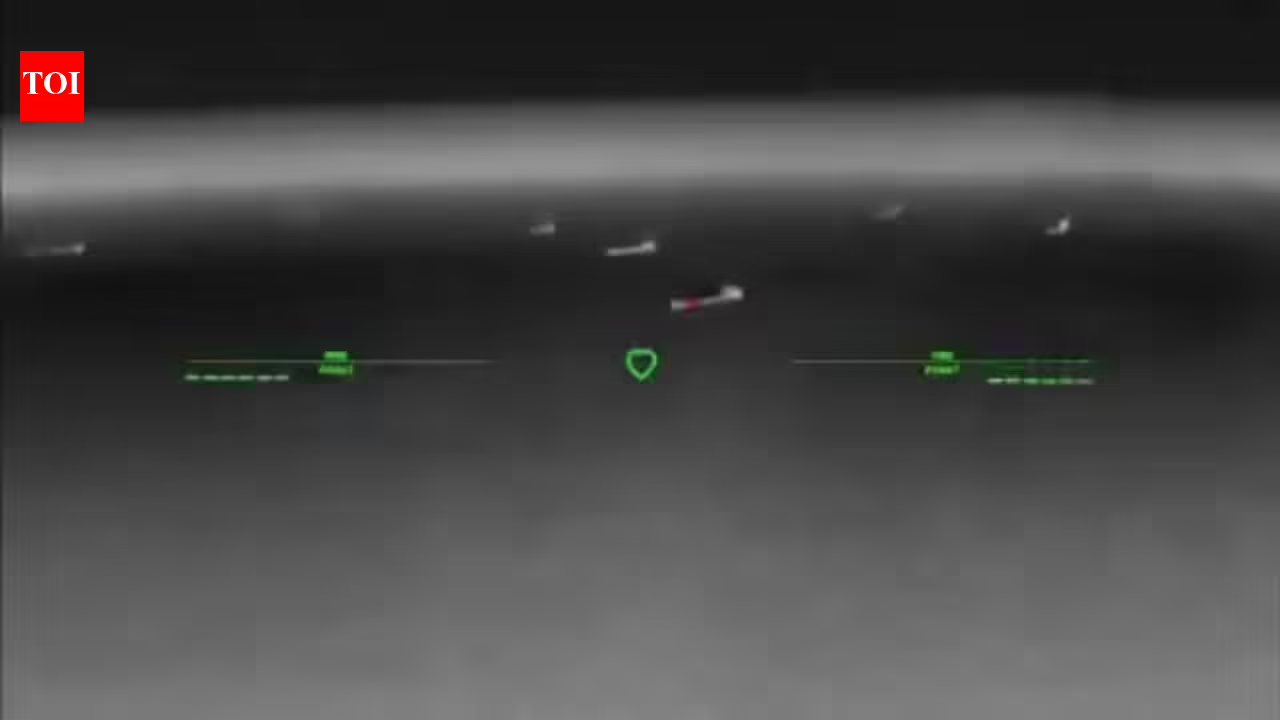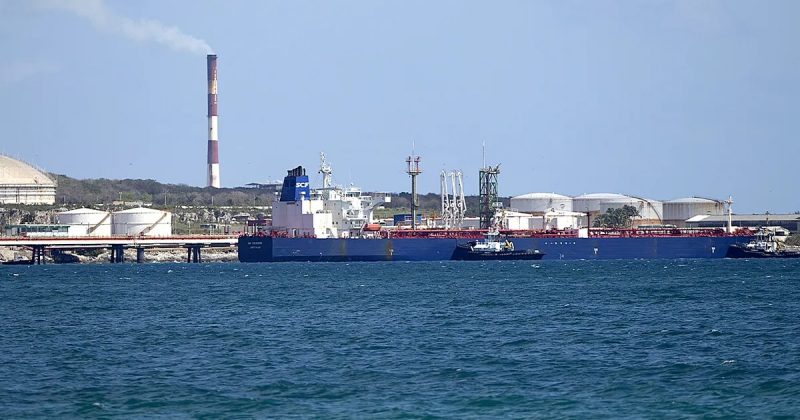
Ukraine’s military launched a massive coordinated strike against Russian maritime assets in the Sea of Azov on July 11, hitting 21 tankers, four tugboats, and two dry cargo ships. The vessels were part of Russia’s so-called “shadow fleet,” a network of ships specifically used to dodge Western sanctions on energy exports.
The July 11 strikes were the culmination of a four-day campaign that began on July 6. Over that stretch, Ukrainian forces hit approximately 35 vessels in total, including a single-day tally on July 9 that accounted for 12 tankers, a tugboat, and a cargo ship. For context, roughly 120 Russian vessels operate in the Sea of Azov, meaning Ukraine effectively struck nearly 29% of the local fleet in under a week.
Why tankers matter more than tanks
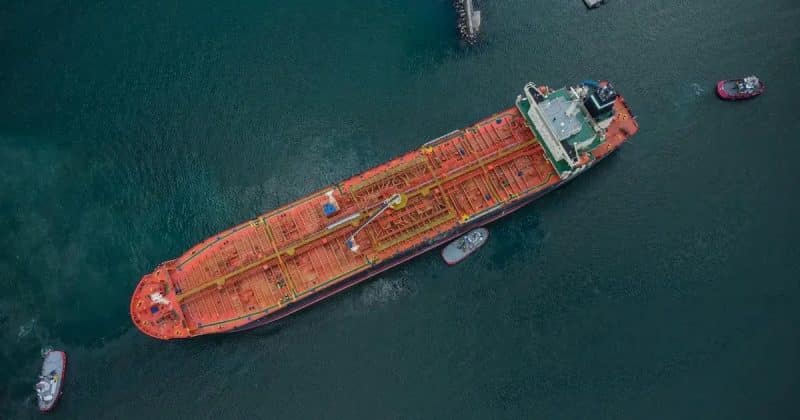
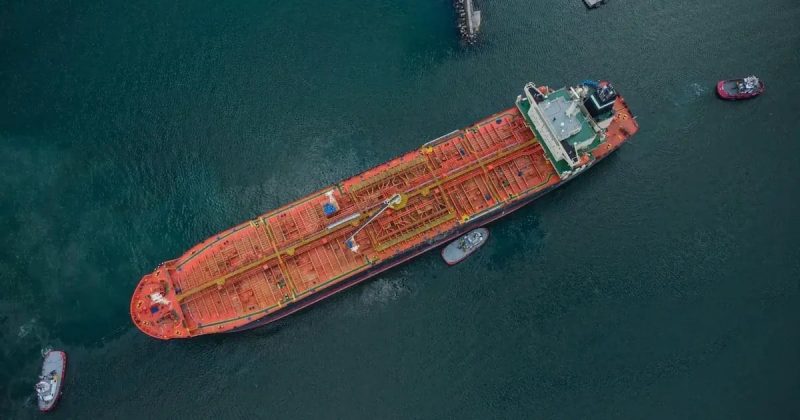
These weren’t random fishing boats. According to Ukraine’s General Staff, the targeted tankers were hauling fuel from Taganrog to occupied Crimea, each carrying around 7,000 tons. That’s the logistical backbone of Russia’s military presence on the peninsula.
The shadow fleet’s operational playbook involves false flags, shell company ownership, and disabled AIS transponders to slip past the G7’s oil price cap and broader Western restrictions on Russian energy exports.