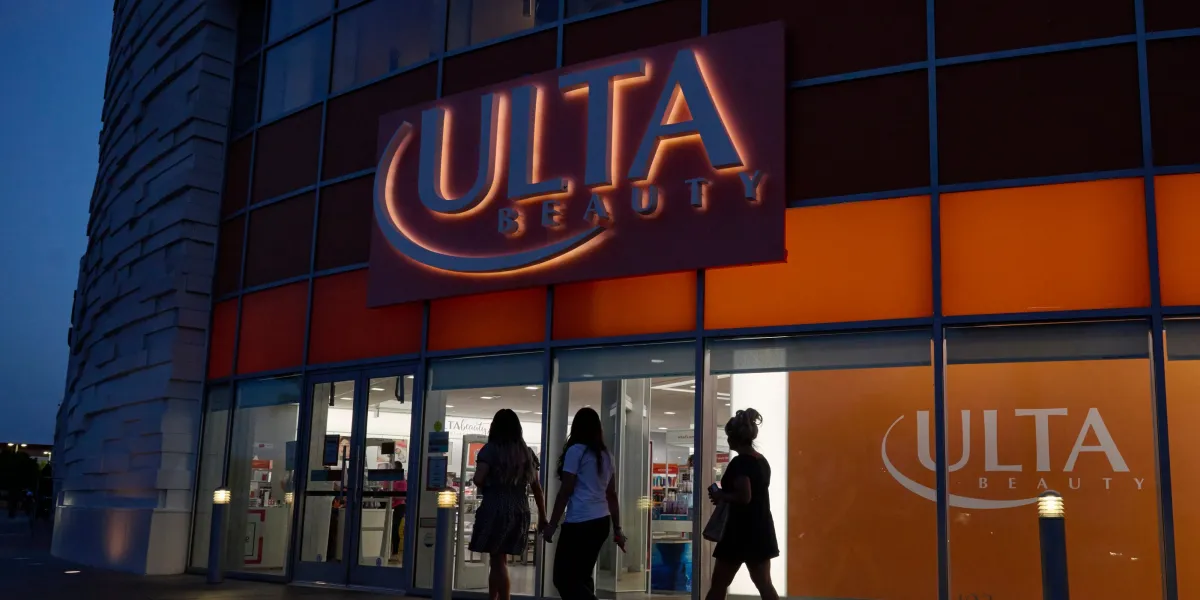
When Ulta Beauty opens its first-ever flagship, a four-level megastore in New York’s Times Square late next year, the retailer aims to create a more fun and modern shopping experience, showcase its more upscale house brands, and place itself at the center of the beauty universe as it seeks to expand its influence. The 27,000-square foot space is a new experiment for the fast-growing beauty retailer that’s a fixture of U.S. strip malls and a fresh test of the retail industry’s flagship model, which has lost popularity in recent years due to its high cost and ultra-high stakes.
Ulta is reportedly paying $400 million for a 15-year lease for the mid-town Manhattan store, set in a tourist-heavy district where flashing billboards put American consumerism on full display. The company has been tight-lipped about its design, but Ulta CEO Kecia Steelman told investors last month that the flagship “will showcase next-level brand building and storytelling capabilities, unlock high-impact marketing” and feature LED-billboards and other flashy touches not seen at the rest of its 1,500 U.S. locations.
Ulta, a fast-growing retailer for more than 15 years, hit annual revenue of $12.4 billion last year, with revenue growth of 11% in the first quarter this year. But in the highly competitive beauty space, where influencers can make or break a new lip gloss or fragrances and shoppers want to touch and feel products, Ulta has to find new ways to distinguish itself from chief rival Sephora, which is more international and whose stores are big draws for Gen Z consumers.