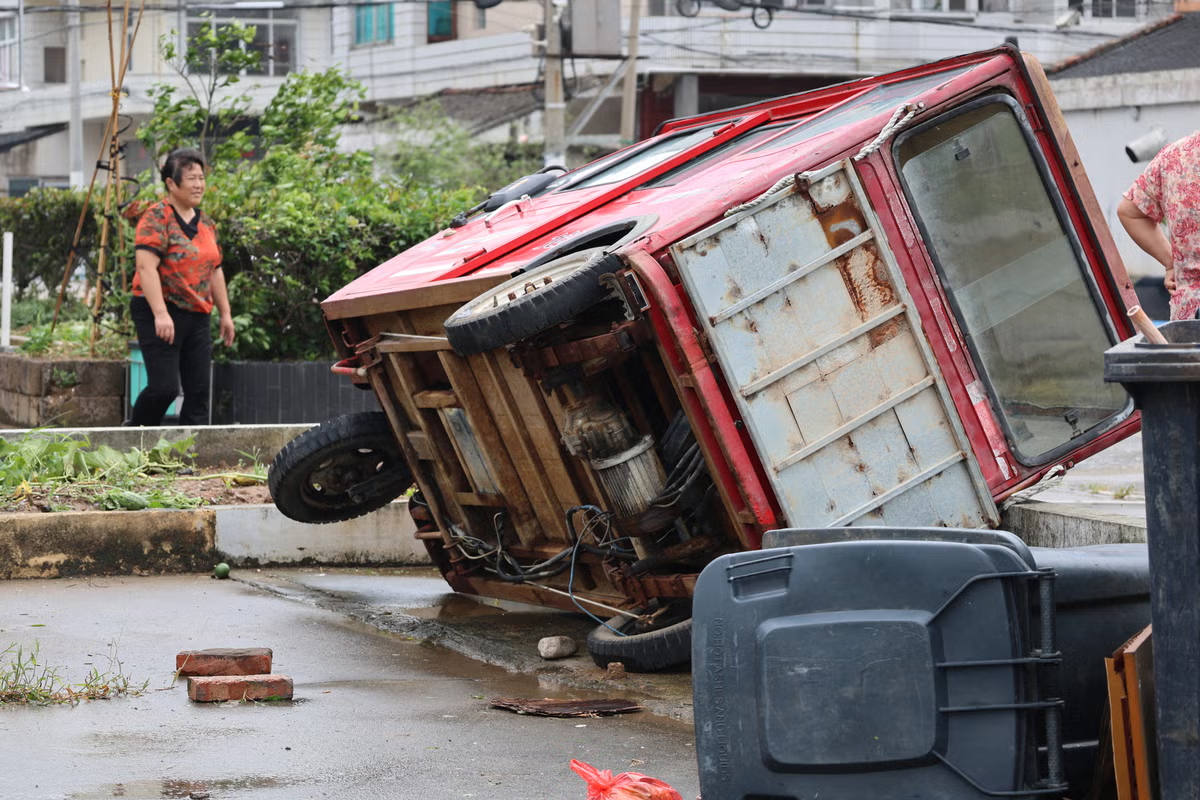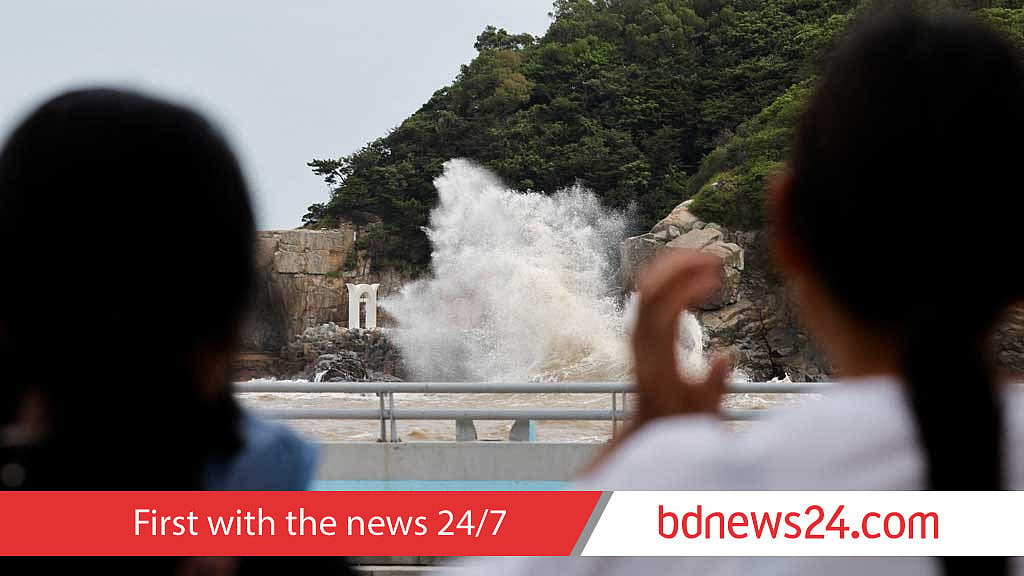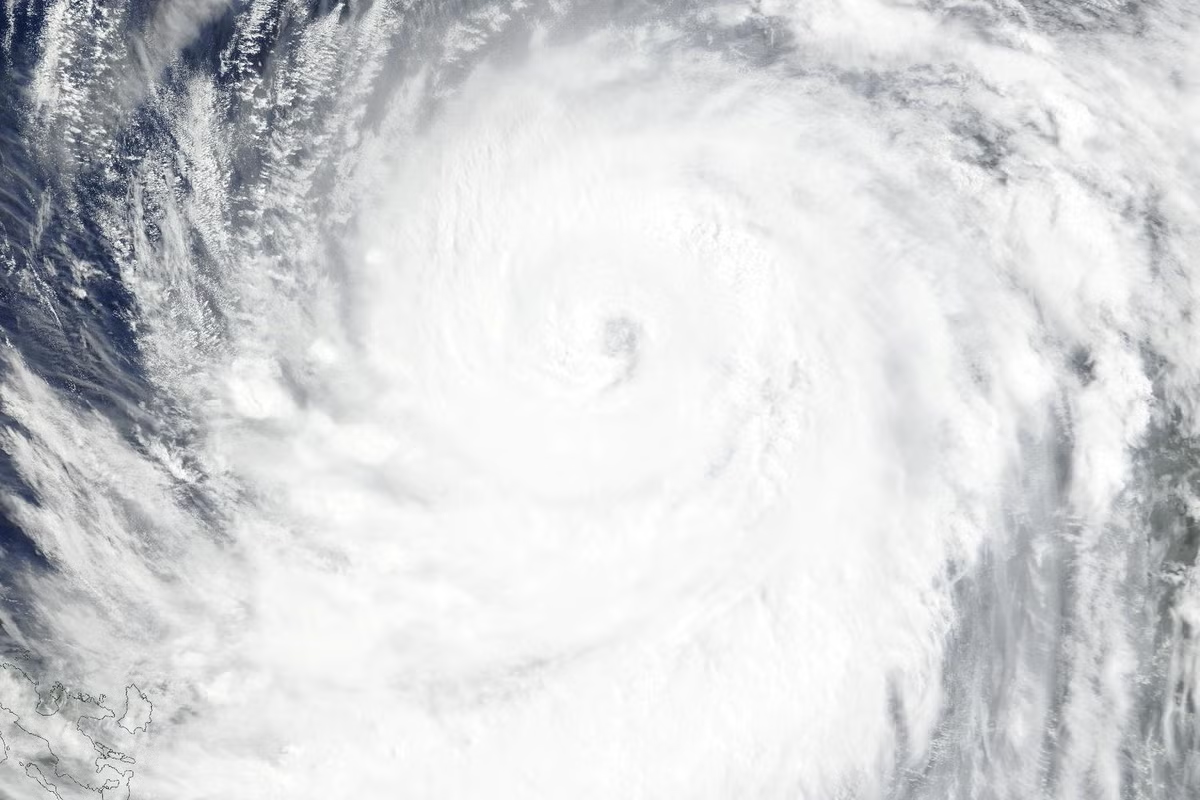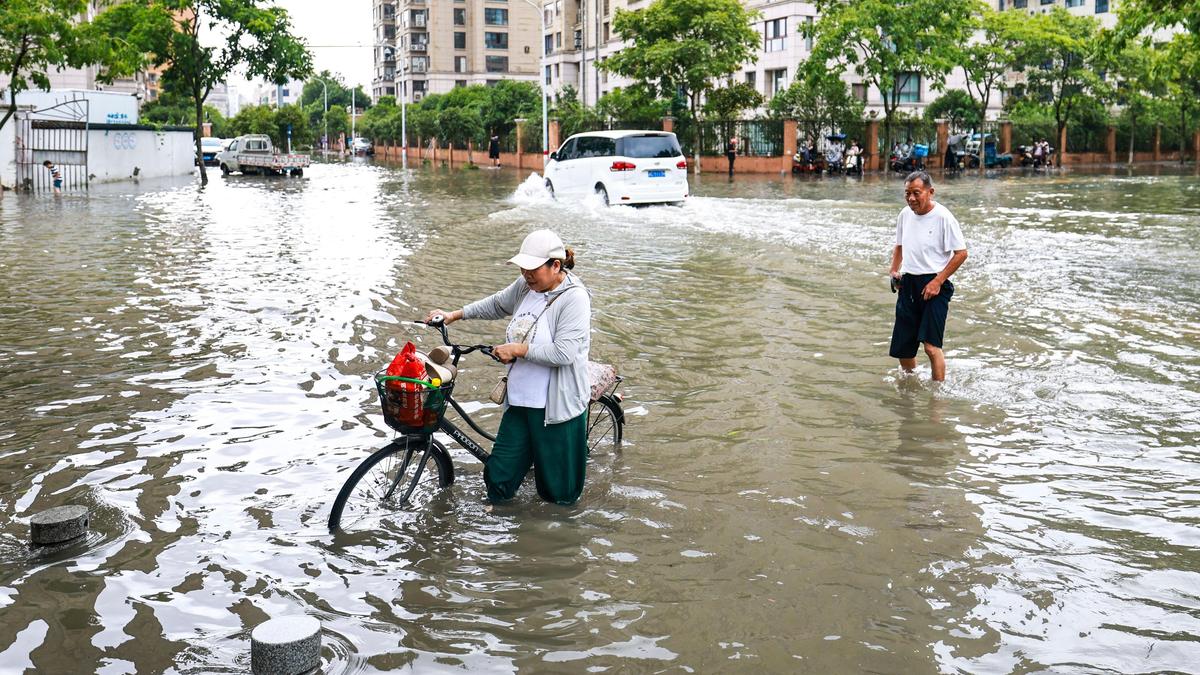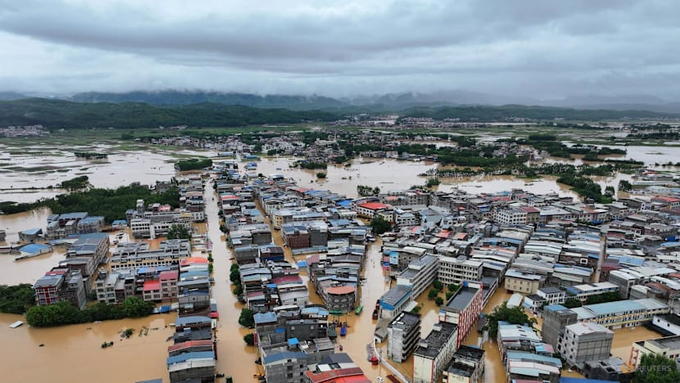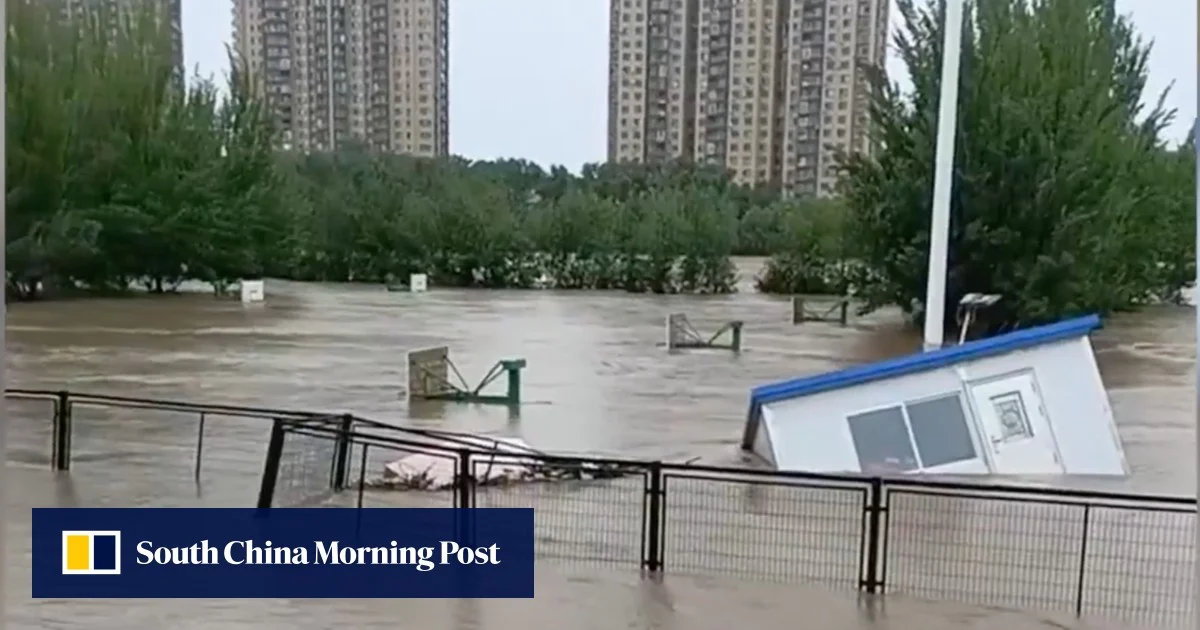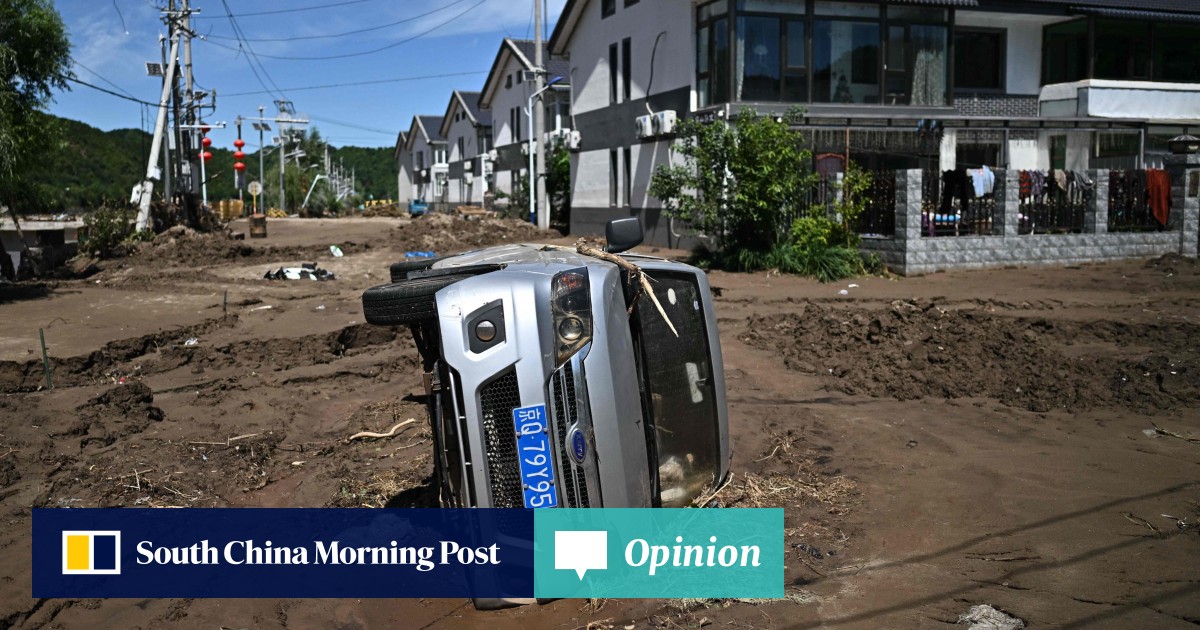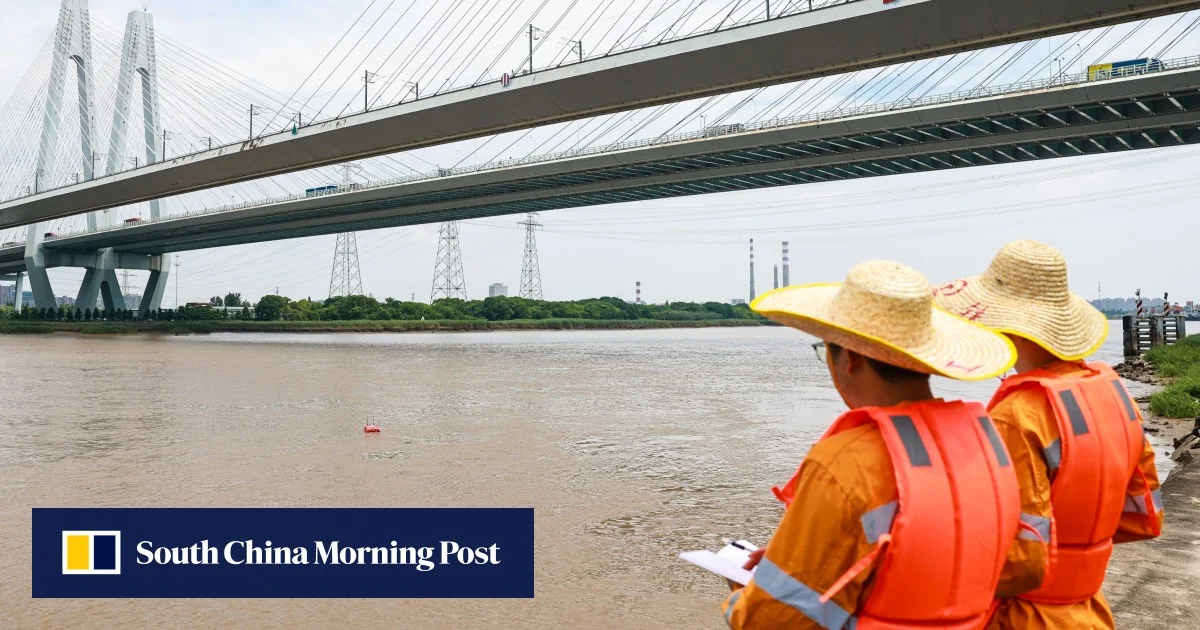
With climate change unleashing more frequent extreme weather events and heightening the risk of casualties and infrastructure damage nationwide, Chinese authorities have stepped up funding to address the challenge, though ageing dams and cash-strapped local coffers pose challenges, according to analysts.“The central government has ramped up funding for natural disaster prevention over recent years. While the policy partly serves to stabilise employment, its core priority lies in flood control amid rampant extreme weather events,” said Ma Jun, founder of the Institute of Public and Environmental Affairs, a Beijing-based environmental research organisation.Central government fiscal transfers to provincial authorities for water conservancy infrastructure – the networks of dams, dykes and reservoirs that manage water flow – were set at 44.77 billion yuan (US$6.6 billion) this year, about the same as last year’s level, according to the Ministry of Finance.These funds would be critical because dozens of China’s existing reservoirs and dams were built at least 60 years ago, Ma said. “Authorities need to allocate fiscal funds for retrofits of these ageing facilities alongside new dam projects,” he added.A dedicated pool of funding had also been reserved for urban flood control initiatives, with Beijing drastically boosting spending on underground pipeline construction and retrofits. A total of 160 billion yuan raised from this year’s ultra-long special treasury bonds – sovereign debt instruments with maturities of up to 50 years to fund major national projects – would be fully allocated to these projects, marking a 25 billion yuan increase from last year.Underground pipelines have long been a weak point in efforts to tackle urban flooding. According to the Ministry of Housing and Urban-Rural Development, 30 per cent of existing urban drainage pipelines had been in service for more than 20 years, with some for over 40 years.
As Typhoon Bavi looms, has China’s investment in flood defences paid off?
Chinese authorities have ramped up spending on disaster prevention in recent years, but some worry local debt levels could hinder the campaign.
292 words~1 min read