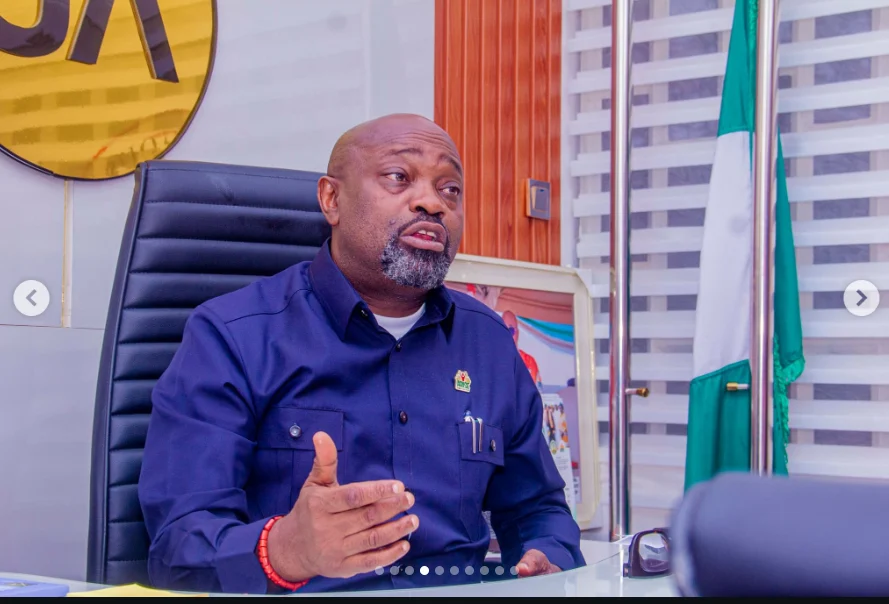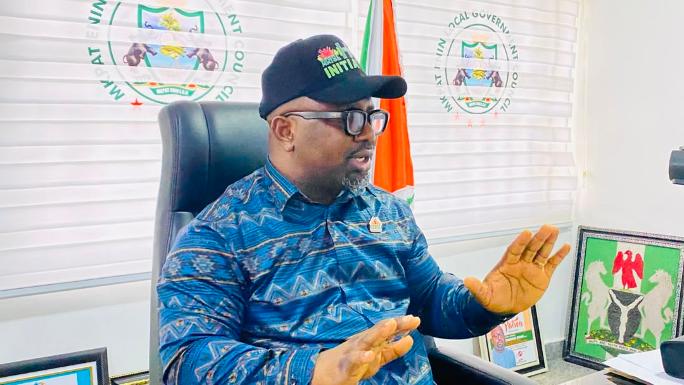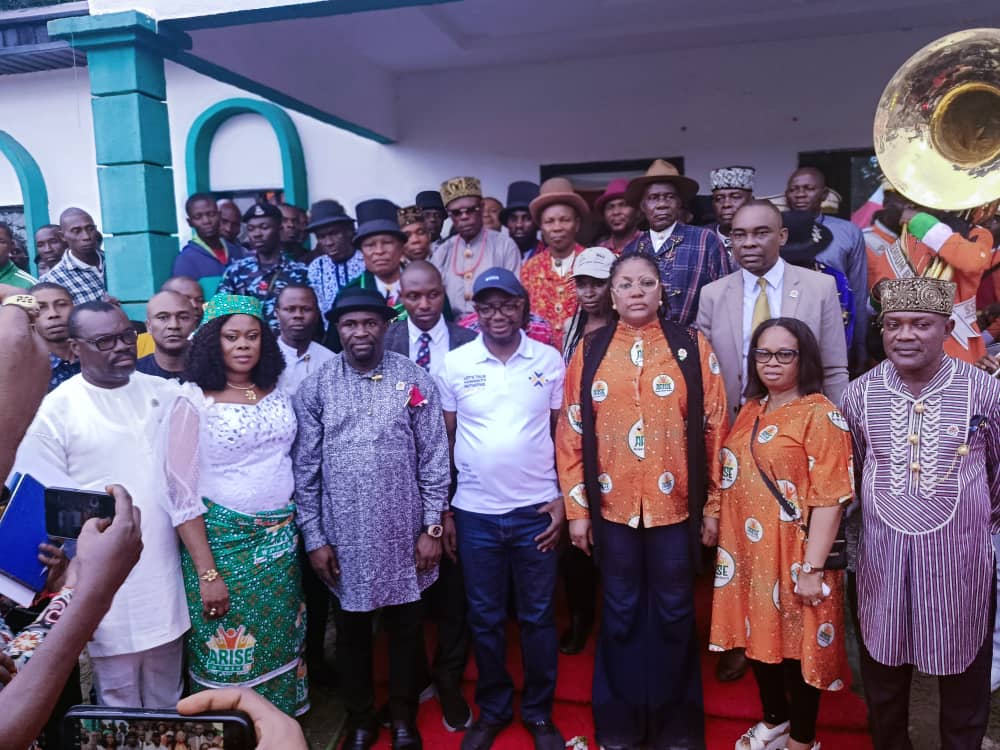
When the Minister of Humanitarian Affairs and Poverty Reduction, Dr. Bernard Doro, travelled through the waterways of Eastern Obolo Local Government Area, Akwa Ibom state, the visit was expected to assess the humanitarian realities confronting one of Nigeria’s most strategically important coastal communities. Instead, it evolved into something much broader: a demonstration of how humanitarian policy, infrastructure investment and public-private collaboration can work together to drive inclusive economic development.
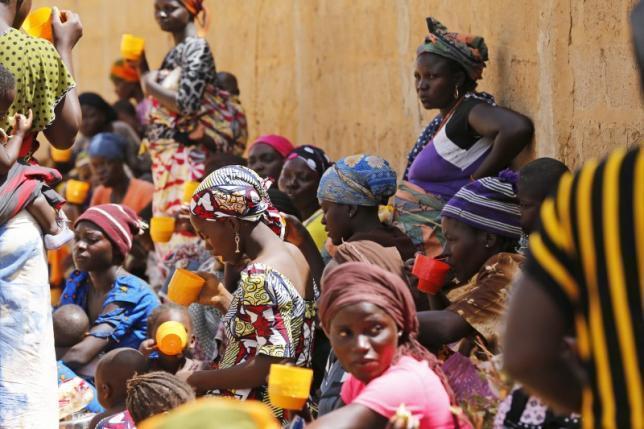
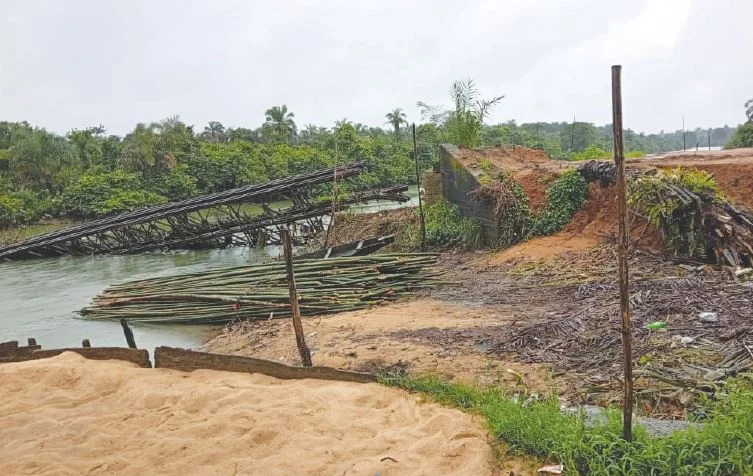
Across Iko Town, Edowik Village, Olokpong, Emoruke, Otunene and Akaze, the minister encountered communities whose livelihoods depend largely on fishing and marine resources but whose development has long been constrained by environmental vulnerabilities, limited connectivity and inadequate social infrastructure.
These challenges are not unique to Eastern Obolo. They reflect the development paradox confronting many resource-producing communities across the Niger Delta, where significant economic activity has not always translated into corresponding improvements in living standards.
It was against this backdrop that Dr. Doro’s visit highlighted the importance of Akwa Ibom State’s evolving humanitarian framework under Governor Umo Eno’s ARISE Agenda.