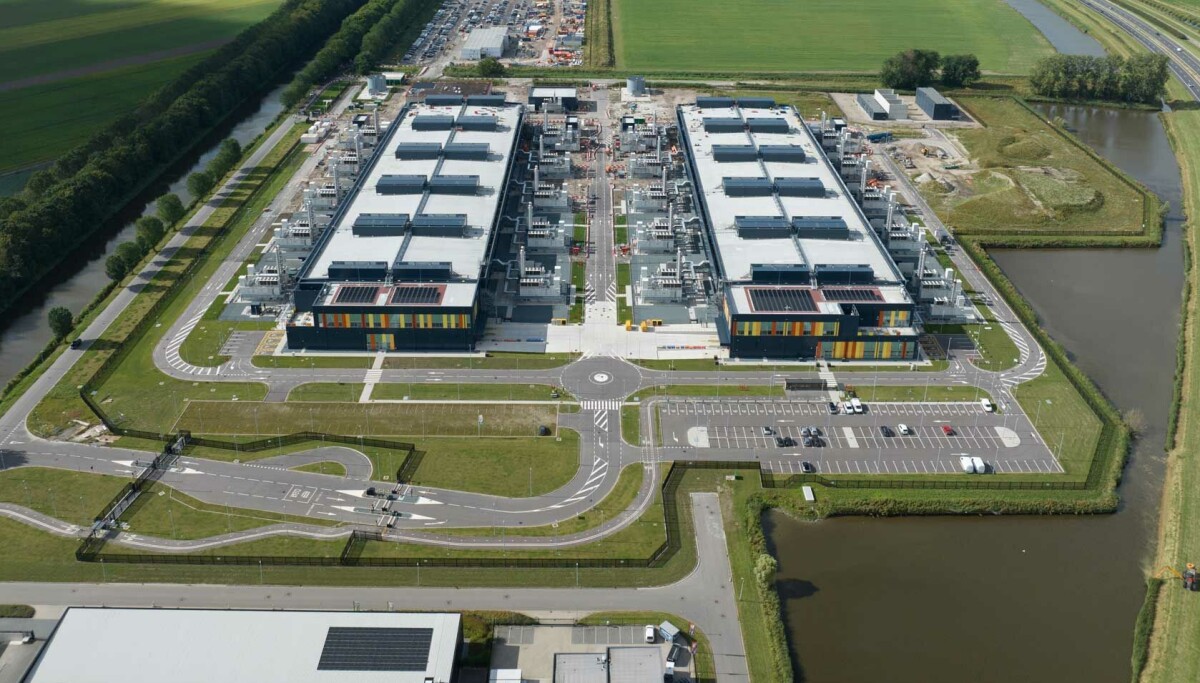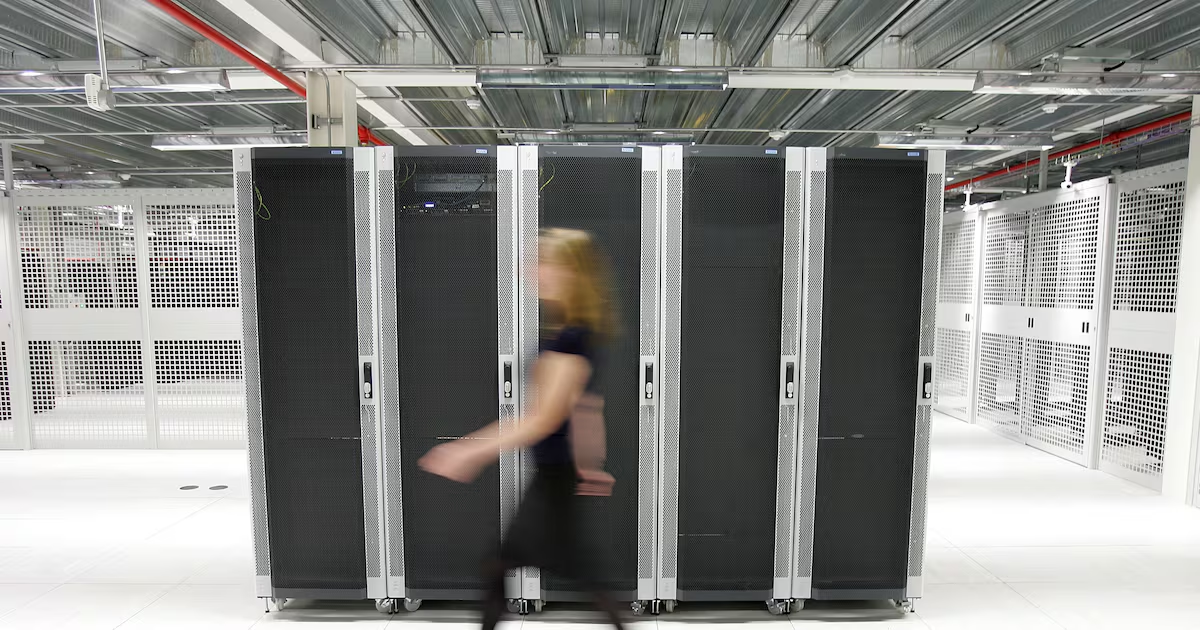
Sir, – Tom Parlon’s defence of Ireland’s expanding data centre sector is entirely consistent with the role he has played throughout his career: advocating for the industries he represents (Letters, July 9th). There is nothing improper in that. However, readers should recognise his letter as an industry perspective rather than a balanced assessment of the issues.Mr Parlon asks us to view data centres as “the factories of our digital and AI age” and argues that their growing electricity demand is simply the consequence of Ireland’s successful economic model. That is one way of framing the debate, but it is not the only one.The question is not whether multinational technology companies make an important contribution to the Irish economy. Most people accept that they do. The real question is whether allocating almost a quarter of Ireland’s electricity to one sector represents the best use of increasingly constrained energy infrastructure, and what trade-offs that entails for households, indigenous enterprise, electrification and future industrial development.His comparison with the heavy industrial economies of Germany, Italy and the Netherlands is also open to challenge. Those countries’ electricity demand reflects broad manufacturing bases employing hundreds of thousands of people across diverse industries. Whether large-scale data centres are an equivalent is a matter of opinion, not established fact.Mr Parlon’s letter speaks at length about tax revenues and economic benefits but says little about the corresponding costs: pressure on the electricity grid, reliance on fossil-fuel generation during peak demand, planning constraints, or the opportunity costs of devoting scarce infrastructure to a single industry. These are precisely the issues that make this a legitimate public policy debate.A balanced discussion requires acknowledging both the benefits and the costs. It cannot consist solely of celebrating one while dismissing concern about the other. – Yours, etc,DAVID CASSIDYGriffith Avenue, Dublin 9.Sir, – As Tom Parlon, chair of the Irish Data Centres Supplier Alliance, extolled the virtues of these energy vampires, the phrase “feathering one’s own nest” comes to mind. While acknowledging that data centres provide little in terms of direct employment in Ireland, Mr Parlon contends that they support thousands of jobs in the multinational sector behind them. We should accept, in his view, that data centres deserve to soak up almost a quarter of our energy, including virtually all of the renewable energy produced in Ireland, on this basis. What Mr Parlon conveniently neglects to mention is that the current fervour for data centre expansion in Ireland can largely be attributed to the push to develop stronger and stronger AI, which even its most ardent proponents acknowledge will displace jobs. We’re seeing this happen already. International evidence shows a decline in graduate positions in AI-affected sectors, as reported in your own pages . This week Microsoft, one of Ireland’s leading tech employers, announced that it would be cutting over 2 per cent of its workforce as it increases its use of AI to “improve efficiency”. Meta and Amazon have likewise cut thousands of jobs as they move towards greater automation. Moreover, Mr Parlon suggests that we should simply cast aside the impact that data centres are having on household bills. As evidenced in a recent Friends of the Earth report, the insatiable gas demands of data centres are pushing up the cost of electricity and have added a cumulative €715 million to ordinary consumers’ bills; roughly a week’s wages worth for low-income earners. On the current trajectory, Irish households could pay an additional €1.6 billion for the pleasure of hosting these behemoths here. There is no requirement for data centres to be physically located in Ireland to support Irish jobs. Those jobs would still exist were any particular data centre located in any other EU country, where their energy use accounts for, on average, 3 per cent of national consumption – compared with just shy of eight times that share of consumption here. Some have suggested that we could eventually see data centres placed in the sea or sent up to space – perhaps a matter for another letter. – Yours, etc. CIARÁN AHERN TD,Labour Party,Dublin South West.
Do data centres deserve to soak up almost a quarter of Ireland’s energy?
A balanced discussion requires acknowledging both the benefits and the costs of hosting data centres here
676 words~3 min read