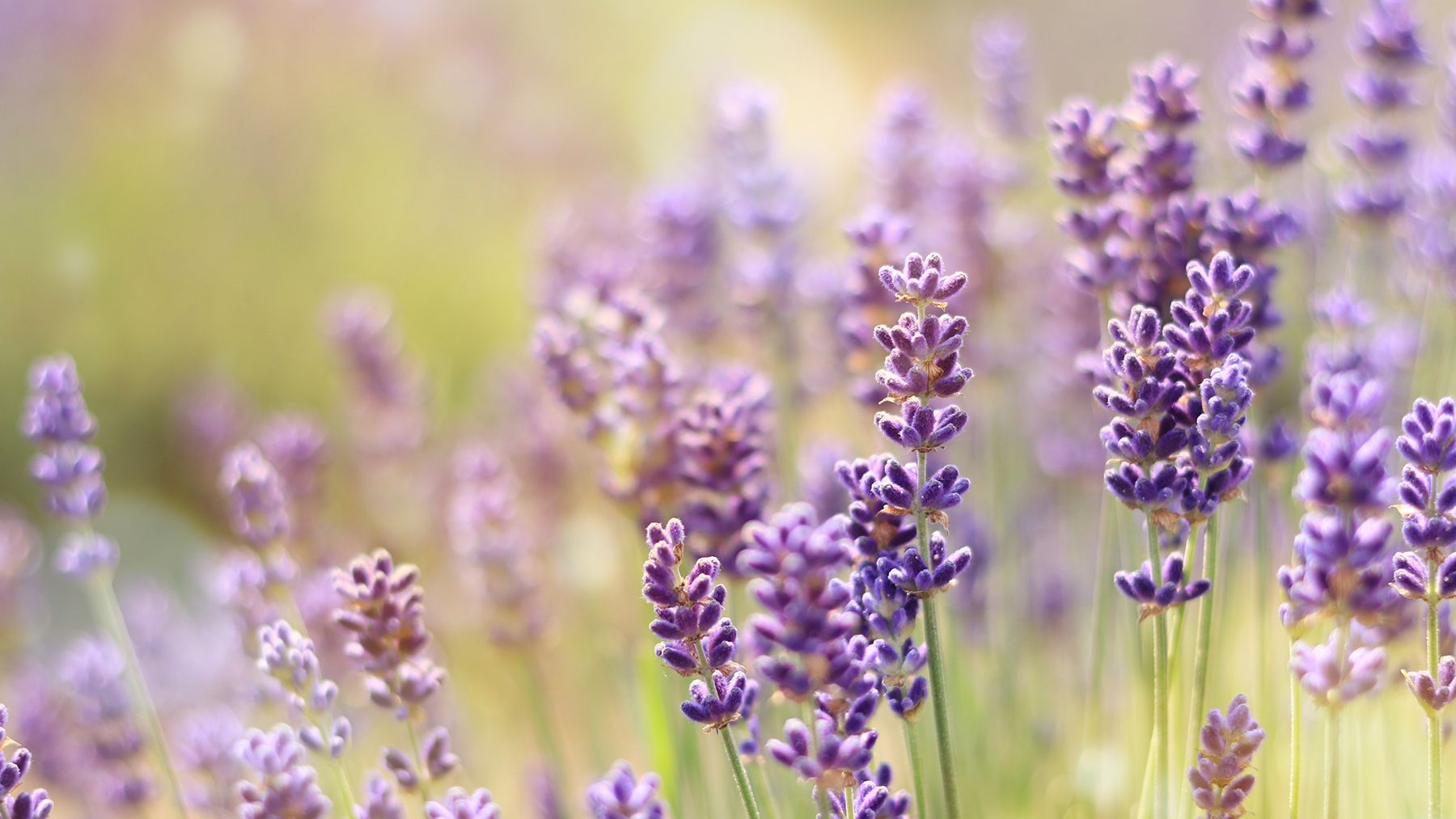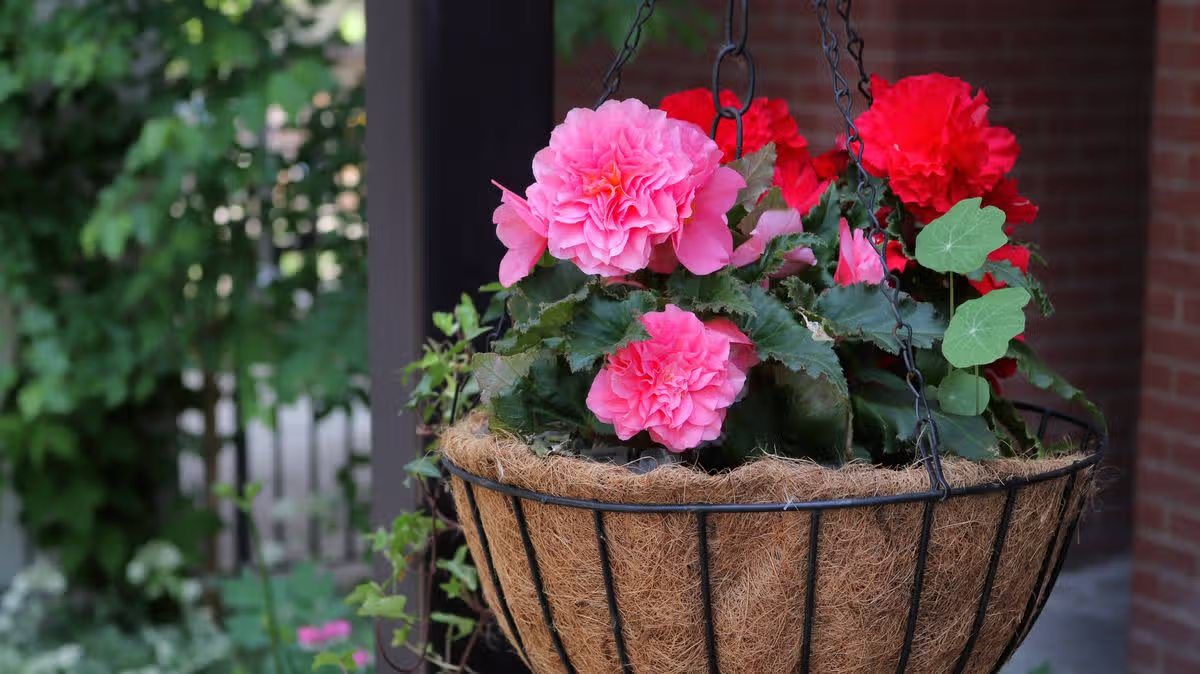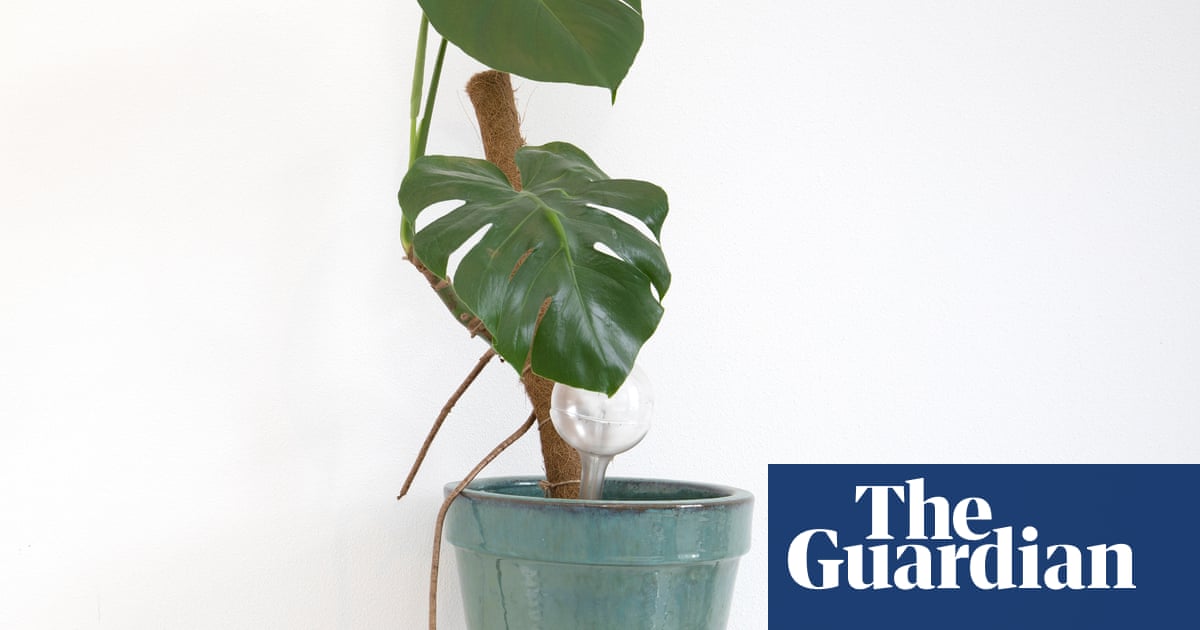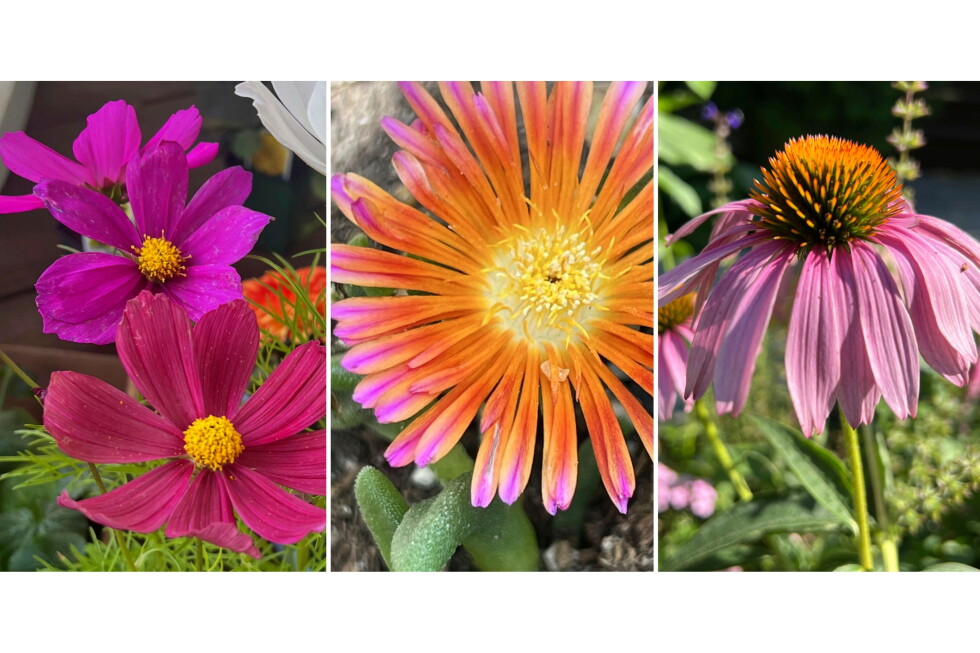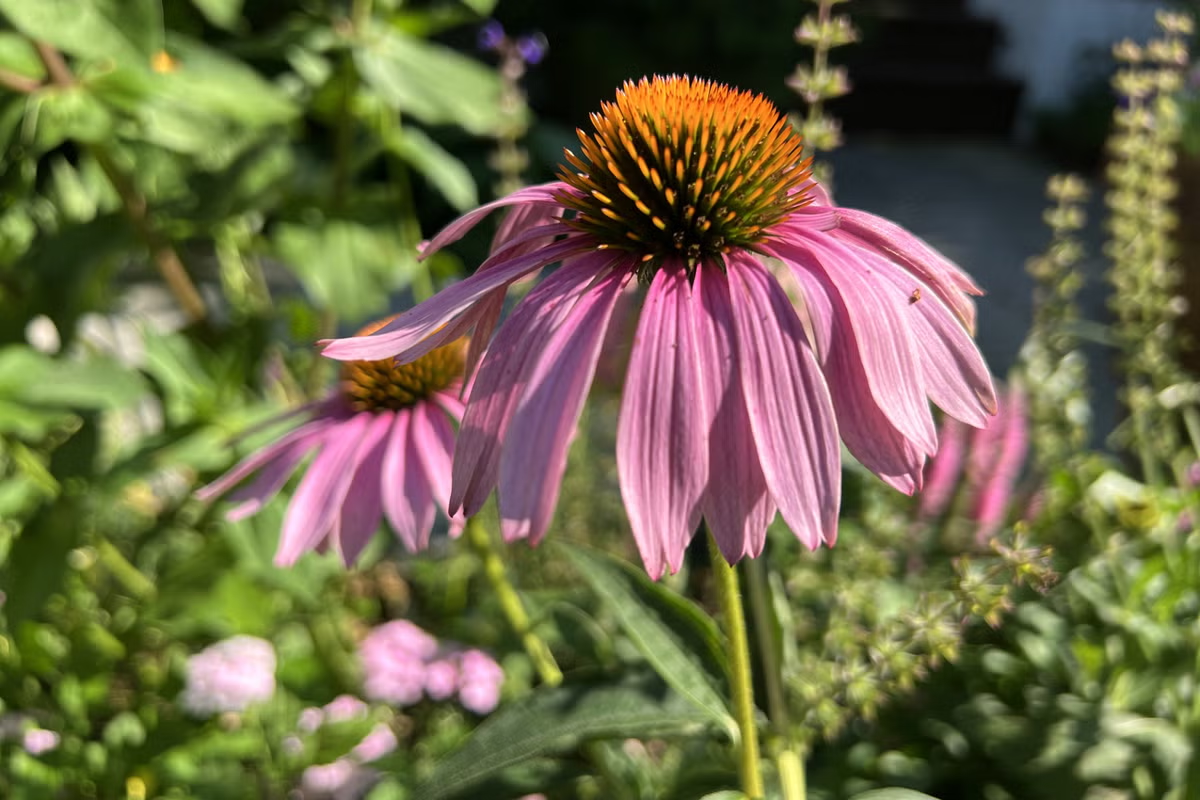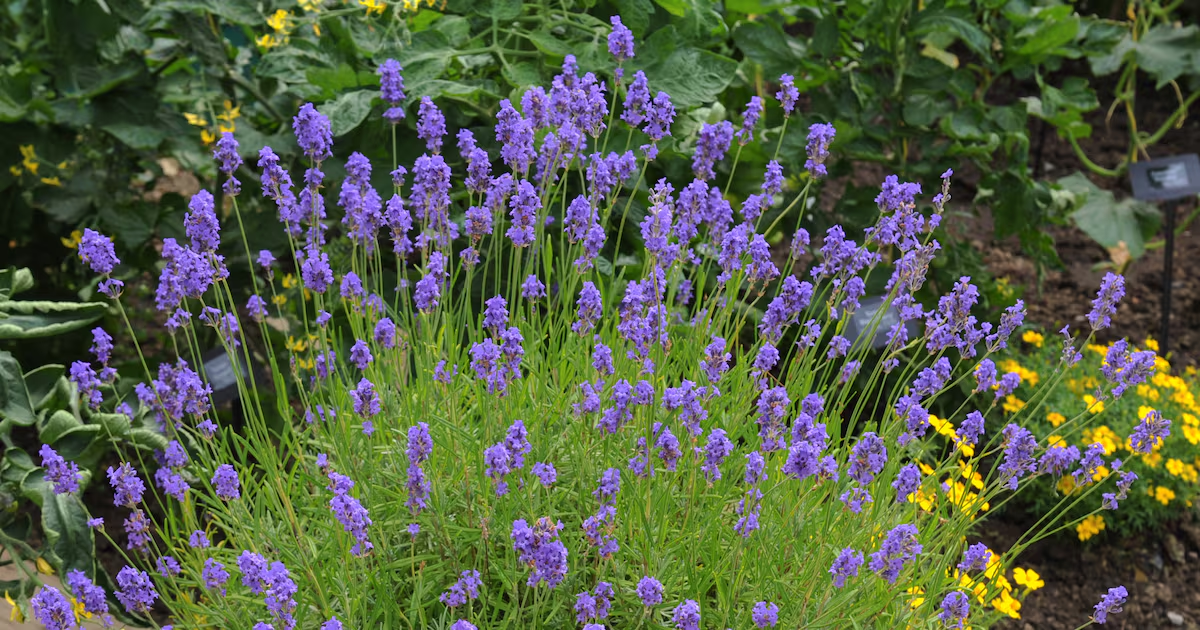
I had to go away on a short work trip last month during the recent heatwave, leaving my pots of summer bedding unwatered. While they survived, a lot of the plants looked pretty miserable by the time I got back, leaving me to wonder if there are alternatives more capable of surviving brief periods of neglect. My job requires me to travel abroad quite frequently. Jack B, DublinIt’s always hard leaving loved plants to their own devices because of work obligations, even if only for a few days. Those growing in the ground will usually cope just fine unless very recently planted. But container-grown plants are much more vulnerable to the compost heating up and drying out.Placing large saucers of water beneath individual pots will help, as will temporarily clustering containers together in a cooler, shadier corner and using containers with built-in, concealed water reservoirs, but only so much. Truth is, a period of intense, prolonged heat such as experienced in Ireland last month is challenging even for well-established container-grown plants, and can result in severe plant stress or death.That said, some summer bedding species are better able to cope, having evolved in parts of the world where high summer temperatures and low rainfall levels are the norm. Examples include pelargoniums, many kinds of salvia, osteospermum, tagetes, and felicia.Some perennial species with thick fleshy leaves also have a natural resistance to damage from intense heat and bright sunshine, as do those with fine needle-like leaves or silver-grey foliage.Examples include lavender, perovskia, Erigeron karvinskianus, Stipa tenuissima, catmint (Nepeta), Euphorbia wulfenii, Anthemis tinctoria, hytolephium, calamint, eysimum, sempervivum, and Californian poppy.Using a very good quality compost, ideally peat free, will also help pots to retain moisture. You can also mix a water-retaining gel into the compost before planting, although the jury is out as to how effective these products are.[ Six easy tips for making your garden planters last all summer in IrelandOpens in new window ]The size of the container also matters. Larger is better as regards plants coping with extremes of temperature and intermittent watering. For the same reasons, avoid using lots of small pots. Finally, consider the material it’s made from. Terracotta, for example, is naturally porous, meaning that plants growing in these kinds of pots are much quicker to suffer from lack of water. Instead, go for glazed containers or those made of impermeable materials such as fibreglass.
What container plants will survive brief periods of neglect in summer?
Container-grown plants are much more vulnerable to compost heating up and drying out
399 words~2 min read