Story audio is generated using AI
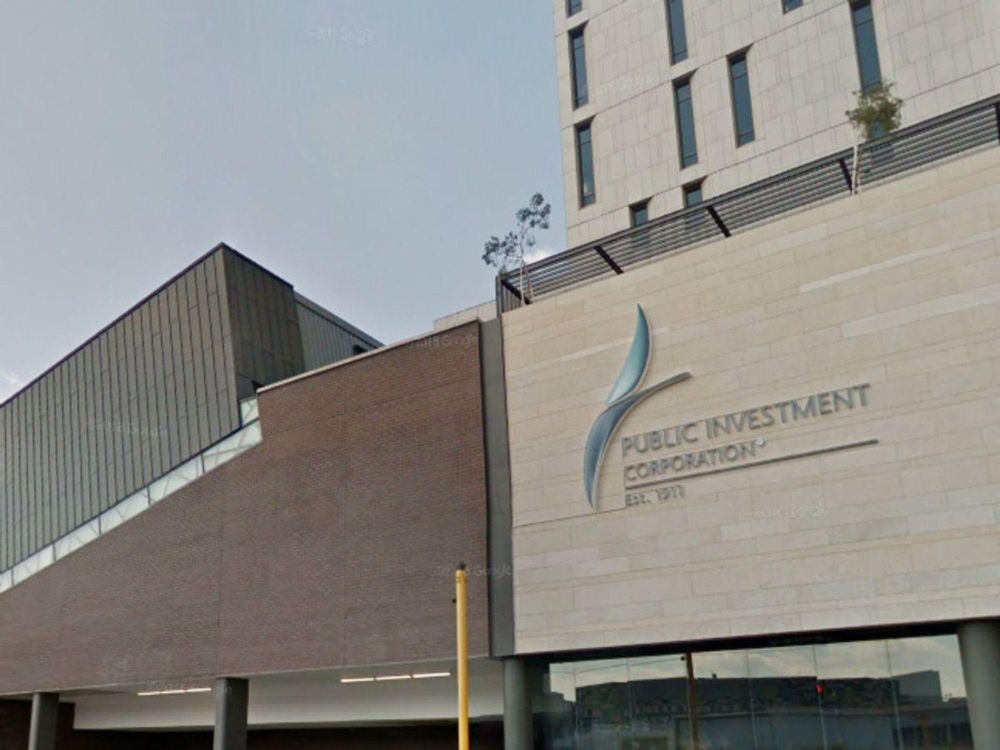
The Public Investment Corporation’s (PIC) investment in the erstwhile JSE-listed property group GRIT has run into turmoil, with the asset manager at elevated risk of losing money.GRIT, listed on the London Stock Exchange (LSE) and whose shares are suspended after it didn’t table its financial statements on time, has had a torrid eight years, falling short of expectations.The numbers have looked grim since 2018, the year in which GRIT had its LSE IPO; the group total return to shareholders stands at -91%, pointing to a company in structural, sustained decline that has unfolded over many years.Having listed with ambitions to deliver 12%-15% total annual returns to shareholders, the group has delivered a near-total loss of capital in the past eight years.Besides this, the PIC, which owns about 22% of GRIT, in 2024 deemed it fit to inject equity of $48.5m into the company in what was essentially a bailout.The desperate need for the PIC to come to its rescue is underscored in GRIT’s 2024 annual report.“In preparing the forecast cashflow, the board has identified a material uncertainty that may cast doubt on the group’s ability to continue as a going concern,” the report read. “The uncertainty primarily arises from the timing of the receipt of the proceeds from the PIC on a capital raise called for by one of the group’s subsidiaries, Gateway Real Estate Africa, amounting to $48.5m.”The investment eventually came, but seemingly too late to save the day. The investment forms part of a litany of investments by the PIC, particularly in the property space. Eskom Pension Fund is also a big investor in GRIT, which is led by Bronwyn Corbett.One of the sticking points in GRIT is its high exposure to interest-bearing, dollar-denominated debt. Corbett and her team walked straight into a debt trap.In the 2024 financial year the group was saddled with crippling interest expenses of $52.34m, with a debt-to-Ebitda ratio of 13.81 — more than double what is normally considered safe territory for a REIT. In essence the company’s total debt is nearly 14 times greater than its annual cash earnings, and would theoretically take the company more than 13 years of uninterrupted, pre-tax operating earnings to pay off all its obligations.The group, in a last throw of the dice, roped in respected restructuring specialist Michael Dorn as chief restructuring officer, hoping he could achieve for GRIT what he did for Nampak.One of the issues that Dorn will be confronted with is the yawning discount to net asset value (NAV), which widened dramatically at the outbreak of Covid-19 in early 2020 and never recovered. It widened further after the dividend was cancelled in October 2023. By May 3 2024, the discount to NAV stood at 63.2%. The situation deteriorated further through 2024 and into 2025. By the half-year results to December 31 2024, EPRA net reinstatement value per share had fallen a further 12.4% to just 50.7 US cents, down from 57.9c at June 30 2024. With the share price at that time trading at about 6.5 pence — equivalent to roughly 8 US cents — investors were buying shares at a discount of around 84% to the company’s own stated asset value per share. In plain terms, the market had concluded the company was worth, in equity terms, roughly one-sixth of what its own balance sheet said it owned. GRIT told Business Times that its suspension on the LSE was related to a potential transaction that could have a material impact on the financial statements as a whole if completed, and the company was still finalising its financial statements before informing the market. “The company has also stated that it will seek restoration of the listing and trading of its shares following publication of the financial results. The timing of reinstatement depends on completing the audit, finalising the going concern assessment, and obtaining sufficient clarity on the potential transaction and related lender support,” the company said.“Once those workstreams are sufficiently advanced and the financial results are published, the company intends to apply for restoration of trading and will update the market through the appropriate channels.“This is not a routine reporting delay. The group has been dealing with persistent headwinds, including rising finance costs, increasing debt liabilities, valuation pressure and ongoing lender discussions,” GRIT said.The group acknowledged that its debt and discount to NAV was choking the group. “High finance costs have been a material pressure on the group, and management has been addressing this through a combination of debt reduction, capital recycling, cost reduction, hedging and active lender engagement,” it said. “The cost of debt is high for three main reasons. First, the group’s borrowings are largely hard-currency facilities, aligned to its predominantly US dollar and euro lease base, but exposed to the sharp rise in global base rates, including SOFR and EURIBOR. “Second, African and emerging-market real estate borrowers generally face higher margins because of country risk, liquidity constraints, currency risk and more limited access to long-term capital. “Third, valuation pressure and delayed asset disposals increased leverage and reduced the speed at which debt could be paid down.”Business Times