Academia
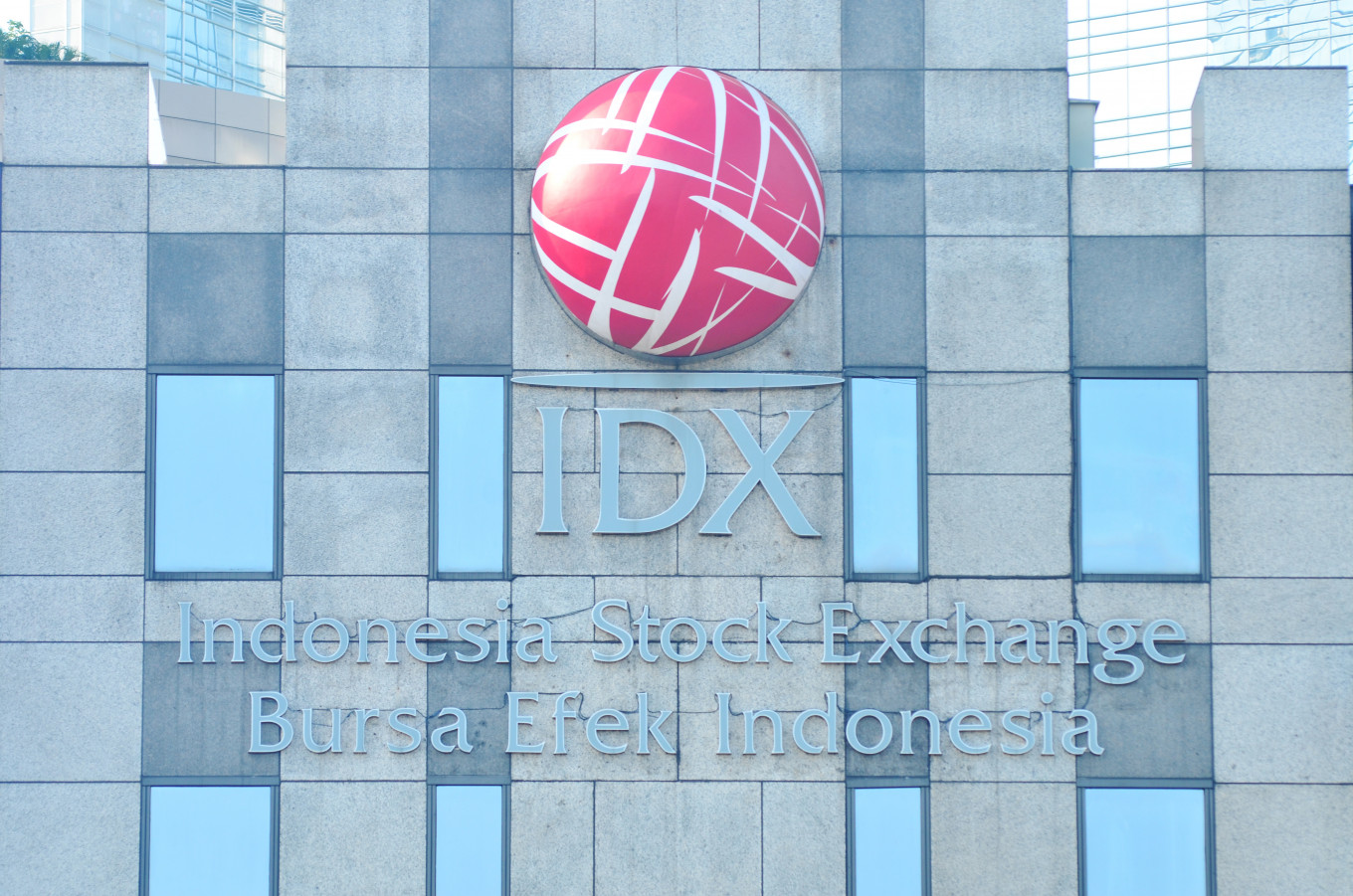
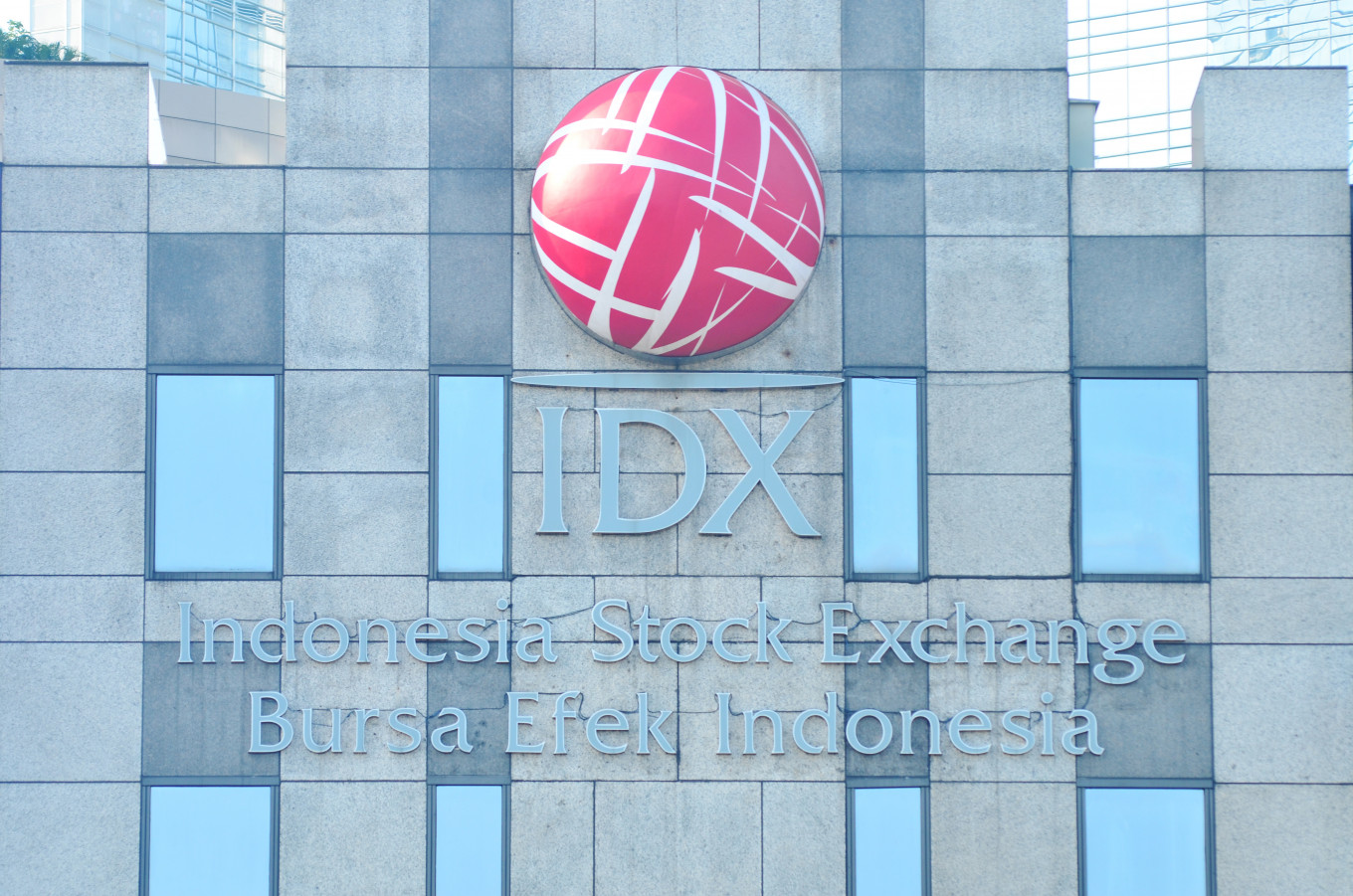
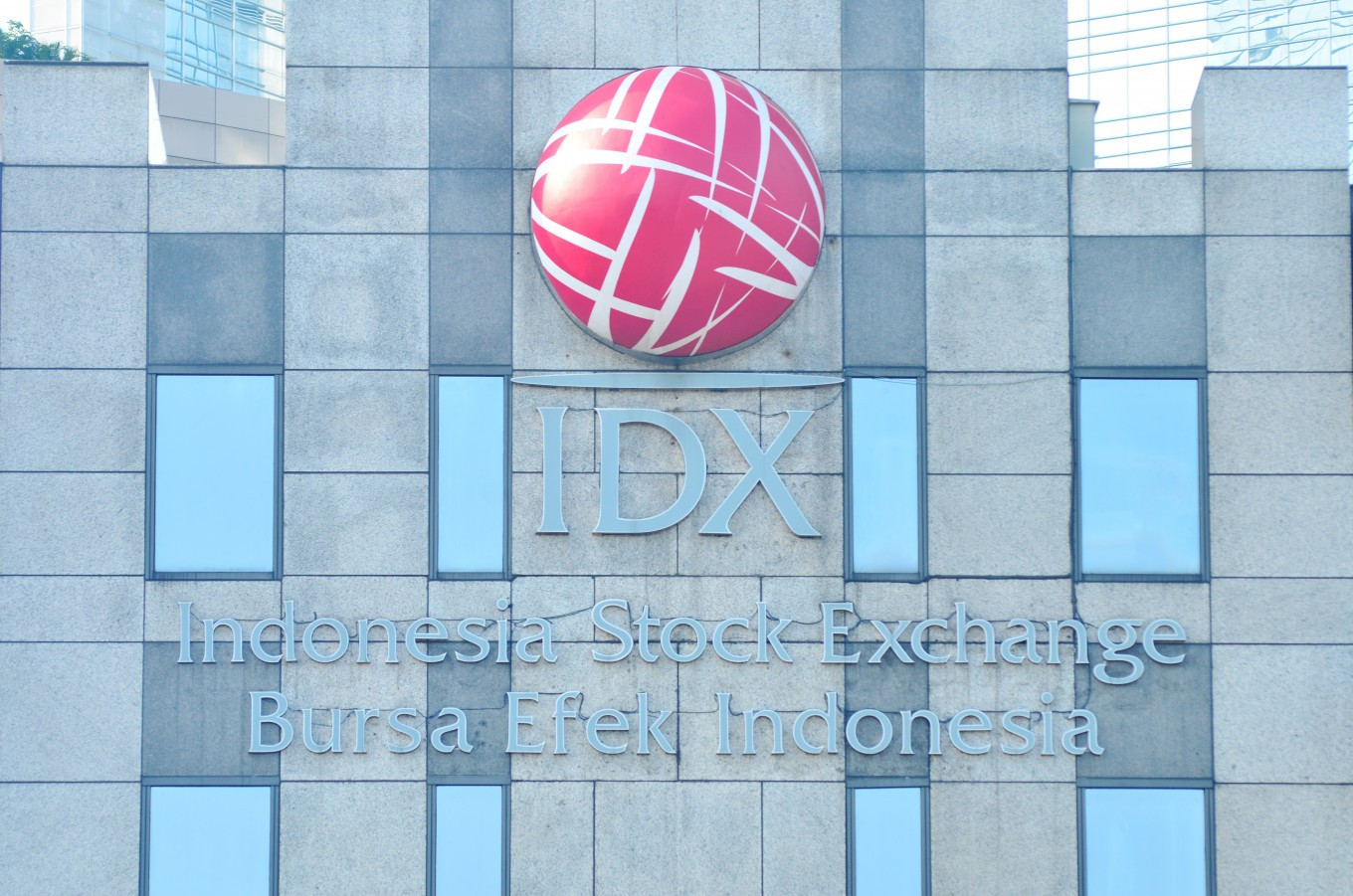
A logo of the Indonesia Stock Exchange (IDX) is seen at the IDX building in Jakarta on Sunday, April 19, 2026. (JP/Iqro Rinaldi)
Indonesia has taken a significant step toward overhauling the governance of its capital market after lawmakers approved revisions to the Financial Sector Development and Strengthening (P2SK) Law, paving the way for the eventual demutualization of the Indonesia Stock Exchange (IDX). The reform seeks to end the longstanding model in which the exchange is owned by its member brokerages, while also allowing institutions such as Bank Indonesia (BI), the Finance Ministry and state asset fund Danantara to become shareholders. However, rather than eliminating governance concerns, the new framework may simply shift them from conflicts among market participants to more complex questions about the state's role in owning the country's capital market infrastructure.Article 8B of Law No. 4/2026, which amends the P2SK Law, stipulates that the Finance Ministry, BI and Danantara may become shareholders of the IDX. The article further states that such ownership shall maintain the independence of the IDX, reflecting lawmakers' intention to broaden the exchange's ownership base while preserving its operational autonomy. Nevertheless, the new provision introduces a different set of governance considerations. Unlike private investors, the Finance Ministry, BI and Danantara each have public mandates that extend well beyond capital market development. Their participation as shareholders therefore raises questions about how the exchange's commercial objectives would be balanced against broader government policy interests.